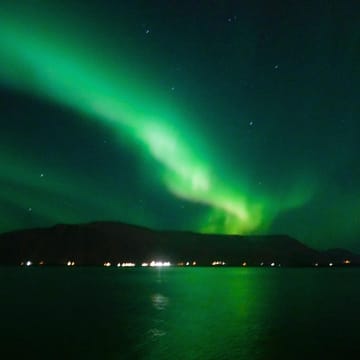
Admire the Northern Lights up close this winter in Iceland
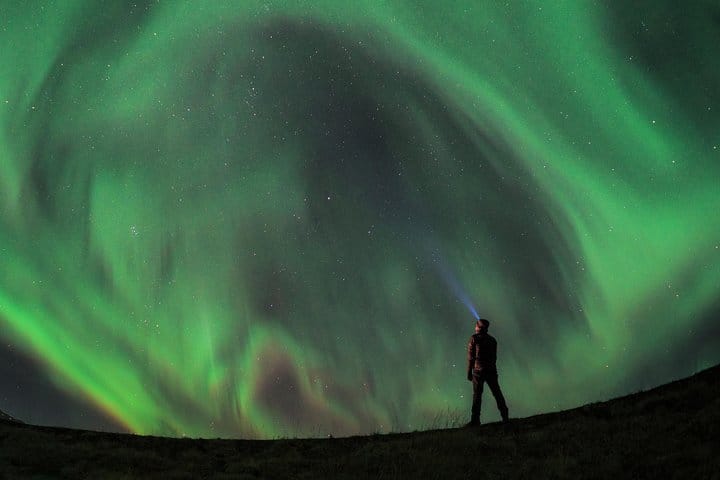
Get a chance to admire the wonderful colors of the Northern Lights this winter in Iceland
The spectacular show of the Northern Lights over a snow-covered Icelandic landscape
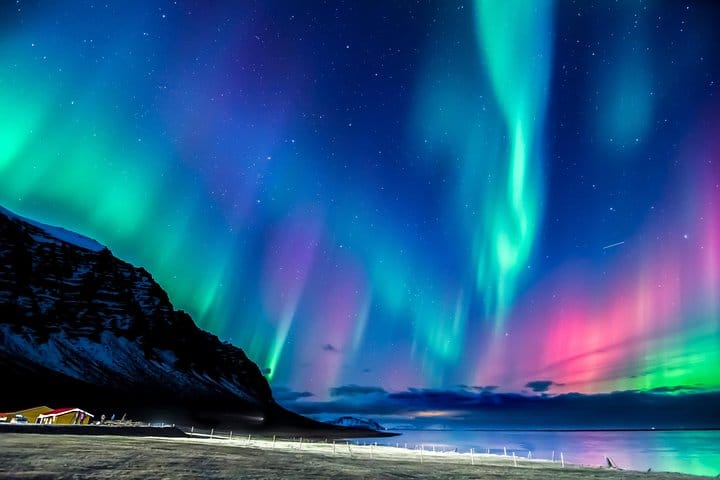
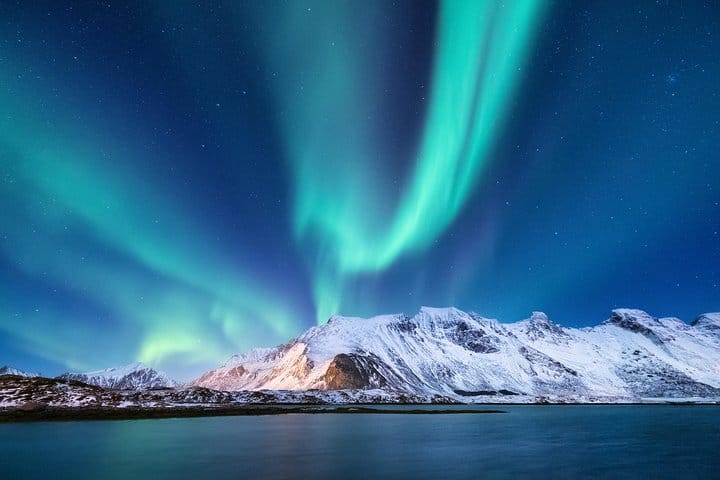
Northern Lights over a snow-covered mountain in Iceland
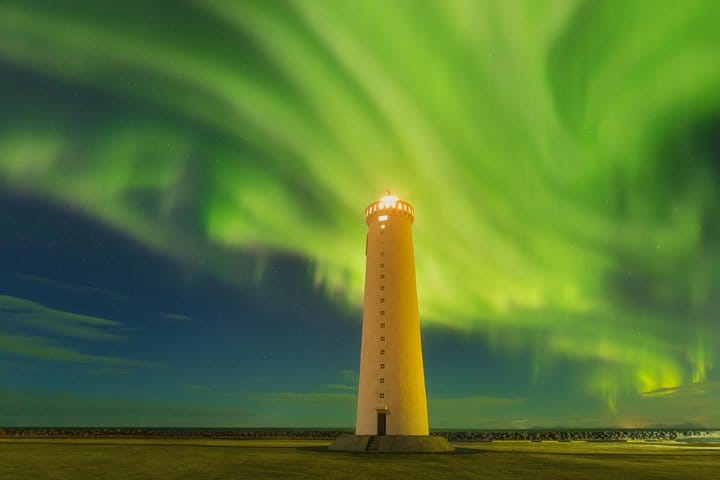
Isolated lighthouses are the perfect spot to try and get a glimpse of the magnificent Northern Lights
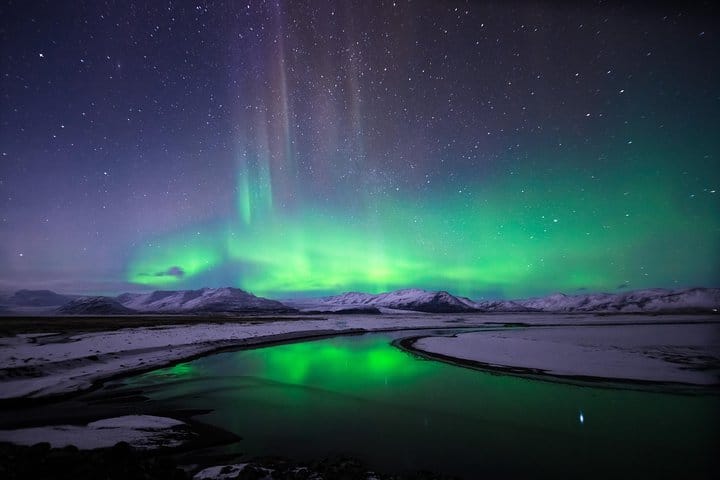
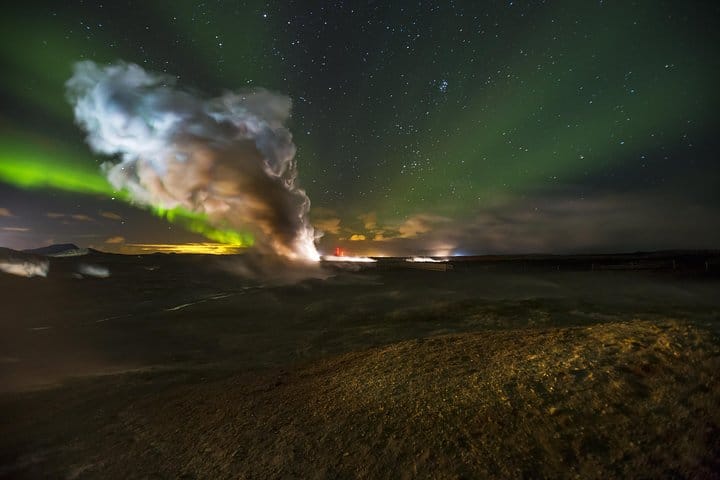
Northern Lights behind a column of steam coming from one of Iceland's largest geothermal areas.
1 / 6

Private Northern Lights Luxury Tour

(5)
Reykjavík, Iceland
Nature ToursPrivate Car ToursPrivate Round TripsLuxuryLayover Tours

About this activity

Hunt for the Aurora Borealis on a 3-hour private jeep tour departing Reykjavík, guided by a local expert who knows the best locations and conditions for northern lights visibility. This luxury experience combines the thrill of chasing a natural phenomenon with expert knowledge, maximizing your chances of witnessing this unforgettable celestial display.

Tour Highlights
  • Northern Lights hunt
  • Super jeep ride
  • Evening adventure away from the city lights
  • Best chance to see the northern lights in Iceland
  • Local knowledge about the Northern Lights
  • Please note! Available: September - March
About

Have you always wanted to experience the Aurora Borealis dance across the night sky? Then our Private Northern Lights Jeep Tour is the ideal option to embark on a hunt for the awe-inspiring lights. Let's hunt some aurora together!

Best time to see northern lights in Iceland

Northern lights in Iceland may be viewed from September through March, and they're among the most breathtaking sights you'll ever see.

It need to be dark to see the Northern Lights.

Best place to see Northern Lights in Iceland

Because the likelihood of seeing the Northern Lights is so variable and dependent on many factors, including weather and cloud coverage, there is no definitive answer to this question.

What cause the northern lights?
  • As we now know, the collision of solar winds with the Earth's magnetic field is what causes the Northern Lights to appear. They occur in the upper atmosphere, where their colors and forms are determined by the altitudes at which they appear and the acceleration of the sun particles.
  • The Northern Lights, or Norðurljós in Icelandic, are a spectacular show of lights dancing across the night sky, resembling a gigantic fire from a distance, with magnificent flames blazing over the whole sky in continual motion. For millennia, the Northern Lights have captivated people with their vibrant hues and hypnotic movement. 

Highlights

  • Private super jeep escape from city light pollution
  • Expert local guide with aurora hunting knowledge
  • September–March prime viewing season
  • Real-time weather and cloud-cover assessment
  • Personalized route based on aurora activity

Insider tips

  • Clear, moonless nights away from coastal areas offer the best visibility; your guide will adjust location dynamically based on live weather data
  • Dress in extreme cold-weather gear (thermal layers, insulated jacket, hat, gloves); temperatures drop significantly at night even in autumn
  • Bring a camera with manual settings and a tripod if you want to capture the lights; the guide can advise on optimal exposure

Good to know

  • Meeting point and vehicle departure from Reykjavík; exact location confirmed after booking
  • Private tour means you control the pace and stops; duration is approximately 3 hours total
  • Northern lights visibility is never guaranteed and depends on solar activity, cloud cover, and weather—tour operates on a best-effort basis
  • Warm layers essential; even with heating in the vehicle, outdoor waiting periods are cold

Who it's for

Nature enthusiasts and photographers seeking a once-in-a-lifetime arctic phenomenonCouples and small groups wanting a private, intimate experienceVisitors on a Reykjavík layover with limited timeLuxury travellers prioritizing personalized service and expert guidance

Best time to visit

Northern lights are visible September through March, with peak activity and darker nights typically November–February. Tours depart in evening; peak aurora activity often occurs between 21:00–02:00, so flexibility for late-night ventures increases sighting odds.

Frequently asked questions

From
€521
per person