Hambantota9h
From Hambantota: Sinharaja Trekking Day Tour
3.8(5)
From€141.77€139.69
/ person
 1 / 3
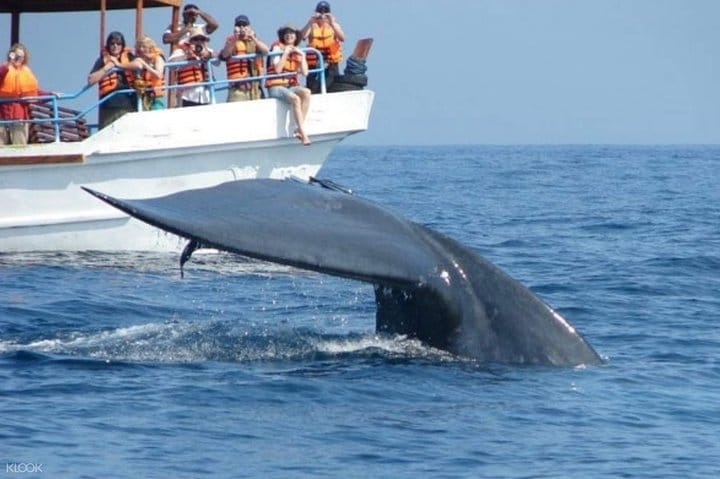
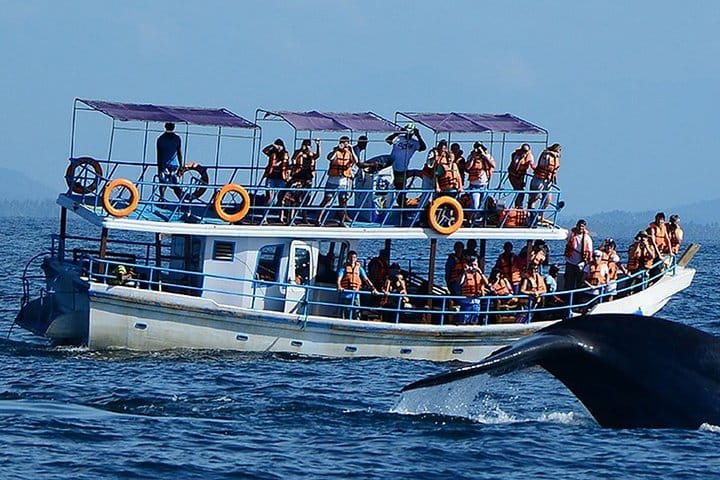
1 / 3Embark on an early-morning whale-watching expedition from Hambantota to Mirissa's rich cetacean waters, where sperm whales and dolphins are frequently spotted from a spacious boat. This full-day excursion combines marine wildlife viewing with cultural insights and includes hotel transfers, onboard breakfast, and a guided lunch stop.
Pick You up in the hotel in the morning, Our driver will pick you up at 5 : 30 am Leave for Mirissa. Get on to the boat ,You can have a breakfast on the boat At 6:30am, we take you whale-watching on a relatively large boat. Dolphins are also often seen in the area. The boat should return to Mirissa around 12:00 pm. We are then to take you for lunch nearby. (our guide will recommend the best place) lunch we take you back to your hotel in Hambantota
November to April offers the calmest seas and highest whale sighting probabilities. Early morning departures (starting before sunrise) are crucial—cetaceans are most active in the first few hours after dawn.
Top-rated, great-value activities in Hambantota