 1 / 5
1 / 5From Hambantota: Boat Safari & Hikkaduwa Coral Reef Visit including Galle City
About this activity
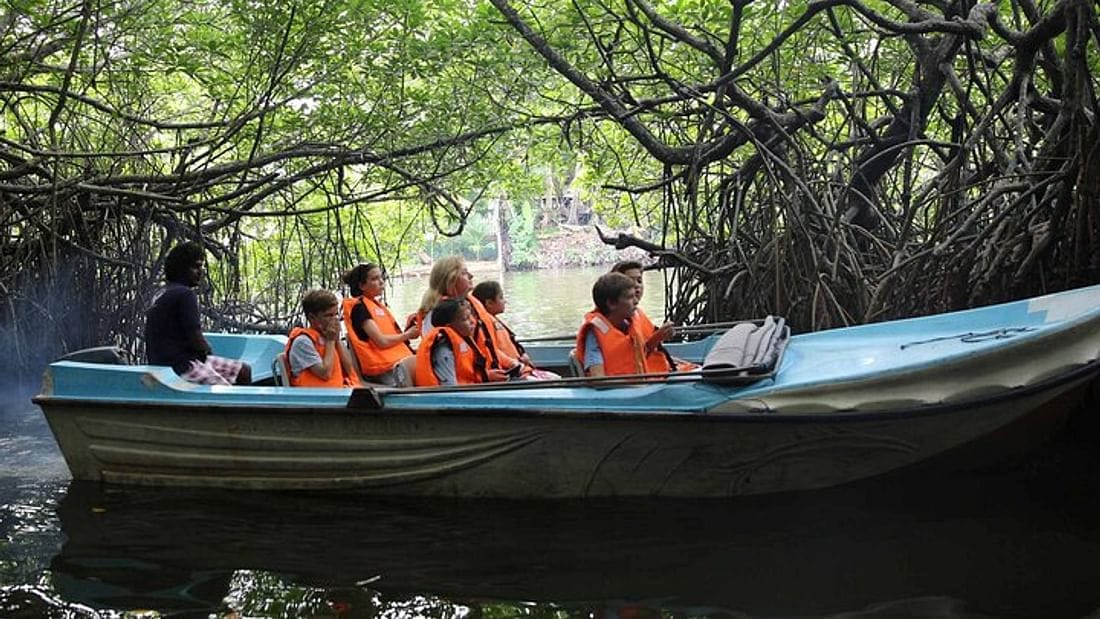
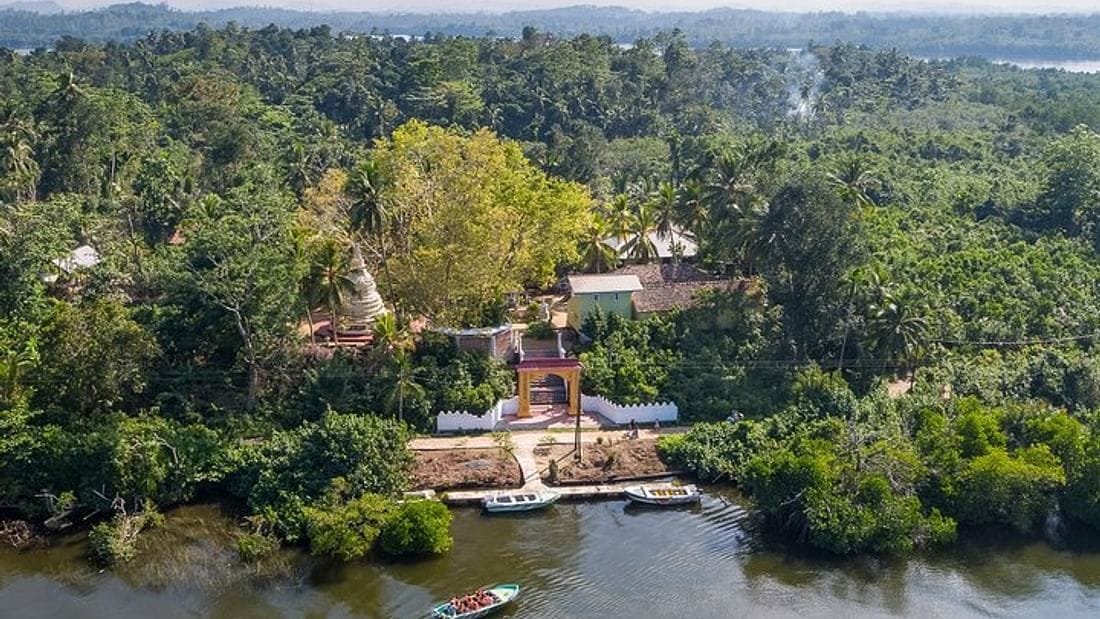
This boat tours is one of the standout things to do in Hambantota, Sri Lanka. it combines the highlights below into a single, easy-to-book experience from €124 per person. The boat ride is a wonderful way to take a closer look at this complex wetland ecosystem, a world heritage site protected by the Ramsar Convention on Wetlands, being one of the last wetlands in Sri Lanka to contain a pristine mangrove forest.
Madu River, a wetland estuary spreading over 900 hectares of which 770 hectares are covered with water and inhabited with 64 islands. The boat ride is a wonderful way to take a closer look at this complex wetland ecosystem, a world heritage site protected by the Ramsar Convention on Wetlands, being one of the last wetlands in Sri Lanka to contain a pristine mangrove forest.
Journey past massive mangrove forests, glide under the canopy of the forest tunnels as they curve playfully towards the watercourse. If it's later in the evening watch the fishermen in their canoes lighting lanterns on traps that catch prawns and other shellfish. It's certainly going to be a memorable day-out on the serene waters of the unforgettable Madu River! After an exciting Madu riverboat trip, drive down to Galle on the highway and visit a Turtle hatchery near Galle to see various species of Sea Turtles, if you wish you could even release a baby Turtle to the Ocean.
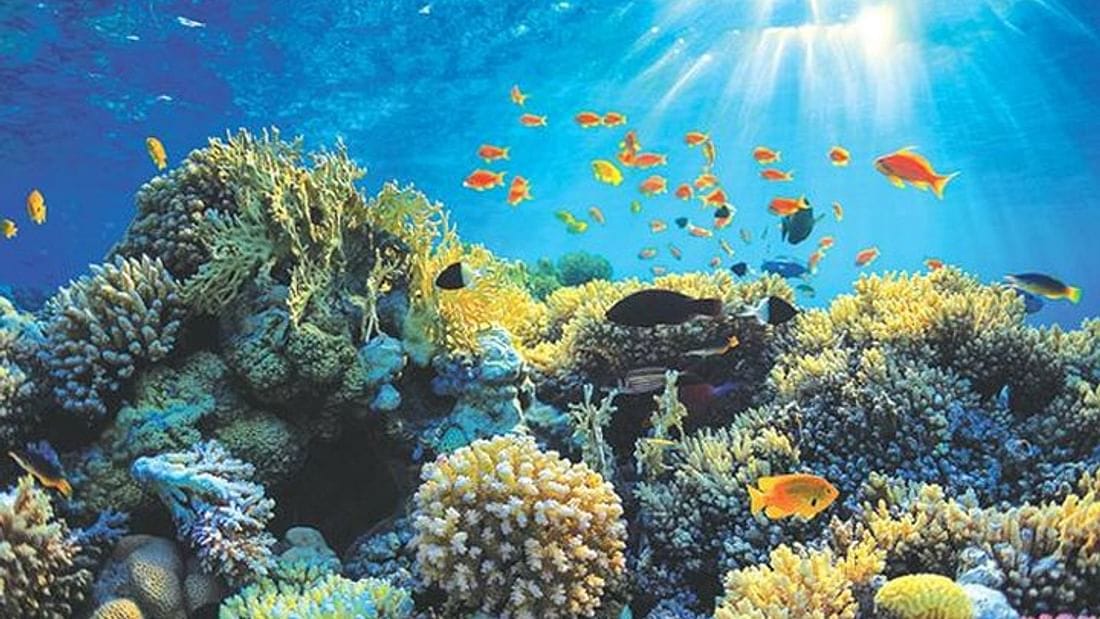
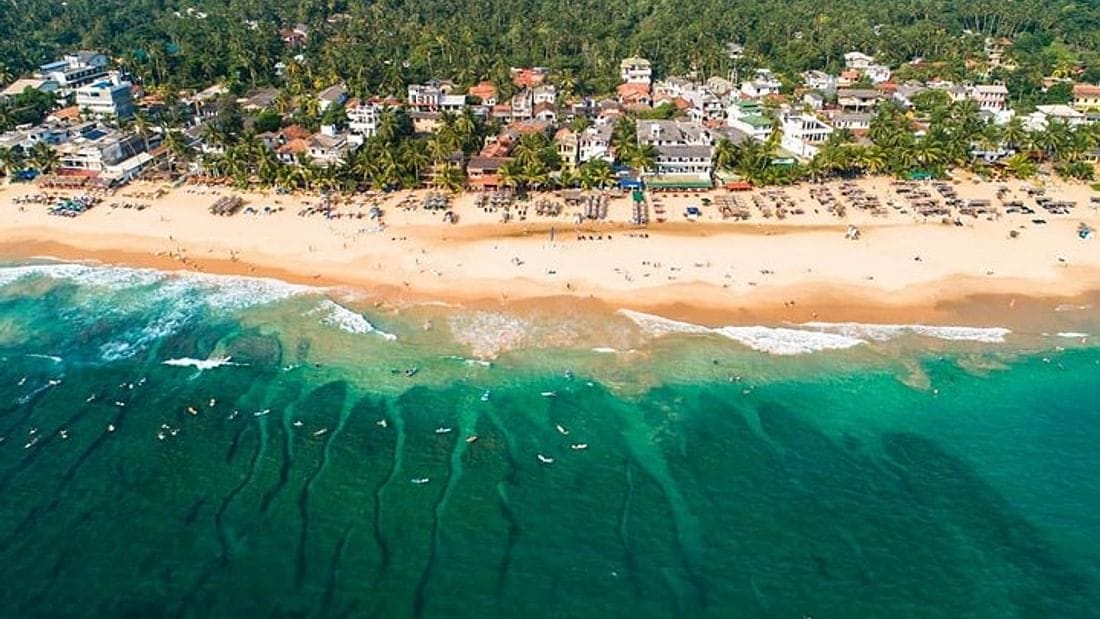
Hikkaduwa is a small town on the south coast of Sri Lanka. It is located in the Southern Province, about 20 km north-west of Galle. Hikkaduwa is famous for its beach and corals. Villages affected were Telwatta, Paraliya, Dodanduwa, Kahawa, Rathgama. The place is on the way from Colombo to Galle on the famous Galle road. It is primarily a tourist destination, and serves as a great beach with options to surf, snorkel, and enjoy the sun.
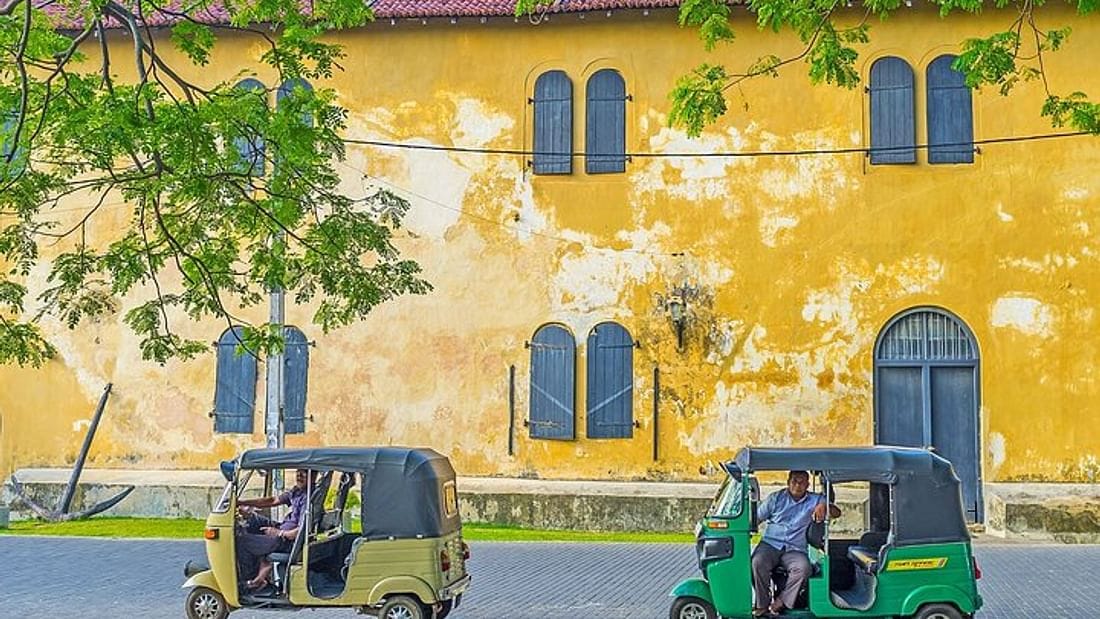
A city on the southwest coast of Sri Lanka. It is known for Galle Fort, the fortified old city founded by Portuguese colonists in the 16th century. Stone seawalls, expanded by the Dutch, encircle car-free streets with architecture reflecting Portuguese, Dutch and British rule. Notable buildings include the 18th-century Dutch Reformed Church. Galle Lighthouse stands on the fort’s southeast tip.
Built by the Dutch, beginning in 1663, Galle's core is the Fort, a walled enclave surrounded on three sides by the ocean. A key part of the Fort’s appeal is that it isn’t just a pretty place. Sure, tourism now dominates the local economy, but this unique city remains a working community: there are administrative offices and courts, export companies, schools, and colleges.
Good to know
- •Duration: approximately 9 hours.
- •Confirmation is instant — your spot is secured the moment you book.
- •Offered in 2 languages.
- •Confirm weather-appropriate clothing and comfortable footwear before you go.
Who it's for
Best time to visit
Hambantota is rewarding year-round, but spring and early autumn typically bring the most comfortable temperatures and thinner crowds than peak summer. Morning departures tend to be quieter and cooler; booking ahead is recommended in high season as popular boat tours slots in Hambantota sell out.