 1 / 5
1 / 5Georgian Megaliths: Gokhnari, Tejisi, Avranlo & More by Jeep
About this activity
This cultural tours is one of the standout things to do in Tbilisi, Georgia. Rated 4.0/5 by 3 travellers, it combines the highlights below into a single, easy-to-book experience from €195 per person. Visit Chkhikvta Megalith Wall, Gokhnari Lodovani, St. George's and Aia Constantine’s Church of Tejisi, Avranlo Megalith and Nardevani Fortress.
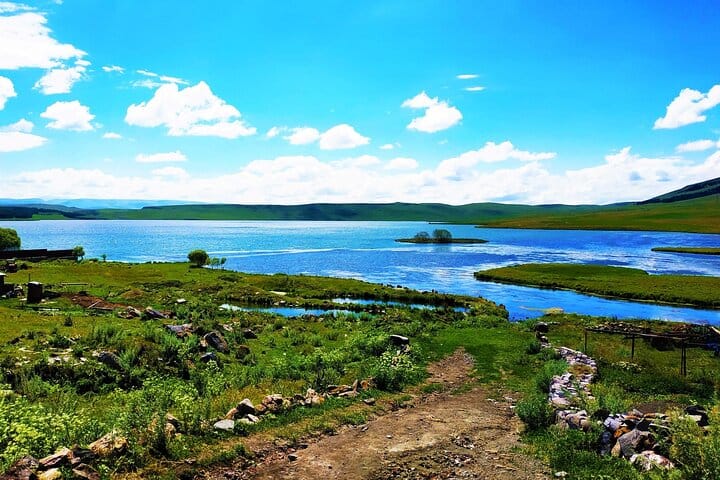
Private Jeep Tour to Megaliths of Georgia (Chkhikvta, Gokhnari, Tejisi, Avranlo, Nardevani) from Tbilisi includes visiting unique megalithic complexes in Kvemo Kartli region of Georgia. Total drive 295 km (185 miles).
Good to know
- •Duration: approximately 12 hours.
- •Confirmation is instant — your spot is secured the moment you book.
- •Offered in 1 language.
- •A specific meeting point is provided — check the Meeting point section below for the exact location and map.
- •Confirm weather-appropriate clothing and comfortable footwear before you go.
Who it's for
Best time to visit
Tbilisi is rewarding year-round, but spring and early autumn typically bring the most comfortable temperatures and thinner crowds than peak summer. Morning departures tend to be quieter and cooler; booking ahead is recommended in high season as popular cultural tours slots in Tbilisi sell out.
Frequently asked questions
More things to do in Tbilisi
- Tbilisi: Private Tour to Rainbow Mountains – David Gareja – Semidesert – Lake
- Full-Day Private Tour of Kakheti Region with Pick Up
- Discover Tsalka Canyon: Scenic Tour from Tbilisi
- From Tbilisi: Private Tour to Rabati Castle-Vardzia Caves-Borjomi
- Lechkhumi Wonders: 3 Days/2 Nights Tour Package
- Unearthing Georgia: 11 Days of Archaeological Wonders
- Discover Borjomi: Scenic Tour from Tbilisi
- From Tbilisi: Kutaisi-Martvili Canyon-Prometheus Cave
- Jeep Tour to Georgian Megaliths from Tbilisi (Gokhnari,Tejisi, Avranlo,Chikiani)
- Georgia on Your Plate: 8 Days Gastronomic Tour
- Vardzia Tour: Explore Ancient Wonders
- 8-Nights 9-Days Private Tour in Georgia with Pick Up