San Miguel de Tucumán5h
Tafi del Valle Half-Day Tour from Tucuman
4.0(5)
From€200.64
/ person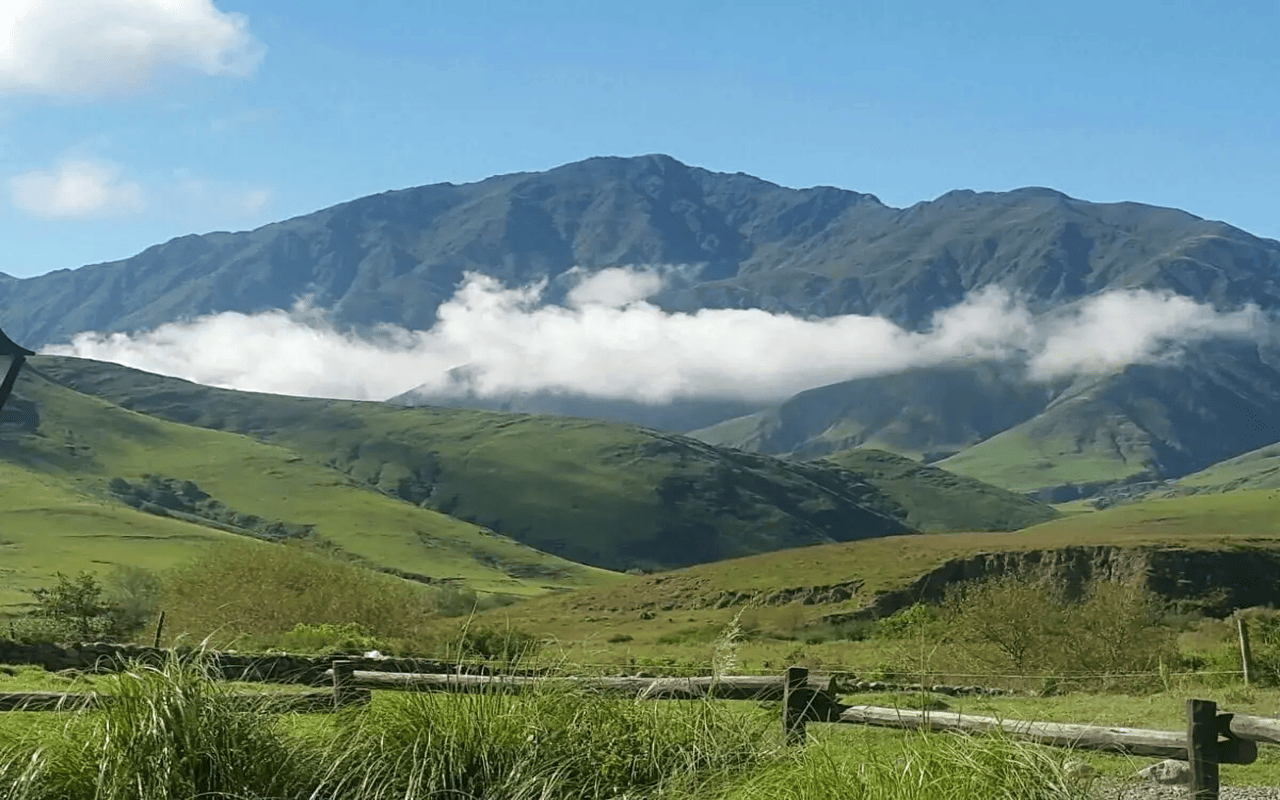
This full-day 460 km loop from San Miguel de Tucumán connects three distinct cultural and natural zones: the pre-Columbian Quilmes ruins in a dramatic mountain setting, the wine capital of Cafayate, and scenic valleys and gorges that showcase northern Argentina's archaeology and landscapes. It's a comprehensive regional journey ideal for history buffs and those seeking to understand Tucumán province beyond the city.
Begin an exciting journey from the city of Tucumán to three impressive destinations that will immerse you in the history, culture and amazing landscapes of Argentina. With a route of approximately 460 km, this experience will take you through some of the most notable places in the region.
Our trip begins early in the morning, and our first stop is the Quebrada de los Sosa, a scenic gorge that will take your breath away. Next, we'll head to El Indio and the Parque de los Menhires, where you can explore the intriguing stone sculptures.
We continue towards the La Angostura Dam, a reservoir that offers a quiet environment and beautiful panoramic views. Our journey takes us to the charming town of El Mollar and then to Tafí del Valle, a town known for its natural beauty and relaxing atmosphere.
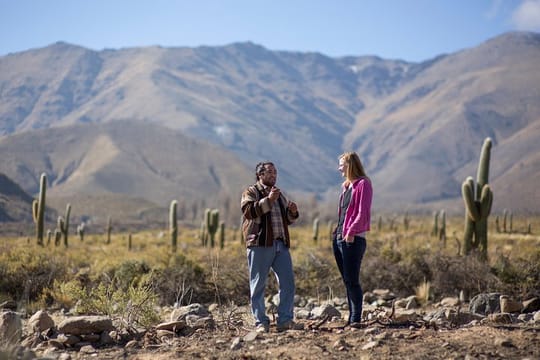
Crossing Infiernillo and the Sierras Calchaquíes, we will reach the Ruins of Quilmes, a fascinating archaeological site that reveals the history of the Quilmes civilization that inhabited this region centuries ago. You will visit the local museum to learn more about this culture.
Finally, we will arrive at Cafayate, famous for its wine production. Here, you will have the opportunity to visit some local wineries and taste exquisite wines. You can choose to return to Tucumán or, if you wish, stay in Cafayate and continue your adventure to Salta on the "Cafayate" excursion.
Tour: Ruins of San José del Monte de los Indios Lules, Quebrada de los Sosa, el Indio, Parque de los Menhires, Dique la Angostura, el Mollar, Tafi del Valle, Jesuit Church la Banda, Infiernillo, Sierras Calchaquíes, Ruins of Quilmes , Museum, Cafayate and visit to the wineries. Return to Tucumán or option to sleep in Cafayate to continue to Salta.
Distance: 520 km.
Duration: 12 hours.
Departure time: 07.30am
April–May and September–October offer mild temperatures and clear skies ideal for mountain driving and sightseeing. Avoid December–February (intense heat and occasional road closures) and July–August (high altitude can be cold at dawn/dusk).
Top-rated, great-value activities in San Miguel de Tucumán