Tour in Thracian & Antique Fortress Kabile Including Ticket 1
Tour in Thracian & Antique Fortress Kabile Including Ticket 2
Tour in Thracian & Antique Fortress Kabile Including Ticket 3
Tour in Thracian & Antique Fortress Kabile Including Ticket 4
Tour in Thracian & Antique Fortress Kabile Including Ticket 5
Tour in Thracian & Antique Fortress Kabile Including Ticket 6
Tour in Thracian & Antique Fortress Kabile Including Ticket 7
Tour in Thracian & Antique Fortress Kabile Including Ticket 8
Tour in Thracian & Antique Fortress Kabile Including Ticket 9
Tour in Thracian & Antique Fortress Kabile Including Ticket 10
Top Deal1 / 10

Tour in Thracian & Antique Fortress Kabile Including Ticket

(5)
Yambol, Bulgaria
Attractions
Instant confirmationSecure checkoutNo hidden fees

About this activity

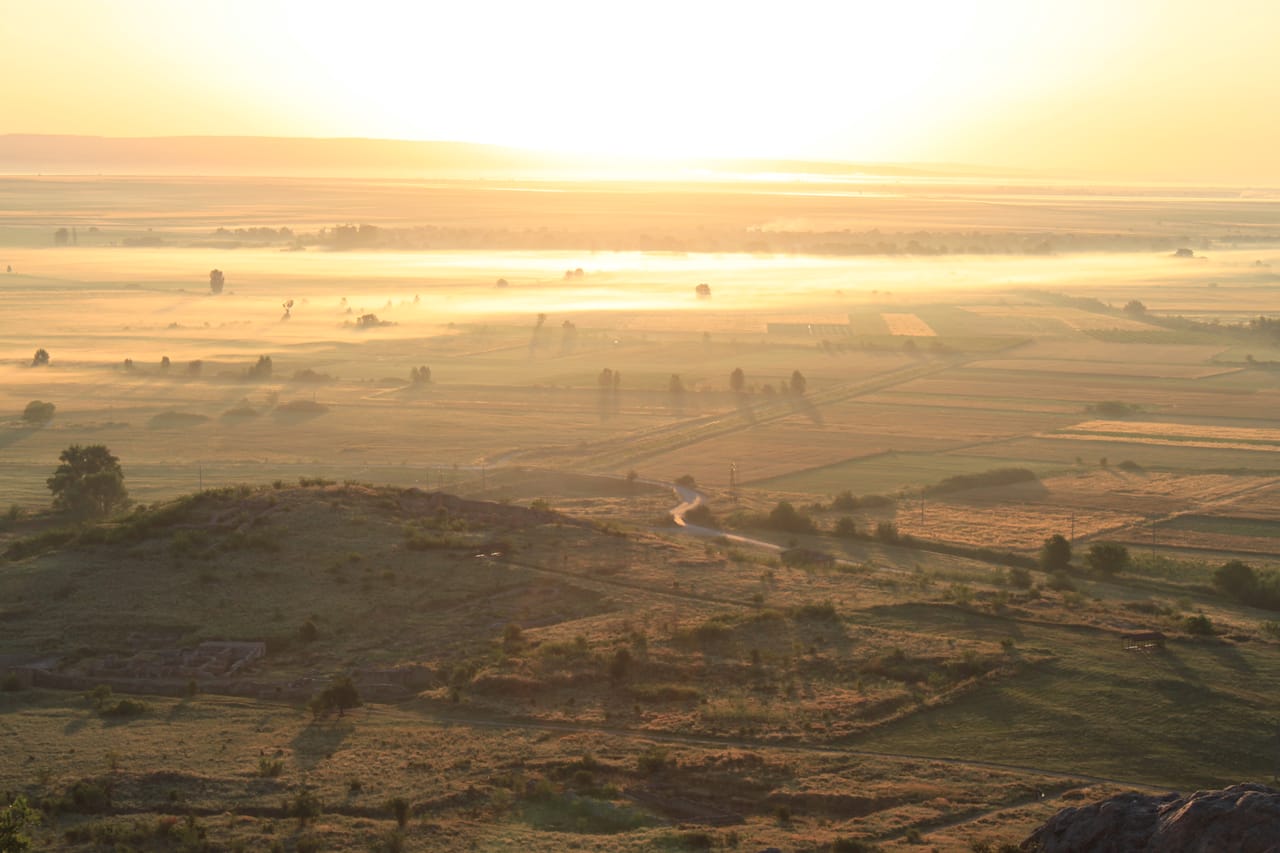
Explore one of Ancient Thrace's most significant cities at Kabile Fortress near Yambol, Bulgaria—a richly layered archaeological site spanning 2000 years of history from Thracian royal seat to Roman provincial hub. Walk among excavated temples, fortifications, and a rare rock relief of the goddess Cybele while absorbing layers of conquest and cultural change.

The city of Kabile was founded around 2000 BC, and was one of the most important cities of Ancient Thrace. In fact, it is believed to have been one of the royal residences of the kings from the Odryssian Kingdom, the most powerful state of the Ancient Thracians. In 341 BC, Kabile was conquered by Philip II of Macedon. 

The Ancient Thracian city is mentioned by 14 ancient authors, the first of whom describes its conquest by Philip II of Macedon. After the collapse of Alexander the Great’s empire, in the 3rd century BC, Kabile was ruled once again by the Ancient Thracians. It was conquered by the Roman Empire in 71 BC, and later was incorporated into the Roman province of Thrace. 

It was an important regional center in the Late Antiquity as well. The city of Kabile was modeled after the Ancient Greek cities at the time. It boasts a stone acropolis with a unique rock relief of the ancient goddess of Cybele, a protector of the city. In the 4th century AD, Kabile was conquered by the Goths, and was later destroyed for good by the Avars. 

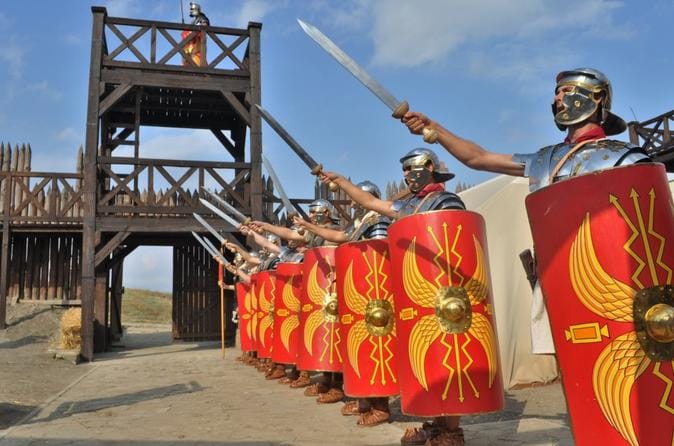
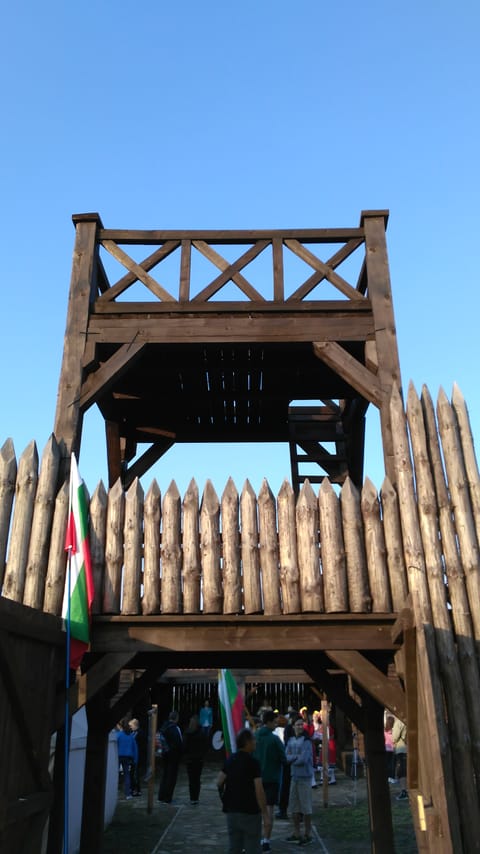
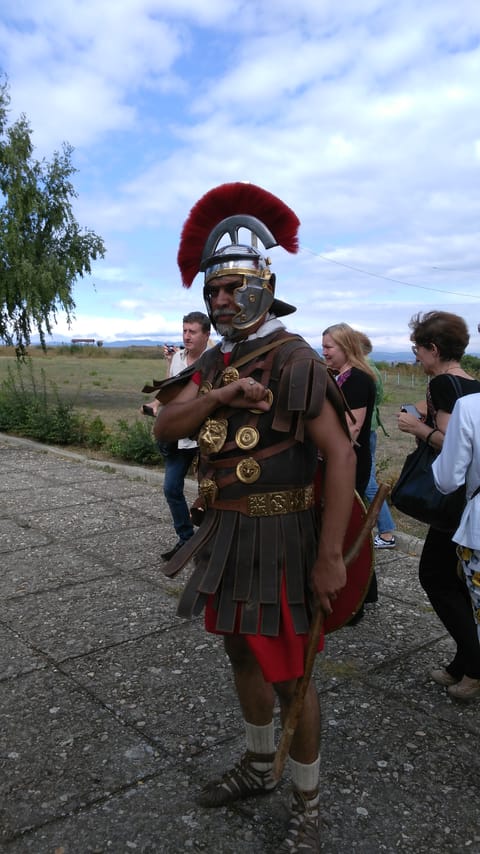
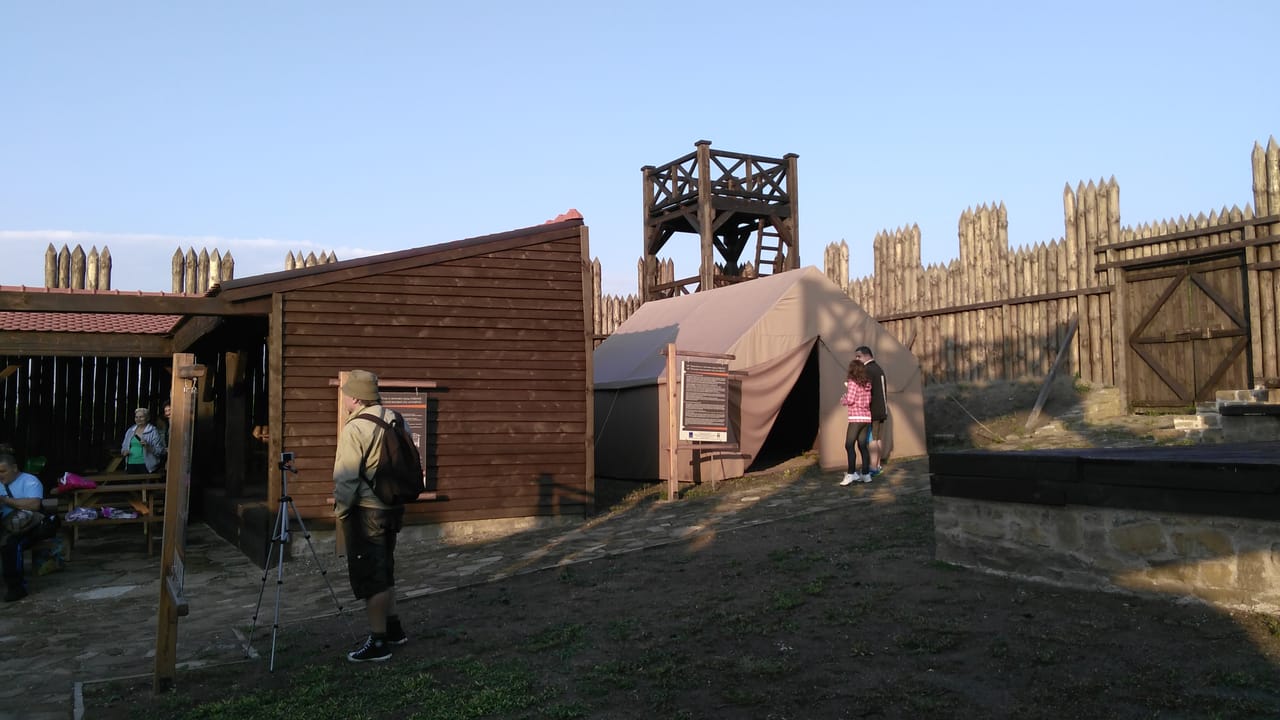
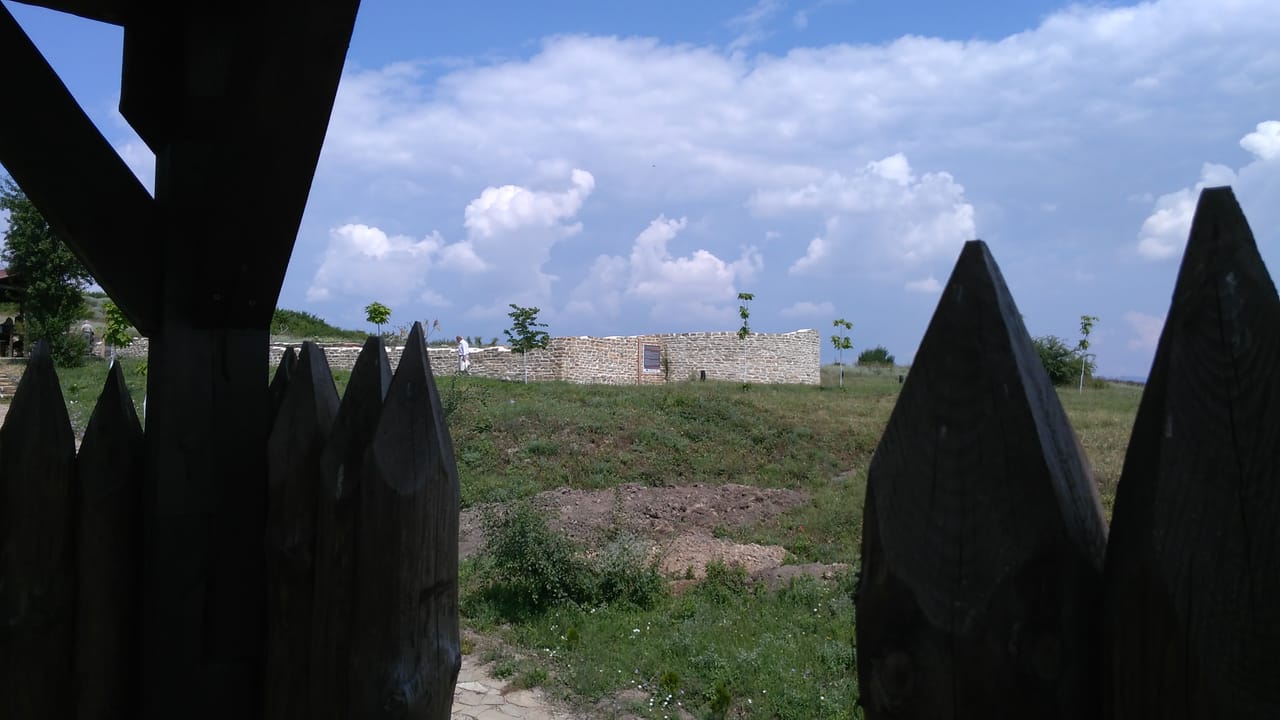
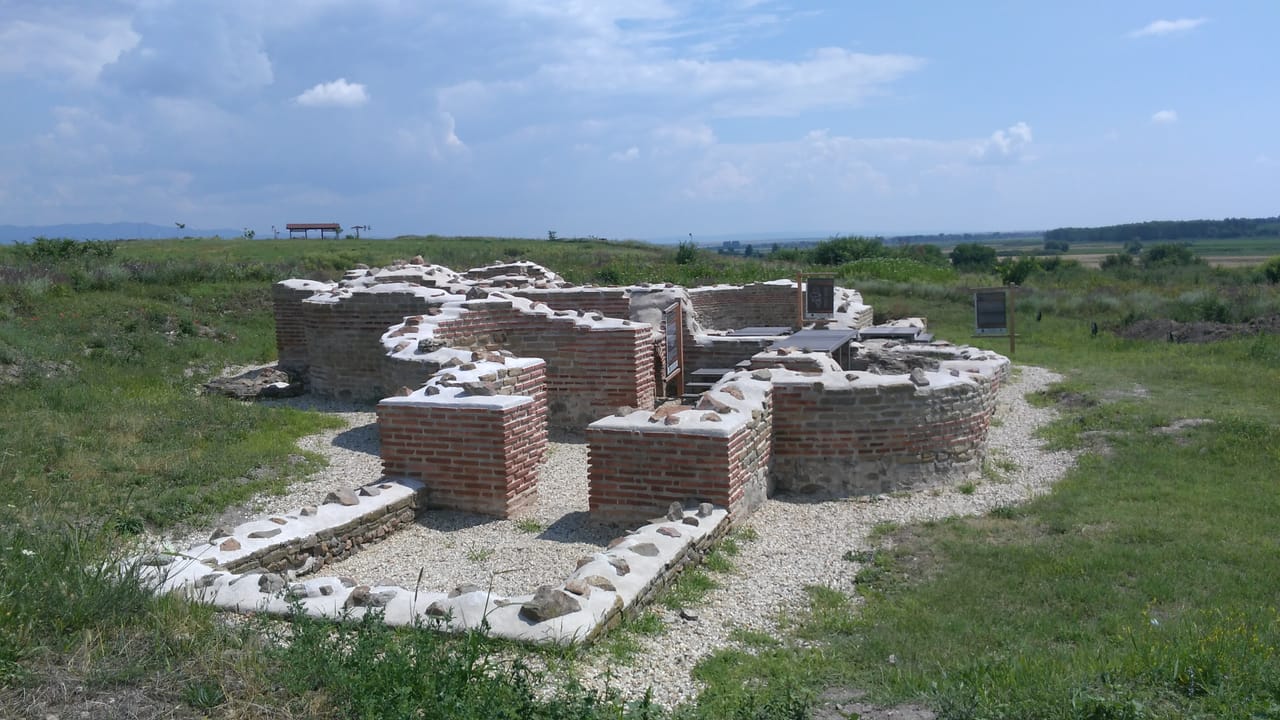
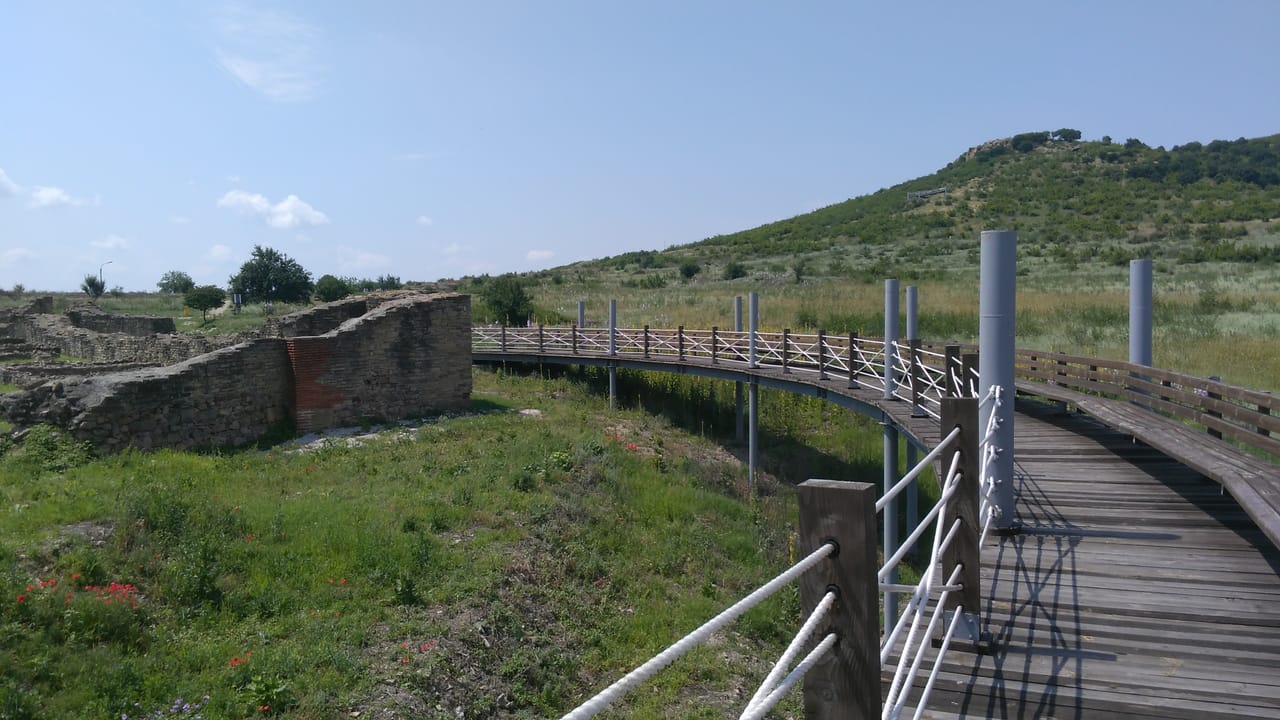
The Kabile Archaeological Reserve was established in 1965 on a territory of 650 decares (160 acres). It features ancient structures such as the agora (a central square), Roman barracks, Roman thermae, a bishop’s basilica, among others. Kabile is excavated every year by archaeological teams from Bulgaria and abroad.

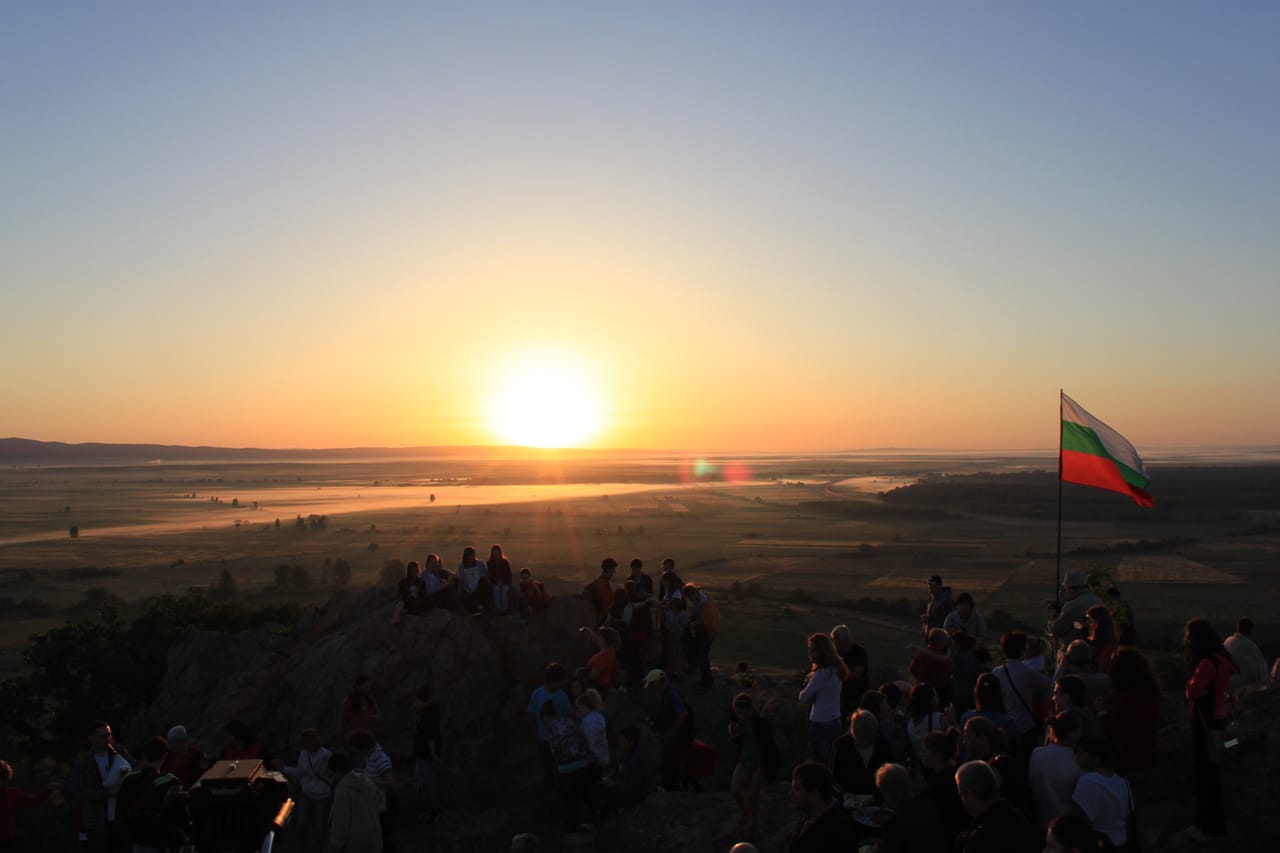
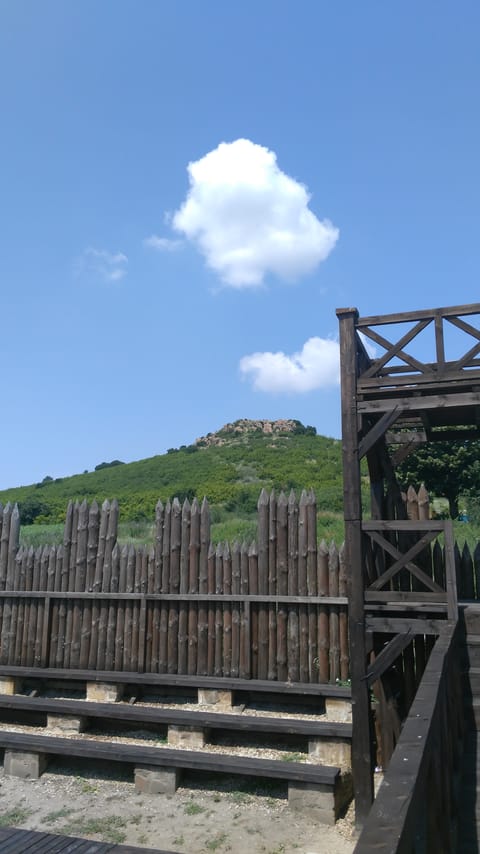
It’s also an important spiritual sight with a lot of energetic stones at the top - Rabbit’s peak. It’s worth taking the trek up there and experience it.

Our e-guide with all information will lead and show you absolutely everything. Enjoy! 

Highlights

  • Ancient acropolis with carved rock relief of goddess Cybele
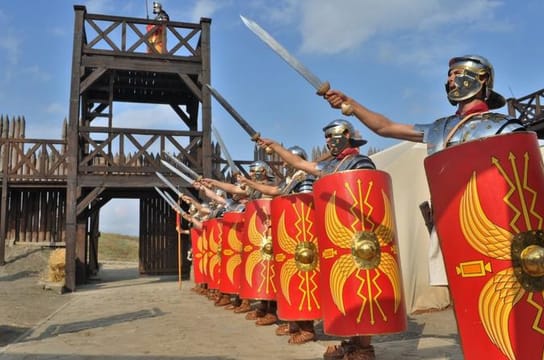
  • Remains of Roman barracks, bathhouses, and administrative buildings
  • Agora (central marketplace) layout revealing urban planning
  • Scenic hiking to Rabbit's Peak with panoramic views
  • Ongoing archaeological excavations across 160-acre reserve
  • Spiritual significance and energetic stone formations at summit

Insider tips

  • Climb to Rabbit's Peak early morning for fewer crowds and cooler temperatures; the ascent offers the best perspectives on the fortress layout and surrounding landscape
  • Bring water and sturdy walking shoes—terrain is uneven and exposed in places; the site requires active exploration rather than passive viewing
  • Visit during spring (April–May) or autumn (September–October) when temperatures are moderate and visibility is clearest for photography
  • Check for ongoing excavation activity; new findings are sometimes on display and archaeologists occasionally provide informal explanations

Good to know

  • Ticket price from EUR 9 includes access to the 650-decare archaeological reserve
  • No shaded rest areas or facilities on-site; bring sun protection, water, and snacks
  • Steep paths and uneven terrain make this unsuitable for wheelchairs or those with mobility limitations
  • Allow 2–3 hours minimum for a meaningful visit; 4+ hours if hiking to Rabbit's Peak and exploring all excavated structures
  • Located near Yambol city; arrange own transport or join guided tour for logistics

Who it's for

History enthusiasts and archaeology buffs interested in Ancient Thrace and Roman frontier lifeActive travelers who enjoy hiking and exploring ruins on footCultural and spiritual seekers drawn to sacred sites and ancient energy vortexesPhotography-focused visitors seeking dramatic landscape and historical backdrop shots

Best time to visit

Spring (April–May) and autumn (September–October) offer pleasant temperatures and excellent visibility for exploring the ruins and hiking. Avoid summer heat and winter muddy conditions; early morning visits provide optimal lighting and fewer crowds.

Frequently asked questions

Available
From€9
per person