Palermo3h
Palerme No Mafia Tour
4.9(75)
From€34.00
/ person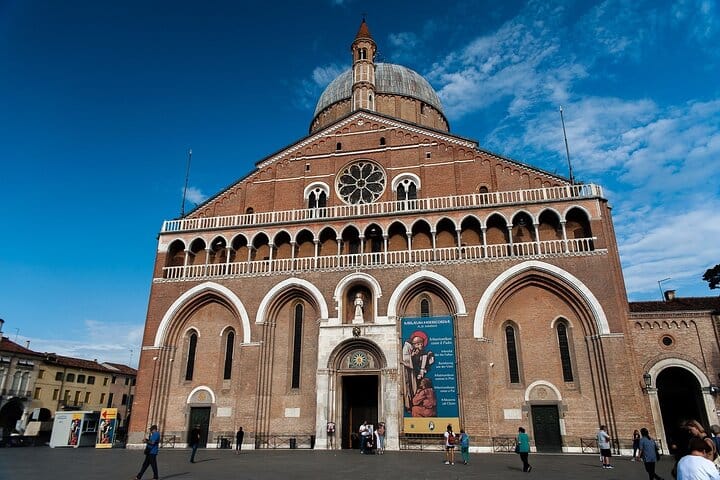
 1 / 3
1 / 3Explore Padua's rich medieval and Renaissance heritage with a private guide who reveals why this overlooked gem rivaled Venice and Verona for centuries. In just two hours, discover the authentic Italian city that attracts a fraction of Venice's crowds while preserving centuries of art, architecture, and intellectual history.
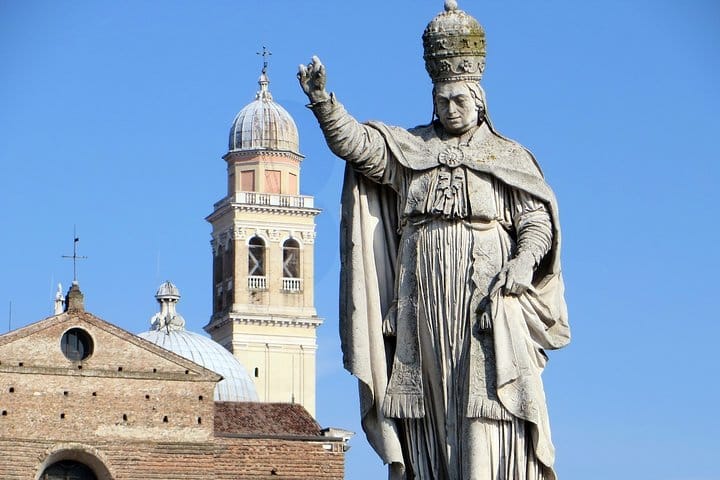
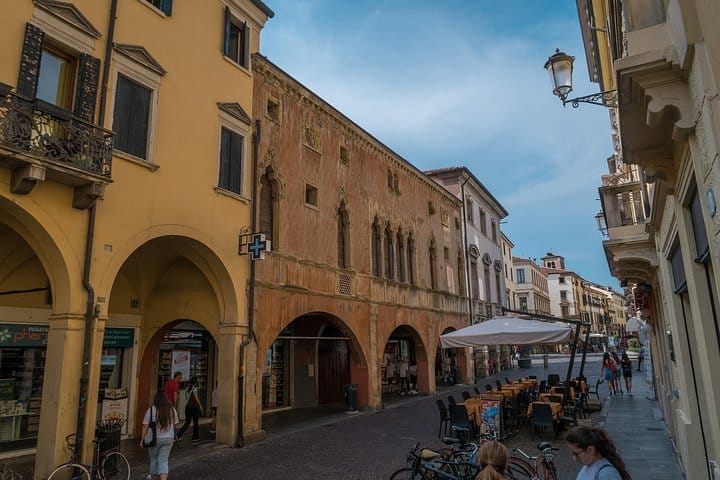
Being in the shadows of Venice has its ups and downs. The disadvantage is that Padua sometimes gets ignored. On the flip side, that means that its visitors can enjoy a nice and quiet visit without the hustle and bustle from its famous neighbor. Although only an hour away from Venice, Padua seems a world apart with its medieval marketplaces, fascist era buildings and Italy’s second oldest University. Not to forget that it is also the resting place of Saint Anthony, the patron saint of the illiterate, the poor, the finder of lost things, and of blessed weddings. Be sure not to get lost and walk in the footsteps of Galileo, Giotto, St. Anthony or Titian and discover why this city challenged both Venice and Verona for regional hegemony.
Visit October–November or April–May for mild weather and fewer tourists. Morning tours (8–10am) are ideal to avoid crowds and heat, and to see the markets in full activity.
Top-rated, great-value activities in Padua