Madrid5h 30m
Toledo Private Half Day Tour Cathedral Santo Tome and Synagoge
4.2(5)
From€875.00
/ group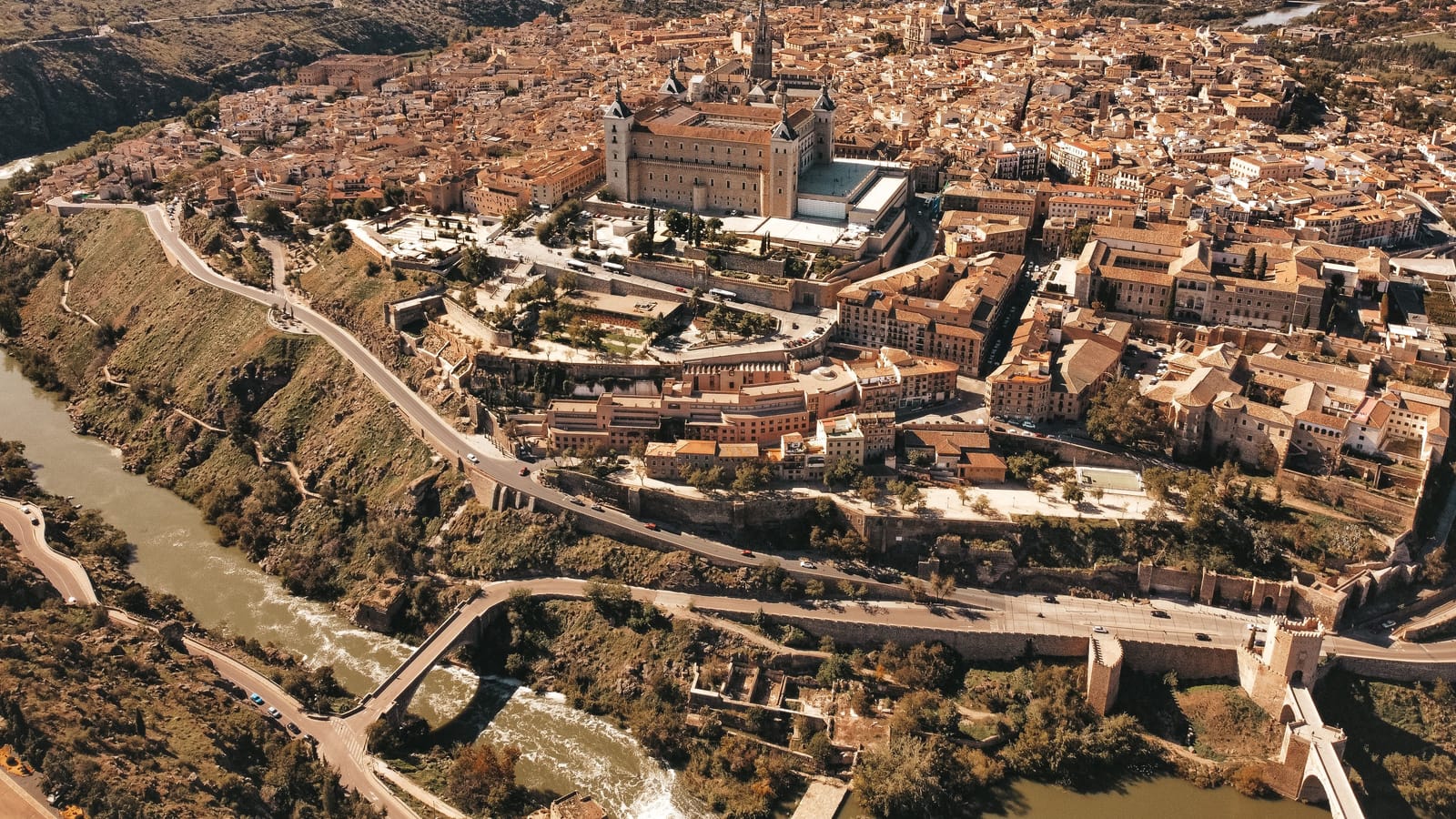
18+ tours, tickets and activities at Toledo in Madrid. Book with instant confirmation, free cancellation and our lowest price guarantee.
 Top Deal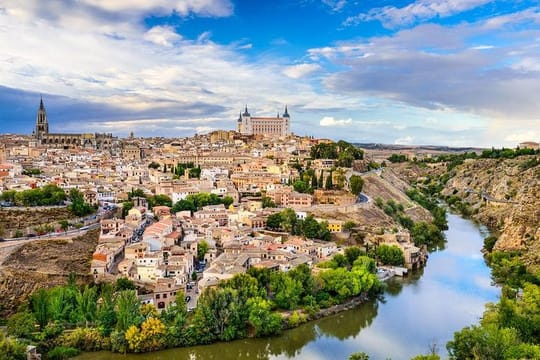
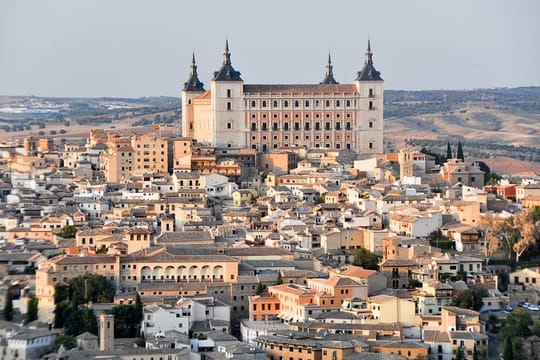
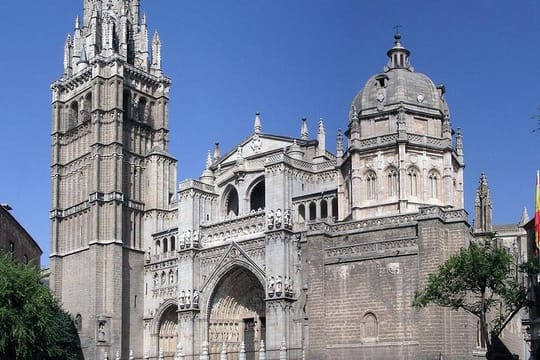
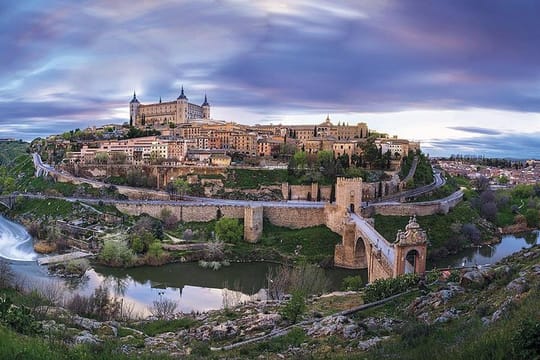
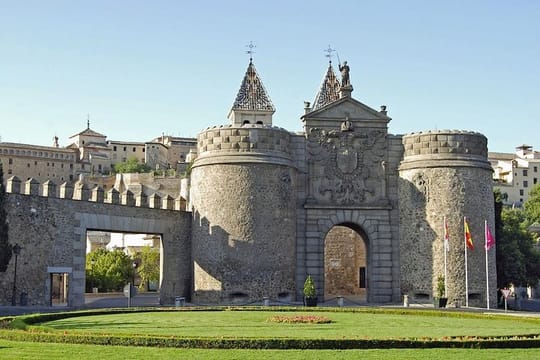
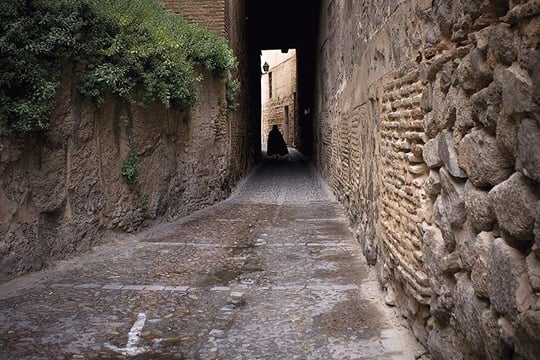
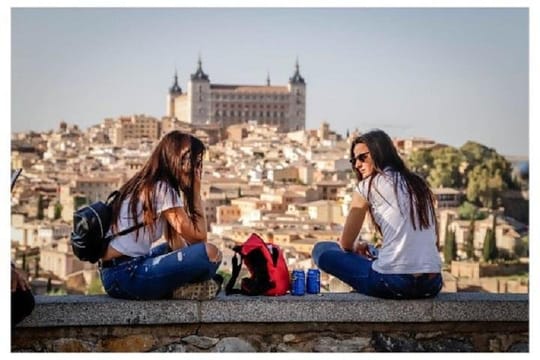
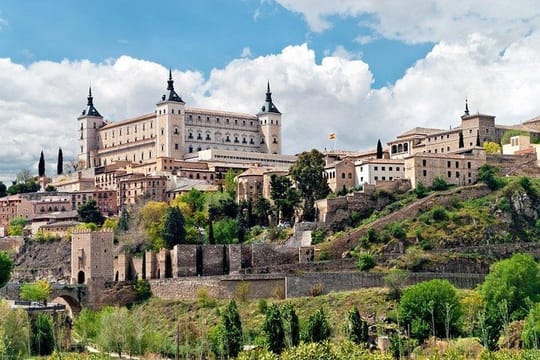
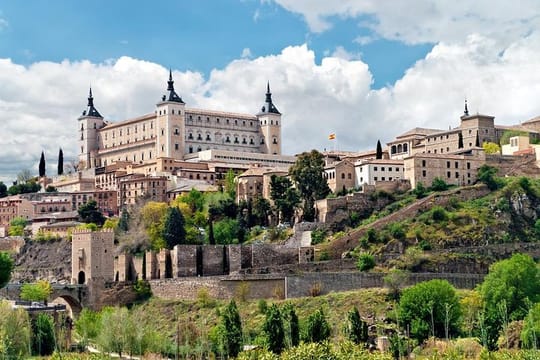
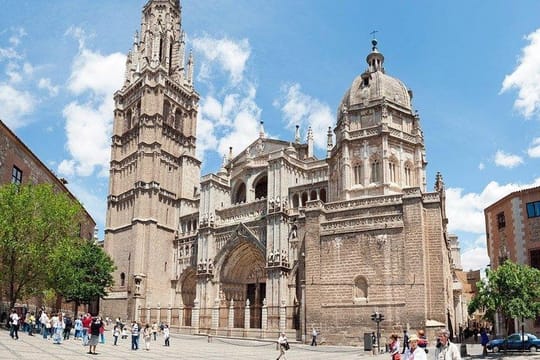
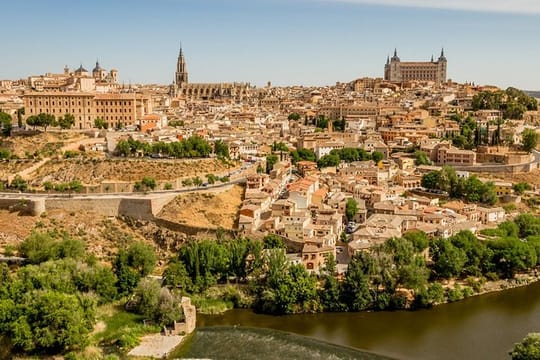
Toledo sits on a peninsula surrounded on three sides by the Tagus River, creating a natural fortress that made it Spain's capital until 1561.
The city was a major centre of coexistence between Christian, Muslim, and Jewish communities for centuries, earning it the nickname 'City of Three Cultures'.
El Greco, the renowned Renaissance painter, spent most of his career in Toledo and many of his masterpieces still hang in the city's museums and churches.
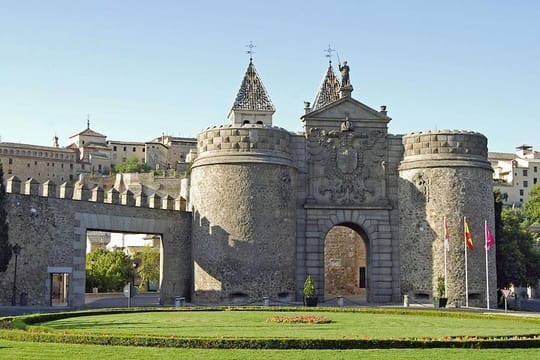
Toledo's entire Old Town is a UNESCO World Heritage Site, with medieval streets so narrow that cars are banned from the historic centre.
The city appears in Cervantes' *Don Quixote* and has inspired countless artists, writers, and filmmakers throughout history.
Toledo's damascene craft—inlaying gold, silver, and copper into steel—has been practised there since the 15th century and remains a living tradition.