Puno9h
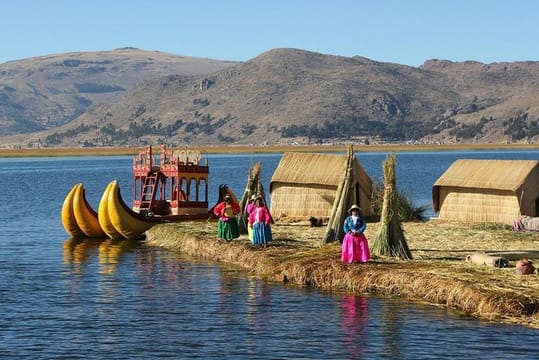
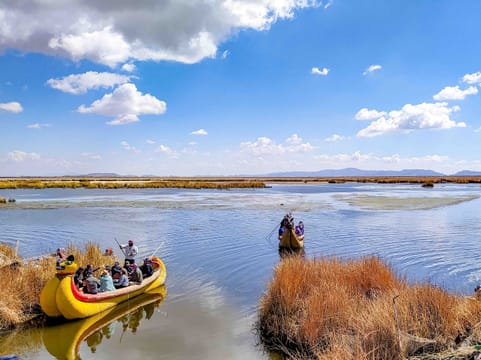
Uros & Taquile Islands Full Day Tour with lunch
4.2(5)
From€43.25€43.16
/ person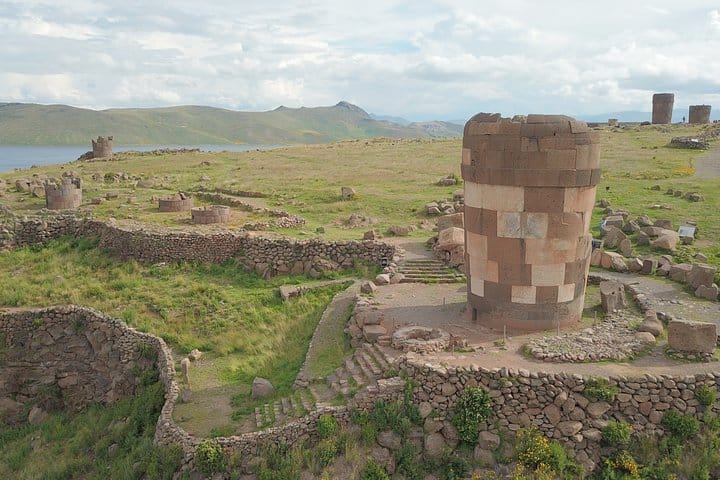
 1 / 6
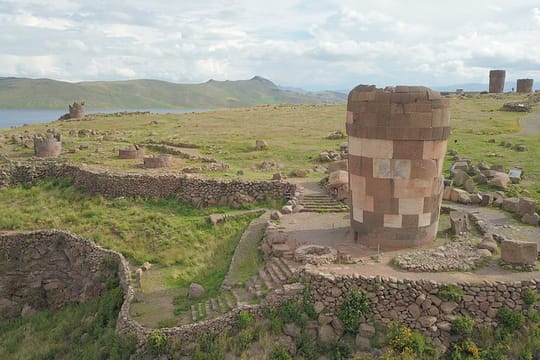
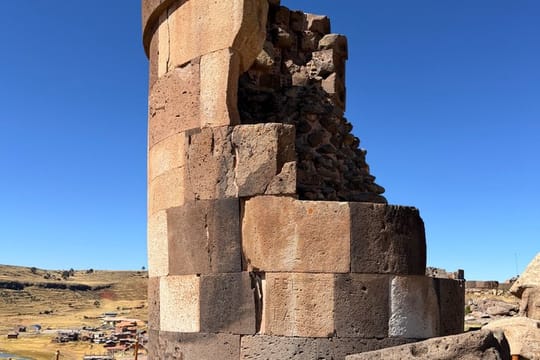
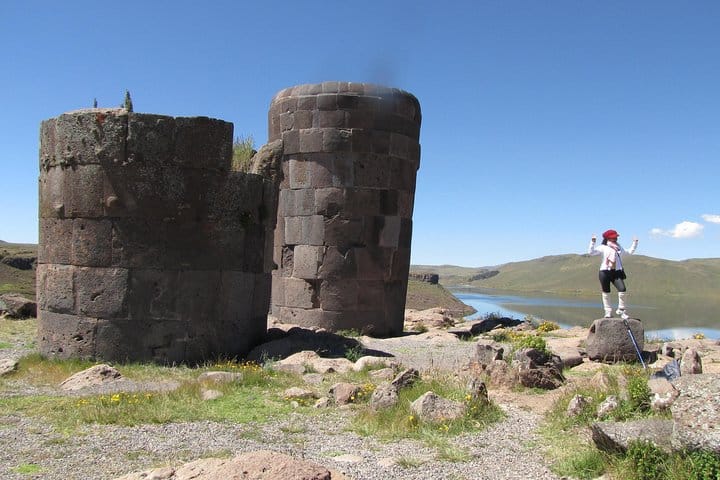
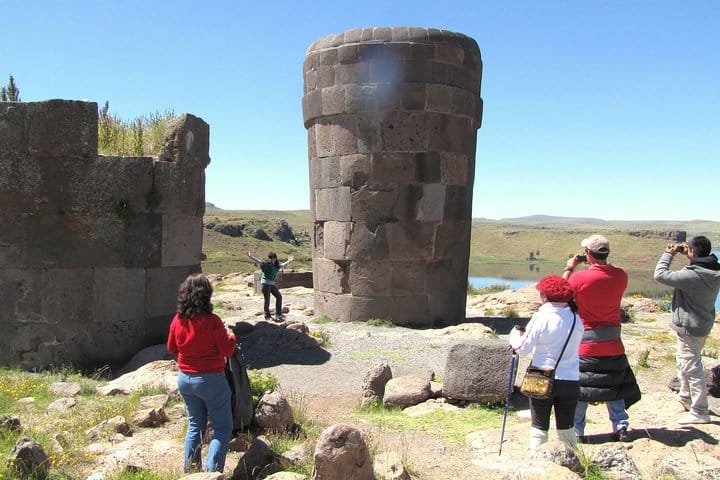
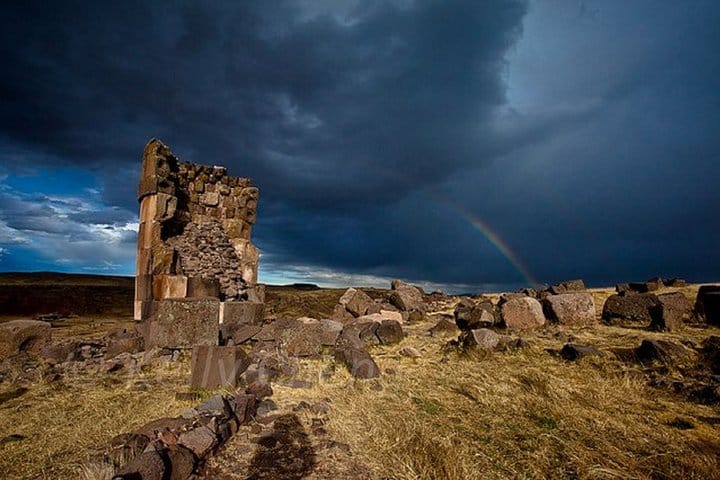
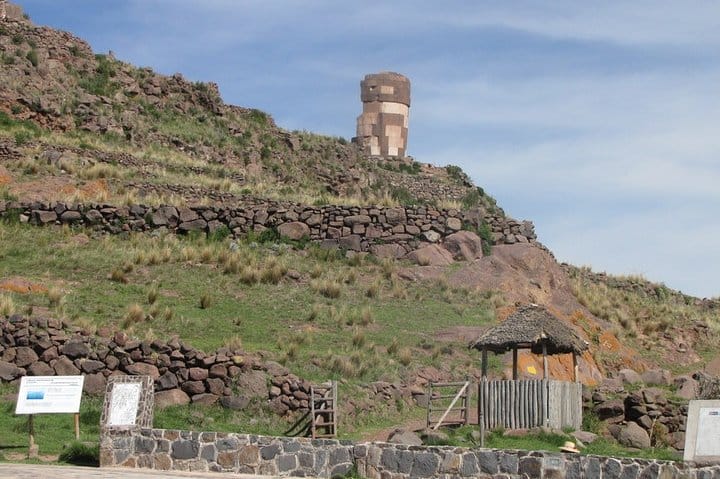
1 / 6Explore Sillustani, Peru's most significant pre-Inca burial site, where ancient stone chullpas (funerary towers) rise dramatically against the backdrop of a glacial lake near Puno. This 3-hour excursion reveals how the Aymara and Quechua civilizations honoured their dead, with over 4,000 individuals interred across this haunting archaeological landscape.
Discover the wonders of Puno visiting the mysterious funerary towers, or also known as Chullpas of Sillustani. Surrounded by funerary towers and a beautiful lake, Sillustani is the most important pre-Inca cemetery in Peru, where they buried more than 4 thousand people.
If at the end of your visit to Puno, you did not have time to know this fantastic site, you can do it by taking advantage of the way to the airport of Juliaca.
Visit May–September (dry season) for clear skies and stable weather. Early morning (6–8am) or late afternoon (3–5pm) minimises crowds and provides the best photography light across the towers and lake.
Top-rated, great-value activities in Puno