The vineyards of the Coteaux d'Aix-en-Provence and the Sainte-Victoire Mountain 1
The vineyards of the Coteaux d'Aix-en-Provence and the Sainte-Victoire Mountain 2
The vineyards of the Coteaux d'Aix-en-Provence and the Sainte-Victoire Mountain 3
The vineyards of the Coteaux d'Aix-en-Provence and the Sainte-Victoire Mountain 4
The vineyards of the Coteaux d'Aix-en-Provence and the Sainte-Victoire Mountain 5
The vineyards of the Coteaux d'Aix-en-Provence and the Sainte-Victoire Mountain 6
The vineyards of the Coteaux d'Aix-en-Provence and the Sainte-Victoire Mountain 7
The vineyards of the Coteaux d'Aix-en-Provence and the Sainte-Victoire Mountain 8
The vineyards of the Coteaux d'Aix-en-Provence and the Sainte-Victoire Mountain 9
The vineyards of the Coteaux d'Aix-en-Provence and the Sainte-Victoire Mountain 10
1 / 10

The vineyards of the Coteaux d'Aix-en-Provence and the Sainte-Victoire Mountain

(3)
Marseille, France
Private Round TripsArts & CultureAttractionsCultural ToursPhotography Tours
Instant confirmationSecure checkoutNo hidden fees

About this activity

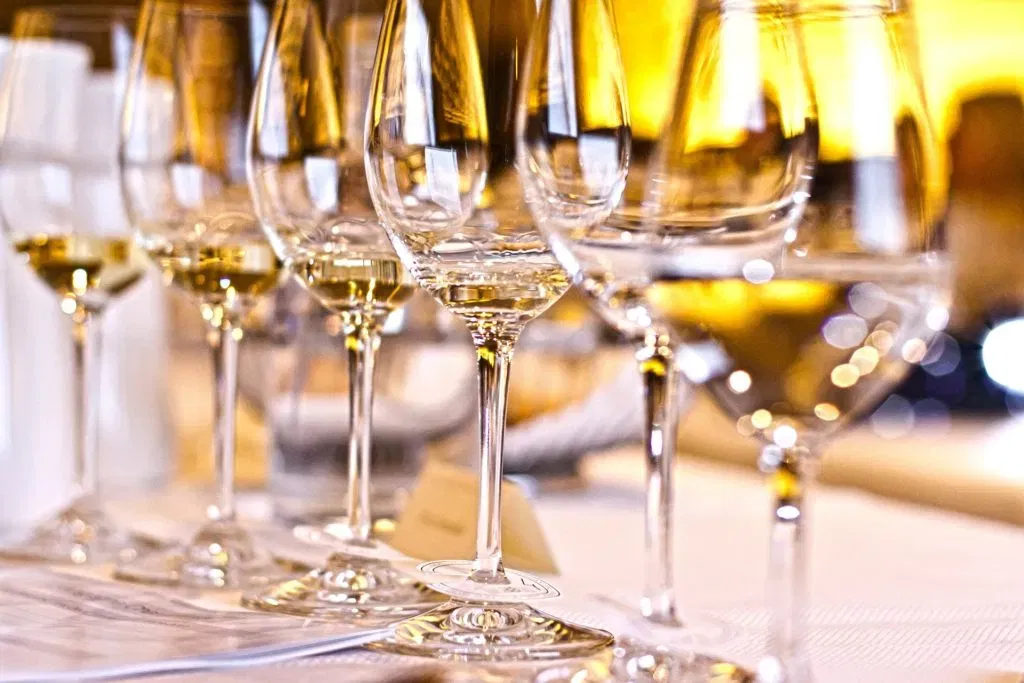
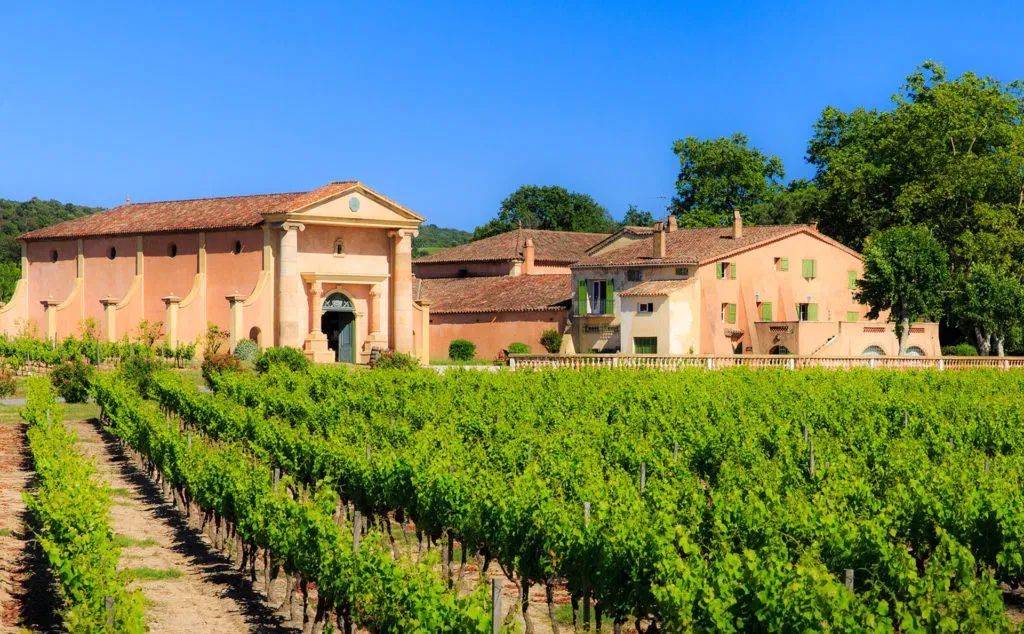
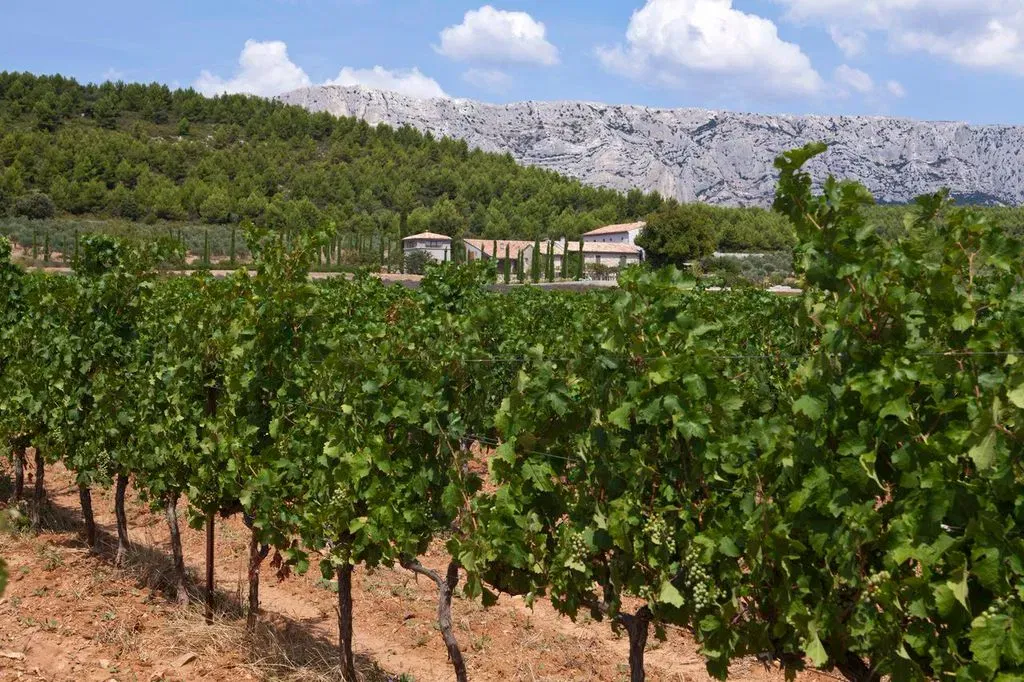
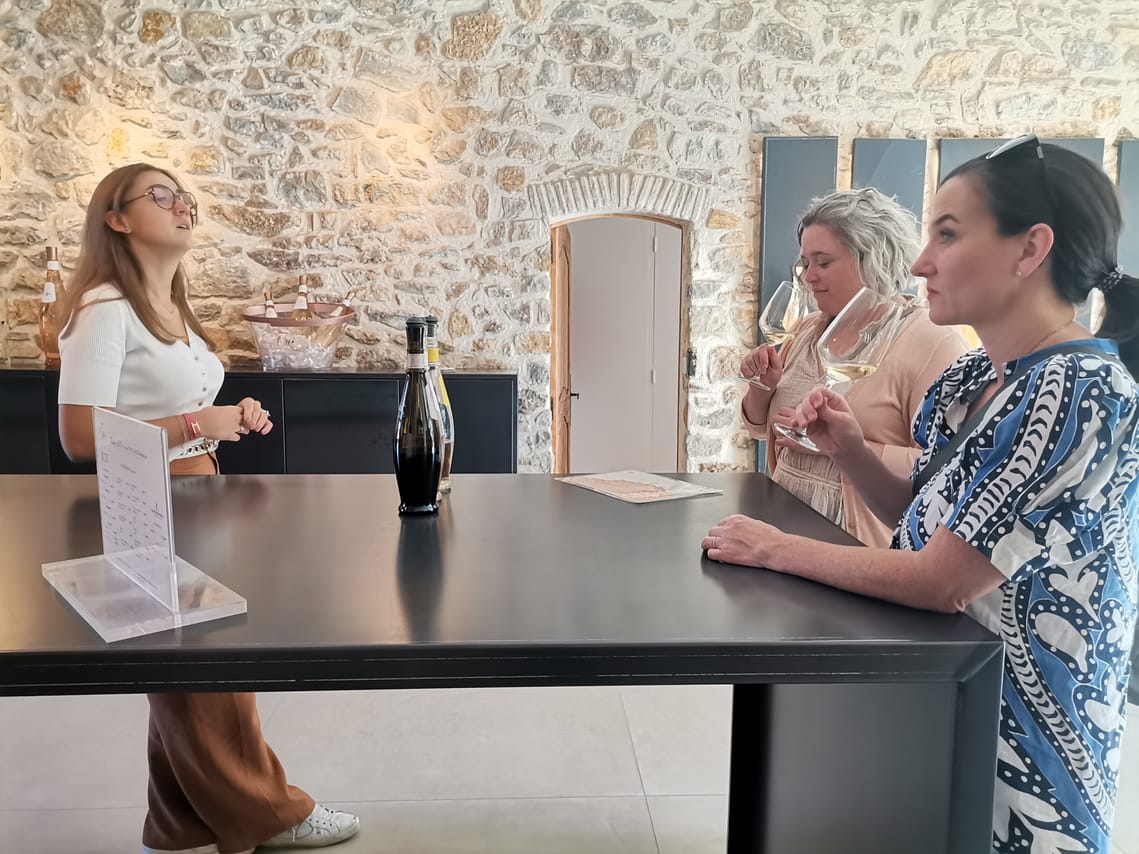
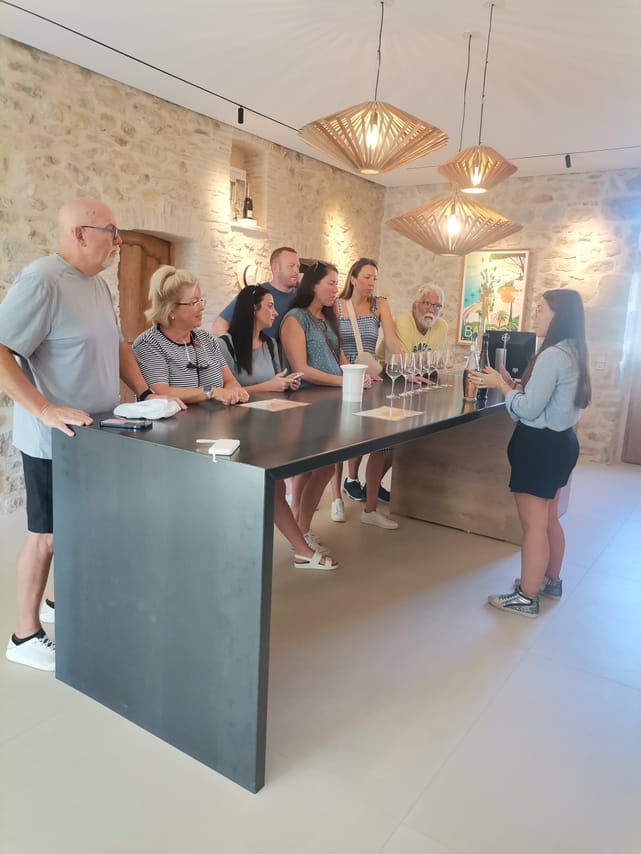
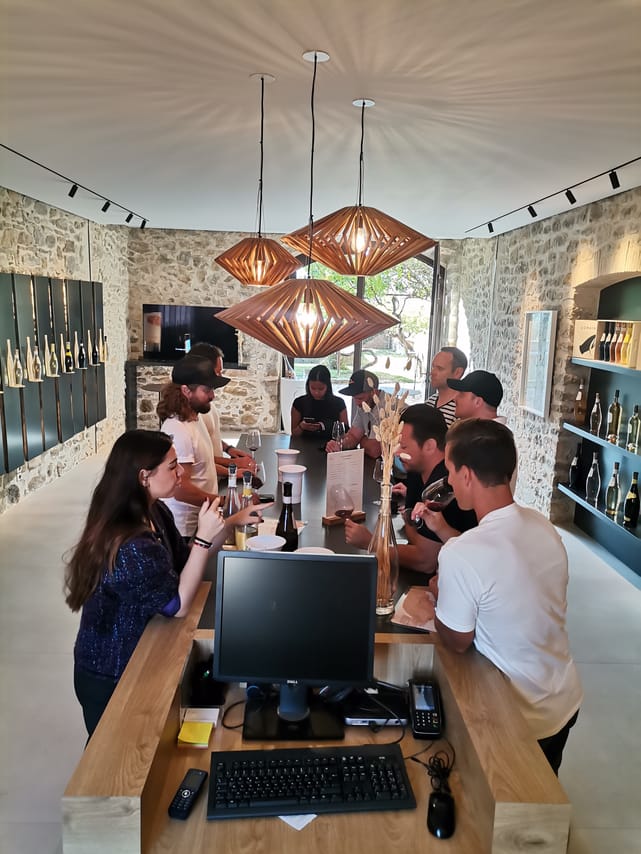
Explore the rolling vineyards of Coteaux d'Aix-en-Provence nestled between Montagne Sainte-Victoire and the Sainte-Baume massif, visiting 3–5 family-run wineries for guided tastings of crisp whites, delicate rosés, and structured reds. This 8-hour private tour combines wine education with authentic Provençal cuisine and mountain scenery just an hour from Marseille.

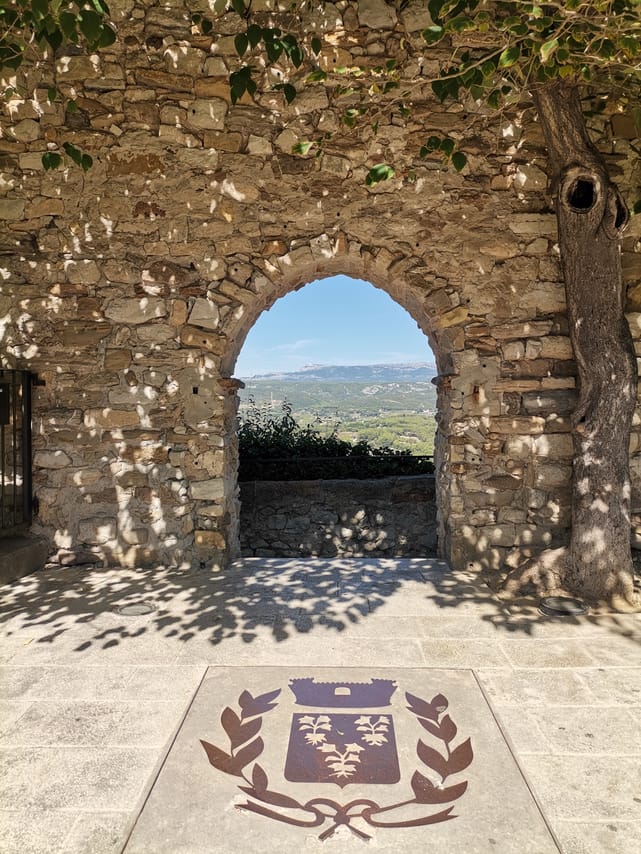
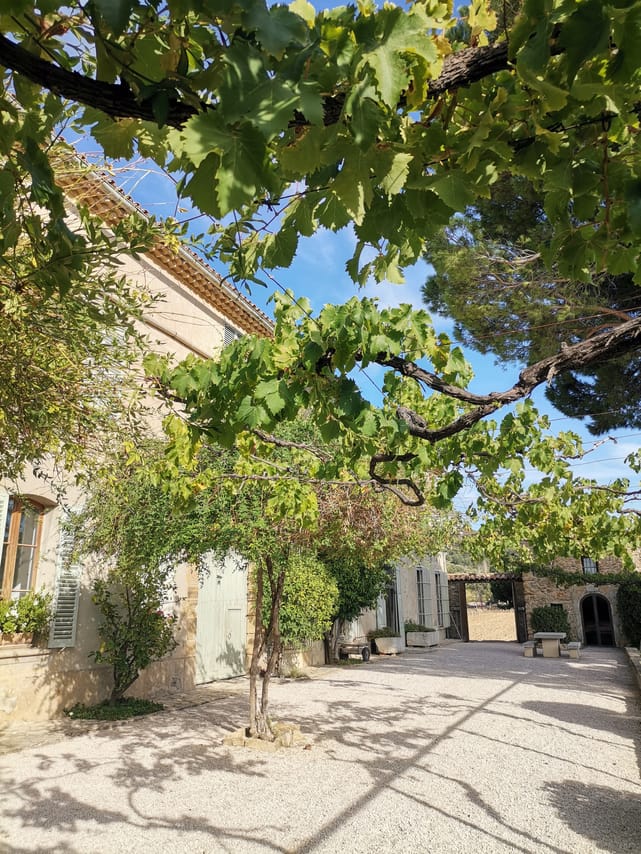
One (1) hour from Marseille and Toulon, 40 mn from Aix en Provence, we’ll discover the villages on the slopes of Montagne St. Victoire. There are between 3 to 5 wineries to visit and 10 to 20 wines to taste. We will also have lunch in a typical Provençal restaurant.

About the region

Soil :

- Varied, with grey and red clay to shallow limestone pebbles.

Location :    

- East of Aix-en-Provence, Vallée de l’arc is a natural spot for vine cultivation. Montagne St. Victoire to the north and the massif Sainte-Baume to the south form a protective corridor for the valley.

Climate :

- Mediterranean – influenced climate. Marked by the drying action of the Mistral wind.

Description wine

- Whites. The colors range from pale to brilliant yellows with green reflections. The nose is floral (fennel, acacia, broom), fruity (citrus, lemon, grapefruit), or balsamic (resin). The mouth sensation is structured, a bit sharp with a fresh finish.

- Rosés. A wide ranging palette from pale and salmon pinks to bright orange. The nose reflects a mosaic of climates and soils: Fruity, floral (thyme, dill, lime), vegetable (mint, tobacco), empyreumatic (flint), balsamic (pine bark). The mouth finish is fresh but not sharp. Melted but not hot. Round, soft and structured but not astringent.

- Reds. Rich reds, purple hues. The nose is fruity (red fruits) or vegetable (laurel, rosemary, tobacco) progressing to black fruit with spicy notes. (licorice, cinnamon) or animal (fur, venison).

We offer you two options for the duration of the visit, either 4 hours or 8 hours. Choose!

Highlights

  • Tastings across 10–20 regional wines at multiple estates
  • Montagne Sainte-Victoire mountain landscape views
  • Traditional three-course lunch in a local Provençal restaurant
  • Small-group or private access to working vineyard villages
  • Mediterranean terroir explained: soil, climate, and Mistral wind influence
  • Learn the regional style: aromatic whites, salmon rosés, and fruit-forward reds

Insider tips

  • The Mistral wind shapes the wines' character—ask producers how it dries grapes and intensifies flavors; it also keeps the region cool and disease-free.
  • Arrive thirsty but pace yourself: 10–20 wines across the day means small pours; spit or leave wine in the glass without guilt.
  • Peak harvest season (September–October) offers vineyard energy and possible cellar activity; spring (April–May) brings wildflowers and fewer crowds.
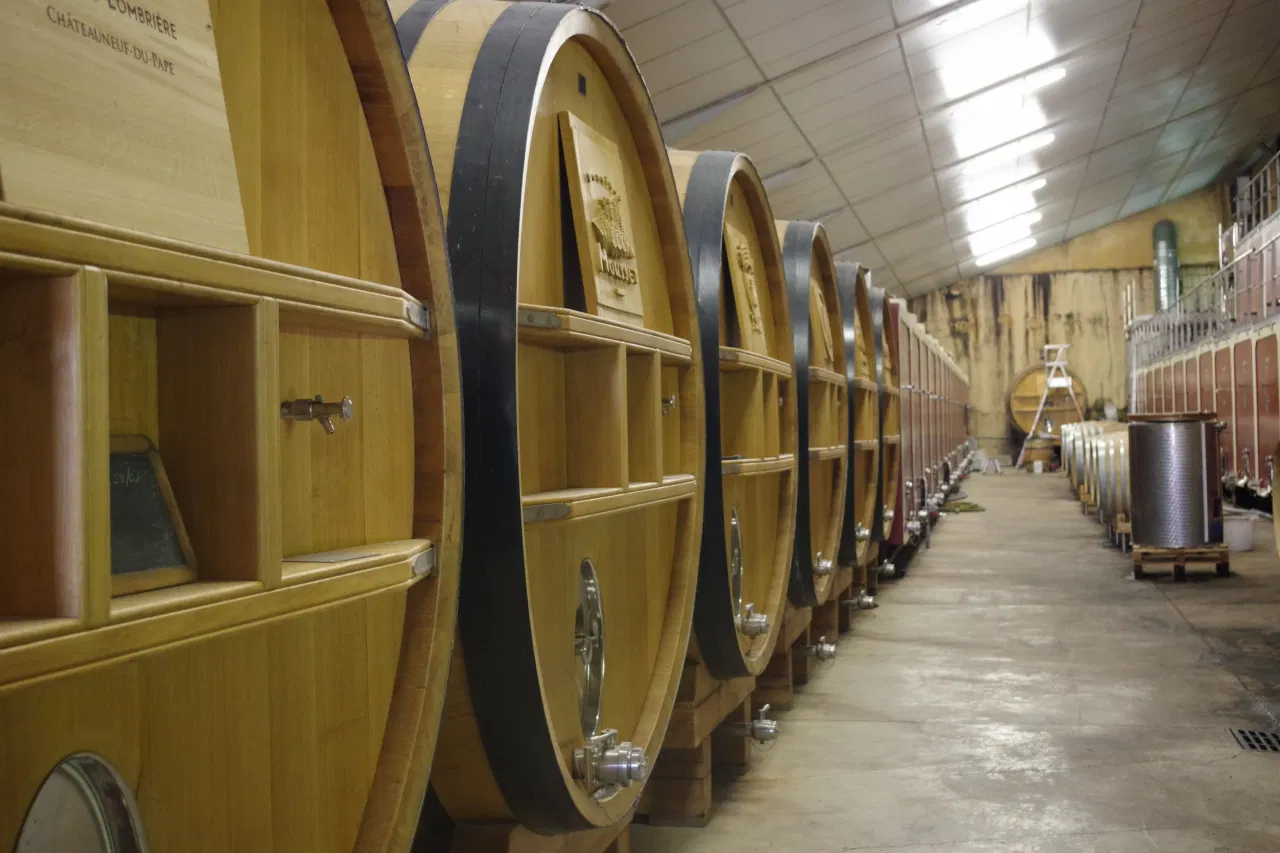
  • Request a winery with a cellar tour if you book ahead; some estates offer barrel rooms or traditional gravity-fed production methods.

Good to know

  • Private round-trip transport from Marseille or Aix-en-Provence is included; confirm pickup location when booking.
  • Lunch is included at a traditional restaurant; notify operator of dietary restrictions in advance.
  • Wear comfortable walking shoes for uneven vineyard paths and stone village streets.
  • Bring a light jacket or shawl; the Mistral can be brisk, especially on exposed slopes.
  • Most wineries are accessible by car; confirm mobility needs if required.

Who it's for

Wine enthusiasts and sommeliers seeking education on Provence's lesser-known appellationsFood and culture travelers wanting farm-to-table meals with local contextPhotography lovers drawn to mountain views, golden-hour vineyards, and stone villagesCouples or small groups seeking a private, curated day outside Marseille's city centre

Best time to visit

Visit April–May (spring flowers, mild temperatures, fewer tourists) or September–October (harvest activity, ripe fruit on vines). Avoid July–August heat and peak summer crowds. Morning departures allow unhurried tastings before lunch.

Frequently asked questions

Available
From€750
per person