Arequipa14h
Full Day Colca Canyon Tour
4.6(5)
From€46.91€46.29
/ person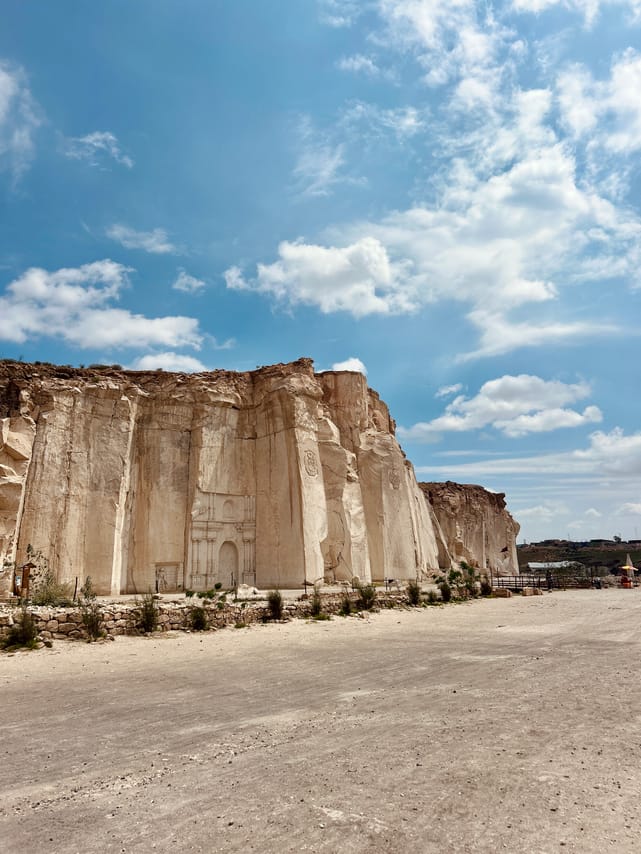
 1 / 10
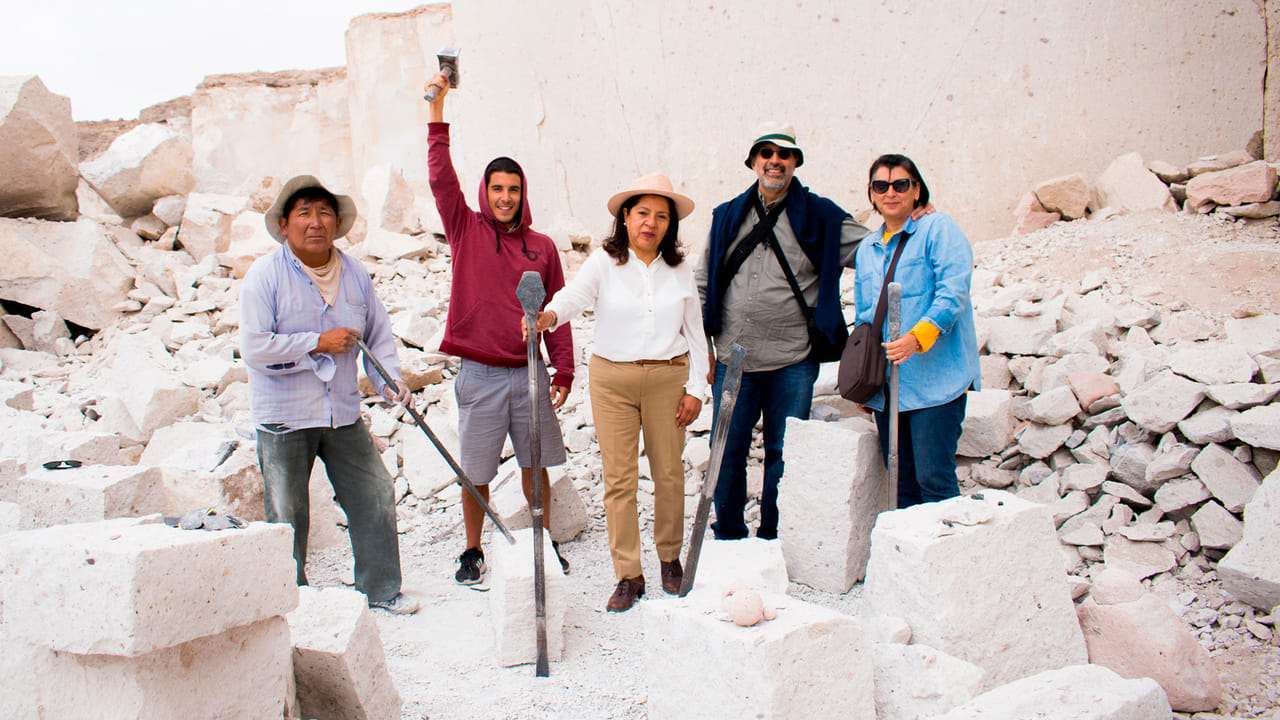
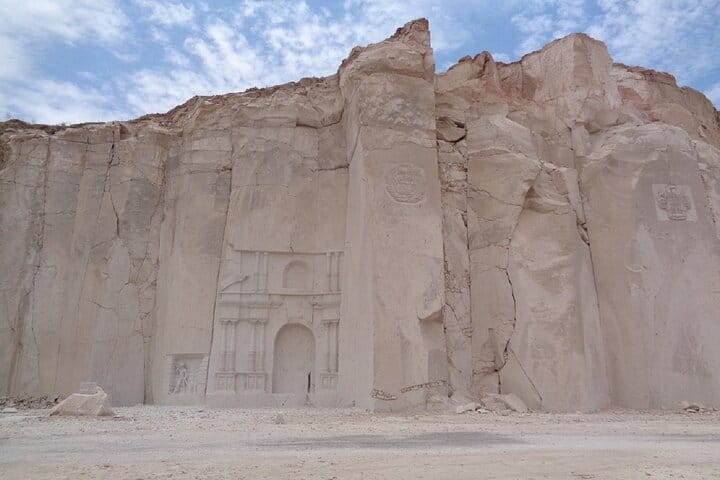
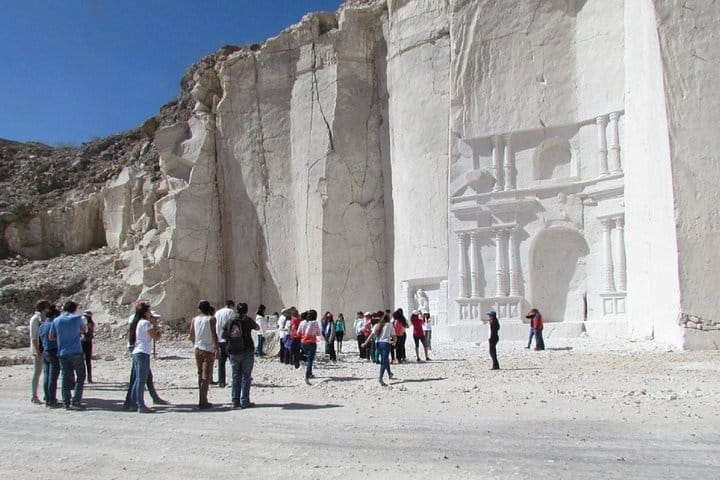
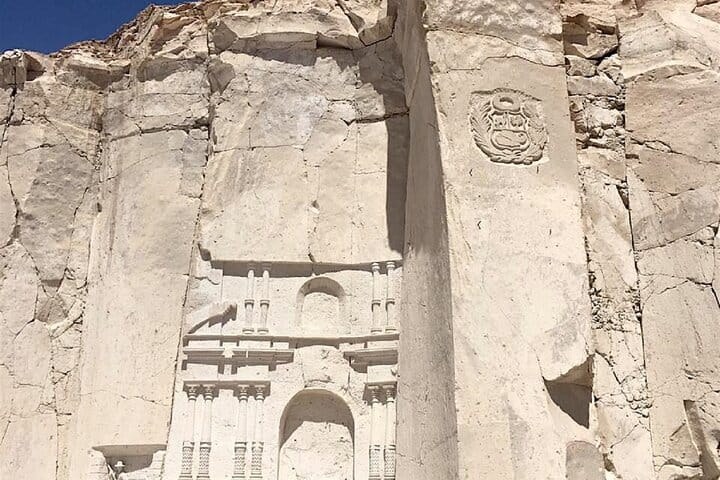
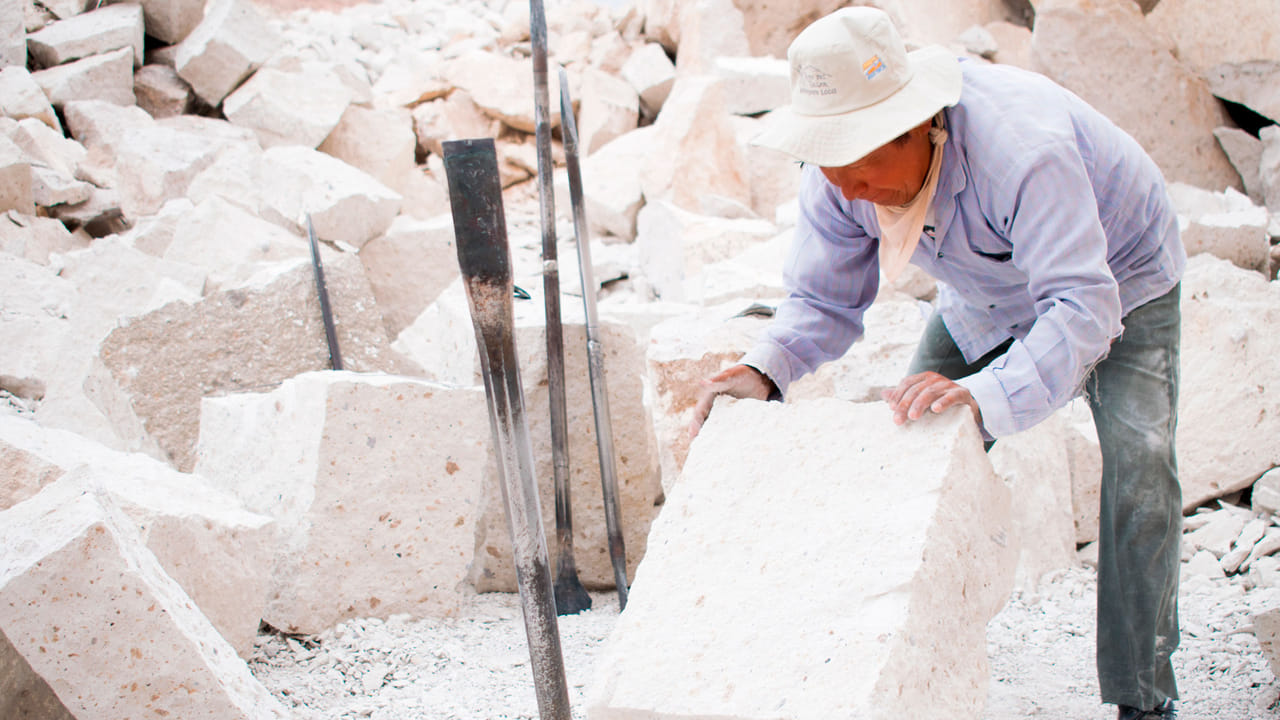
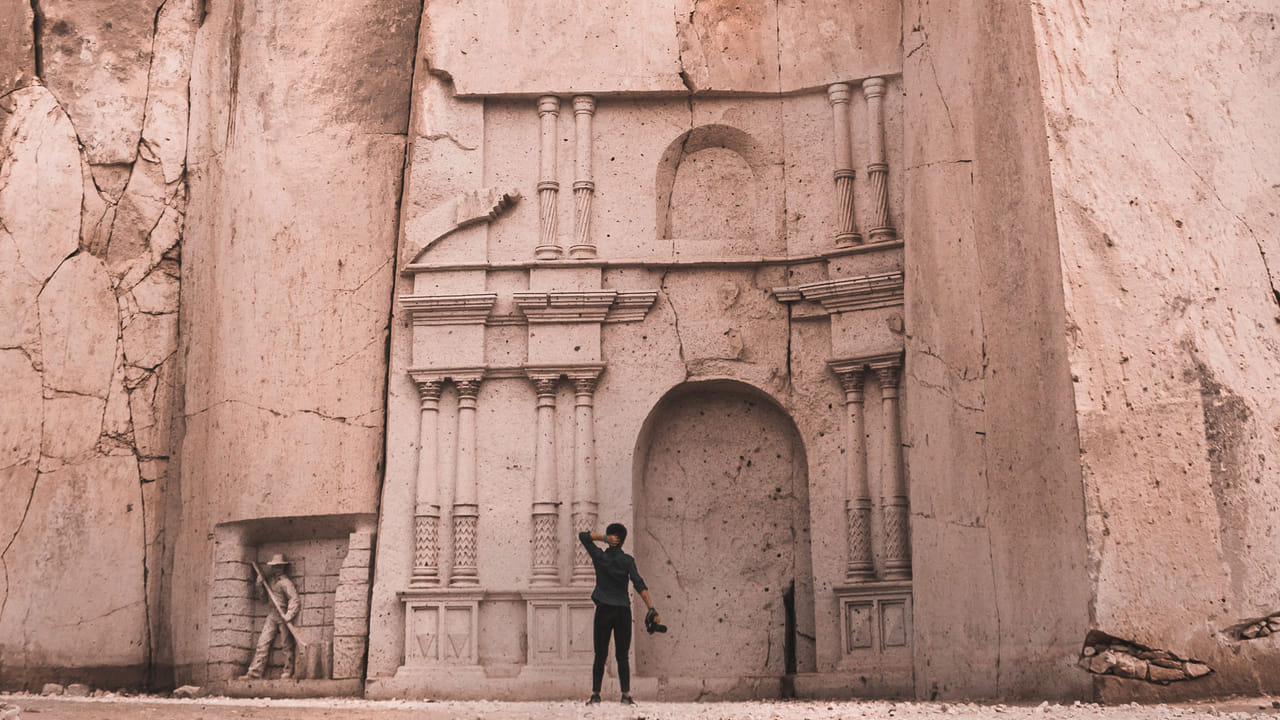
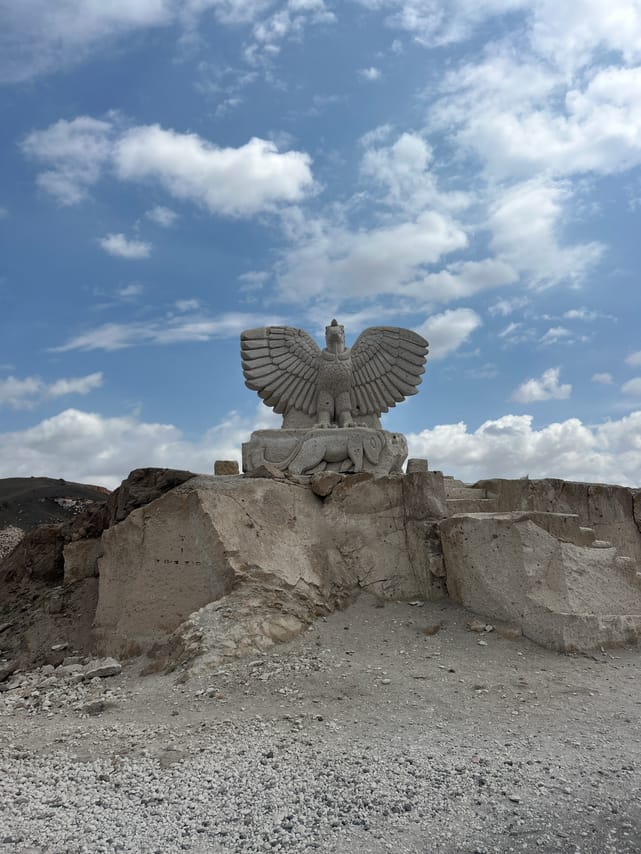
Explore the volcanic quarries and artisan workshops that have supplied the iconic white sillar stone to Arequipa's colonial architecture for centuries. This 4-hour route takes you beyond the city to meet master stonemasons and witness how this distinctive material shapes the 'White City's' UNESCO heritage.
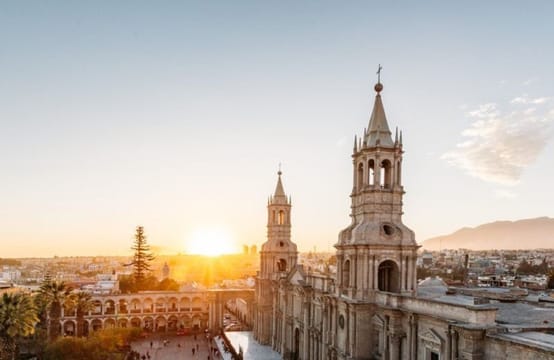
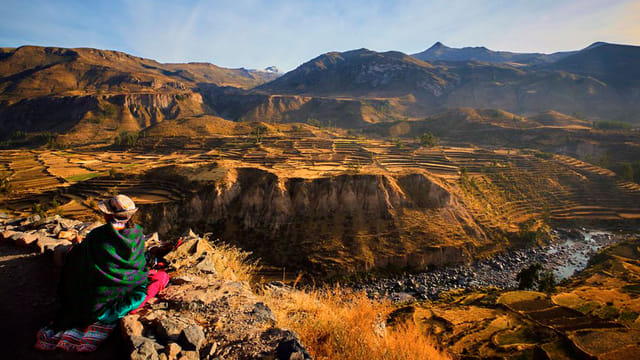
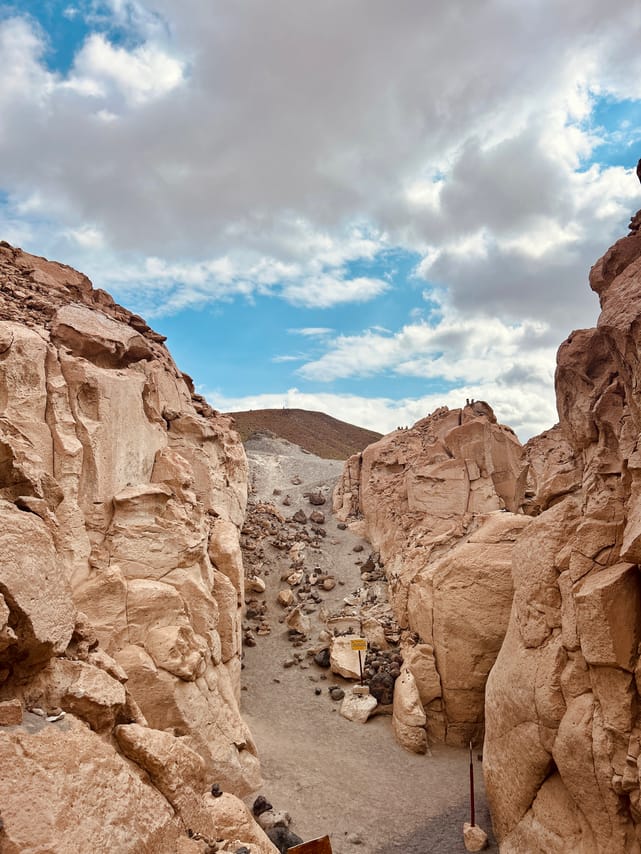
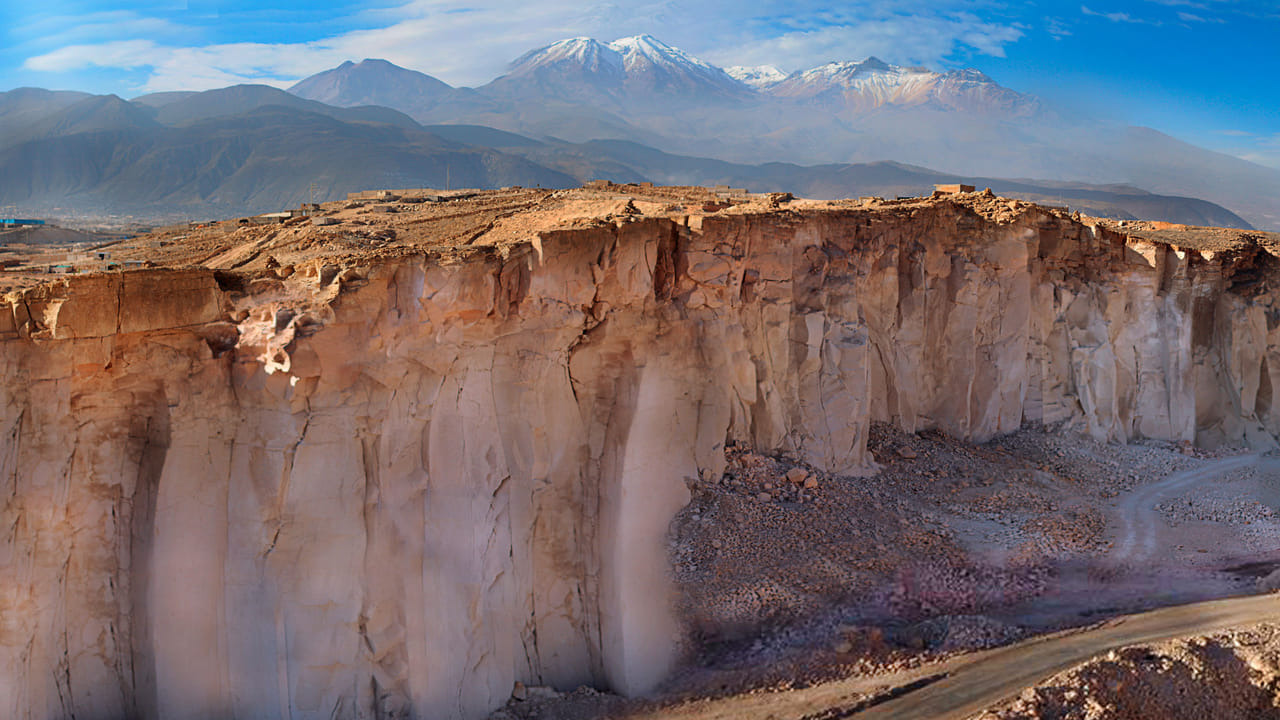
The Sillar Route Day Tour is a fantastic opportunity to know where the sillar comes from, and is the main material of monuments, temples and mansions of Arequipa city, also known as the White City. We will visit impressive streams, admiring unique desert landscapes, and we will have the opportunity to see how the expert masters process this material of volcanic nature. Do not miss the opportunity to take a different tour!
Visit in the dry season (May–September) for clear skies and comfortable temperatures. Early morning departures offer the best light for photography and cooler conditions in the open quarries.
Based on 5 ratings
Top-rated, great-value activities in Arequipa