Rome12h
Dan Brown Inferno tour in Florence - Daytrip from Rome
4.3(3)
From€35.00
/ person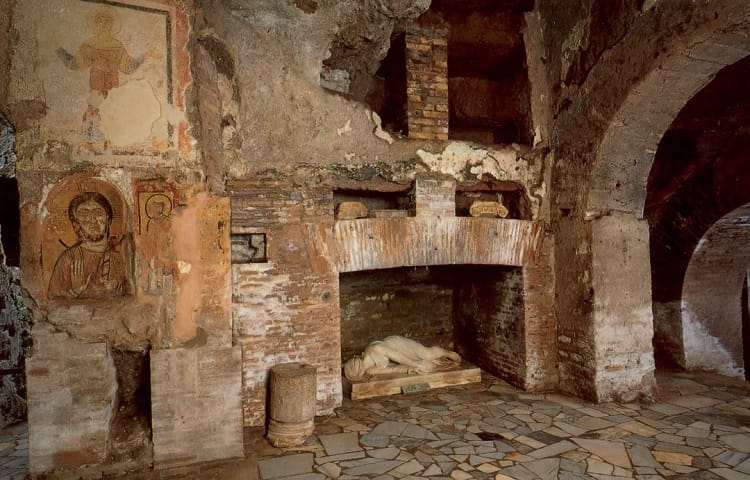
 1 / 7
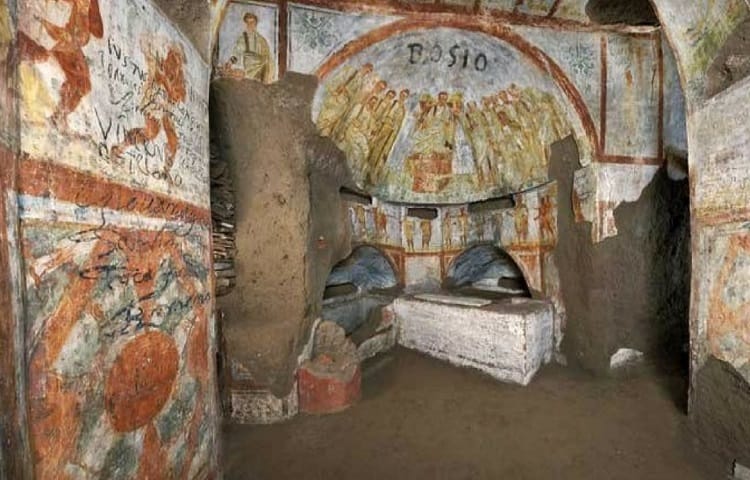
1 / 7Descend into Rome's vast network of underground catacombs—ancient burial chambers carved beneath the city streets where early Christians, slaves, and nobles were interred when city burial laws forbade it. Explore 1,500+ years of history across two of four major sites (Domitilla, San Callixtus, Priscilla, or Saint Sebastian), including papal crypts, martyr tombs, and intricate decorative chambers.
Important: Depending on different closing days, you will visit two catacombs between Domitilla’s, Saint Sebastian’s, Priscilla’s, San Callixtus's Catacombs.
Discover the ancestral and underground area of Rome.You can admire several burial chambers and various pagan burial sites. These places were formerly used as burial grounds because it was forbidden to bury or cremate corpses in the city.
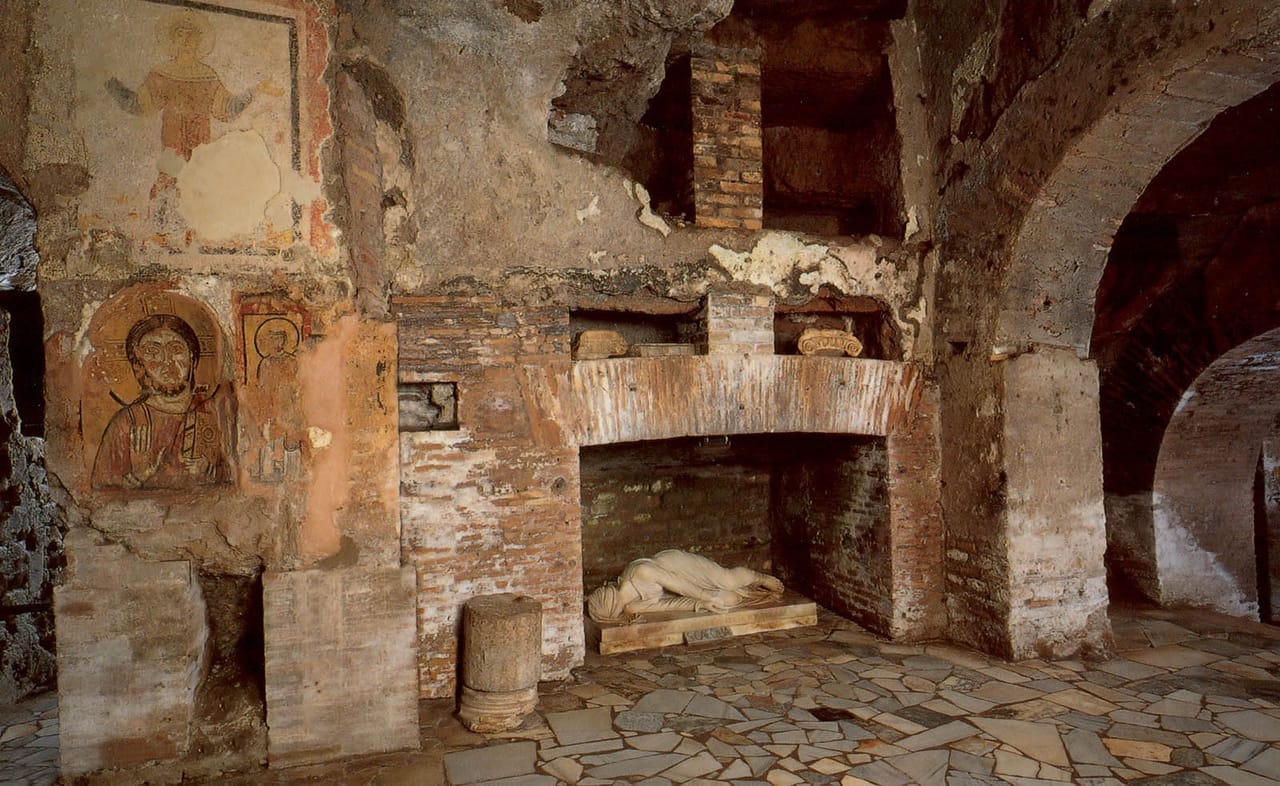
You can visit the largest and oldest underground cemetery in Rome. The catacombs of St. Callixtus were the official cemetery of the Church of Rome and half a million Christians were buried there among many martyrs and popes (the Crypt of the Popes). You will also admire the Crypt of St. Cecilia: the popular patron of music, she was martyred and entombed where the statue now lies.
Domitilla's catacombs are one of the most extensive catacombs in Rome, they are spread over 17 kilometers of underground caves, some of which are inaccessible, and they are situated over 16 meters underground. Some Christians have built these catacombs in the Ardeatina's area, after Domitilla had been banished in the III century. There are about 150000 burials, some of them are decorated.
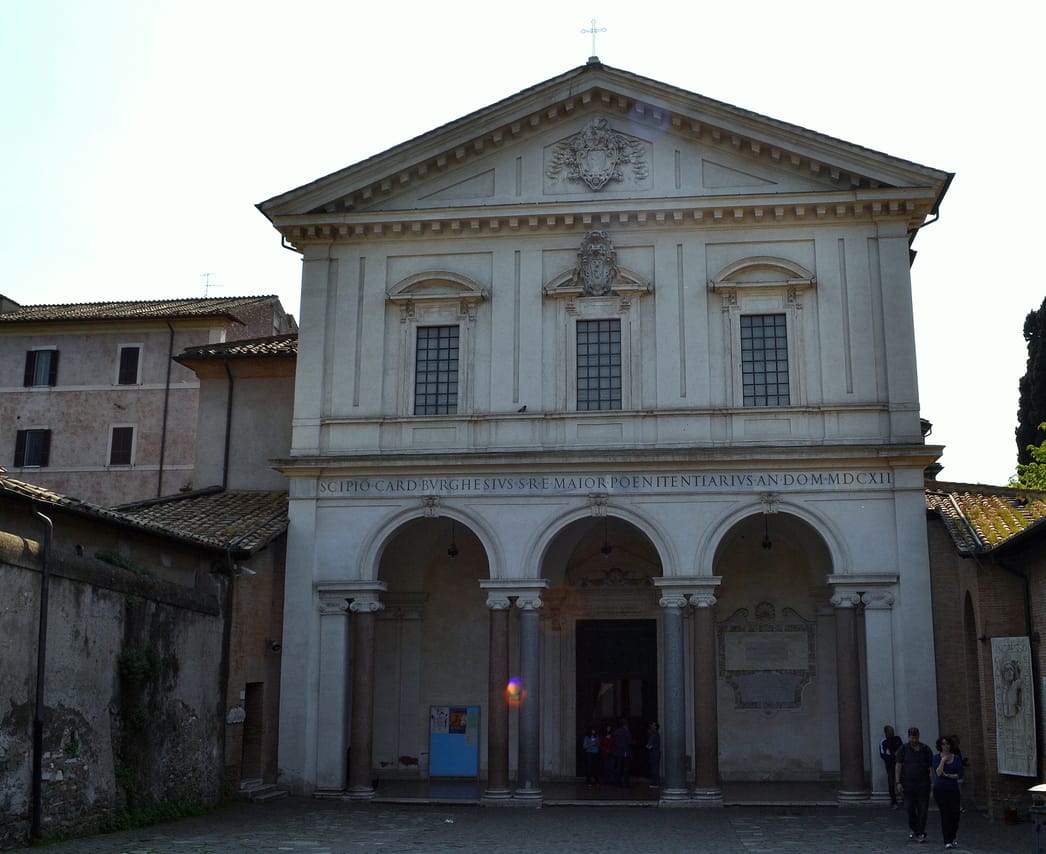
Saint Sebastian's catacombs, situated in Via Appia, are very important because historians believe that this place had hosted Saints Peter and Paul bodies. They are located in a slope that has always been used as a cemetery also before Christianism; later it was converted in a cemetery for slaves and freedmen.
Priscilla's catacombs are one of the most ancient underground cemetery. The first burials should go back to the second half of the II century AD and because of the big amount of graves in it, it is called "regina catacombarum". This cemetery was ransacked around the XVI century so there are no tombstones, coffins and tuff, nevertheless there are many well-preserved paintings.
Visit October–April for cooler weather and fewer crowds underground. Early morning tours (before 10am) offer the most contemplative atmosphere and better lighting conditions.
Based on 3 ratings
Top-rated, great-value activities in Rome