 1 / 5
1 / 5Private Experience Q'eswachaka Community & Last Inca Bridge Day Trip from Cusco
About this activity
This cultural tours is one of the standout things to do in Cusco, Peru. Rated 4.2/5 by 5 travellers, it combines the highlights below into a single, easy-to-book experience from €252 per person. A private day trip from Cusco to the Q'eswachaka Community, home to the last Inca bridge. Immerse yourself in a unique and authentic cultural experience with this private tour.
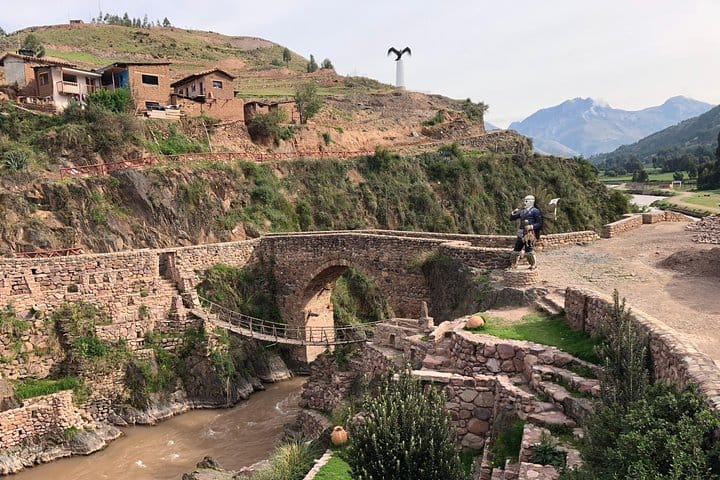
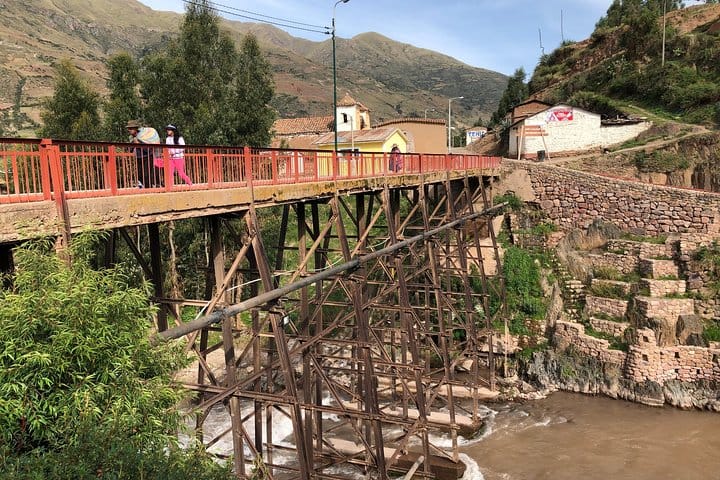
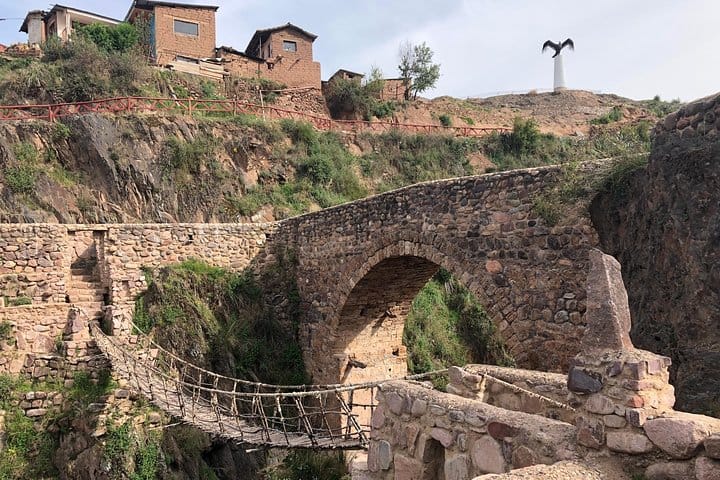
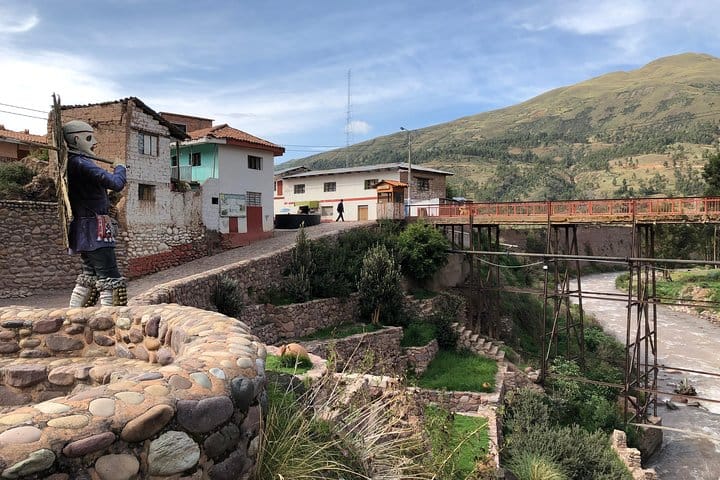
We will leave very early towards the South Valley of Cusco, an unexplored area that keeps many charms. The objective is to reach the rope suspension bridge 'Q'eswachaka', declared by UNESCO as Intangible Cultural Heritage of Humanity, which is three hours away and learn about the context in which it takes place. On the way we will have views, surprises and stops, the Huacarpay lagoon and Pikillacta archaeological center are some until we reach our first stop: the town of Checacupe. In this first stop we will introduce you to the bridges in the Andes; as for samples a button, in Checacupe have been built three types of bridges lost in time and that pass over the Pitumarca River; one from the Inca era, another from the Colonial era and another from the Republican era.
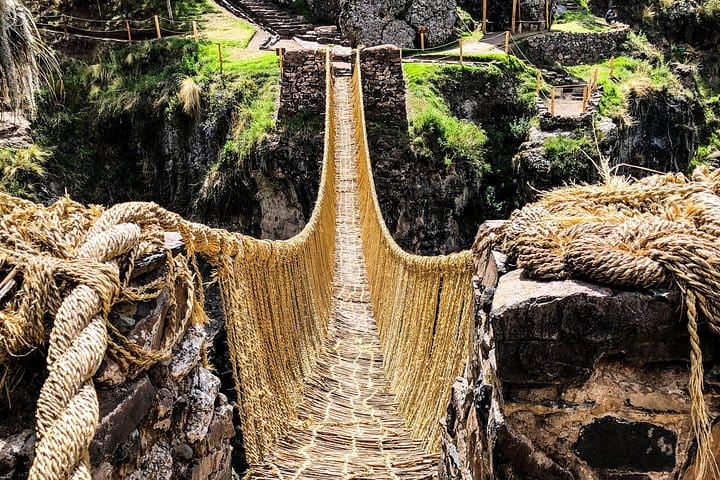
We will continue about two hours and we will arrive at Qehue district where the suspension bridge 'Q'eswachaka', more than 500 years old and the communities that renew it yearly are located. The Q'eswachaka (Q'eswa means "to braid" and "Chaka" means "bridge in Quechua), is the last bridge that has survived modernity and continues to pass its ritual from generation to generation. We will have the opportunity to meet and share with the communities that care for this living legacy of the Incas. The bridge is considered a sacred expression of the link of the communities with nature, tradition and history, and the annual renewal is accompanied by ritual ceremonies.
We will go to a local house and where the locals will demonstrate the braiding technique of the ‘ichu’, a pasture from the high areas of the Andes which is the material used for centuries for this rope suspension bridge. It is an impressively laborious job, it requires a lot of effort, technique and teamwork. After understanding the context surrounding this attraction, we will go to see it, cross it and admire the natural landscape through which it was built. After visiting the bridge, we will go to have lunch in a local house. After lunch, we will return to Cusco for a relaxing and colourful scenic route.
Good to know
- •Duration: approximately 12 hours.
- •Confirmation is instant — your spot is secured the moment you book.
- •Offered in 6 languages.
- •Confirm weather-appropriate clothing and comfortable footwear before you go.
Who it's for
Best time to visit
Cusco is rewarding year-round, but spring and early autumn typically bring the most comfortable temperatures and thinner crowds than peak summer. Morning departures tend to be quieter and cooler; booking ahead is recommended in high season as popular cultural tours slots in Cusco sell out.
Frequently asked questions
More things to do in Cusco
- Vinicunca 7 Color Rainbow Mountain Full-Day Tour
- One-Way Scenic Touristic Bus to Puno from Cusco with Lunch
- Private Full Day Hiking Tour to Vinicunca 7 Color Rainbow Mountain
- Private Premium Inca Trail Tours 8 Days
- Discover Cusco by Night: Evening City Tour, Pisco Sour Class, and Traditional Dinner
- Private Machu Picchu day trip from Cusco
- Private Sacred Valley Tour - All Inclusive
- Machu Picchu Day Trip by Vistadome Panoramic Train
- 4-Day Classic Machu Picchu Inca Jungle Trek
- Maras and Moray Biking Tour from Cusco
- Lares Trek & Inca Trail: A 5-Day Epic Journey to Machu Picchu
- 4-Day Choquequirao Trek Tour from Cusco