Thessaloniki2h
Thessaloniki Self-Guided Sherlock Holmes Murder Mystery Game
From€19.95
/ person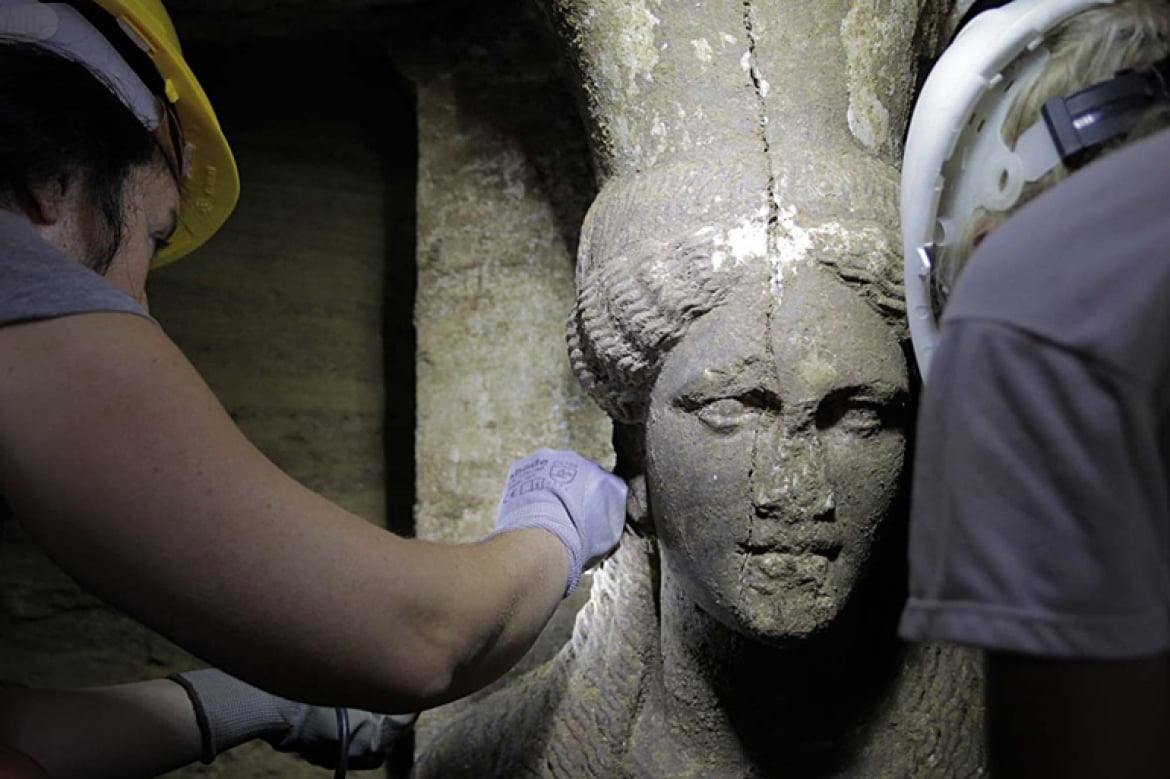
 1 / 5
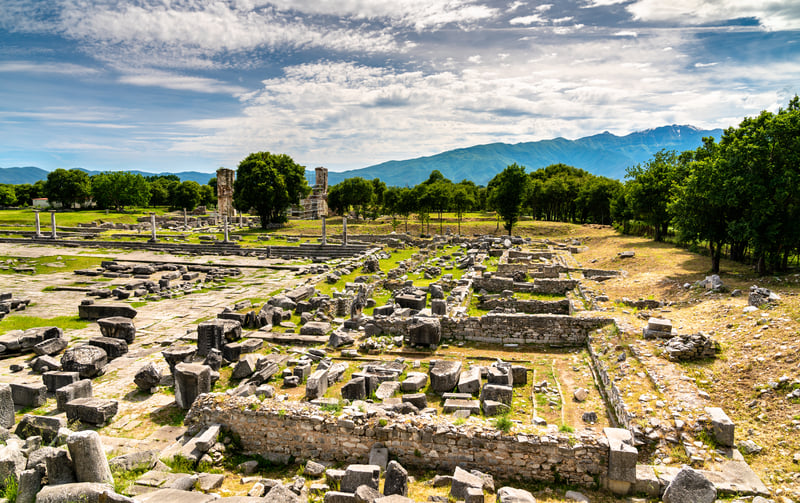
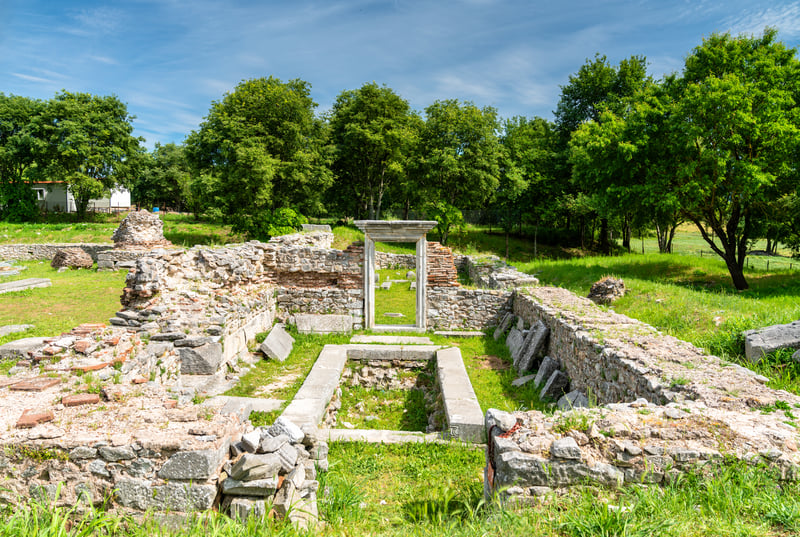
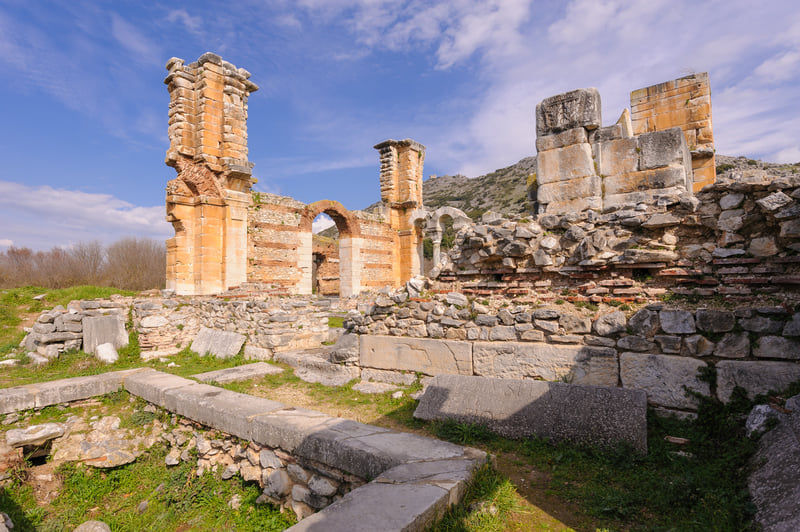
1 / 5This cultural tours is one of the standout things to do in Thessaloniki, Greece. it combines the highlights below into a single, easy-to-book experience from €102 per person. Visit the glorious archaeological site of Philipi, the Baptistery of Santa Lydia, which represents the place where the first Christian Baptism took place by St. Paul and the famous statue of Amfipoli’s lion.
Our tour will start in Thessaloniki in the direction of the city of Kavala along the Egnatia highway built on the track of the ancient Roman road “Via Egnatia” and passing through the two lakes of Koroni and Volvi and for the village of Asprovalta.
First, we will stop at the place where Santa Lydia was baptized by St. Paul, today considered as the first Christian Baptism in Europe. Lydia was a woman known as Lydia of Thyatira, her name means Donna Lidiana indicating her origin from Lydia in Asia Minor. It is commonly known as Santa Lydia or simply “the woman of Purple”.
Lydia was like a Greek even if she lives in a Roman settlement. She provided hospitality to Apostle Paul and his companions in Philippi. He had given hospitality to Philippi to the Apostle Paul and his followers. The Apostle Paul constituted the first Christian Church in Europe in Philippi.
At the end of the stop and visit to the place of Santa Lydia continuation for the visit to the archaeological site of Filippi as the ‘Forum Romanum’.
Philippi is located near the ruins of the ancient city and is part of the Macedonia Region. The ancient city of Philippi founded by the King of Macedonia Philip II (father of Alexander the Great) as a Thasian colony of Crenides in 356 BC.
The main objective of founding the city was to have control of the nearby gold mines and to establish a garrison at a strategic passage, the side controlled the road between Amphipolis and Neapolis, part of the great royal road that crosses Macedonia from the east to the west rebuilt later by the Roman Empire as Via Egnatia. Philippi preserves his autonomy within the Kingdom of Macedonia and preserves its political institutions.
When the Romans destroyed the dynasty of Antigoni of Macedonia in 167 BC. and divided it into 4 different states, Amphipolis was the capital of East Macedonia and not Philippi.
Afterwards we continue to the city of Kavala, a short city tour to admire the famous Churches of San Paolo and San Giovanni and the port. At the end lunch at the small characteristic port in a fish restaurant.
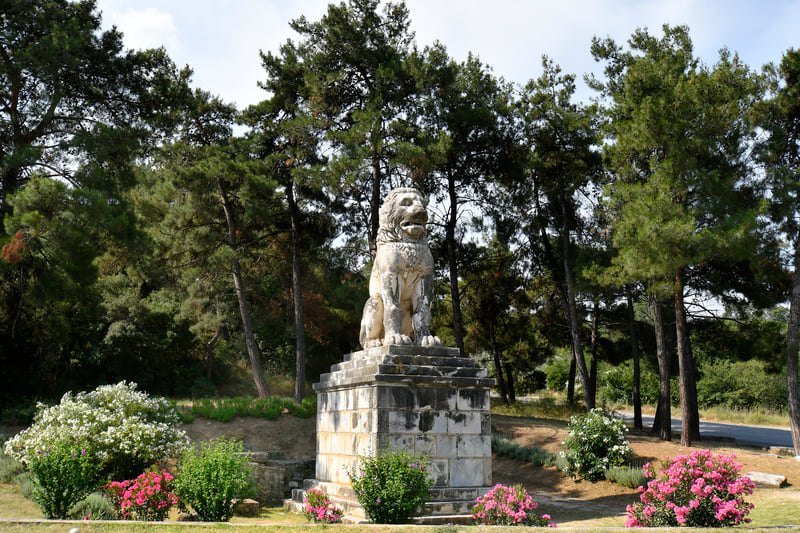
After lunch and on the way back to Thessaloniki stop for the visit of the famous statue of Amphipolis, the statue of Leo, a brand for Serre, a symbol for Macedonia. The Lion of Amphipolis is undoubtedly one of the most significant monuments of the 4th century BC. It has been restored and is located near the old Strymonas river bridge on the Amphipolis-Serraiki regional road. After the recent discovery of the common tomb of “Kasta” in the ancient Amfipolis, and according to the latest research data, the lion monument appears to be a gravestone of the mound, which in fact is its foundation and is located in the upper central part of the hillock also following the geometric lines.
In the late afternoon, return to Thessaloniki full of great memories!!
Thessaloniki is rewarding year-round, but spring and early autumn typically bring the most comfortable temperatures and thinner crowds than peak summer. Morning departures tend to be quieter and cooler; booking ahead is recommended in high season as popular cultural tours slots in Thessaloniki sell out.
Top-rated, great-value activities in Thessaloniki