1 / 10Nanyuki Overnight Safari - Ol Pejeta Conservancy
About this activity
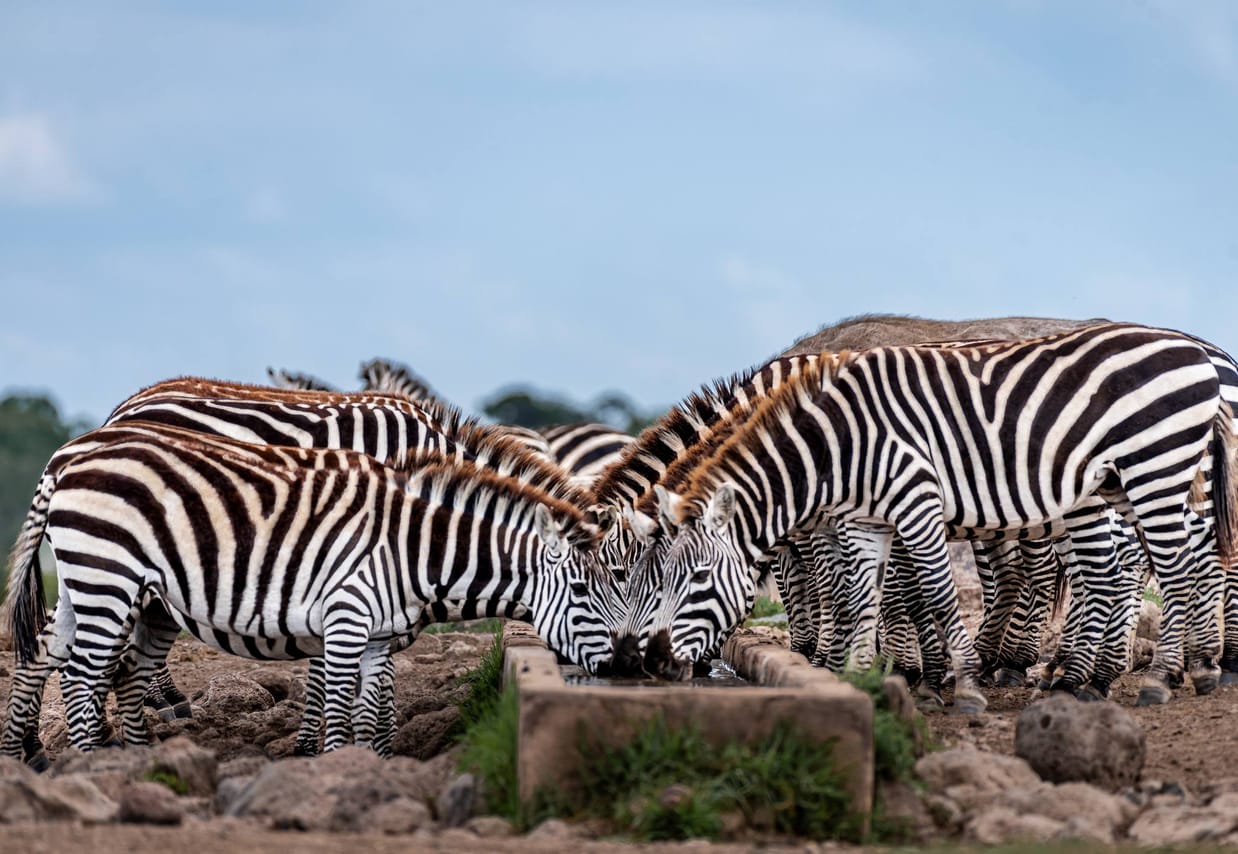
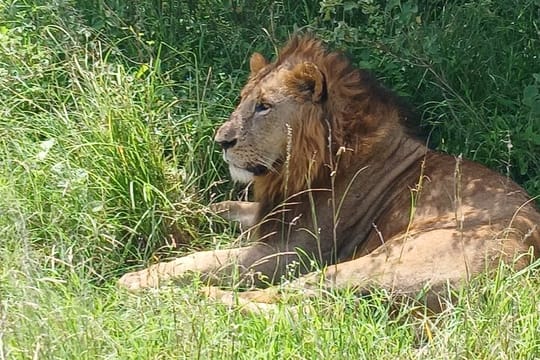
Experience a full overnight immersion in one of Kenya's premier rhino sanctuaries at the base of Mt. Kenya, where you'll encounter black and white rhinos, Big Five wildlife, and witness the electric nocturnal hunting behaviour of lions under the stars.
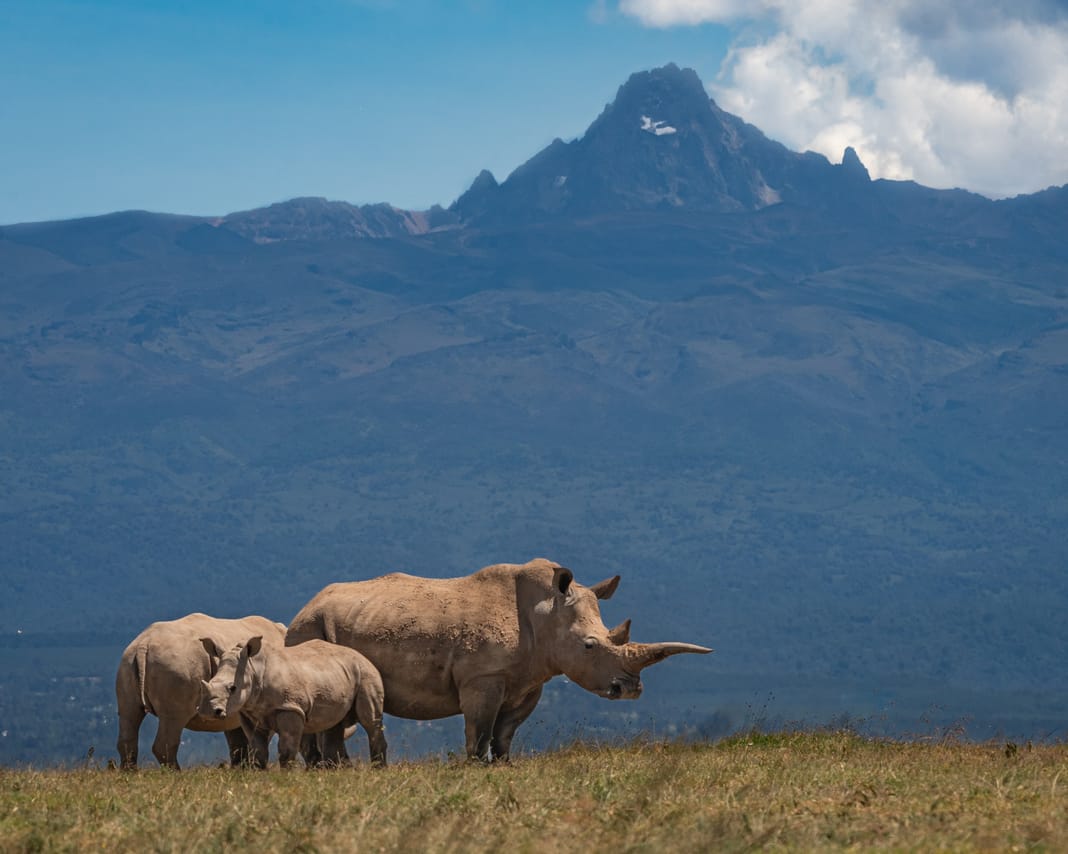
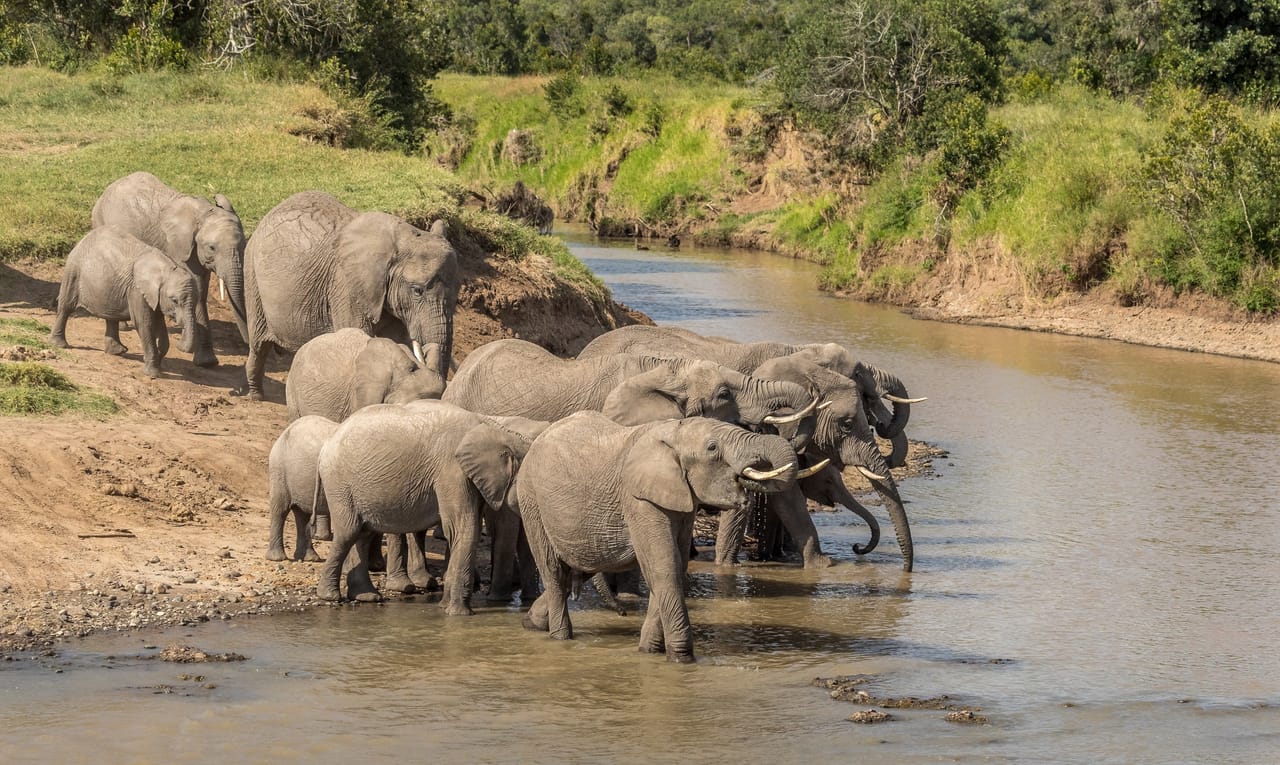
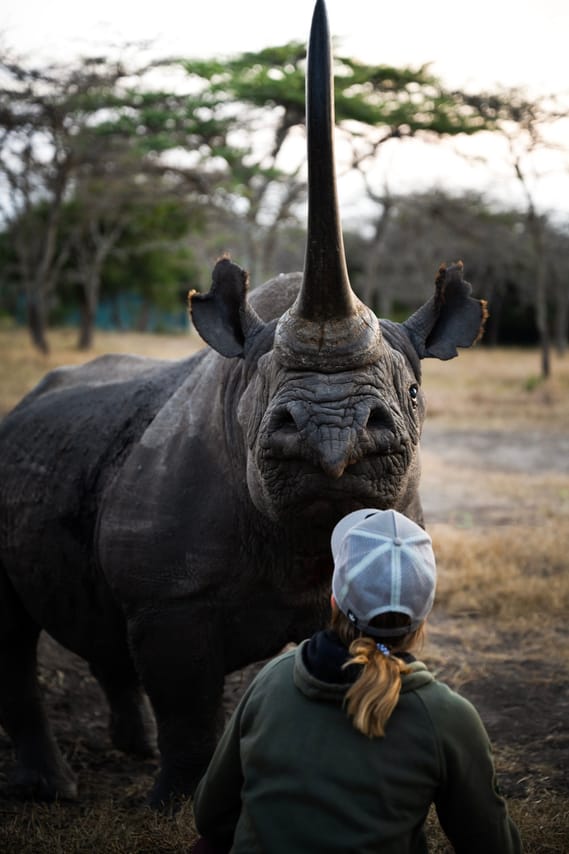
Ol Pejeta Conservancy is a Rhino Sanctuary located at the foot of Mt. Kenya. It is home to a large number of black and white rhinos, as well as some of the Big 5 animals, including lions, buffaloes, and elephants.
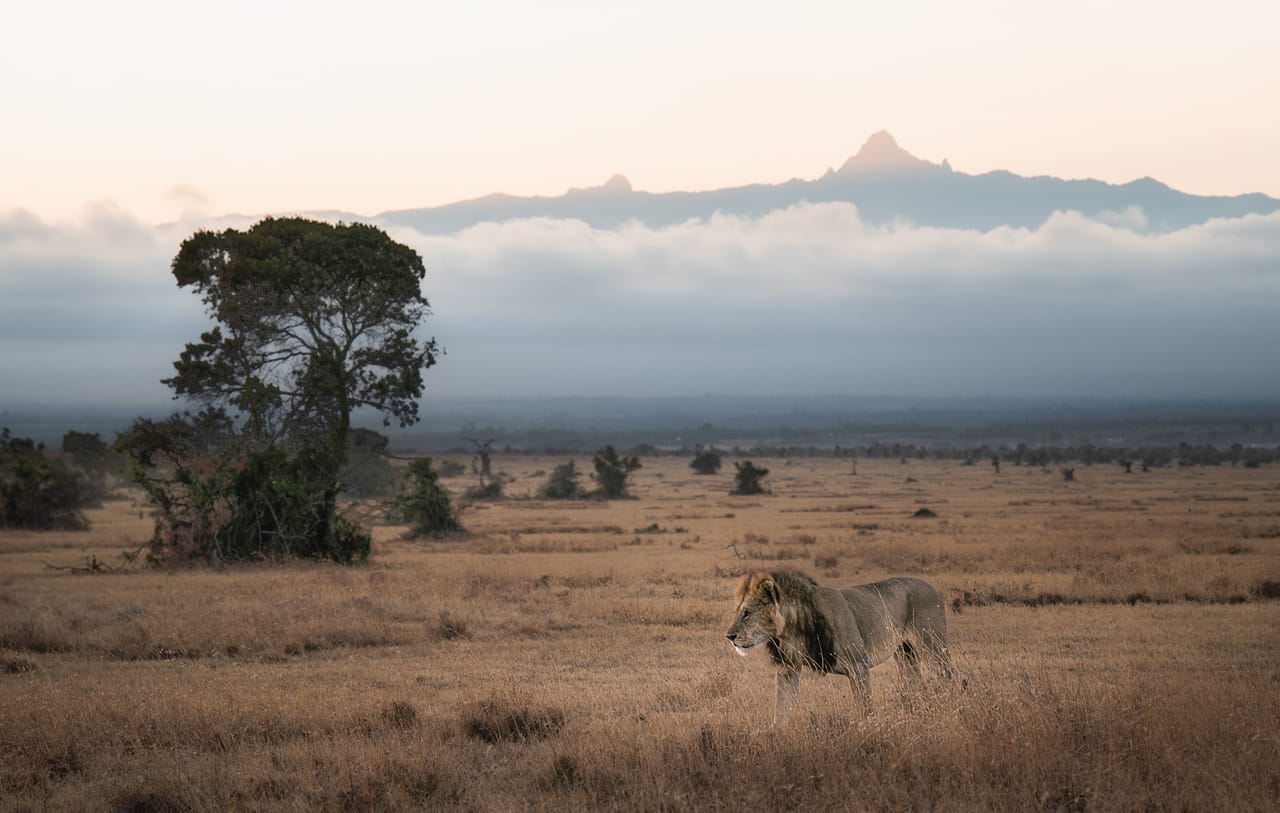
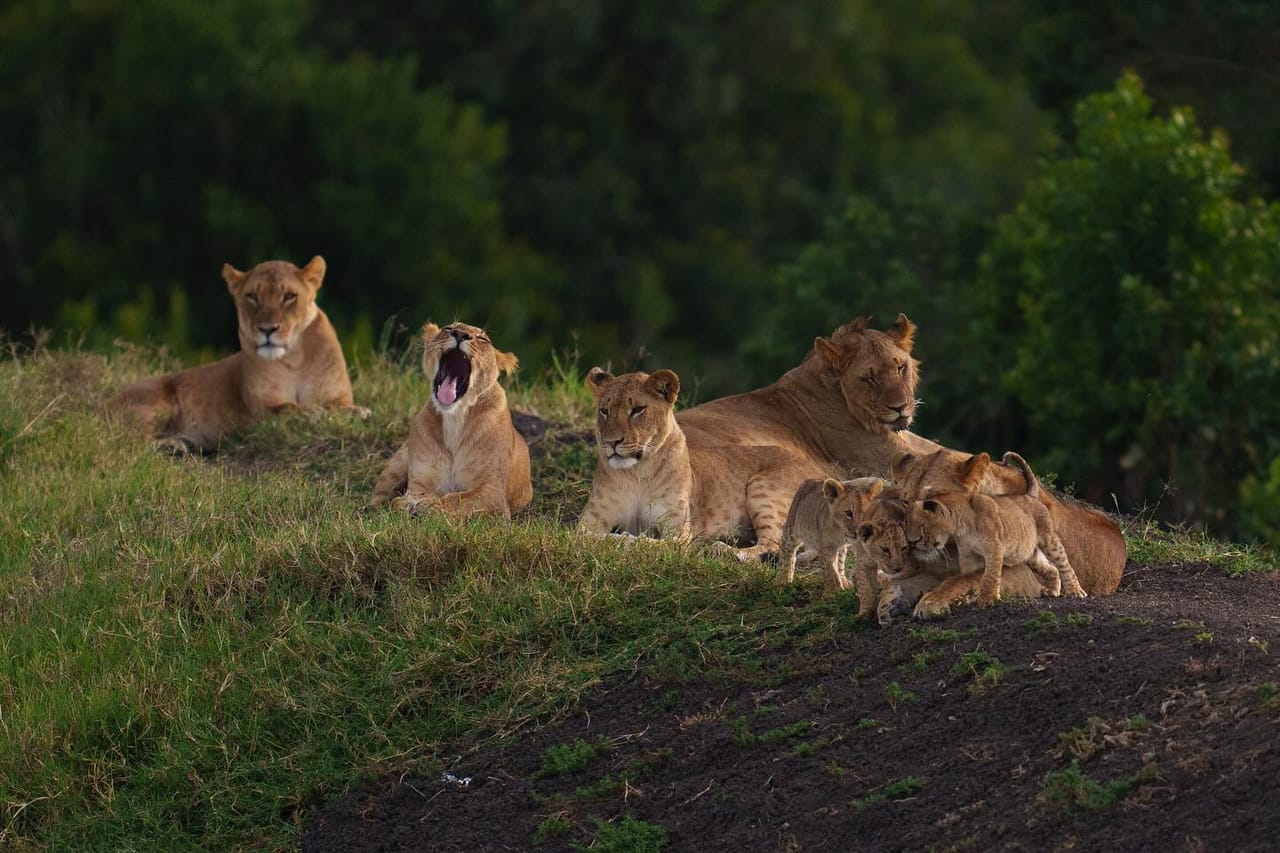
The conservancy offers a unique opportunity to experience a night game viewing drive. This is a rare opportunity to see lions hunting in their natural habitat.
Highlights
- ✓Night game drive to observe lions actively hunting and nocturnal predators
- ✓Dedicated rhino sanctuary with thriving black and white rhino populations
- ✓Big Five sightings including elephants, buffalo, and lions
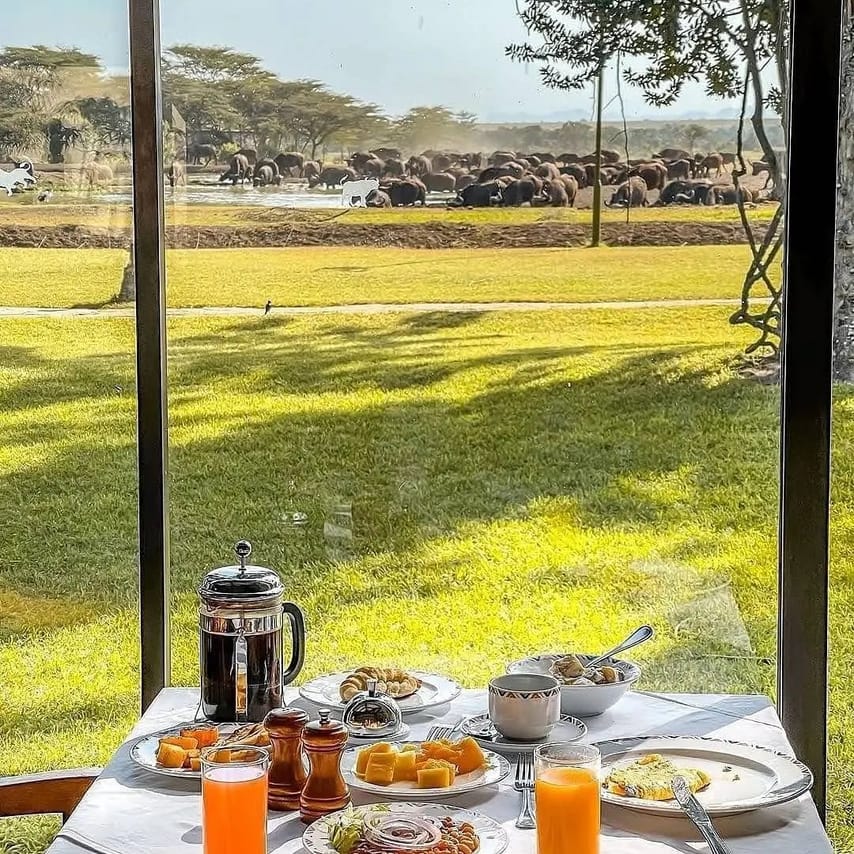
- ✓Overnight stay in Ol Pejeta Conservancy immersed in the ecosystem
- ✓Premium photography opportunities in rare low-light conditions
Insider tips
- ★Night drives reveal lions at their most active—bring a red-light headlamp to avoid startling wildlife while maintaining dark adaptation
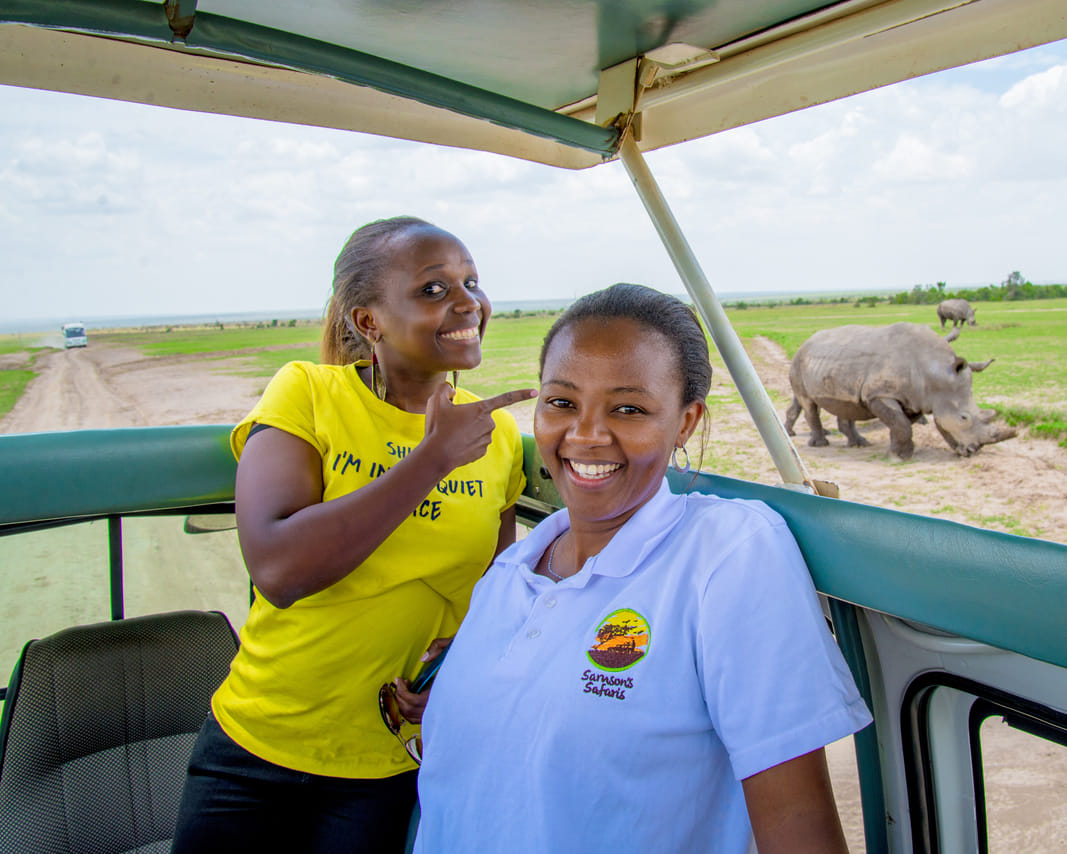
- ★Position yourself on the open-roof vehicle's higher seats for unobstructed Big Five sightings and clearer night sky viewing
- ★Early morning departure (pre-dawn) on day two often yields the best big cat activity as nocturnal hunters return to rest
Good to know
- •2-day/1-night format includes overnight accommodation within or adjacent to the conservancy
- •Bring warm layers for night drives (temperatures drop significantly at elevation near Mt. Kenya)
- •Open-roof safari vehicles standard; inform operator of any mobility concerns in advance
- •Camera with fast lens (f/2.8 or wider) recommended for night photography; ISO capability crucial
Who it's for
Best time to visit
Dry seasons (June–October and January–February) offer optimal night visibility and concentrated wildlife activity around remaining water sources. Early mornings and full darkness periods yield the most dramatic predator behaviour.