Climbing Mount Kenya
Mount kenya Climbing
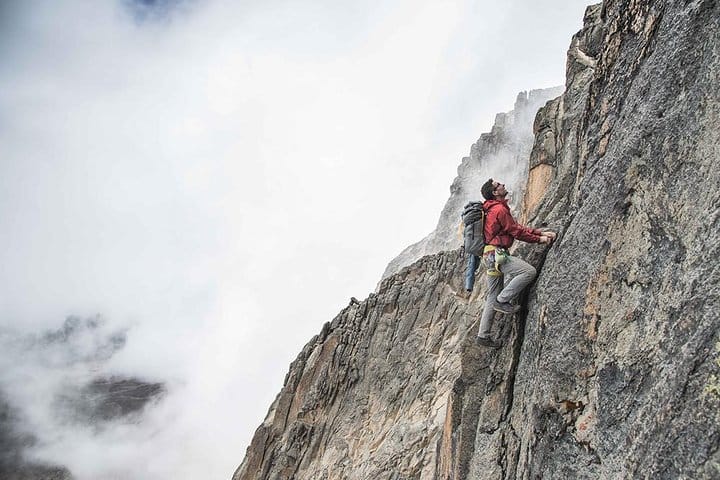
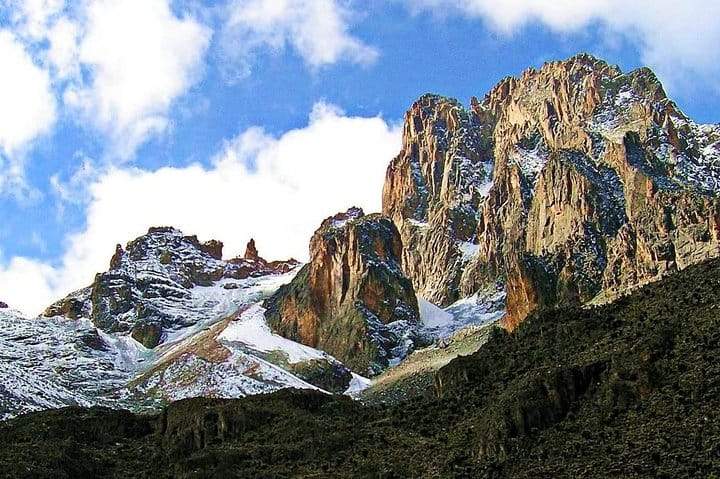
Rock climbing mount kenya
Mount kenya national park
Mount Kenya National park
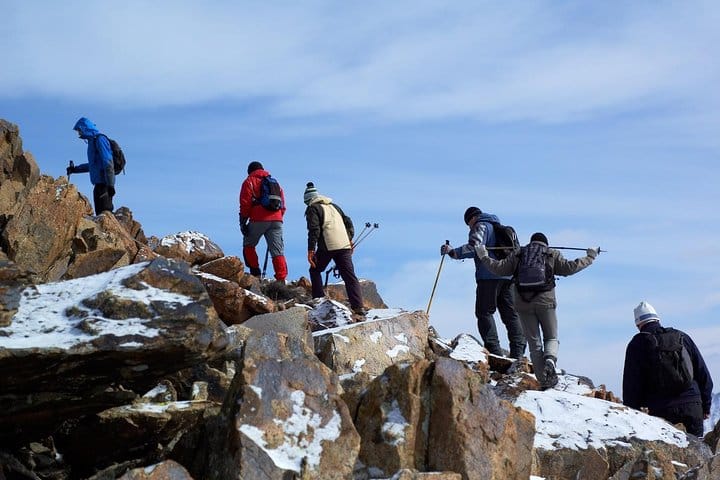
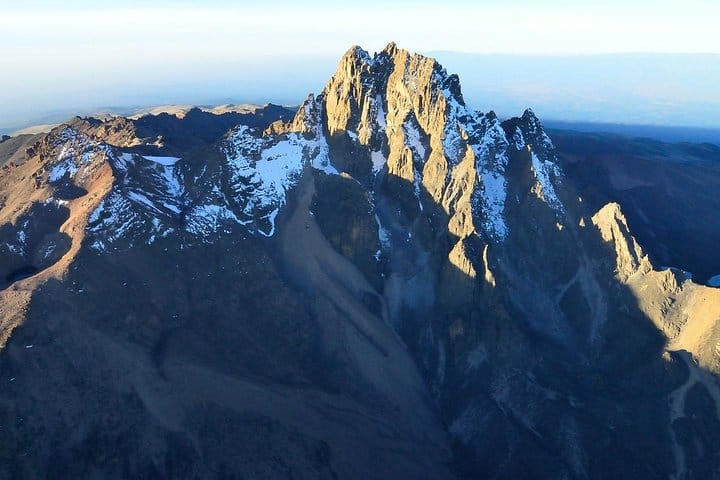
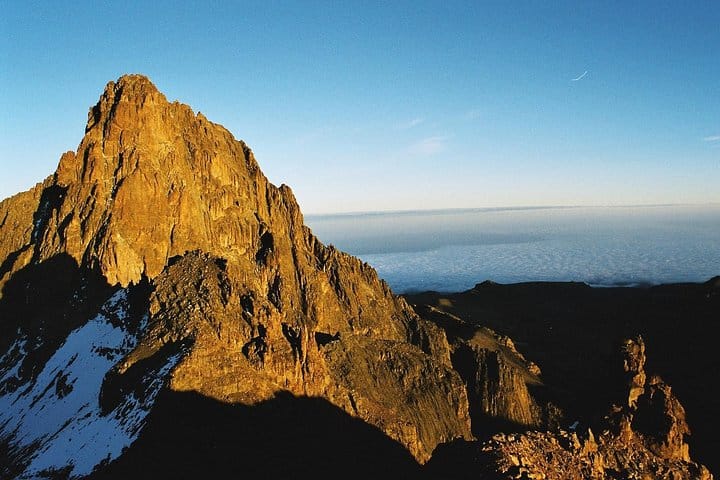
Lenana peak
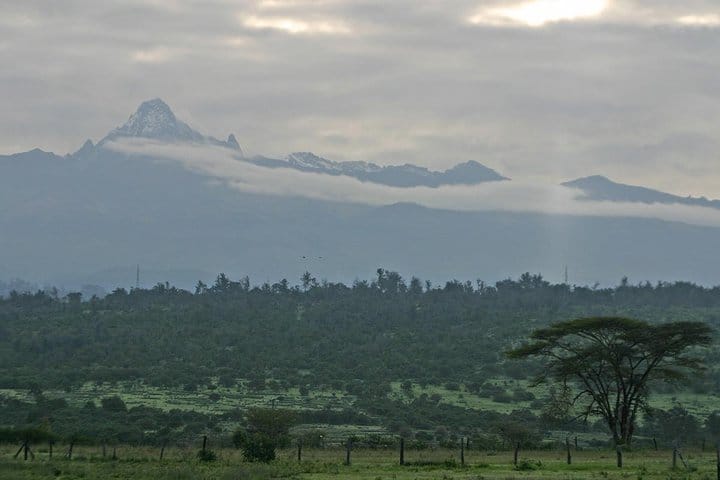
Mount kenya
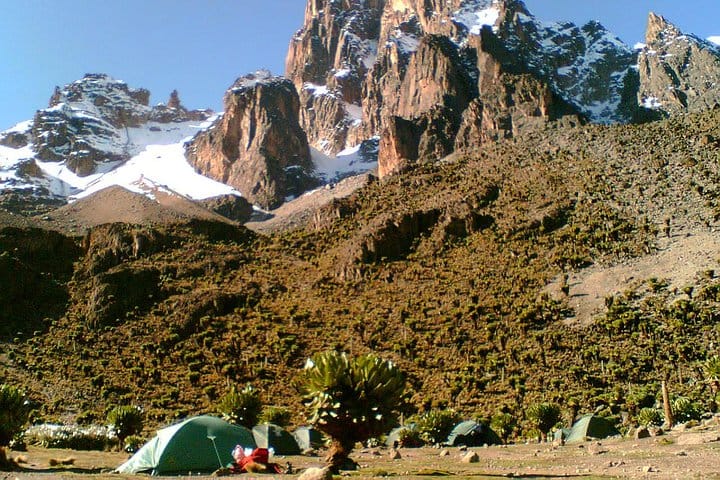
Mount kenya camp
Mount Kenya Trekking Through Sirimoni-Chogoria Route 10
1 / 10

Mount Kenya Trekking Through Sirimoni-Chogoria Route

(5)
, Kenya
Instant confirmationSecure checkoutNo hidden fees

About this activity

Traverse two contrasting routes on Mount Kenya (5,199m) in a single trek, combining the arid Sirimon ascent with the lush Chogoria descent for unmatched scenic diversity. This is one of East Africa's most wildlife-rich high-altitude treks, with better odds of spotting elephants, buffalo, and antelope than Kilimanjaro or Rwenzori.

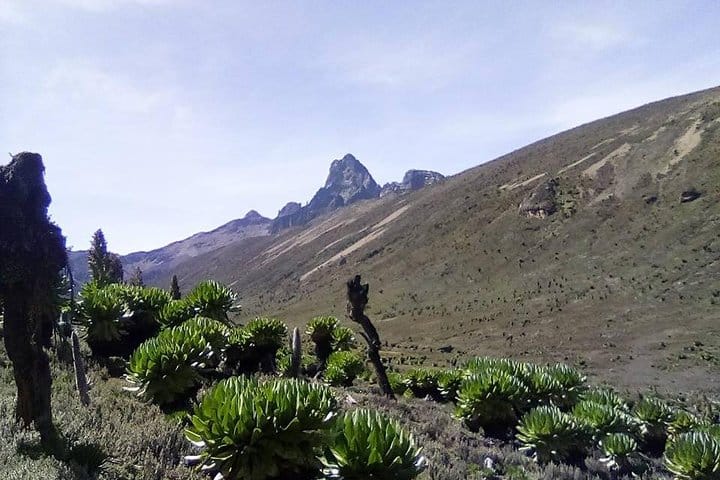
This creative climb joins two of the most scenic routes up Mount Kenya, Sirimon and Chogoria, producing a remarkably diverse and spectacular trek. Sirimon coming off the west of Mount Kenya passes through the dry side of the mountain with its giant trees and rocky terrain, and the descent onto the Chogoria path is exactly different with its lush bamboo and highland forests.

The final night time ascent of Point  Lenana can be as difficult as any ascent in East Africa, but the rest of the trek is generally considered easier than either Kilimanjaro or the Rwenzoris, and this is the most likely climb for actually seeing big game.

Accommodation on this hike is in mountain huts.  Nonetheless, if you prefer to camp you can do so on all nights on the mountain.

Highlights

  • Dual-route experience: dry rocky terrain on Sirimon, verdant bamboo forests on Chogoria
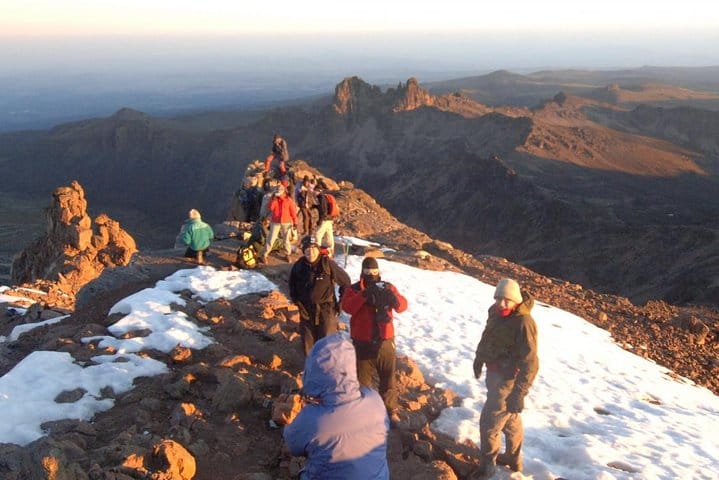
  • Pre-dawn summit push to Point Lenana with alpine sunrise views
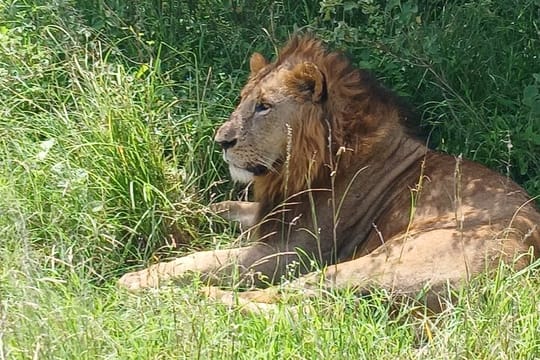
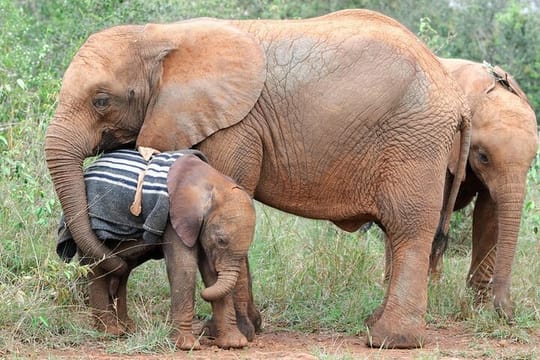
  • Genuine wildlife encounters—elephants and buffalo roam the lower slopes
  • Less crowded and physically demanding than Kilimanjaro
  • Stay in mountain huts or camp under the stars (your choice)

Insider tips

  • The Chogoria descent is gentler on knees than Sirimon, so the itinerary order matters for recovery
  • Wildlife is most active early morning and dusk—stay alert on forest sections and travel in groups
  • The final night ascent to Point Lenana is the hardest day; rest well on day 4 and eat high-calorie meals
  • Acclimatization is key—the trek's lower technical difficulty can mask altitude challenges

Good to know

  • Accommodation: Mountain huts provided; camping available on all nights if preferred
  • Fitness level: Moderate-to-good cardio fitness required; technical climbing skills not needed
  • What to bring: Layers (temperatures drop to freezing at altitude), waterproof jacket, sturdy trekking boots, sun protection, and a headlamp for the night summit push
  • Guides and porters: Included; local guides enhance wildlife spotting and safety
  • Starting point: Meet in Kenya (specific town/date confirmation at booking)

Who it's for

Experienced trekkers seeking a less-crowded alternative to KilimanjaroWildlife enthusiasts keen to spot African game at altitudeAcclimatization seekers before tackling higher East African peaksAdventure travelers who want camping or hut-stay flexibility

Best time to visit

June–October (dry season) offers the clearest skies and most stable weather for the summit attempt. December–early January is secondary but can be wetter. Avoid the rainy seasons (March–May, November) when visibility drops and trails become slippery.

Frequently asked questions

Available
From€1,099
per person