Medieval Royal Treasure in Sroda Slaska and Impressive Cisterian Abbey in Lubiaz 1
Medieval Royal Treasure in Sroda Slaska and Impressive Cisterian Abbey in Lubiaz 2
Medieval Royal Treasure in Sroda Slaska and Impressive Cisterian Abbey in Lubiaz 3
Medieval Royal Treasure in Sroda Slaska and Impressive Cisterian Abbey in Lubiaz 4
Medieval Royal Treasure in Sroda Slaska and Impressive Cisterian Abbey in Lubiaz 5
Medieval Royal Treasure in Sroda Slaska and Impressive Cisterian Abbey in Lubiaz 6
Medieval Royal Treasure in Sroda Slaska and Impressive Cisterian Abbey in Lubiaz 7
Medieval Royal Treasure in Sroda Slaska and Impressive Cisterian Abbey in Lubiaz 8
Medieval Royal Treasure in Sroda Slaska and Impressive Cisterian Abbey in Lubiaz 9
Medieval Royal Treasure in Sroda Slaska and Impressive Cisterian Abbey in Lubiaz 10
Top Deal1 / 10

Medieval Royal Treasure in Sroda Slaska and Impressive Cisterian Abbey in Lubiaz

(3)
Wroclaw, Poland
Cultural ToursDay Trips & ExcursionsBus & Minivan Tours
Instant confirmationSecure checkoutNo hidden fees

About this activity

Explore two remarkable medieval and baroque landmarks near Wroclaw: the museum in Sroda Śląska housing one of Europe's most significant archaeological treasures—a 14th-century royal crown and 3,000 precious coins—and the sprawling Lubiaz Abbey, one of the continent's grandest Cistercian complexes. This 7-hour day trip combines priceless history with architectural splendour.

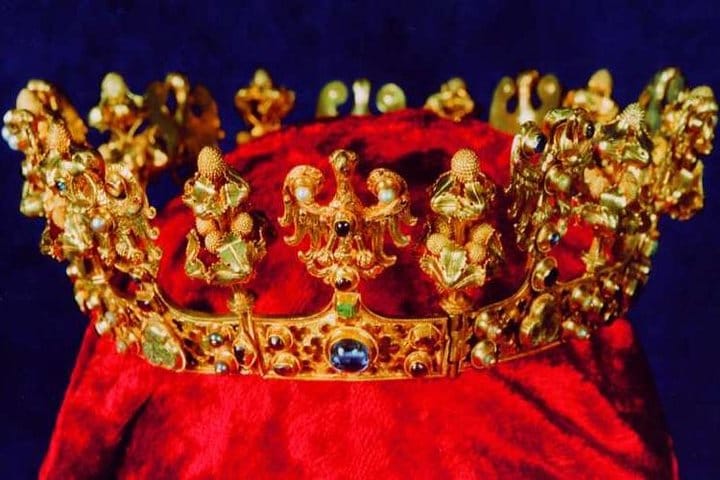
Situated 18 miles (30 km) from Wroclaw, the city of Sroda Śląska displays one of the most incredible and priceless medieval treasures. The city has always laid on a very important trade route and thus received its town privileges at the beginning of the 13th century. During the construction works of the old town which took place in 1985-1988, one of most valuable medieval treasures in Europe was found. This major archaeological discovery was composed of a hoard with around 3000 silver and gold coins, gold jewellery, and precious stones. The most valuable item found was the golden woman’s crown from the 14th century, which presumably belonged to Blanche of Valois, first wife of Emperor Charles IV, King of Bohemia. 

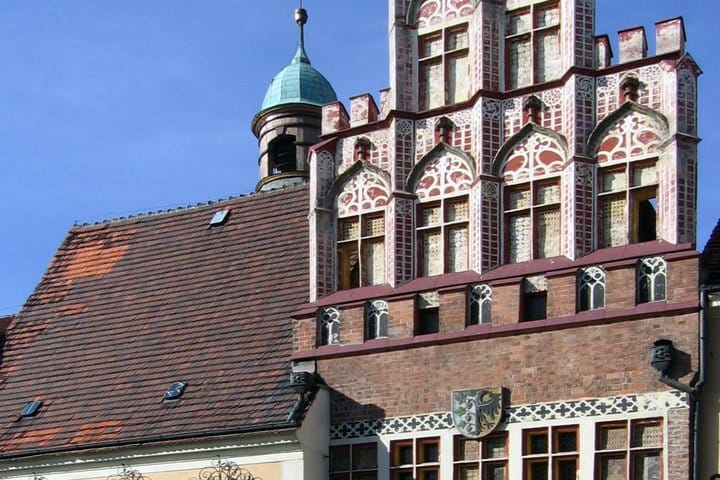
You will visit the local museum situated in the beautiful former Gothic Town Hall, and during the tour you are free to admire the treasure, find out about the king’s financial problems involving rich Jewish merchants, and the dramatic time of black death.Then you continue to the Lubiaz Abbey – one of the largest baroque complexes in Europe! 

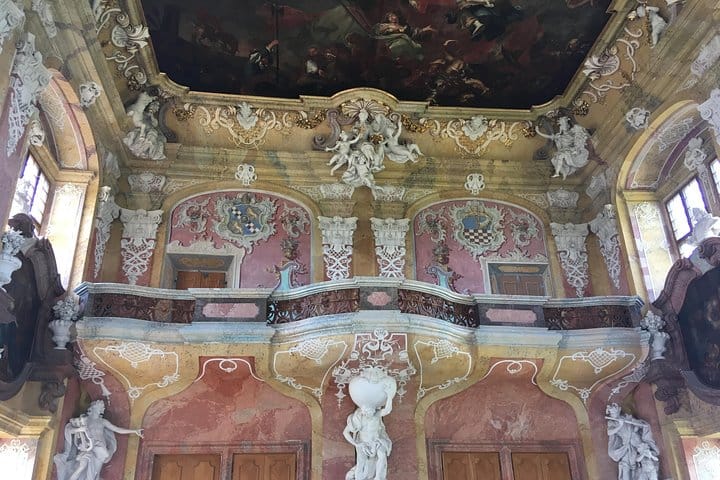
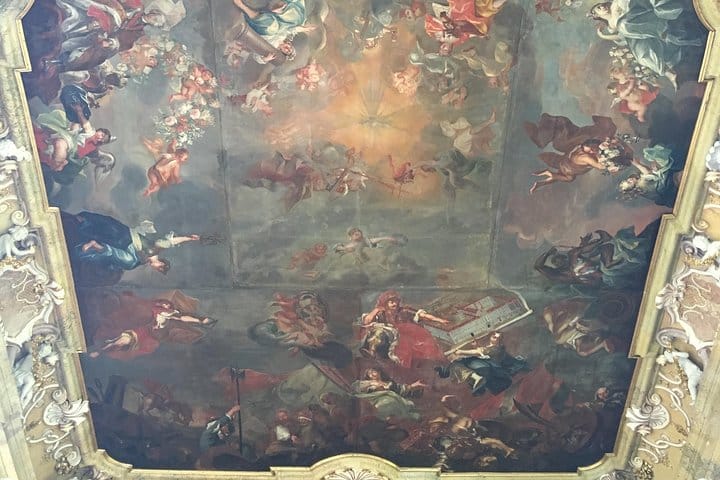
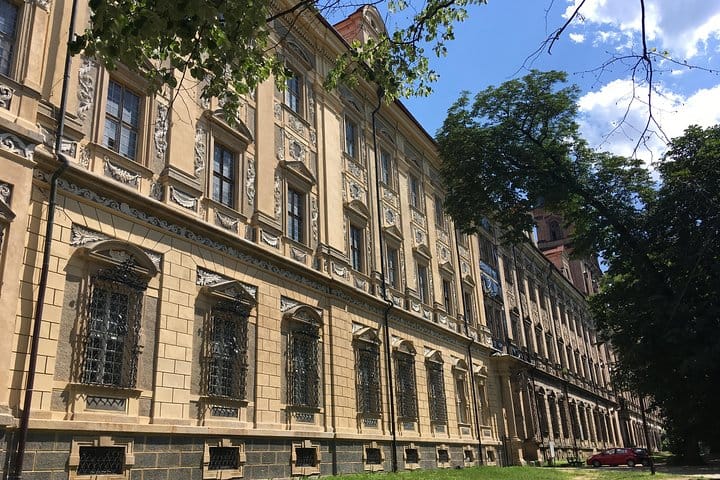
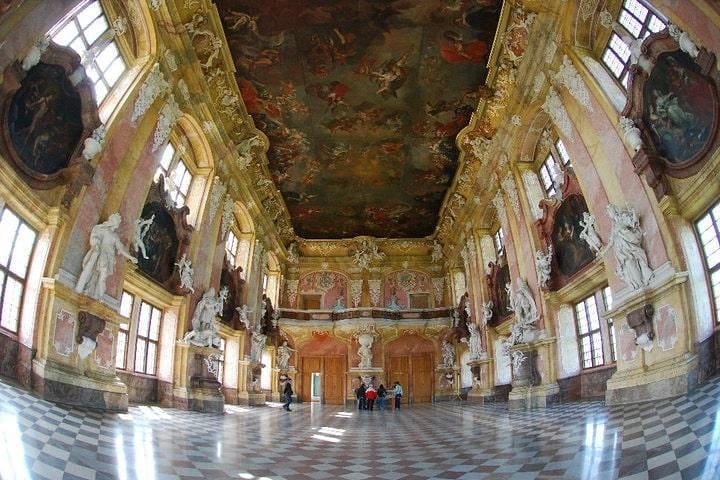
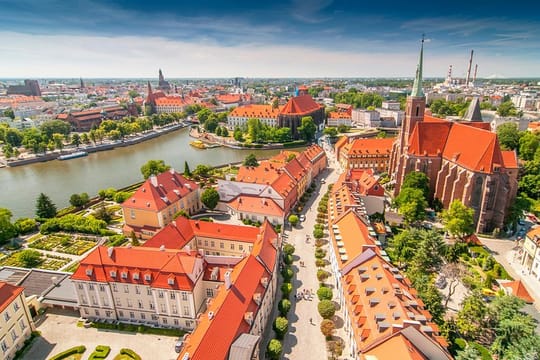
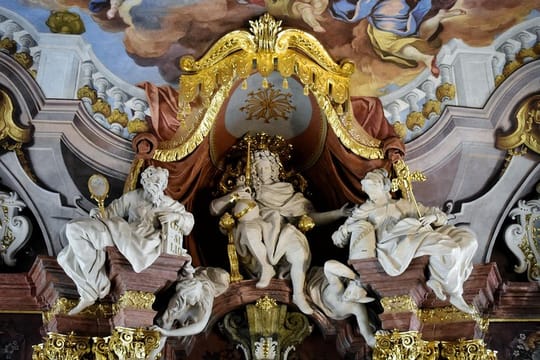
The Cistercians were settled in Poland by Duke Boleslaus I the Tall – Silesian ruler from the Piast dynasty in 1175. Since then, the convent experienced several ups and downs until it was able to flourish in a extraordinary way during the Hapsburg rule at the end of 17th and beginning of the 18th century. At that time the cloister’s abbot was not only an important religious figure but also a very important entrepreneur with great political influence as he owned villages, farms, and manufacturing facilities. Visit the Abbot’s private chambers with its impressive Prince Hall that pays tribute to Roman Catholicism and the Hapsburg Dynasty. After the visit, have a tasty lunch in a traditional local tavern and sample some local dishes.

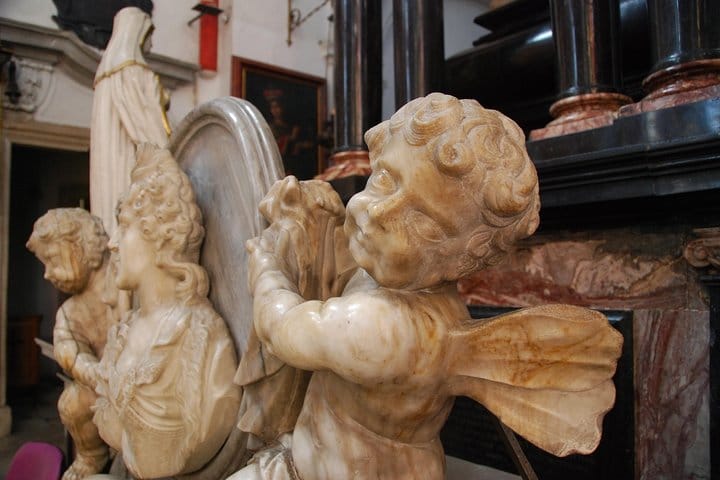
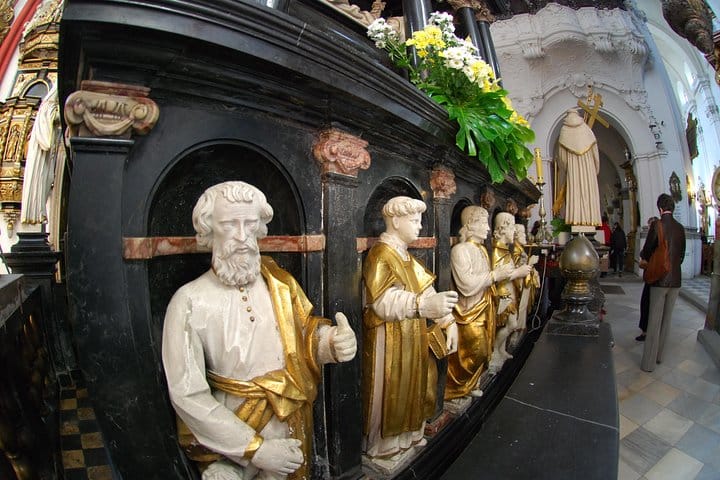
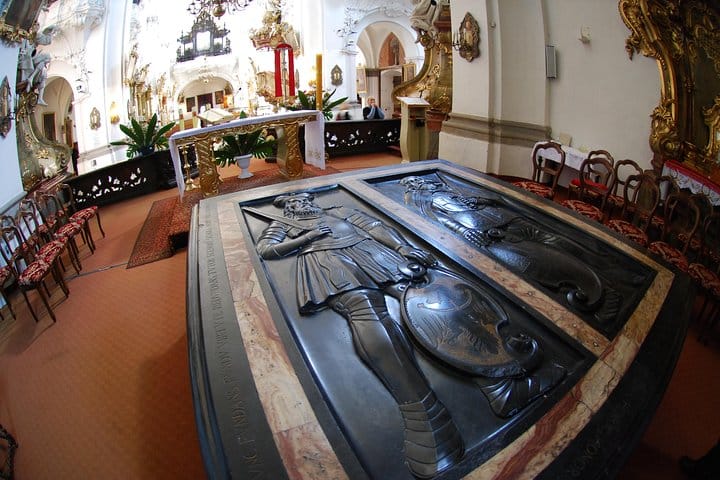
The last attraction is the Town of Trzebnica with the oldest feminine Cistercian convent in Poland. You will see the impressive baroque sarcophagus of the most important local Silesian Saint – Saint Jadwiga (Hedwig). The sanctuary is a remarkable example of Baroque art but also a popular pilgrimage destination for the worshipers from Poland and neighbouring countries. During the visit you will find out why Saint Hedwig is a patron of Polish-German reconciliation.

HIGHLIGHTS

  • Discover the incredible history of a priceless medieval royal treasure
  • Enjoy the impressive, enormous, and majestic Baroque architecture of a Cisterian abbey
  • See the most important sanctuary and pilgrimage destination of Lower Silesia – the grave of Saint Jadwiga (Hedwig) in Trzebnica
  • Have a tasty lunch in a traditional  abbey’s tavern and sample some local dishes

Highlights

  • 14th-century golden crown allegedly belonging to Blanche of Valois, wife of Emperor Charles IV
  • Medieval treasure hoard of 3,000 silver and gold coins, jewellery, and gemstones discovered in 1985
  • Museum housed in a beautiful Gothic Town Hall in Sroda Śląska
  • Lubiaz Abbey—one of Europe's largest baroque monastic complexes
  • Learn about medieval trade routes, Jewish merchant networks, and the Black Death period

Insider tips

  • The Sroda Śląska treasure was buried during turbulent times; ask the guide about the connection to medieval economic crises and why such wealth was hidden.
  • Lubiaz Abbey flourished under Habsburg rule (17th–18th centuries); the baroque architecture reflects the abbot's dual role as religious leader and entrepreneur.
  • Visit in late spring or early autumn when weather is mild and group sizes tend to be smaller, allowing more time with exhibits.

Good to know

  • Total duration is 7 hours including travel from Wroclaw (approximately 30 km each way).
  • Tour includes guided museum access at Sroda Śląska and abbey exploration; comfortable walking shoes recommended.
  • Price starts from EUR 110 per person; group size and pickup/drop-off logistics should be confirmed at booking.
  • Museums and abbey may have limited opening hours in winter; confirm before booking seasonal visits.

Who it's for

History enthusiasts interested in medieval European treasures and archaeologyArchitecture lovers drawn to baroque monastic designCultural travellers seeking off-the-beaten-path sites near WroclawDay-trippers wanting to combine two distinct historical periods in one excursion

Best time to visit

Late spring through early autumn (May–September) offers the best weather for this outdoor and museum-based tour. Morning departures allow more daylight for photography at Lubiaz Abbey and less crowding at the museum.

Frequently asked questions

Available
From€110
per person