From Wroclaw: Gross-Rosen Camp & Nazi Tunnels Tour 1
From Wroclaw: Gross-Rosen Camp & Nazi Tunnels Tour 2
From Wroclaw: Gross-Rosen Camp & Nazi Tunnels Tour 3
From Wroclaw: Gross-Rosen Camp & Nazi Tunnels Tour 4
From Wroclaw: Gross-Rosen Camp & Nazi Tunnels Tour 5
From Wroclaw: Gross-Rosen Camp & Nazi Tunnels Tour 6
From Wroclaw: Gross-Rosen Camp & Nazi Tunnels Tour 7
From Wroclaw: Gross-Rosen Camp & Nazi Tunnels Tour 8
From Wroclaw: Gross-Rosen Camp & Nazi Tunnels Tour 9
From Wroclaw: Gross-Rosen Camp & Nazi Tunnels Tour 10
Best Seller1 / 10

From Wroclaw: Gross-Rosen Camp & Nazi Tunnels Tour

(5)
Wroclaw, Poland
Cultural ToursDay Trips & ExcursionsBus & Minivan ToursSelf-Drive Tours
Instant confirmationSecure checkoutNo hidden fees

About this activity

This 8.5-hour guided tour from Wrocław confronts two pivotal yet contrasting chapters of WWII history: the Gross-Rosen concentration camp, where tens of thousands perished under forced labour in granite quarries, and the Riese underground complex, a vast Nazi tunnel system whose true purpose remains debated by historians. A sobering, reflective journey through occupied Silesia's darkest legacy.

Take a sobering tour, that shows you the complicated heritage of World War II and its lasting impact on the province. Visit the former German Nazi concentration camp of Gross Rosen known for its deadly work conditions in the granite quarry.Find out about the German strategy of extermination through labour. See the mysterious legacy of World War II - the Riese Complex in the Owl Mountains. Enter into the tunnels, find out about potential hypotheses of its purpose, see the guard rooms and spacious hall excavated in stone

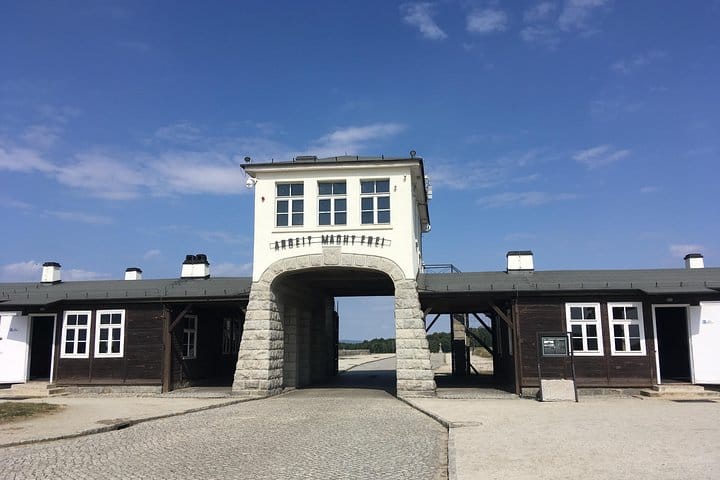
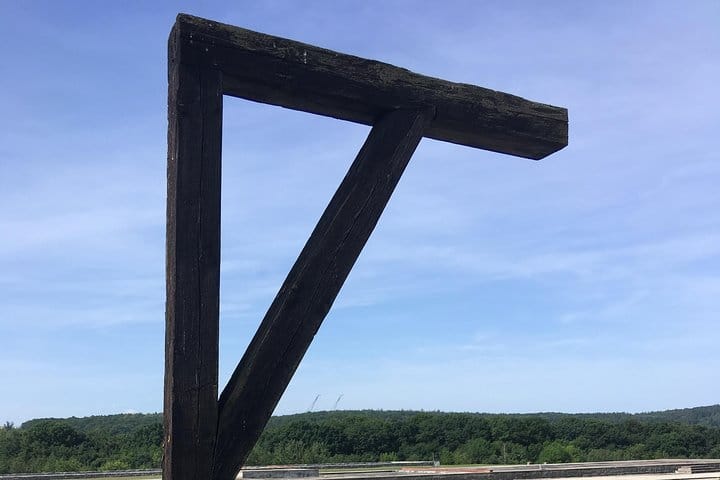
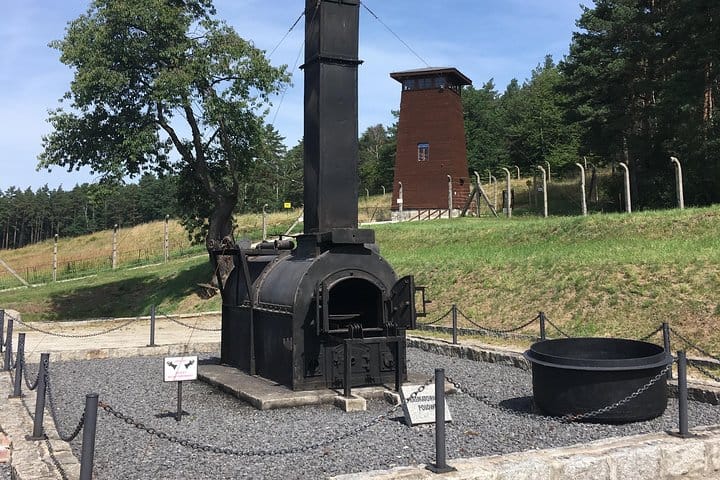
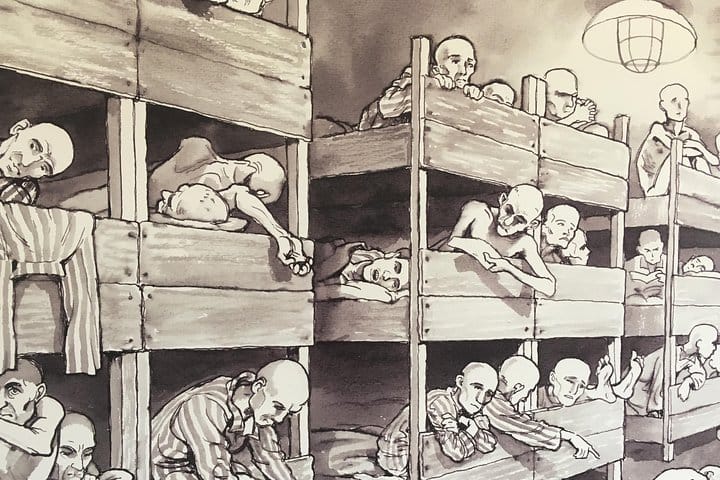
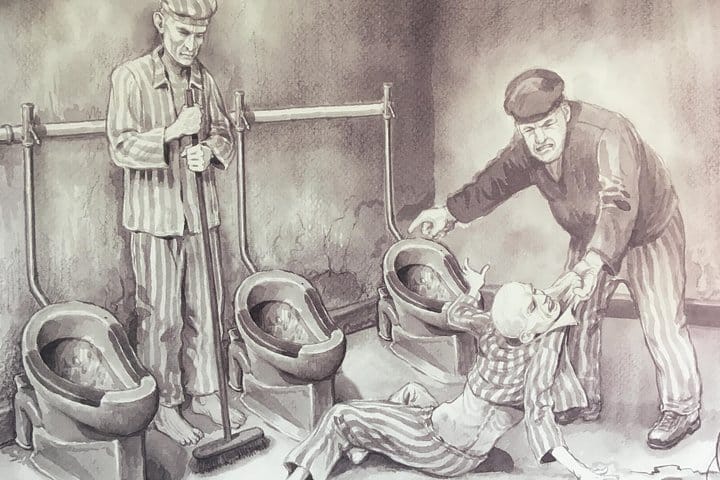
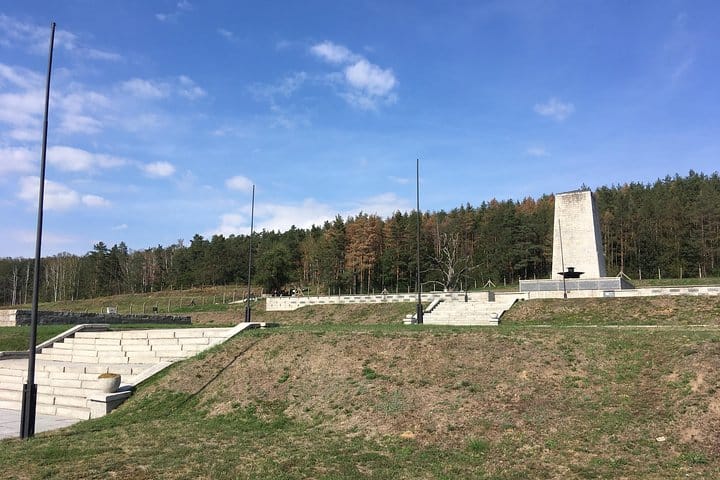
The tour starts in the state museum and a former German Nazi concentration camp of Gross Rosen. Originally a sub-camp of Sachsenhausen, from 1941 it became the largest fully autonomous camp in the Silesian province and was known for its deadly work conditions in the granite quarry. Find out about the German state’s machine of brutal forced labor and human annihilation. Experience the sobering feeling of visiting the former SS Cantine building, field crematoria, and memorial site while taking some time to reflect upon approximately 40,000 victims of Nazi terror.

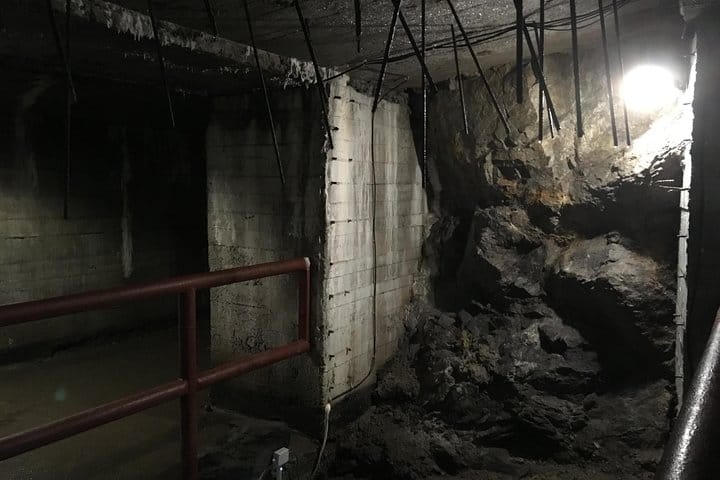
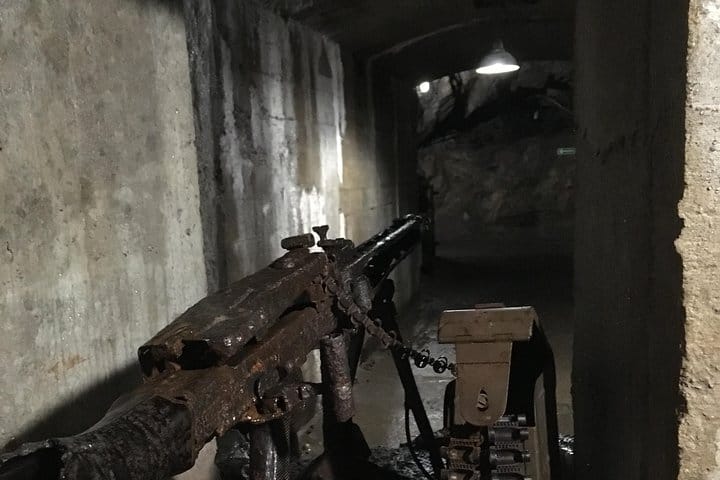
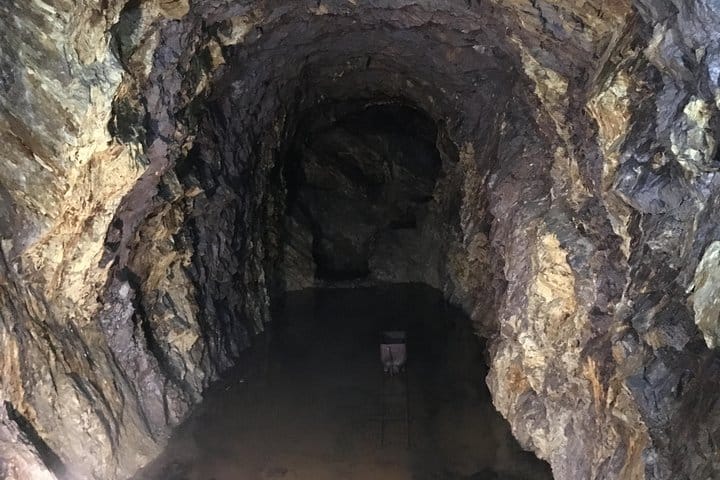
Last sad and at the same time mysterious legacy of World War II is the Complex in the Owl Mountains. The program known under the code name Riese, which means giant in German, was a huge construction endeavour conducted from Autumn 1943 by the famous paramilitary organization Todt. The inmates, mainly from the Gross Rosen camp, worked in deadly conditions excavating the system of tunnels and shafts. Visit a part of the program in Osówka, enter into the tunnels, find out about potential hypotheses of its purpose, see the guard rooms and spacious hall excavated in stone. Please note that there is a stable temperature of approx. 5-7 degrees Celsius and humidity of 98% through the whole year inside the tunnels, so please do not forget to take closed shoes and warm clothes with you. The visit in the complex takes approximately 1 hour.

HIGHLIGHTS

  • Take a sobering tour, that shows you the complicated heritage of World War II and its lasting impact on the province
  • Visit the former German Nazi concentration camp of Gross Rosen known for its deadly work conditions in the granite quarry.
  • Find out about the German strategy of extermination through labour
  • See the mysterious legacy of World War II – the Riese Complex in the Owl Mountains
  • Enter into the tunnels, find out about potential hypotheses of its purpose, see the guard rooms and spacious hall excavated in stone

Highlights

  • Explore Gross-Rosen state museum and former concentration camp grounds with authentic SS structures
  • Walk through the granite quarry where inmates endured lethal working conditions
  • Enter the Riese (Giant) tunnel system in the Owl Mountains—partially excavated, purpose still mysterious
  • Visit field crematoria and memorials honouring ~40,000 victims
  • Learn about Nazi forced-labour strategy and the Todt Organisation's role in tunnel construction

Insider tips

  • Wear sturdy, waterproof shoes—the quarry terrain is uneven and tunnels are damp; bring a light jacket
  • Allow quiet time at memorials; the crematorium area is emotionally heavy; guides typically pause for reflection
  • Visit in shoulder seasons (May–June, September–October) for smaller crowds and better weather than July–August

Good to know

  • 8.5-hour duration includes 1.5–2 hours travel time each way from Wrocław city centre
  • Tunnels remain partially cold and damp year-round; layers recommended
  • Tour involves substantial walking on uneven, historic ground; limited accessibility for mobility-impaired visitors
  • Pickup and drop-off logistics confirmed at booking; private or minivan transport typically included

Who it's for

History buffs and WWII scholars seeking primary-source immersionEducators and students researching Holocaust and Nazi labour systemsCulturally curious travellers comfortable with dark, reflective contentSolo and small-group visitors seeking guided context rather than self-directed exploration

Best time to visit

Visit May–October for stable weather and passable conditions inside tunnels; avoid winter when waterlogging and icy surfaces increase hazards. Early morning departures (typically 7–8 a.m.) allow full daylight in tunnels and minimize crowds.

Frequently asked questions

Available
From€125
per person