 Best Seller
Akureyri3h
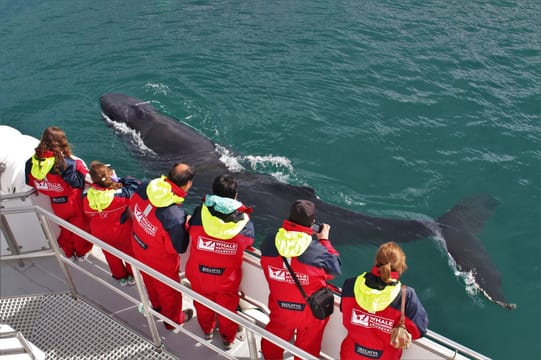
Akureyri Classic Whale Watching
4.6(5)
From€104.18
/ person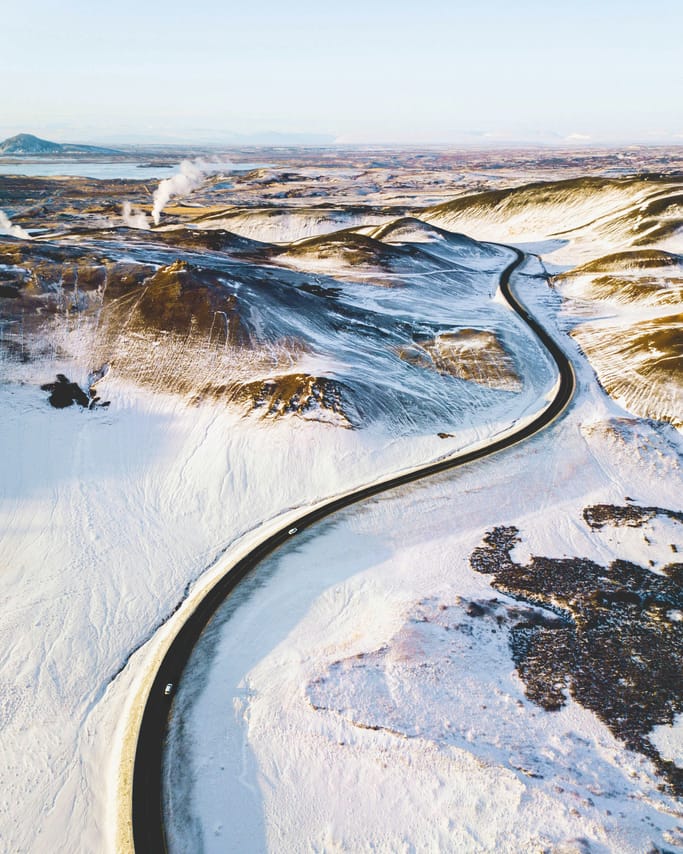
 1 / 10
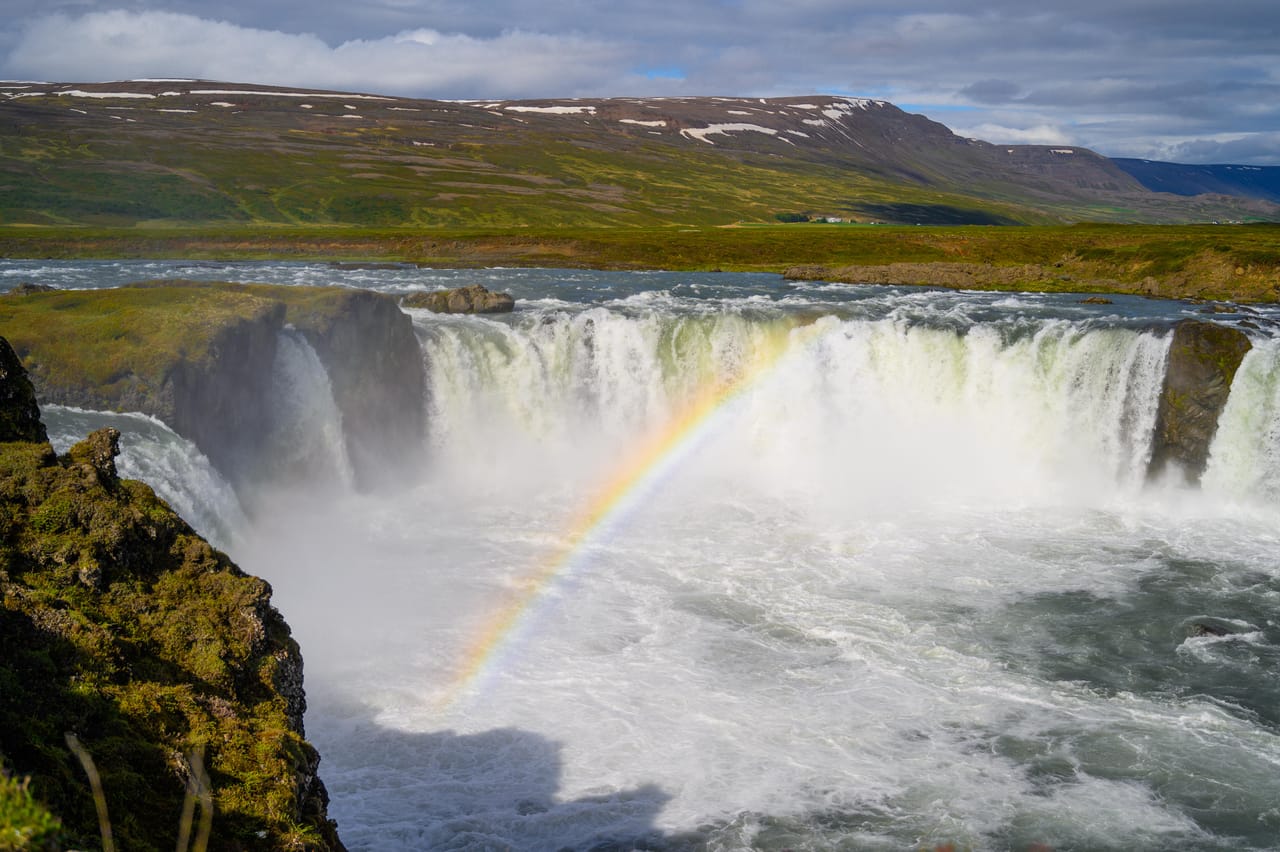
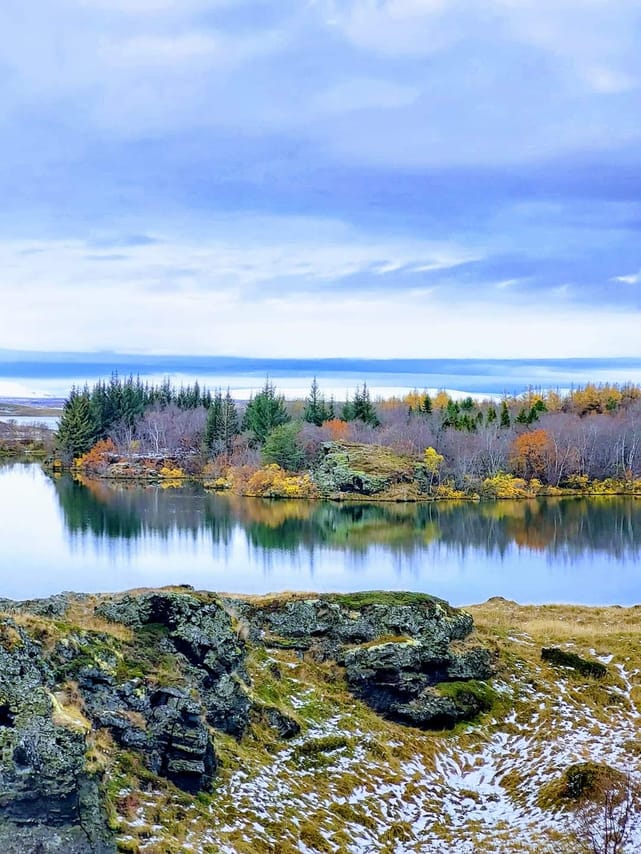
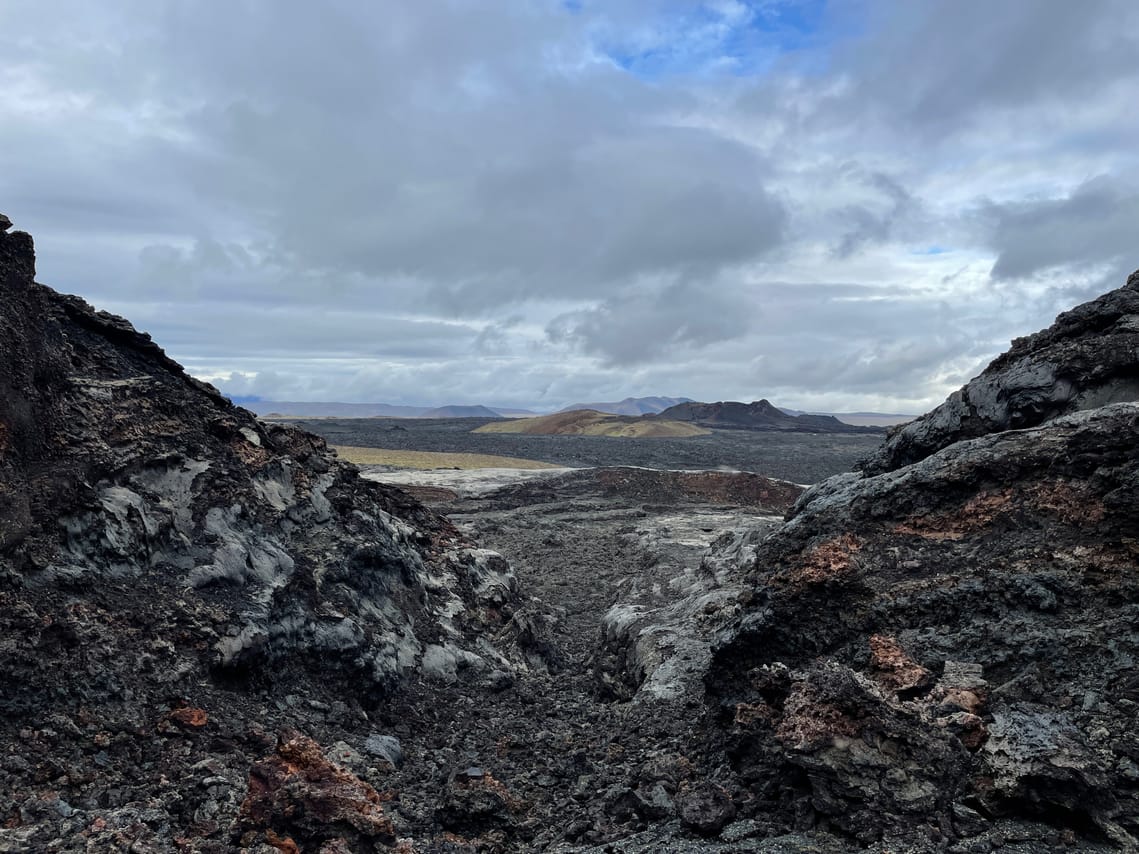
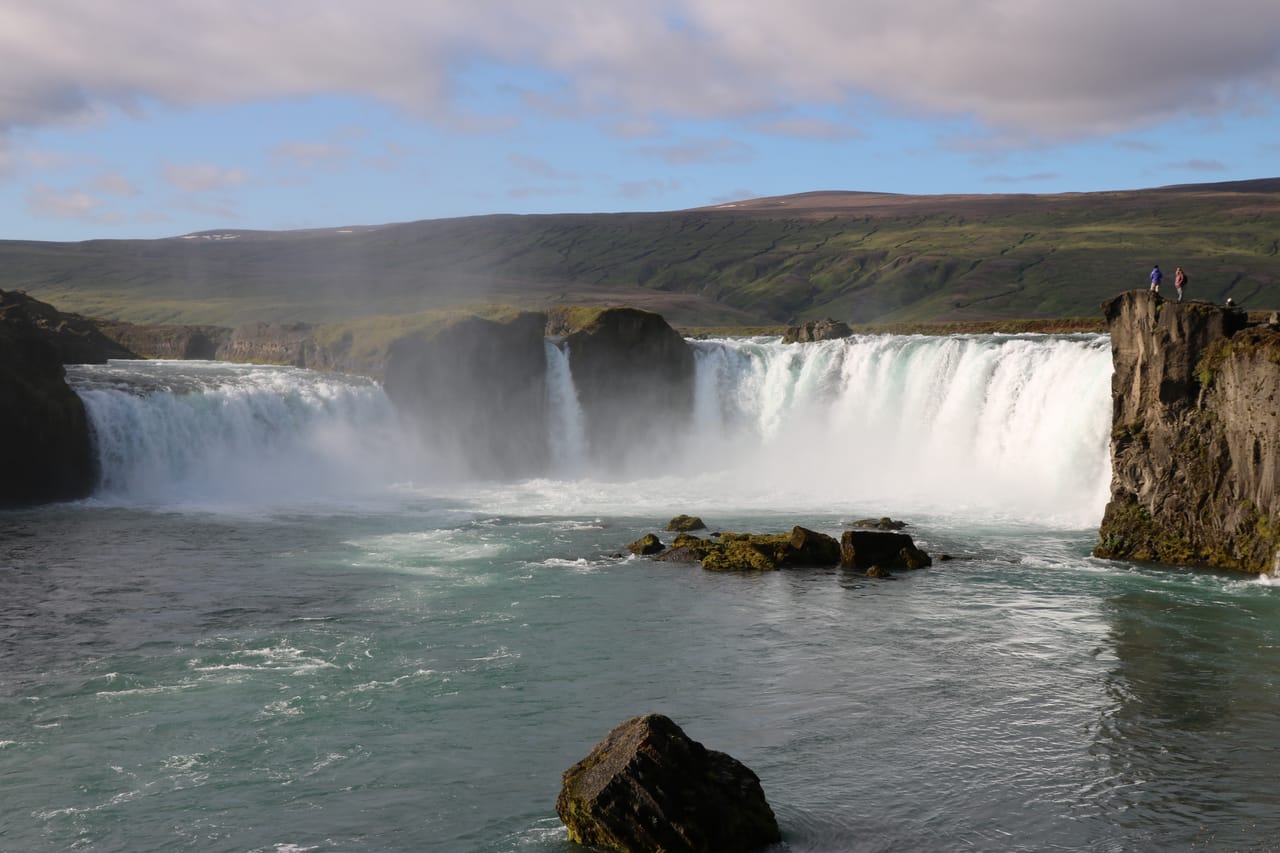
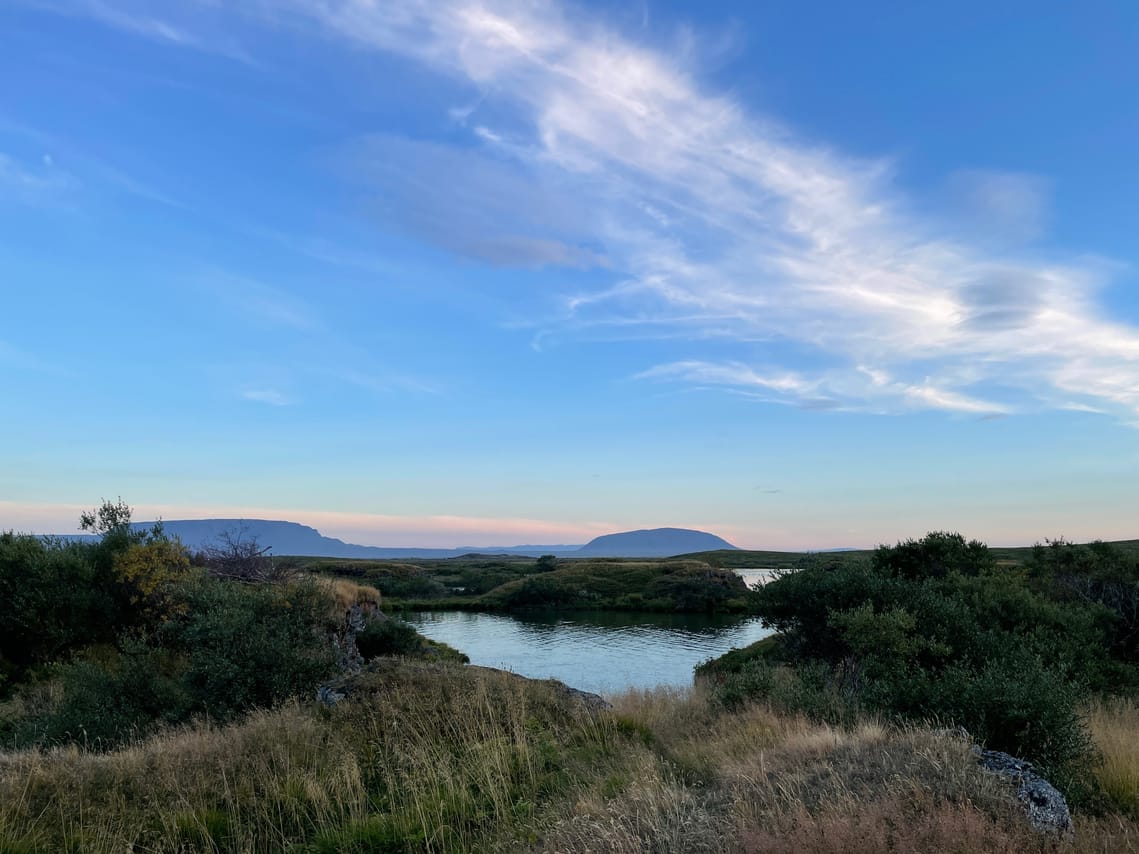
Explore Iceland's geothermally active north on a comprehensive 8-hour tour combining Goðafoss waterfall, the volcanic crater lake Mývatn (formed 2,300 years ago), and otherworldly lava formations. This route showcases dramatic fjord coastlines, steaming hot spring fields, and uniquely sculpted basalt landscapes that define North Iceland's raw geological character.
Lake Mývatn and the surroundings are a must-see while exploring the North!
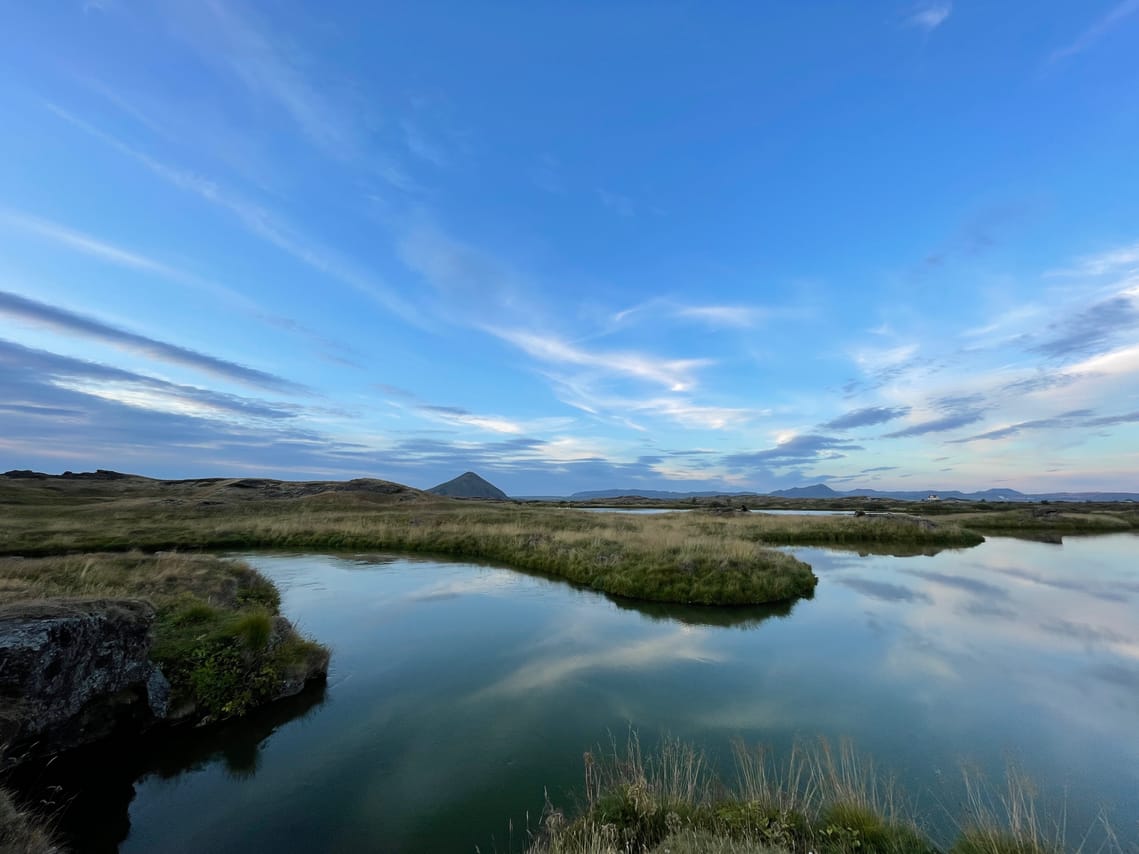
First, we drive along the coast of Eyjafjörður, one of the longest fjords in Iceland. We begin by stopping at Goðafoss waterfall, one of the most spectacular waterfalls in Iceland, on our way to Lake Mývatn, the lake was created by a large basaltic lava eruption 2300 years ago, and the surrounding landscape is dominated by volcanic landforms, including lava pillars and rootless vents.
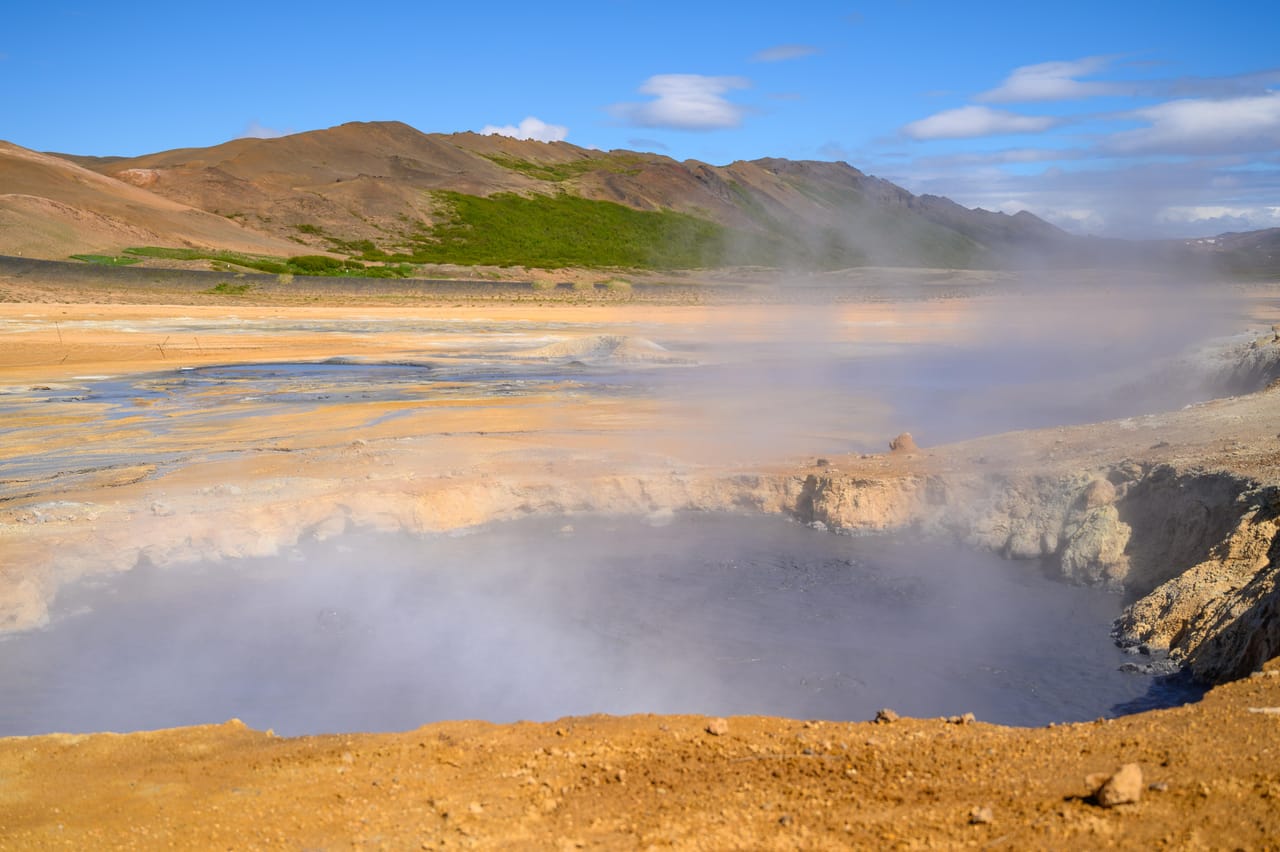
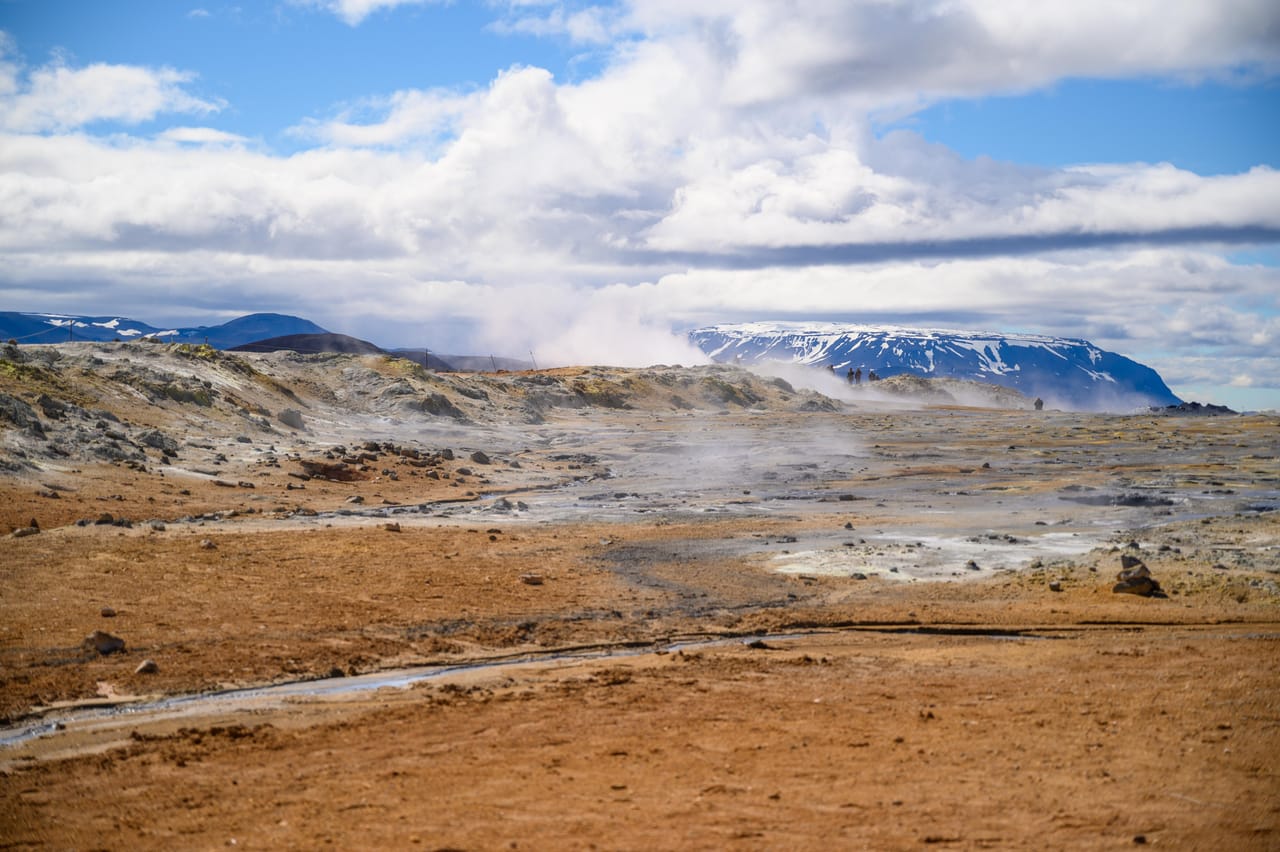
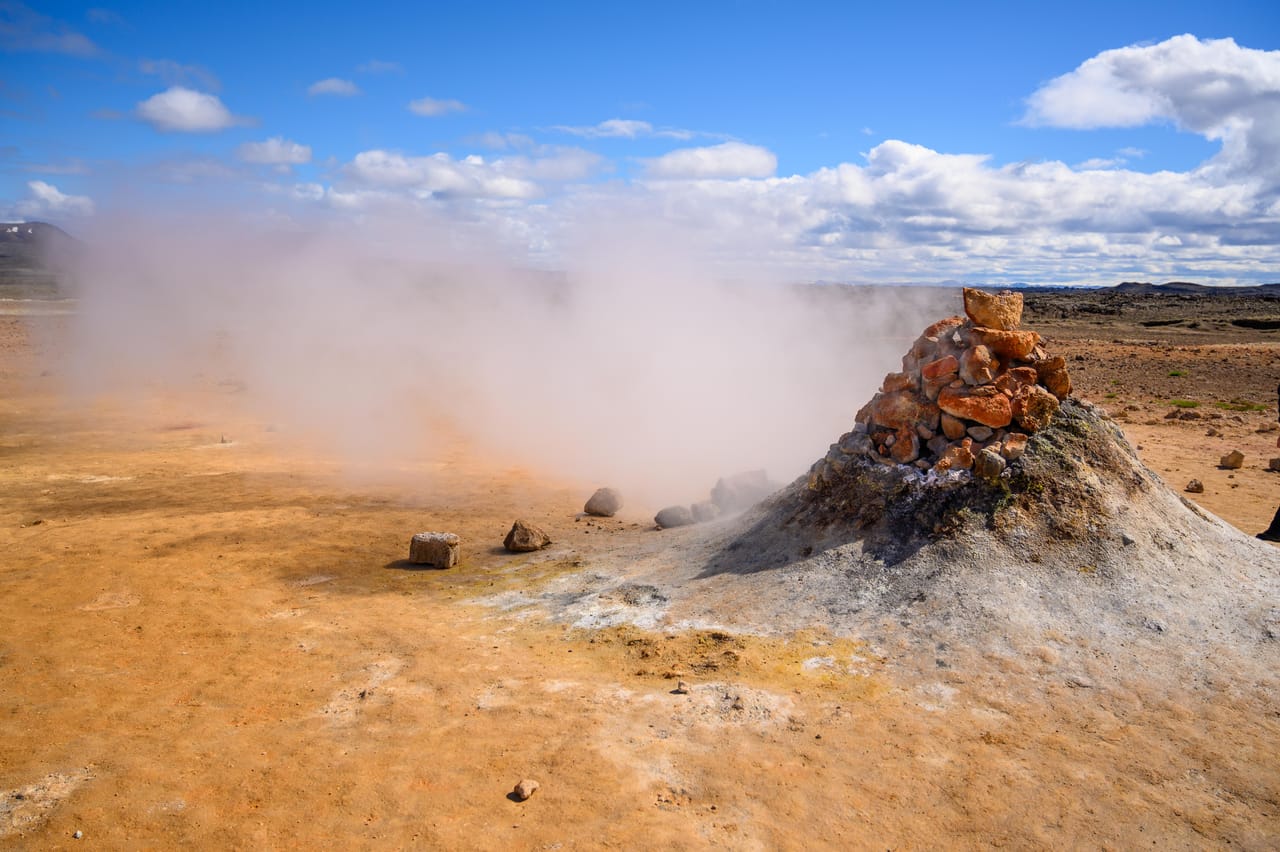
We take a look at Grjótagjá cave and a stop at the hot spring area at Hverarönd in Námaskarð.
On the way back we come to the unique lava formations of Dimmuborgir which are among the most popular tourist attractions in the Lake Mývatn area, we stop also in Skútustaðagígar (pseudocraters area).
Our last stop is in Eyjafjörður where you can see over the fjord to Akureyri and take a great photo.
We are visiting Forest Lagoon until the Earth Lagoon will be reopened again.
Late May to September offers the most stable weather and longest daylight; June–August provides midnight sun conditions ideal for photography. Avoid winter months (November–March) when snow and ice can make volcanic terrain hazardous and shorten daylight significantly.
Based on 3 ratings
Top-rated, great-value activities in Akureyri