From Udawalawa: Sinharaja Trekking Day Tour 1
 From Udawalawa: Sinharaja Trekking Day Tour 2
 From Udawalawa: Sinharaja Trekking Day Tour 3
 From Udawalawa: Sinharaja Trekking Day Tour 4
 From Udawalawa: Sinharaja Trekking Day Tour 5
 From Udawalawa: Sinharaja Trekking Day Tour 6
 From Udawalawa: Sinharaja Trekking Day Tour 7
 From Udawalawa: Sinharaja Trekking Day Tour 8
 From Udawalawa: Sinharaja Trekking Day Tour 9
 From Udawalawa: Sinharaja Trekking Day Tour 10
Top Deal1 / 10

From Udawalawa: Sinharaja Trekking Day Tour

(3)
Udawalawa, Sri Lanka
Day Trips & ExcursionsBus & Minivan ToursLuxuryAdventure ToursWalking Tours
Instant confirmationSecure checkoutNo hidden fees

About this activity

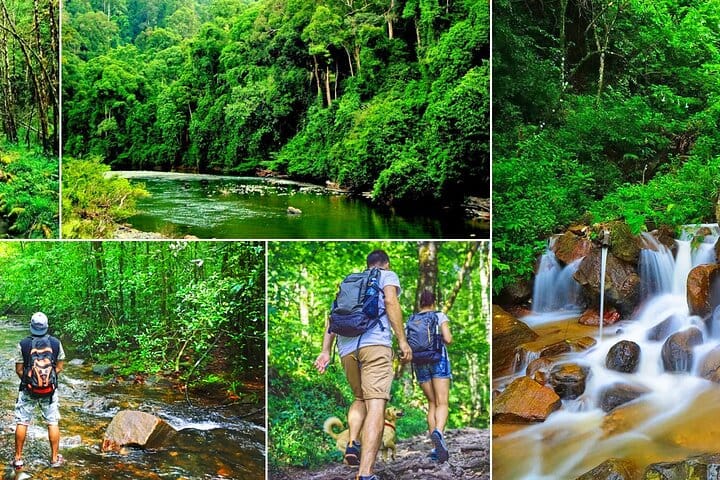
Trek through Sinharaja, Sri Lanka's most biodiverse rainforest and UNESCO World Heritage Site, on a 9-hour guided day tour from Udawalawa. This pristine lowland forest reserve teems with endemic wildlife—20 of Sri Lanka's 26 endemic bird species, leopards, and Purple-faced Langurs—making it one of Asia's richest ecosystems despite its compact 21×7 km size.

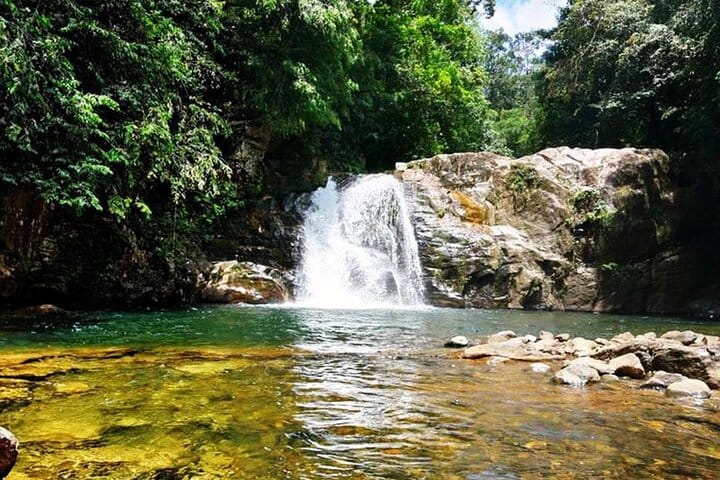
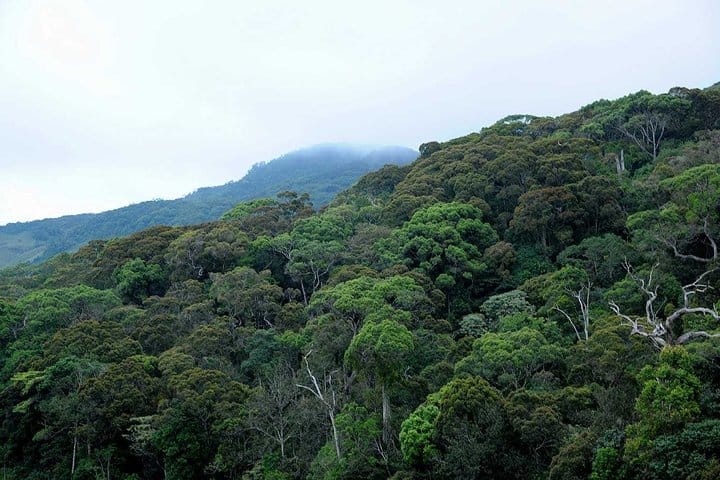
Visiting Sinharaja Rain forest during Sinharaja day tour - Sinharaja Forest Reserve is a national park and a biodiversity hotspot in Sri Lanka. It is of international significance and has been designated a Biosphere Reserve and World Heritage Site by UNESCO.

The hilly virgin rainforest, part of the Sri Lanka lowland rain forests ecoregion, was saved from the worst of commercial logging by its inaccessibility and was designated a World Biosphere Reserve in 1978 and a World Heritage Site in 1988. The reserve's name translates as Kingdom of the Lion.

The reserve is only 21 km (13 mi) from east to west, and a maximum of 7 km (4.3 mi) from north to south, but it is a treasure trove of endemic species, including trees, insects, amphibians, reptiles, birds, and mammals.

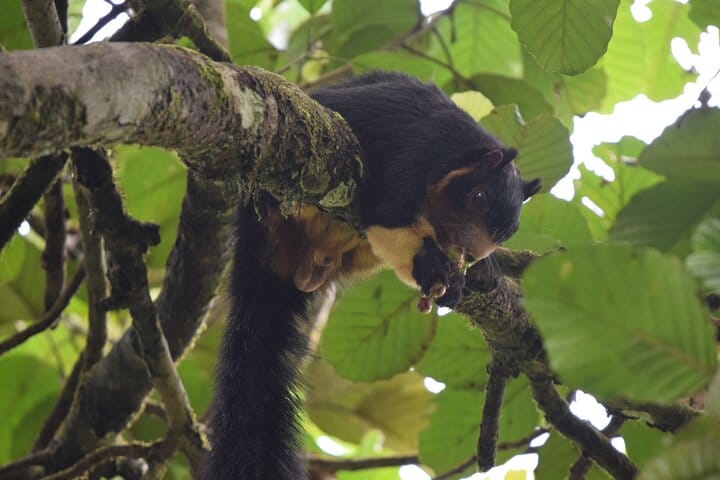
Because of the dense vegetation, wildlife is not as easily seen as at dry-zone national parks such as Yala. There are about 3 elephants and the 15 or so leopards are rarely seen. The most common larger mammal is the endemic Purple-faced Langur.

An interesting phenomenon is that birds tend to move in mixed feeding flocks, invariably led by the fearless Greater Racket-tailed Drongo and the noisy Orange-billed Babbler. 

Of Sri Lanka's 26 endemic birds, the 20 rainforest species all occur here, including the elusive Red-faced Malkoha, Green-billed Coucal, and Sri Lanka Blue Magpie.

Highlights

  • Spot 20 endemic bird species including the elusive Red-faced Malkoha and Sri Lanka Blue Magpie
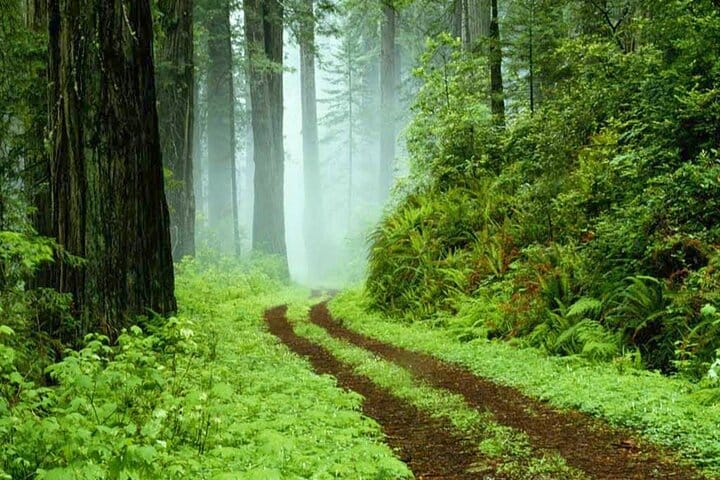
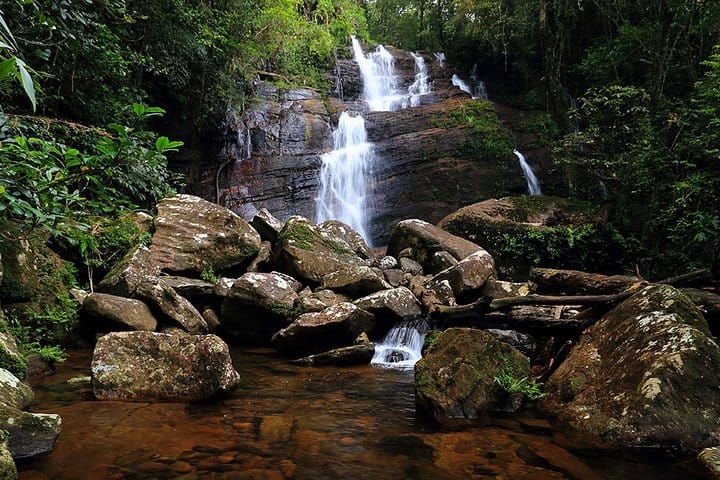
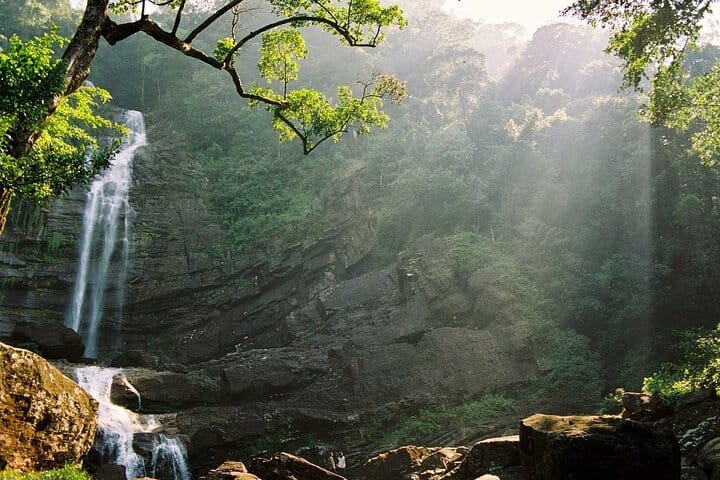
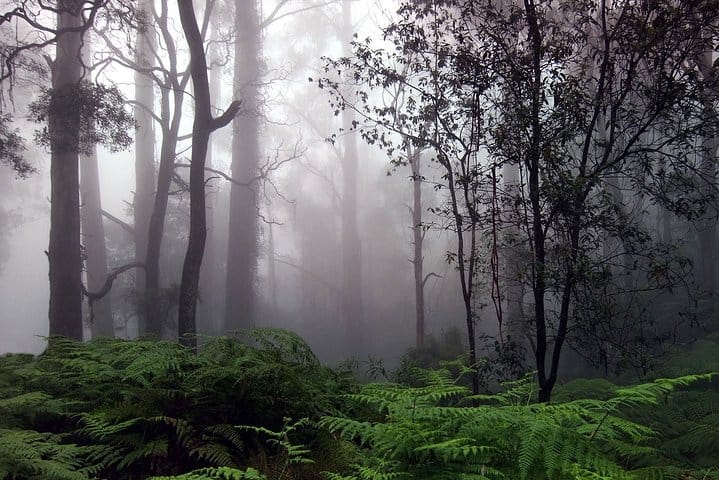
  • Trek through undisturbed virgin rainforest with dense canopy and 3,000+ plant species
  • Track Purple-faced Langurs and potentially glimpse rare leopards in their natural habitat
  • Experience mixed-species bird feeding flocks led by Greater Racket-tailed Drongos
  • UNESCO World Heritage Site and international Biosphere Reserve since 1978–1988

Insider tips

  • Go early morning (first light) for peak bird activity and wildlife visibility; afternoon trips yield fewer sightings due to heat
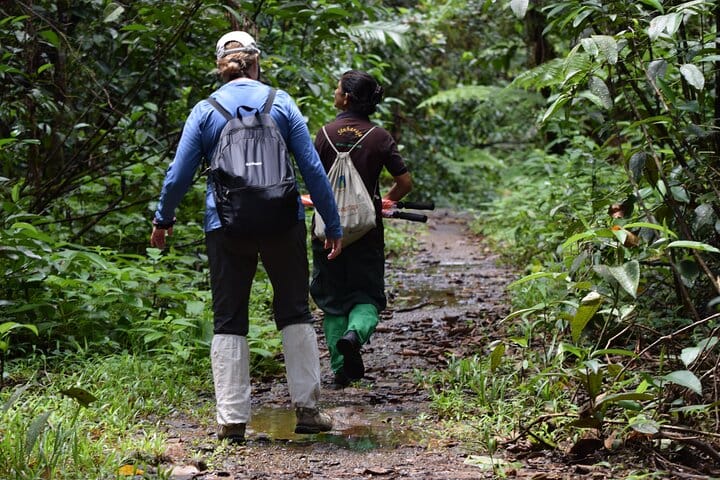
  • Hire a local naturalist guide—they spot camouflaged species you'd miss; invaluable for rainforest trekking
  • Binoculars and a bird/wildlife field guide are essential; dense vegetation limits spotting without them
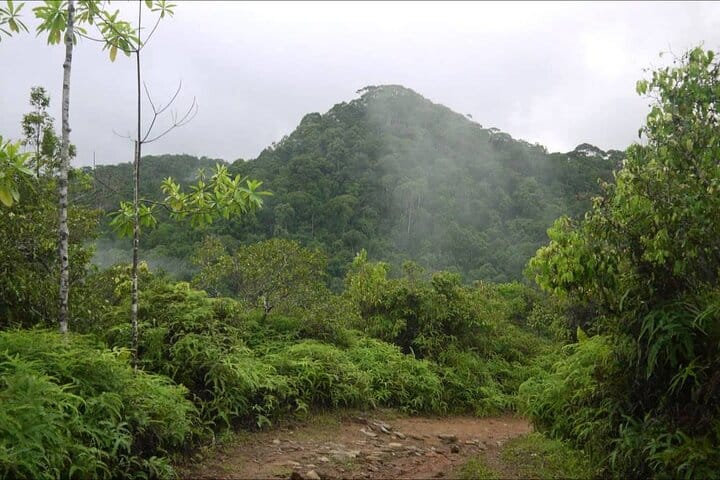
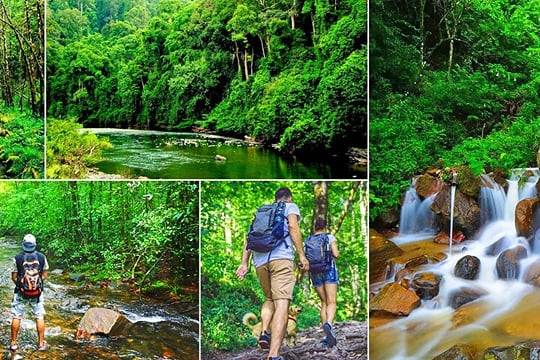
  • Wear waterproof gear and sturdy hiking boots; the forest remains wet year-round and trails are muddy and steep

Good to know

  • Duration includes 9 hours total; factor in 2–3 hours driving from Udawalawa to the reserve
  • Bring: lightweight rain jacket, sturdy waterproof hiking boots, binoculars, insect repellent, sun protection, and plenty of water
  • Terrain is challenging—steep, slippery trails with dense vegetation; moderate to high fitness required
  • Limited mobile signal and no facilities within the reserve; bring snacks and all supplies from Udawalawa
  • Small group sizes (typically 4–8 people) enhance wildlife spotting and guide attention

Who it's for

Birdwatchers and wildlife enthusiasts seeking endemic species and biodiversity hotspotsAdventure hikers comfortable with challenging terrain and immersive rainforest experiencesNature photographers targeting rare species and pristine forest canopy shotsEco-conscious travellers interested in UNESCO sites and conservation-focused destinations

Best time to visit

Visit during the Southwest Monsoon (May–September) when the forest is lushest and bird activity peaks; early morning starts (6–7 am) are critical for wildlife sightings before heat and noise reduce activity. Avoid midday heat for better comfort and animal encounters.

Frequently asked questions

Available
From€152
per person