 Most Popular
Kandy9h
Amazing Sembuwatta Lake Day Tour (German & English)
4.7(3)
From€96.88€95.27
/ person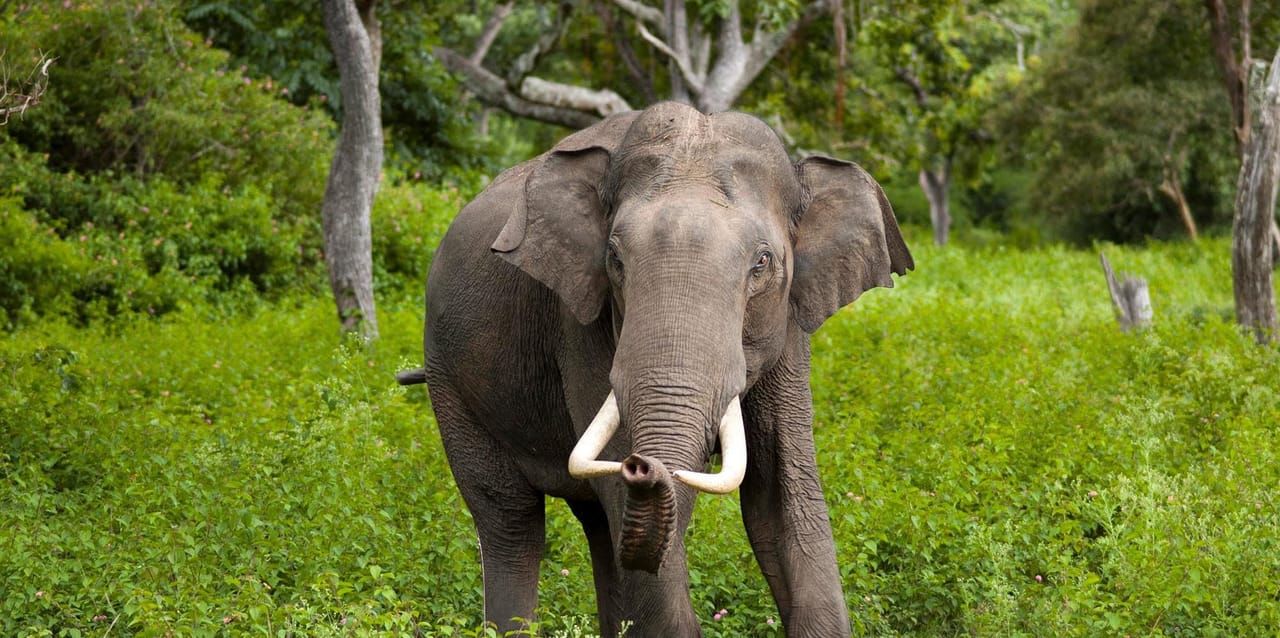

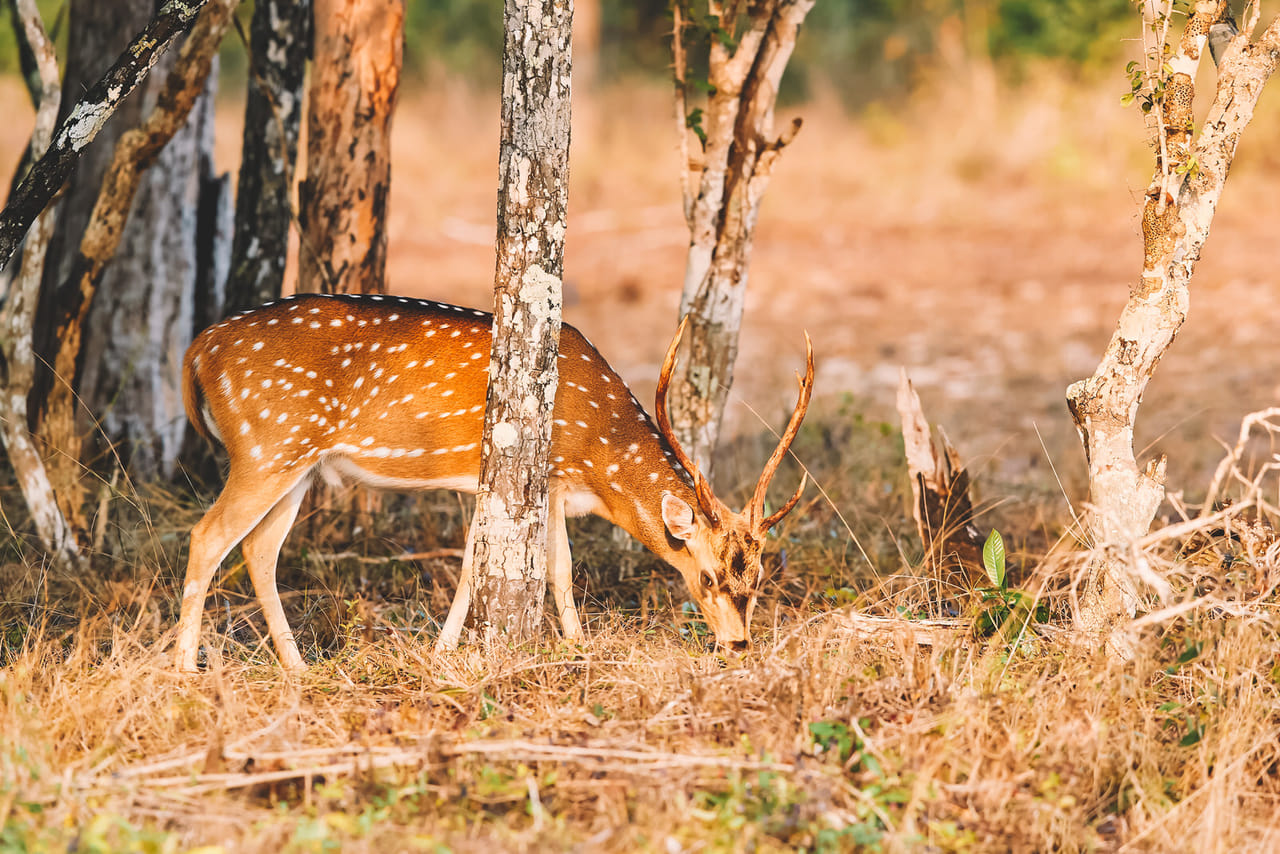
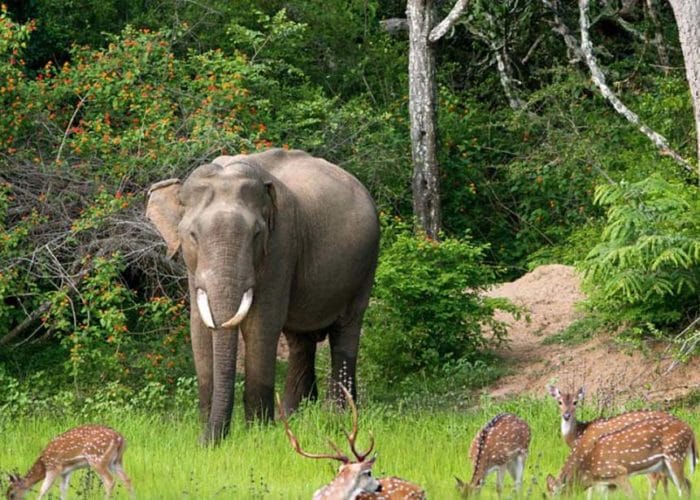
Explore one of Sri Lanka's oldest and most biodiverse protected areas on a full-day safari from Kandy, home to 31+ mammal species, scenic lakes (locally called 'villus'), and important cultural heritage sites. Wilpattu's varied landscape—from deep forests to grasslands and freshwater lakes—offers exceptional wildlife viewing opportunities away from the more crowded southern parks.
Wilpattu National park is among the oldest and most important protected areas in Sri Lanka. It also contains a number of important cultural sites.
The sanctuary lies inland from the coast and is entirely within Northern Province. It is contiguous with the park, the intervening boundary being marked by the Moderagam Aru.
The only practical access from Colombo would be via Negombo, Chilaw, and Puttalam. The turn-off is at the little hamlet of Thimbiriwewa on the 28th milepost along the Puttalam Anuradhapura road and the park office where one obtains a permit and a guide is at Hunuwilagama 8km from the turn-off.
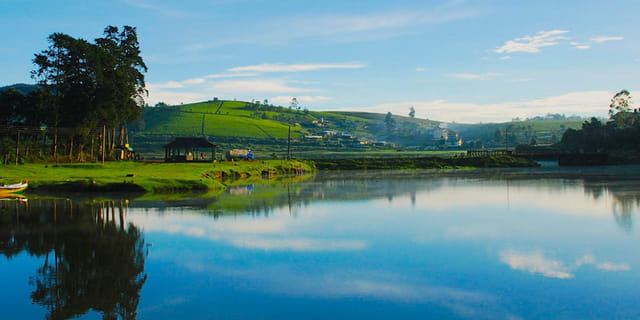
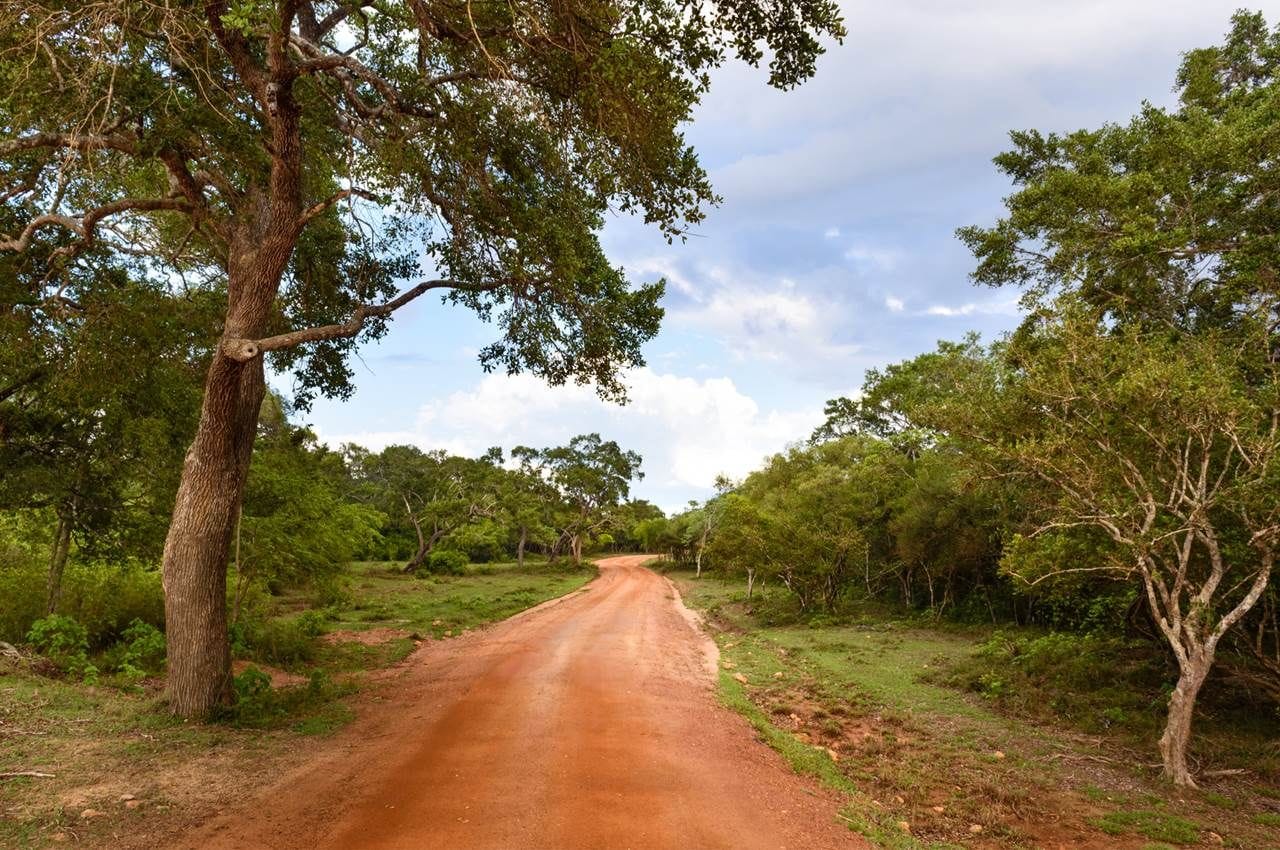
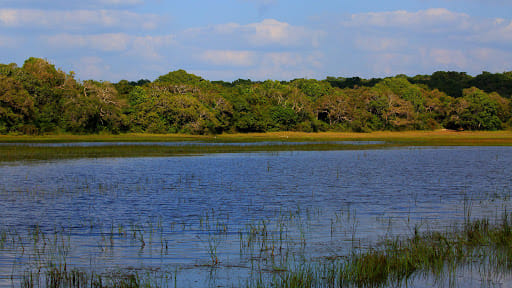
The main topographical feature in this park is the concentration of “villus” or “lakes” within it. The striking feature, though confined to certain sectors of the park, is copper red, loamy soils extremely varied.
The western sector of the park with deeply forested areas and thorny bushes is reminiscent of Yala National Park in southern Sri Lanka. Characterized by inter-monsoon rains in March and April, and extensive drought from May until early September, and a major rainy season (Northern Monsoon) from September until December.
Mammalian diversity and ecological densities are highest in such ecotones as the interfaces between forest, scrub, and grasslands converge in the west and the “villus” and drainage systems in the center of the park.
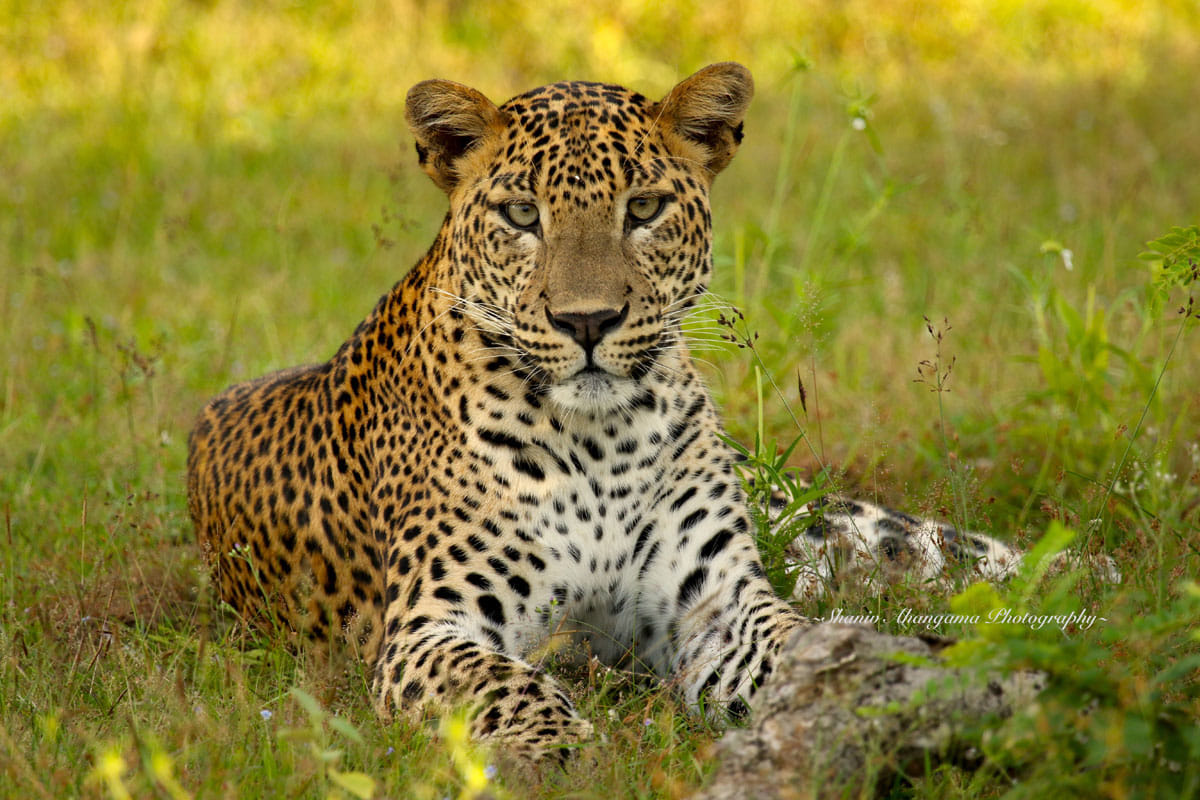
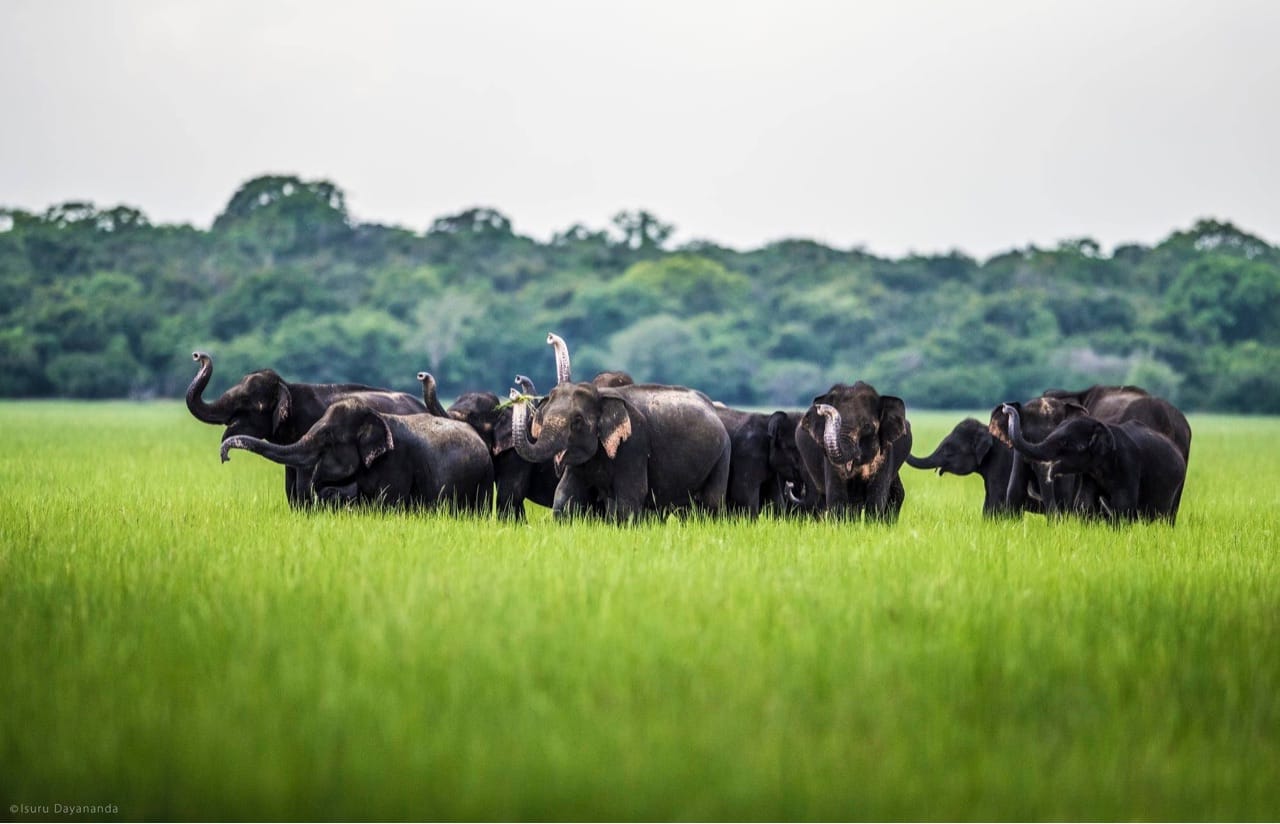
A total of 31 species of mammals have been recorded but additional species of Rodentia and Chiroptera undoubtedly present. Among the most conspicuous reptiles are common.
Visit during the dry season (May–early September) for optimal wildlife visibility and road conditions, though March–April offers scenic landscapes post-monsoon. Early morning (dawn to mid-morning) provides the best chance of spotting mammals when they are most active.
Based on 3 ratings
Top-rated, great-value activities in Kandy