5.0
Top Deal
3 hours
Instant Confirmation
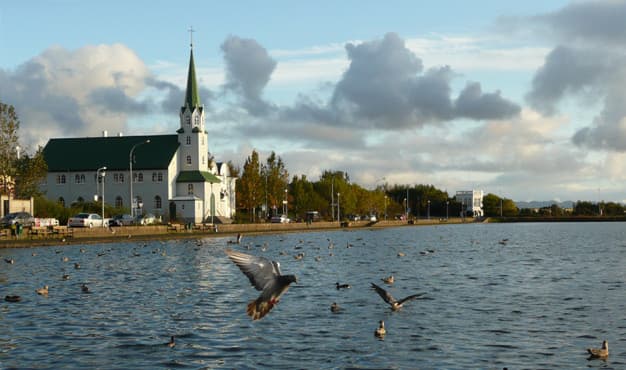
City Tour Reykjavík
Our tour will include stops at the viking boat Solfar, or the Sun Voyager, set against the impressive backdrop of Mount...
Reykjavík
Price on request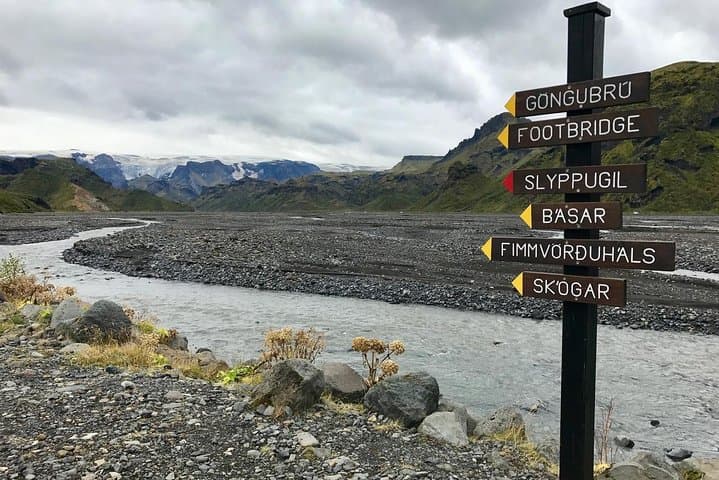
Iceland has no mosquitoes despite having plenty of other insects.
<p style="font-size:14px;line-height:1.6;color:#57646f;margin-top:0.5em;margin-bottom:0.5em">The amazing Fimmvörðuháls Trek is certainly one of the most popular hike amongst locals. This 25 km hike offers stunning landscapes, including everything from craters, volcanoes, glaciers, dosens of waterfalls and one of the most picturesque nature reserve in Iceland. The hike passes Eyjafjallajökull volcano, which is famous for it´s 2010 volcanic eruption, forming two new craters, Magni and Móði. The hike takes you from one of the most famous waterfalls in Iceland, Skógafoss, to Thorsmörk, the valley of Thor. A moderate hike, with a good rest at the top, until we hike downhill to Þórsmörk Nature Reserve.</p><p style="font-size:14px;line-height:1.6;color:#57646f;margin-top:0.5em;margin-bottom:0.5em">The name Fimmvörðuháls can be broken down into two words: ‘Fimm’ meaning five and ‘vörður’ meaning cairns. In the past, before technology, local people used cairns, piles of rocks, as a navigation system, to get from one place to another. They are particularly found on plains or mountains, where sudden change in weather, fog or blizzards, could lead to the traveller loosing orientation and sometimes get lost. Fimmvörðuháls means that you have to keep an eye on the 5 cairns on your way, in order to ensure you’re also headed in the right direction. Icelanders always put a new rock into the cairn every time they pass as a way to say thank you to the others before them, and to help the ones that will come after, by making the cairn even more visible. On this trek, you will not only follow in the footsteps of the Vikings, but you’ll also encounter a newly formed geological features, namely the two craters, Magni og Móði, that were formed during the 2010 Eyjafjallajökull volcanic eruption.</p>
No reviews yet for this activity.
Our tour will include stops at the viking boat Solfar, or the Sun Voyager, set against the impressive backdrop of Mount...
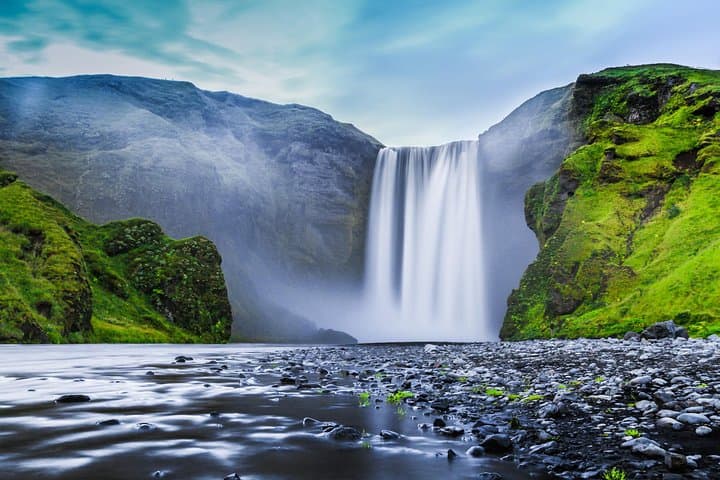
Join our Private Luxury Jeep Tour to Iceland's South Coast to see its great attractions in total luxury and comfort,...
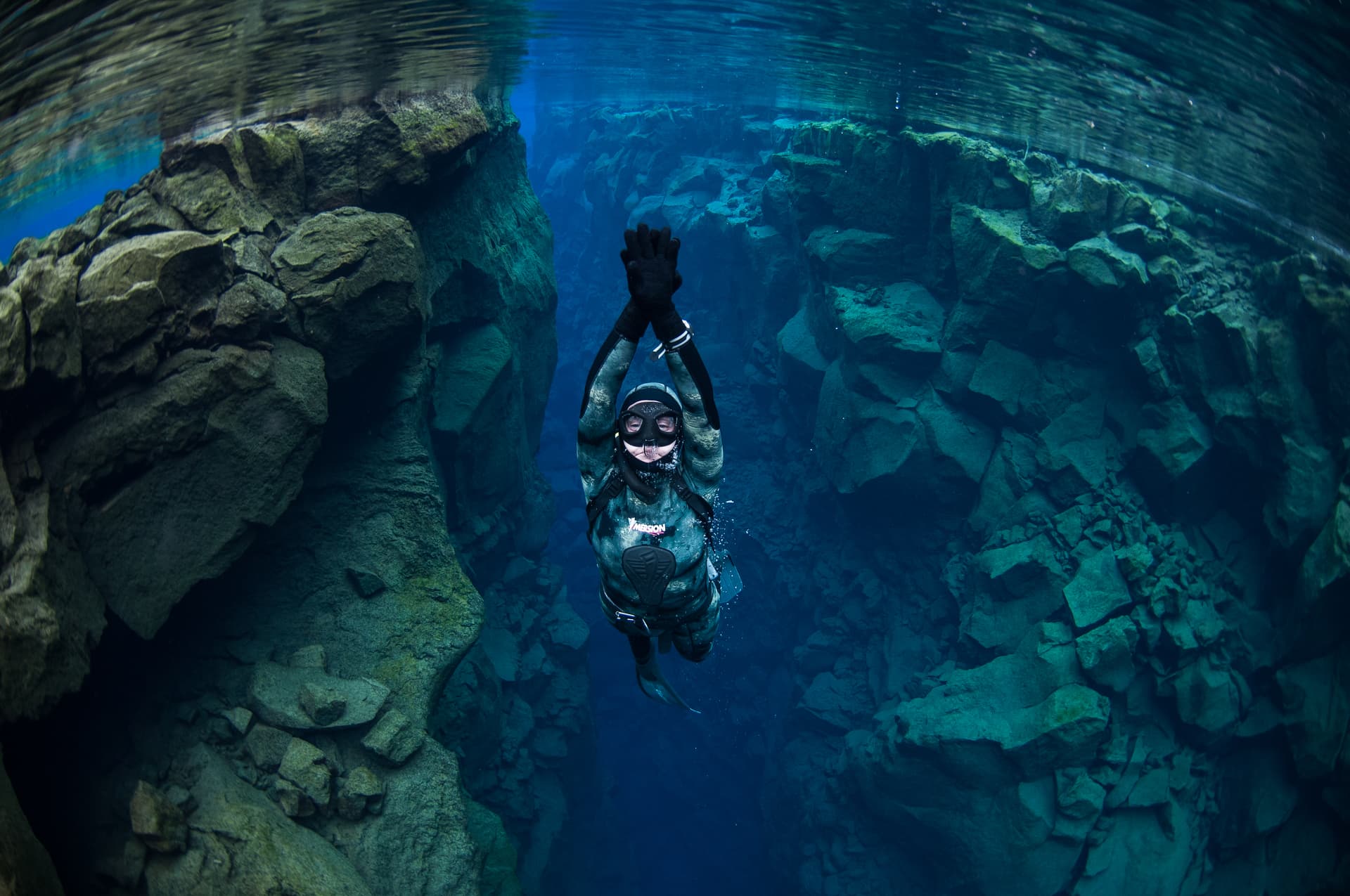
No certificate needed! Snorkel in best visibility with best snorkel wetsuit equipment. Safety is our priority. All...
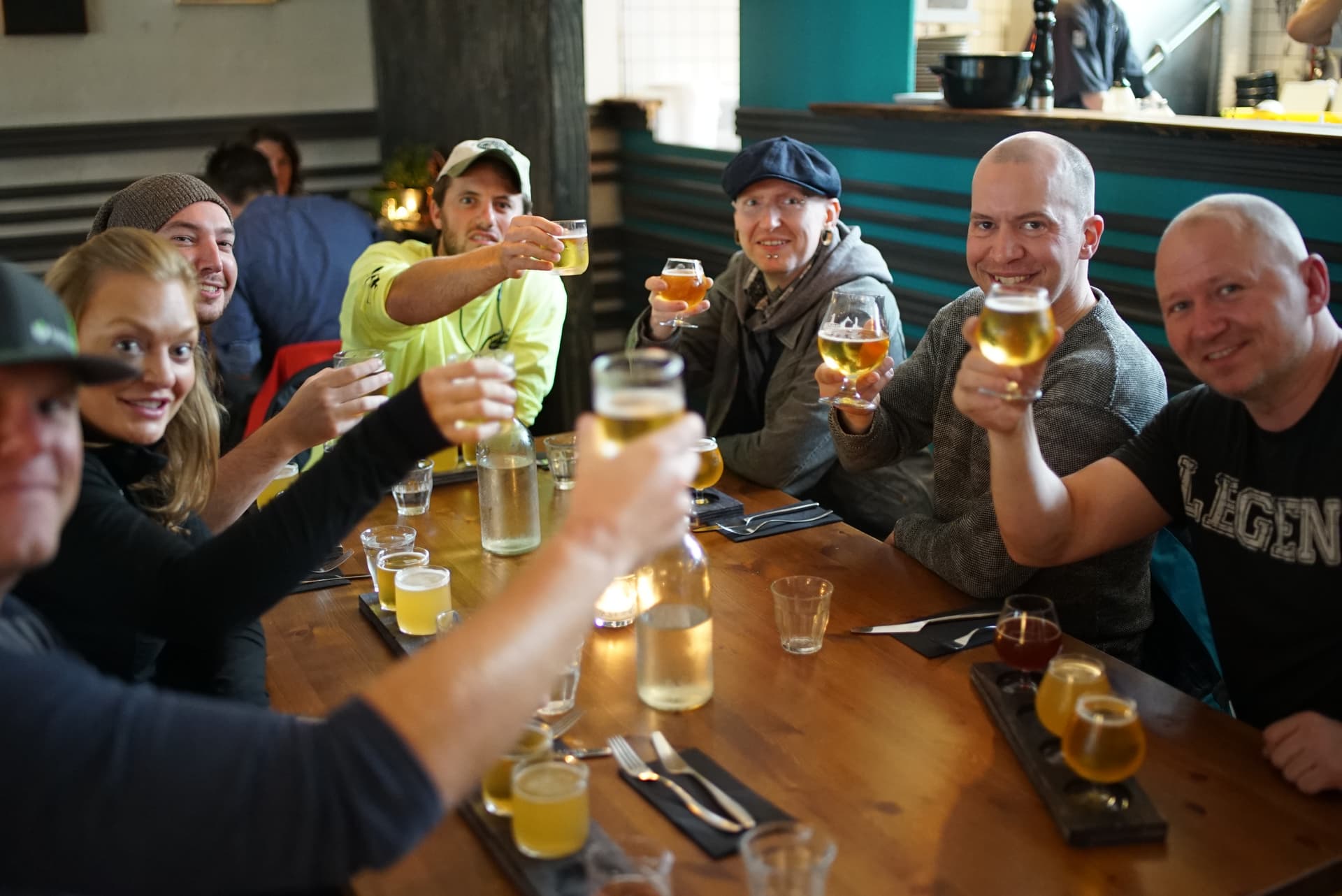
Your Reykjavik Beer & Booze tour will take you to three of the best bars in Reykjavik