Private Tour to Dmanisi & Bolnisi from Tbilisi with Museums, Oldest Church & Lunch
1 / 10

Explore Dmanisi & Bolnisi: Private Trip with Museums

(5)
Tbilisi, Georgia
Cultural ToursDay Trips & ExcursionsBus & Minivan ToursSightseeing ToursEducational Tour
Instant confirmationSecure checkoutNo hidden fees

About this activity

A comprehensive 10-hour private journey through Georgia's most significant archaeological and architectural sites, centred on Dmanisi—home to Europe's oldest human remains dating back 1.8 million years—and the medieval religious landmarks of Bolnisi. Combine world-class palaeontology, early Christian heritage, and local gastronomy in one immersive day trip from Tbilisi.

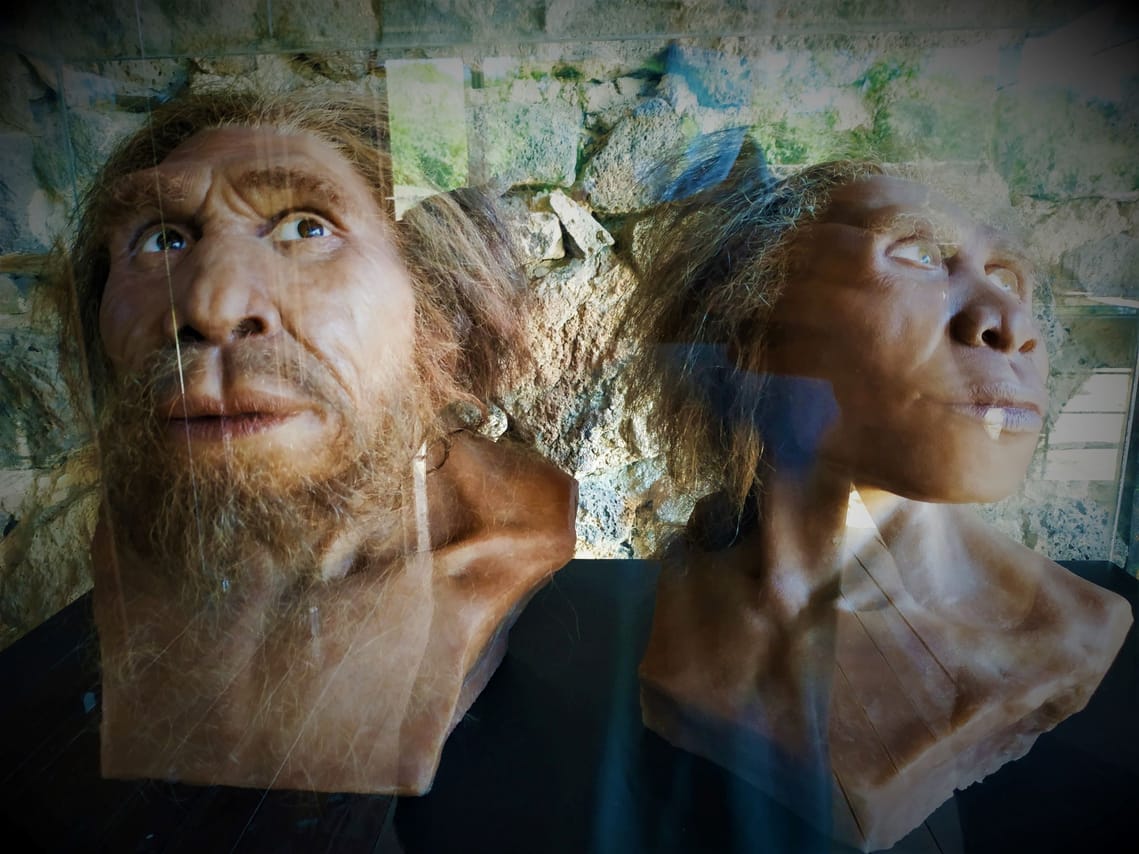
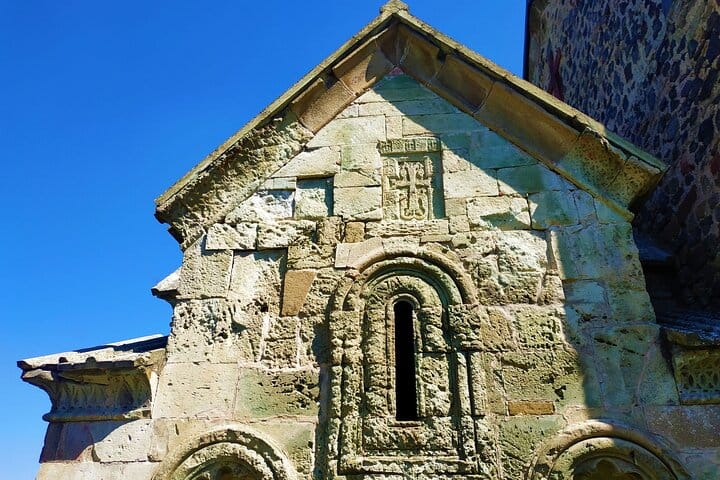
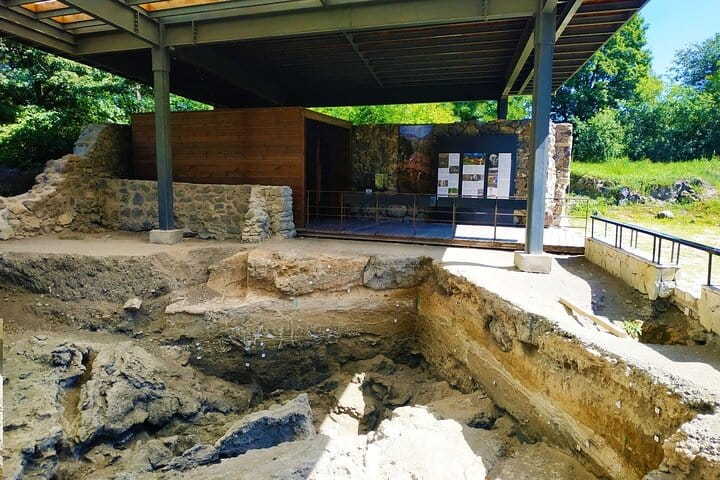
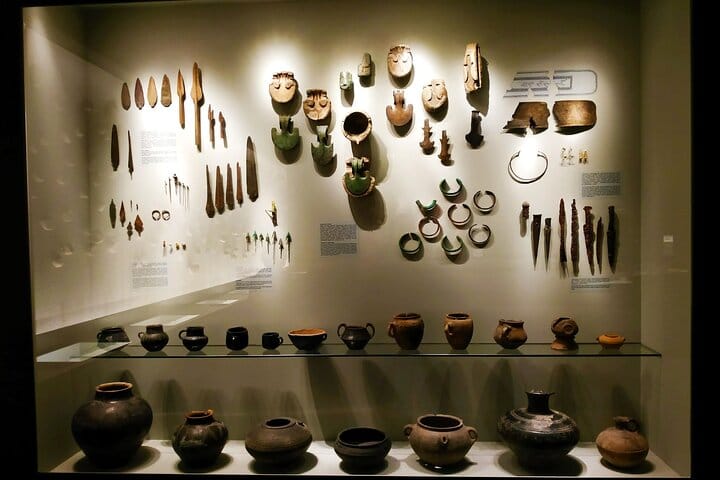
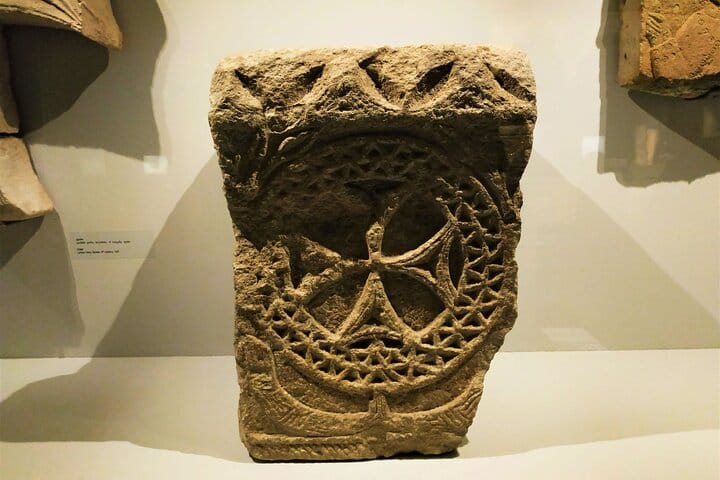
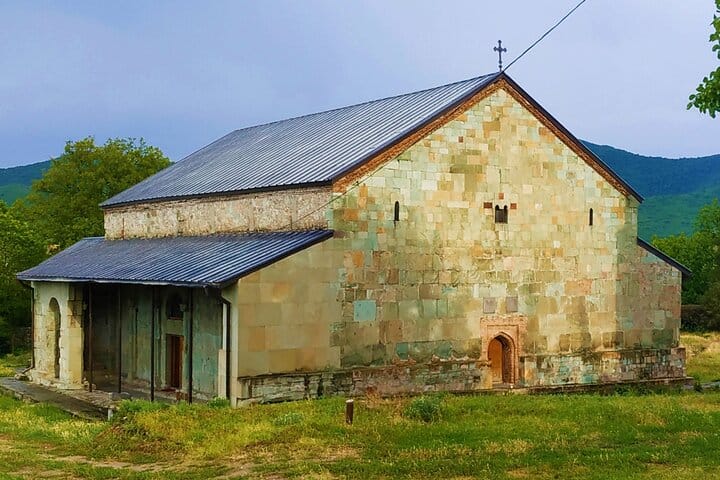
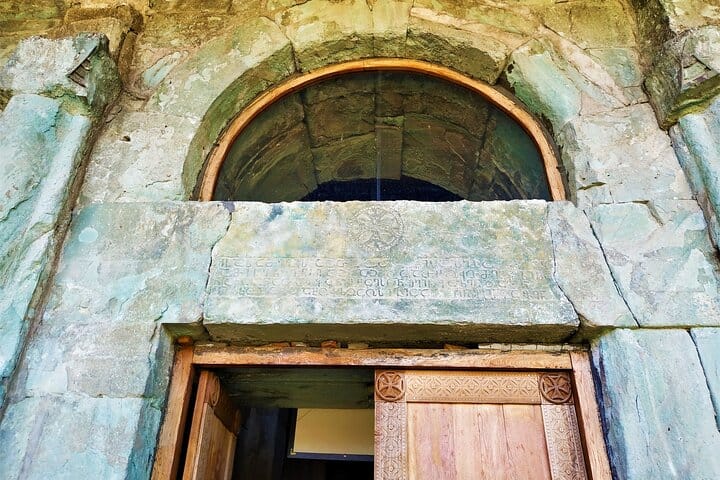
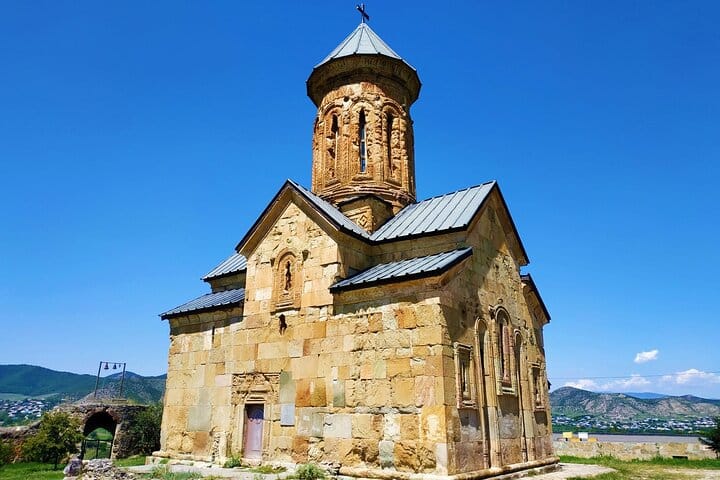
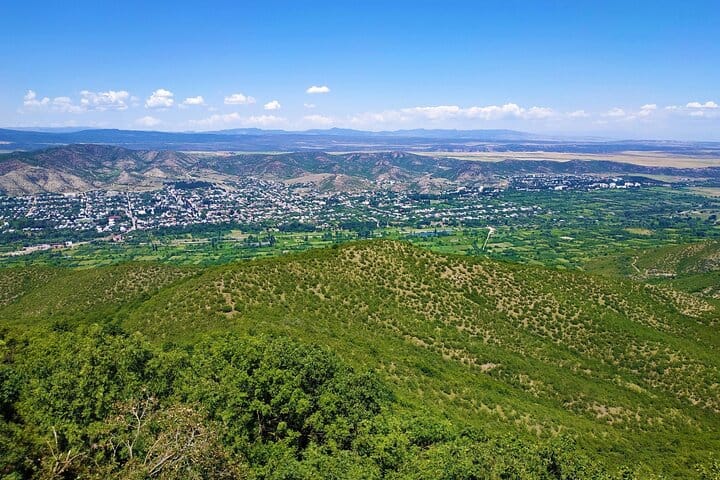
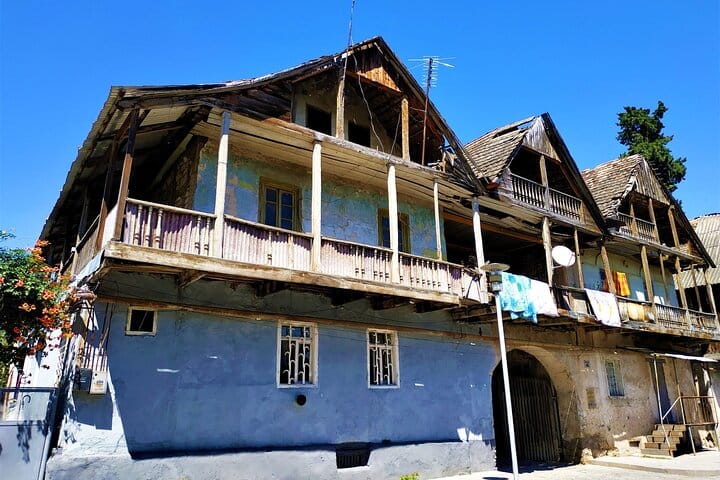
Private full day tour to Dmanisi and Bolnisi includes visiting Dmanisi Archeological Site, where 1.8 million years old human skeletons Zezva and Mzia- the oldest human remains in Europe - were found, Dmanisi Sioni cathedral built in the 6th century, Bolnisi Sioni Cathedral that is the oldest church in Georgia built in 478–493 and Tsughrughasheni Church built in the 13th century. Tour includes visiting Bolnisi Museum that has exhibits about the history of the first hominins, Bronze Age cultures, early-Christian architecture and German population who immigrated to Georgia 200 years ago. Tour also includes visiting German settlement in Bolnisi (Katharinenfeld) and St. Peter and Paul Church on Mount Elia. Tour includes lunch to taste traditional local cuisine and wine tasting to try endemic wines of the region. Tour is suitable for people who are interested in history of humankind, history of Germans settlements in Georgia and early Christian architecture. Total drive 250 km (155 miles).

Highlights

  • Walk through Dmanisi Archaeological Site where Zezva and Mzia—Europe's oldest human skeletons—were discovered
  • Explore 6th-century Dmanisi Sioni Cathedral and Georgia's oldest church, Bolnisi Sioni (478–493 CE)
  • Visit Bolnisi Museum's exhibits on early hominins, Bronze Age cultures, and 18th-century German settlement history
  • Discover the German village Katharinenfeld and St. Peter & Paul Church on Mount Elia
  • Taste regional endemic wines and traditional Georgian cuisine at lunch
  • 250 km round-trip through the southern Georgian countryside

Insider tips

  • Wear sturdy shoes for the archaeological site; the terrain is uneven and can be muddy after rain
  • Arrive early in the day to maximise time at Dmanisi before afternoon light fades for photography
  • Ask your guide about the story of the Zezva and Mzia skeletons—the narratives around their discovery add depth to the experience
  • The German settlement section appeals strongly to those researching diaspora communities; mention specific interests to your guide beforehand

Good to know

  • Private tour means flexible itinerary and pacing suited to your interests
  • Total driving distance is 250 km; expect 4–5 hours of travel time split across the day
  • Lunch and wine tasting are included; inform operator of dietary restrictions in advance
  • Museum exhibits cover palaeontology, early Christianity, and diaspora history; combine these for a multidisciplinary learning experience
  • Comfortable clothing and sun protection recommended; the region is relatively remote with limited shade at archaeological site

Who it's for

History and archaeology enthusiasts seeking Europe's deepest human originsCultural heritage travellers interested in early Christian architecture and Georgian religious sitesEducational travellers (students, researchers) studying human evolution or diaspora communitiesWine and food explorers wanting regional cuisine paired with endemic Georgian wines

Best time to visit

Spring (April–May) and autumn (September–October) offer mild temperatures and clear visibility for both outdoor exploration and photography. Avoid winter when mountain roads may be affected by weather; summer heat can be intense at the exposed archaeological site.

Frequently asked questions

Available
From€233
per person