Cycling the Aran Islands on the Wild Atlantic Way
Cycling Inishmore Island. Aran Islands. Self Guided.  2
Cycling Inishmore Island. Aran Islands. Self Guided.  3
Cycling Inishmore Island. Aran Islands. Self Guided.  4
Cycling Inishmore Island. Aran Islands. Self Guided.  5
Cycling Inishmore Island. Aran Islands. Self Guided.  6
Cycling Inishmore Island. Aran Islands. Self Guided.  7
Cycling Inishmore Island. Aran Islands. Self Guided.  8
Cycling Inishmore Island. Aran Islands. Self Guided.  9
Cycling Inishmore Island. Aran Islands. Self Guided.  10
1 / 10

Cycling Inishmore Island. Aran Islands. Self Guided.

(5)
Galway, Ireland
Bike Tours

About this activity

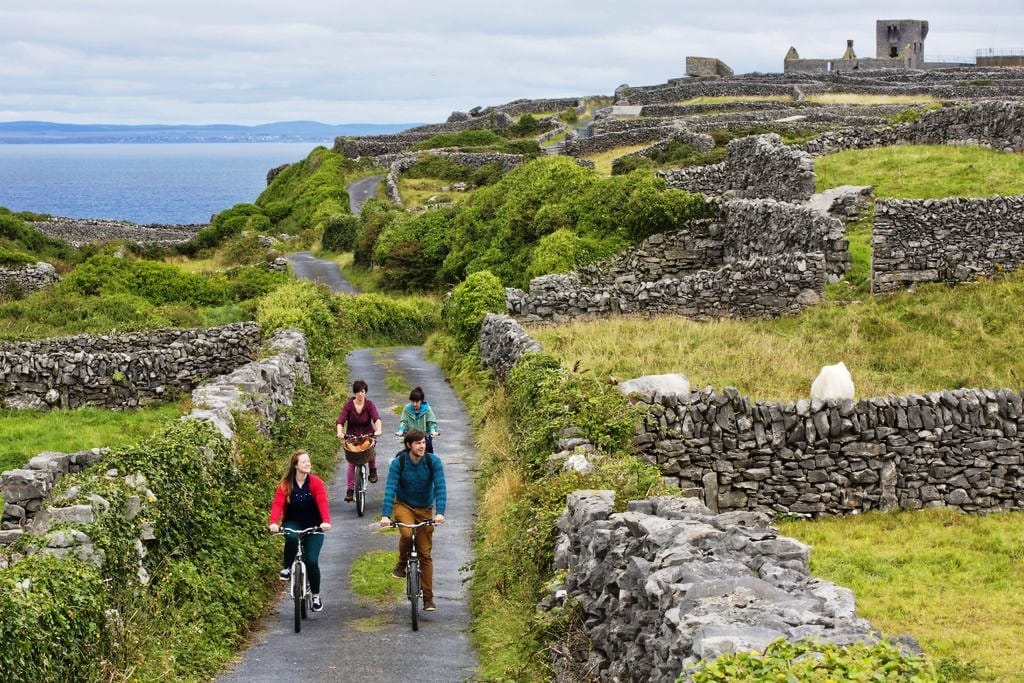
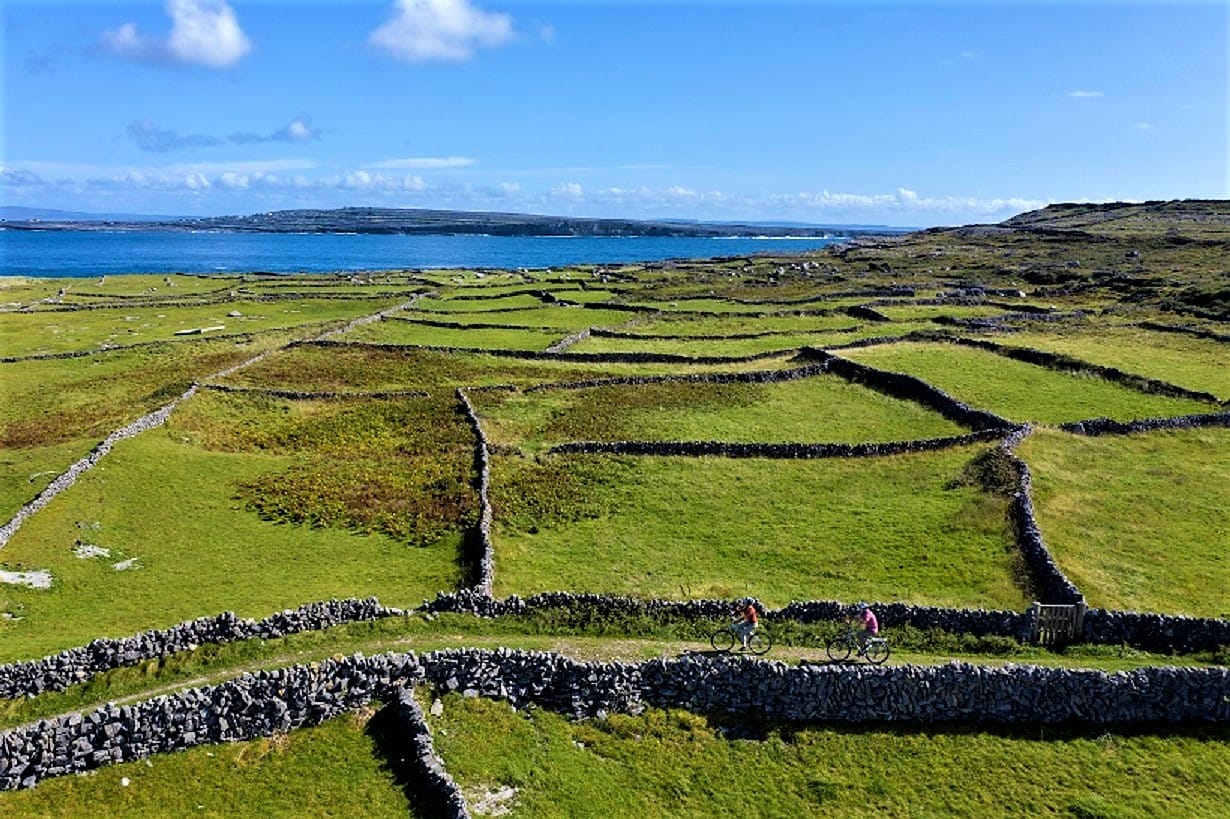
Explore Inishmore, the largest and most vibrant of Ireland's Aran Islands, on a self-guided cycling adventure where you set your own pace and route. Combine rugged coastal scenery, archaeological treasures, and rich wildlife spotting at an unbeatable price point.

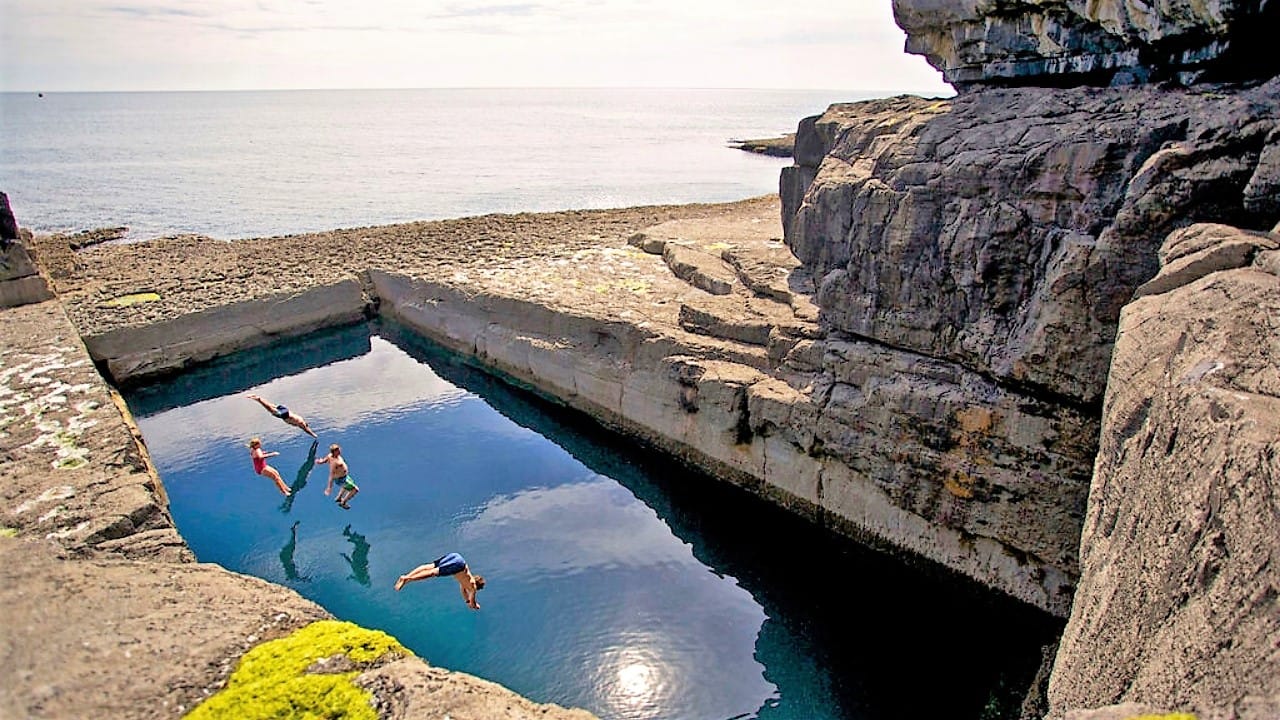
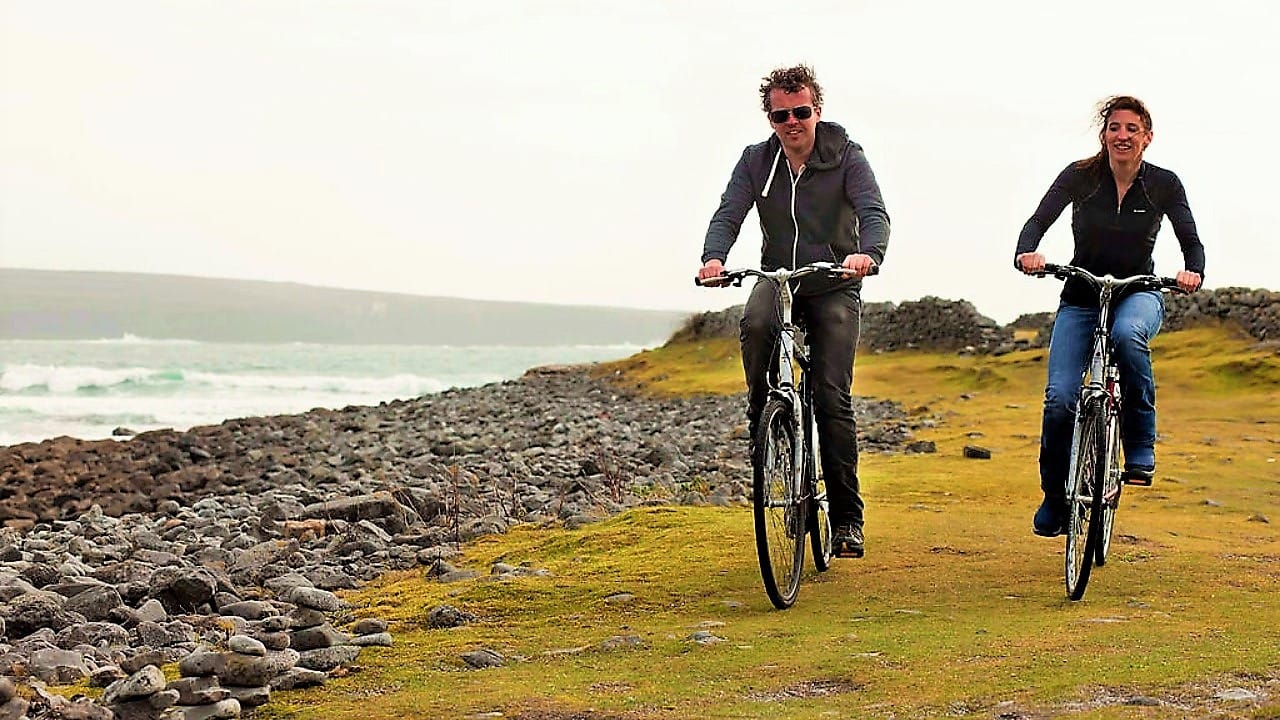
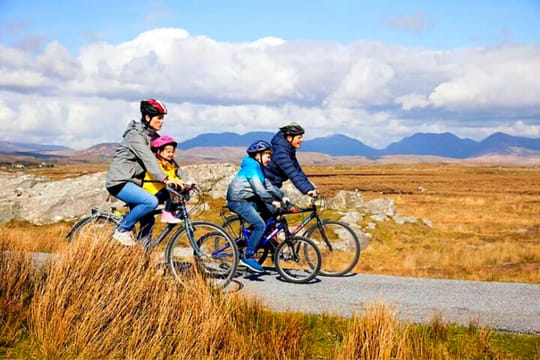
Inishmore is an island with choices for everyone. On this self-guided tour, you can choose your route and discover the secrets of Inishmore at your own pace. Bikes available: Hybrid, tandem, electric, mountain, children and Canadian buggy. Visit ancient stone forts and churches, and pagan standing stone. Spot seal colonies and a huge range wildlife. Witness the Worm Hole, a natural wonder where the sea ebbs and flows into a natural rectangular pool

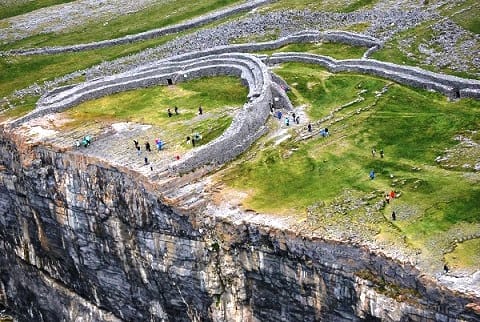
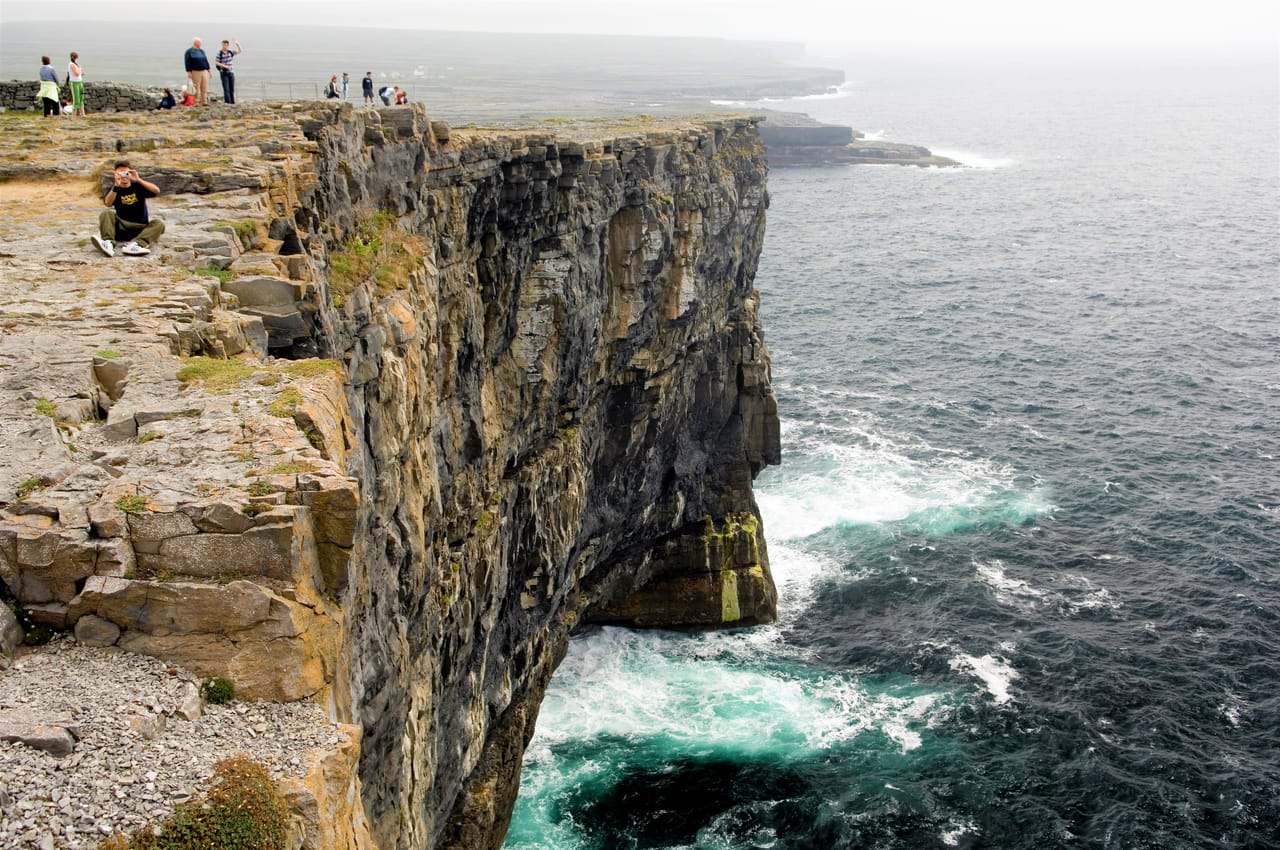
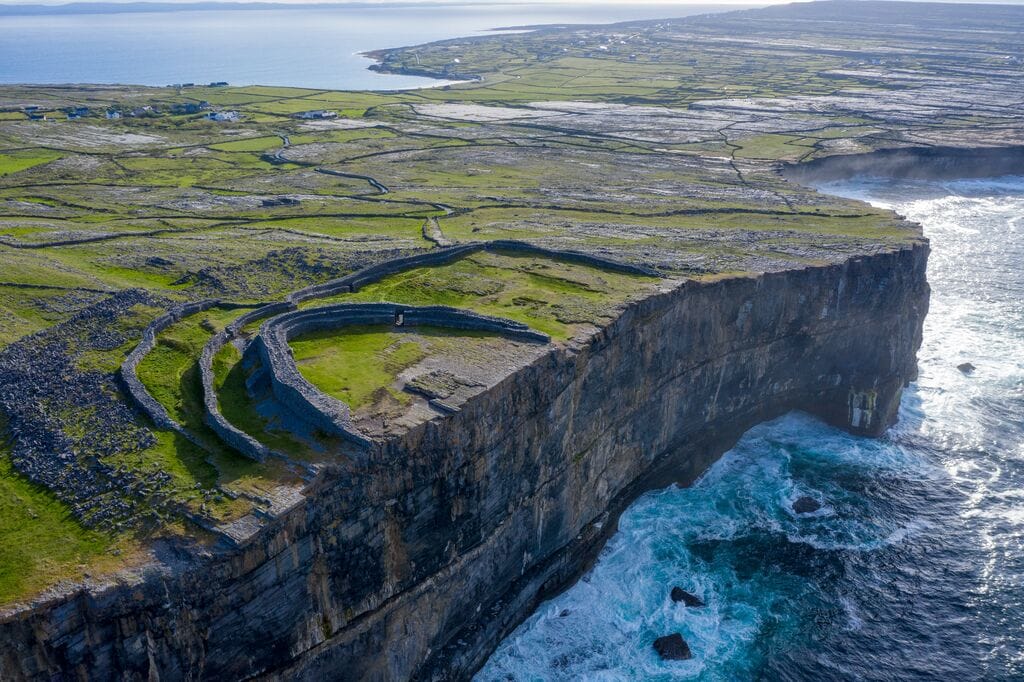
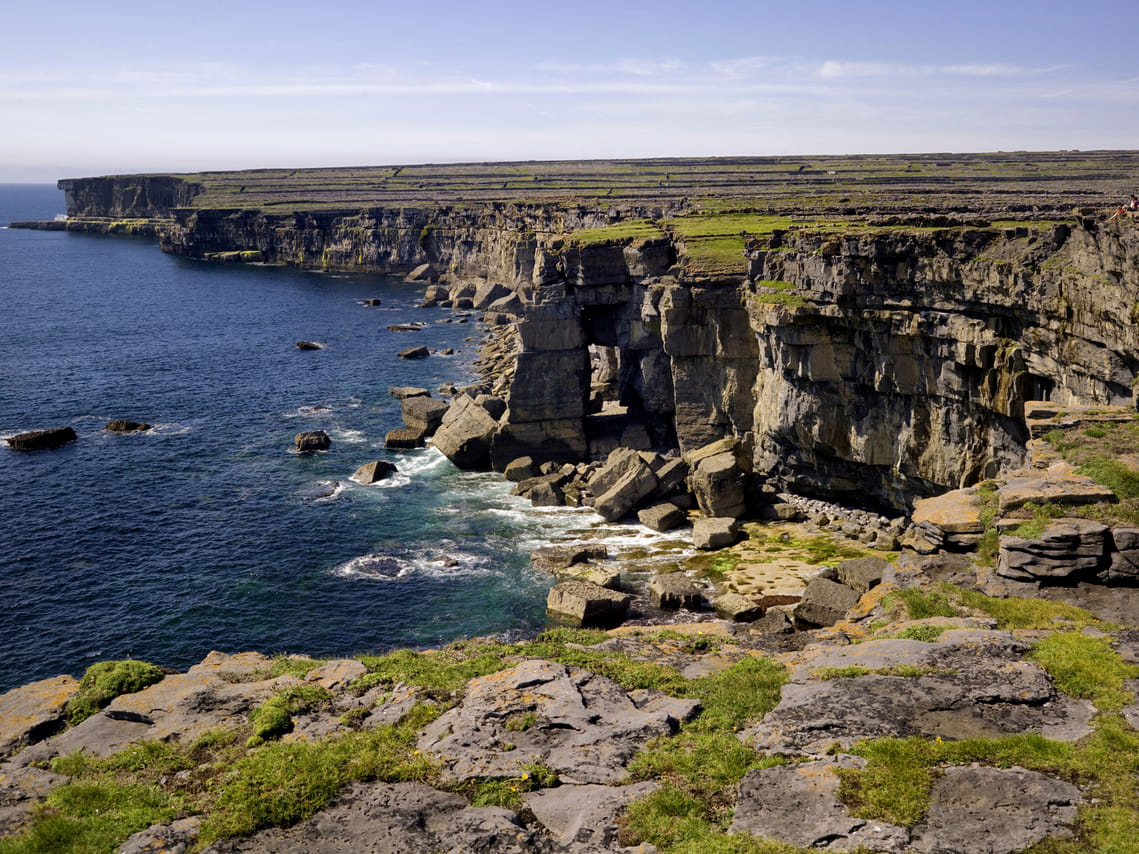
With the stone fort at Dun Aengus, an archaeological find only 30 minutes (4 miles) away, all the main attractions within easy reach. Dun Aengus is worth the ride. This semi-circular edifice, rests on the edge of a perpendicular cliff rising 300 feet out of the ocean. The fort consists of an inner court 50 metres across surrounded by a wall six metres high and five metres thick at the base. Outside is a rampart, a defence formed by sharp-pointed stones set closely together. Dun Aengus superb position and its structural perfection have prompted many experts to pronounce it one of the finest prehistoric monuments in Europe. 


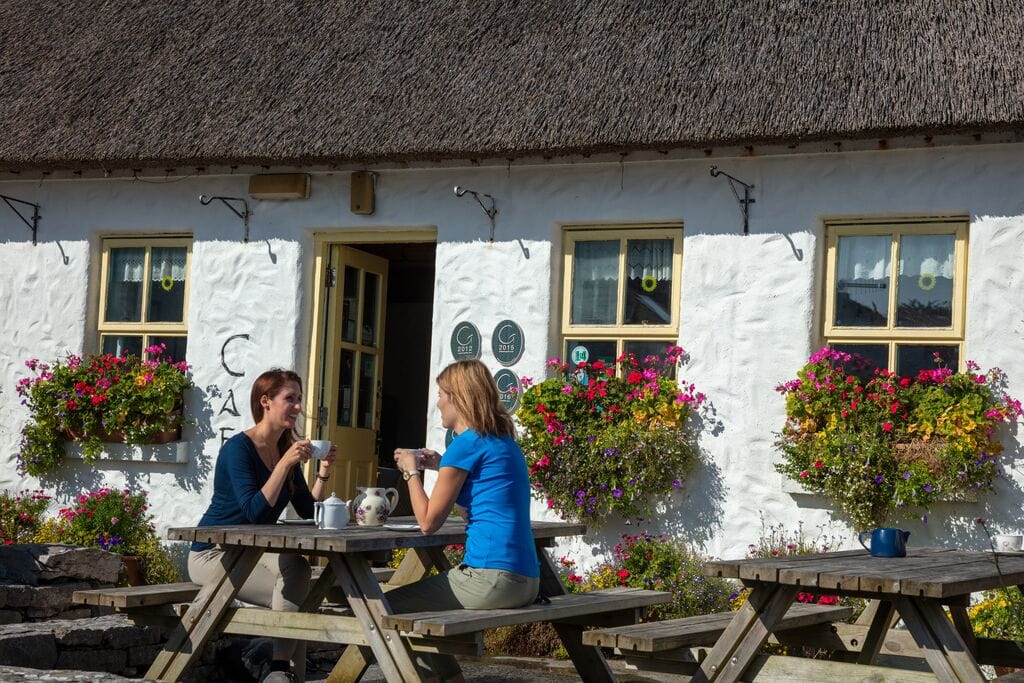
There are about 1100 inhabitants on Inis Mor making it by far the most populated of the Aran islands. The main village on the island is Kilronan, which his home to numerous shops, pubs and restaurants where you can relax after your cycle. 


If you prefer to be guided around the island by a local cycling guide, add this as an additional cost to your booking.

Highlights

  • Dun Aengus: a dramatically perched prehistoric fort 300 feet above sheer cliffs, rated among Europe's finest Iron Age structures
  • The Worm Hole: a geometric natural wonder where Atlantic tides flow into a rectangular tidal pool
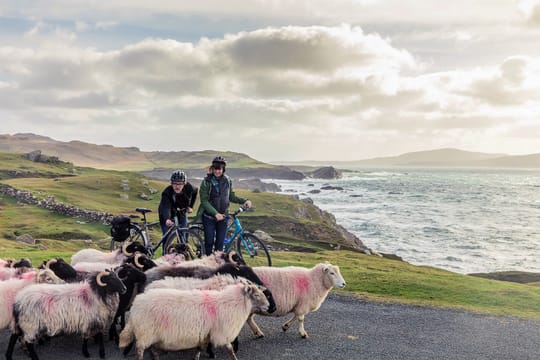
  • Seal colonies and diverse seabird watching along dramatic coastal paths
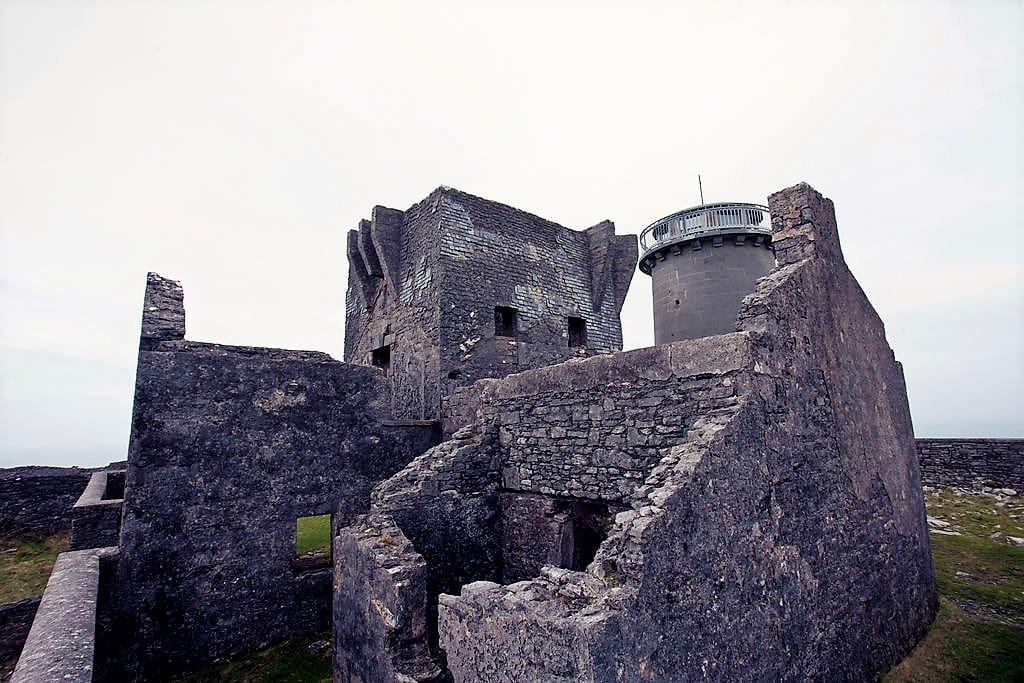
  • Early Christian churches and pagan standing stones scattered across the landscape
  • Kilronan village with pubs, shops, and restaurants to refuel between rides

Insider tips

  • Dun Aengus fills quickly with coach tours mid-morning; arrive early or late afternoon for quieter exploration and better light for photos
  • The Worm Hole is best viewed at low tide when the rectangular pool is fully exposed—check tide times before heading out
  • Kilronan's seafood restaurants source fresh catch daily; book ahead during peak season to avoid tourist rush
  • Coastal winds on Inishmore can be strong; electric bikes are ideal if you're not a regular cyclist or want to preserve energy for walking ruins

Good to know

  • Hybrid, tandem, electric, mountain, children's bikes, and cargo buggies all available—specify preference when booking
  • Ferry from Galway to Inishmore takes 40–45 minutes; factor this into your full-day itinerary
  • Self-guided option allows complete freedom; guided tours with a local expert available at additional cost if you prefer context and stories
  • Terrain includes uneven island roads and rough tracks to fort sites—hybrid or mountain bikes recommended over road bikes
  • Mobile signal is patchy; download offline maps or take a printed route guide before exploring

Who it's for

Active independent travellers who enjoy self-directed exploration and archaeological interestFamilies with children (bikes and buggies available for younger riders)Nature and wildlife enthusiasts seeking seals, seabirds, and rugged coastal landscapesPhotographers targeting dramatic cliff formations and golden-hour light on ancient monuments

Best time to visit

Visit May–September for dry weather, longer daylight, and active wildlife; June–August offer warmest conditions but peak tourist crowds. Morning or late afternoon rides avoid midday heat and photo glare at cliff-edge monuments.

Frequently asked questions

From
€33
per person