Fes7d
Authentic Morocco Private Tour (7 days)
4.0(5)
From€35.00
/ person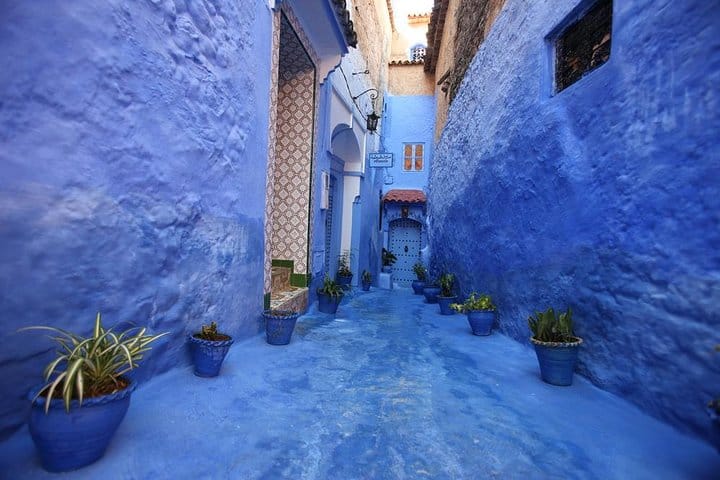
 1 / 10
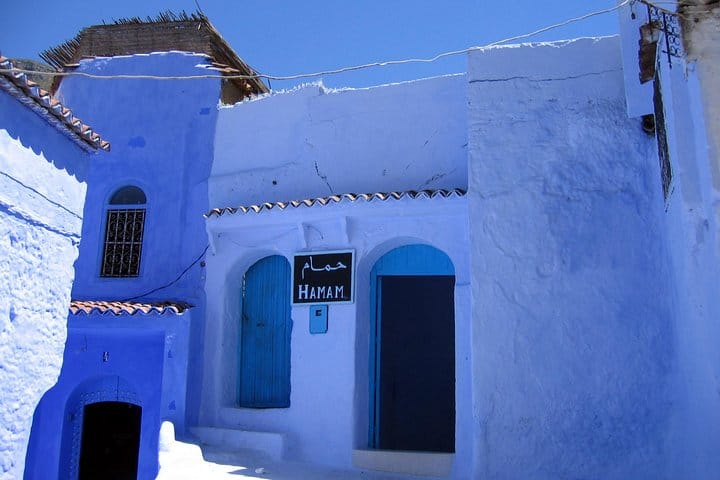
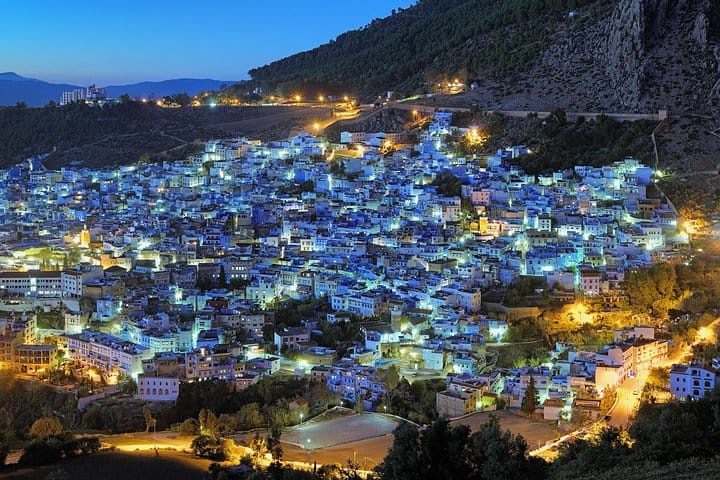
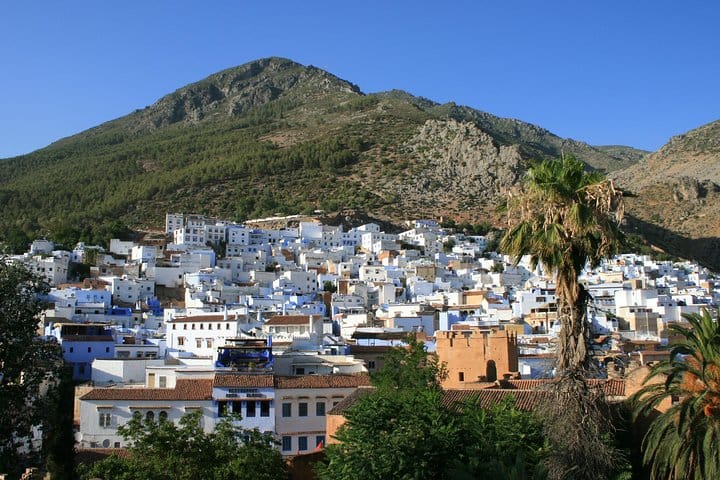
Journey from Fez to Chefchaouen, Morocco's enchanting blue-washed mountain town nestled in the Rif range. This private day tour showcases a living tapestry of Andalusian architecture, historic medinas divided into seven distinct quarters, and centuries-old craft traditions in one of North Africa's most visually striking destinations.
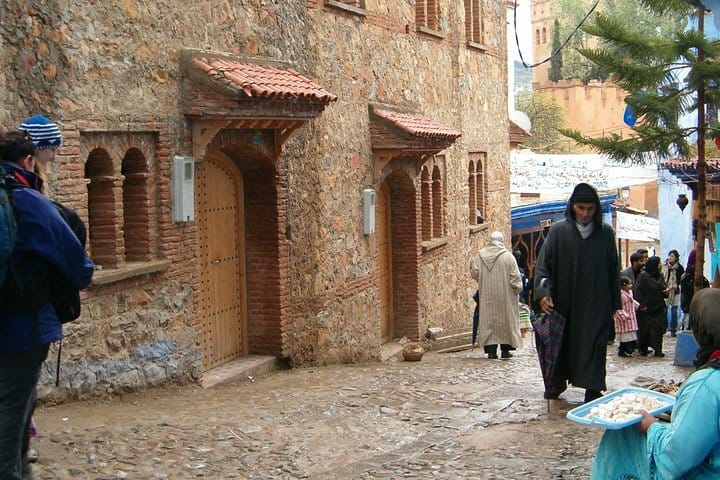
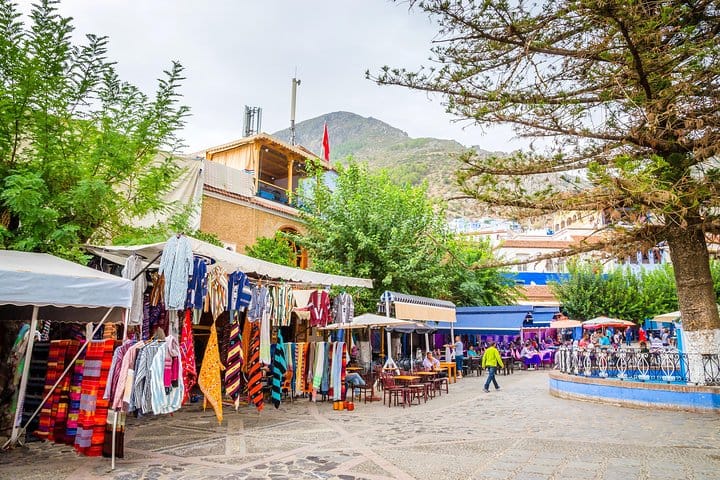
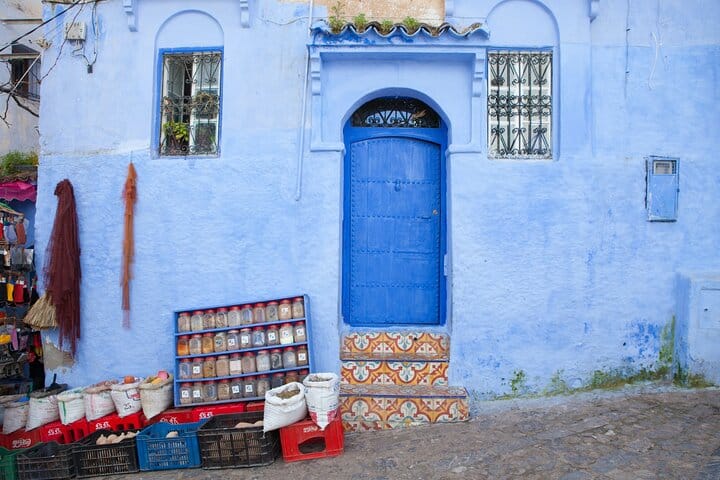
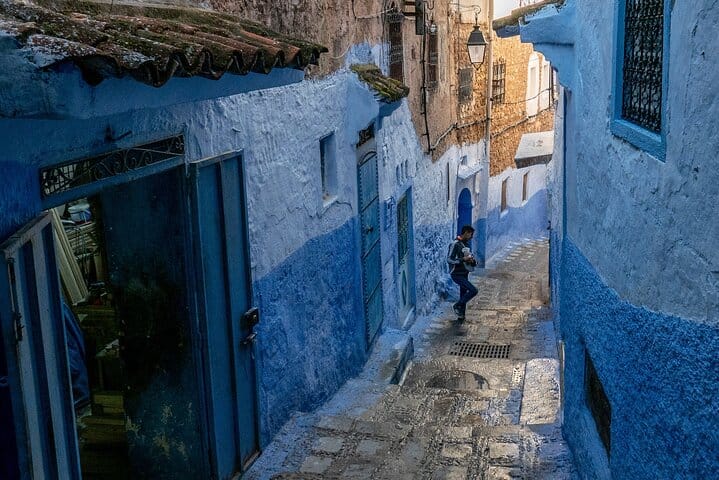
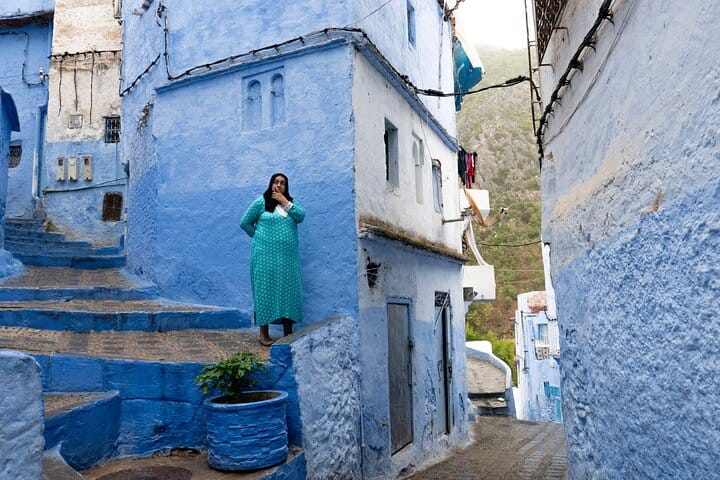
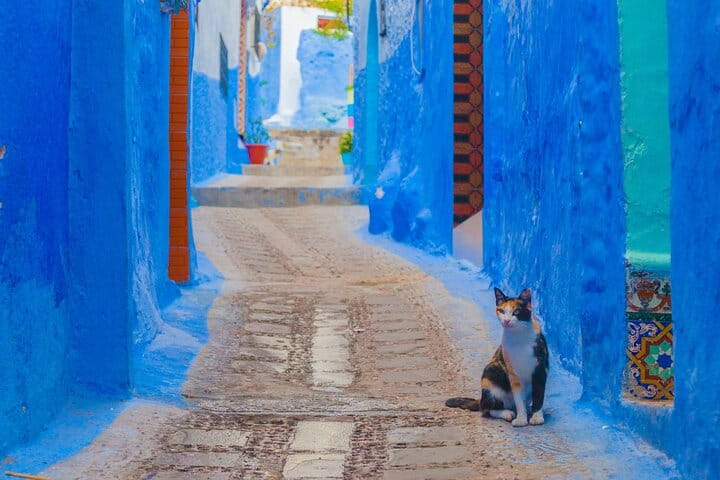
Chefchaouen, one of the most attractive places of the north of Morocco, stands between the Rif mountains as a small piece of Andalucía, what coupled with the blue houses confers a special allure to the city. This idiosyncrasy can be noticed in its cobblestone streets, its restaurants, its craft shops and its peace, what makes Chefchaouen a faithful reflection of the essence of the north of Africa.
In the past, Chefchaouen was a walled city, and that is why the Medina is divided into seven neighbourhoods. One of them is Er Rif Al Andalus, where the Majzén Square can be viewed. Er Rif Al Andalus is also an access point to Uta el Hammam, the most important square of the city, which is surrounded by restaurants and cafes, and is the site where El Masjid El Aadam Mosque and the Kasbah, built by Moulay Ismael, are located. Here, in the Kasbah, the Andalusian Gardens and the Ethnic Museum can be found.
Bordering the Mosque and walking down, the Mellah (the jewish neighbourhood) and Es Sueca, where many textile and craft shops are, emerge like two new discoveries, as a preliminary step to the Jaracin, the shoemaker neighbourhood, where the Sidi Buhansa Mosque is.
Coming back to Uta el Hammam Square, Es Sok, where the Moorish was settled in the fifteen century, reveals two really beautiful monuments, The Huata Square, with its amazing fountain, and the Suk Mosque. Additionally, through Uta el Hammam Square again, Kenitra Squareappears like a peculiar place due to its breadth, which makes the difference with the narrow streets.
Other worthwhile place is En Onsar, with the Zaituna Square and its centenary olive tree.
Once outside the Medina, through Bab Onsar gate, the Ras el Ma Fountain offers an incredible visual sight with its cascades, its naturally formed pools, its mills and the washerwomen, after which Jemaa Bouzafar Mosque, known as Spanish Mosque, can be visited.
From this point, and entering to the Medina, El Rif Sebbadin neighbourhood, where the Sebbadin Square and a fifteen century Mosque are located, is a good way to go back to the old town.
**
Main measures to comply with hygiene and cleaning requirements for the prevention and control against COVID – 19:
Visit in spring (April–May) or autumn (September–October) for pleasant temperatures and lower humidity. Early morning explores are ideal to capture the medina's blue hues in natural light and avoid midday heat and crowds.
Based on 3 ratings
Top-rated, great-value activities in Fes