1 / 9Cafayate Wine Trail Excursion: Explore Salta's Vineyards
About this activity
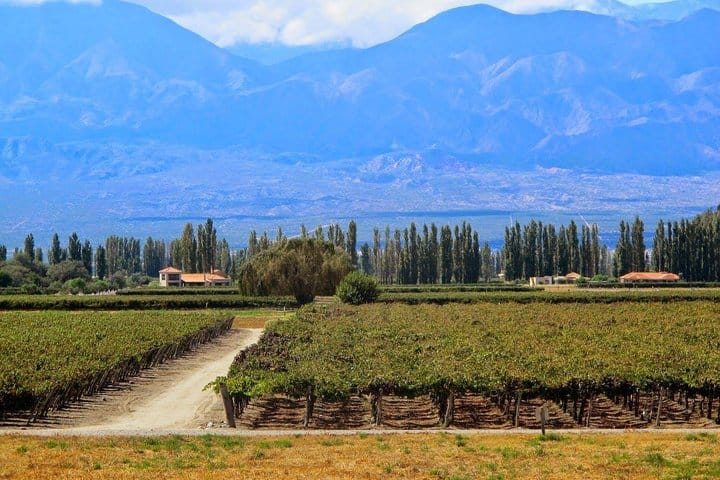
Spend a full day exploring Argentina's highest wine region, traveling through the dramatic Quebrada de las Conchas valley to visit renowned wineries in Cafayate. Local sommeliers guide you through tastings of Torrontés and other varietals while revealing the unique terroir that defines Salta's viticulture.
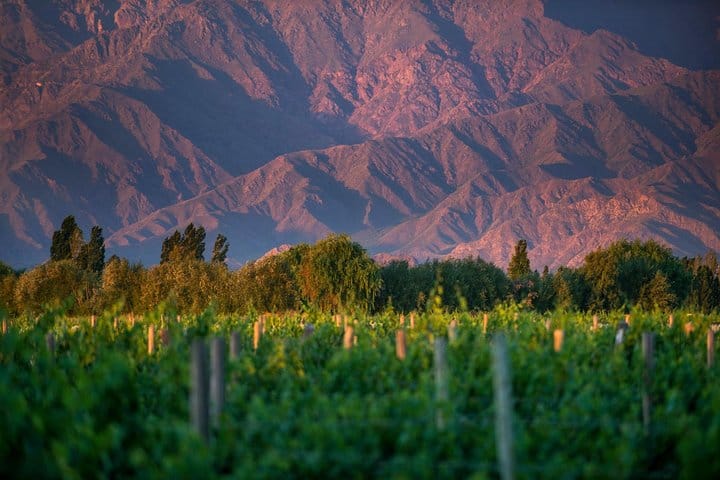
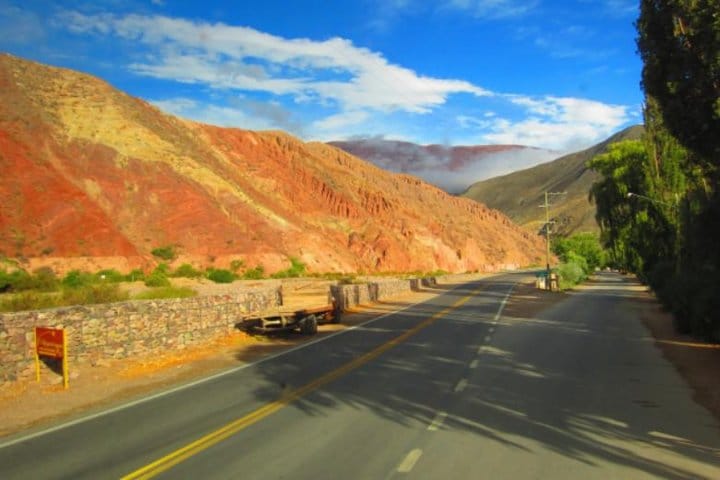
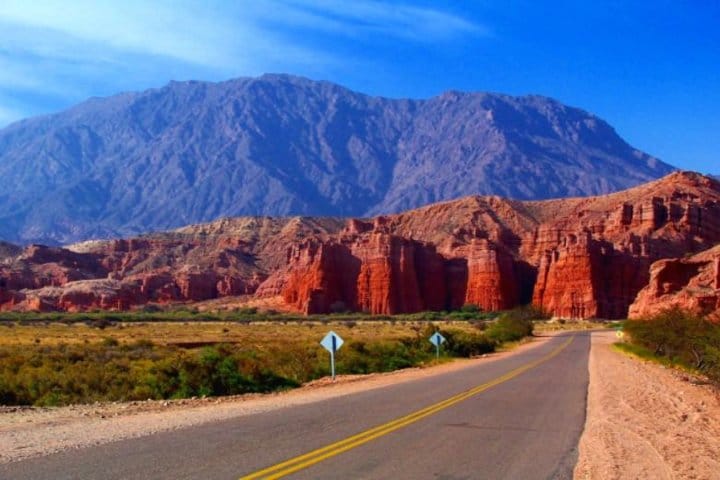
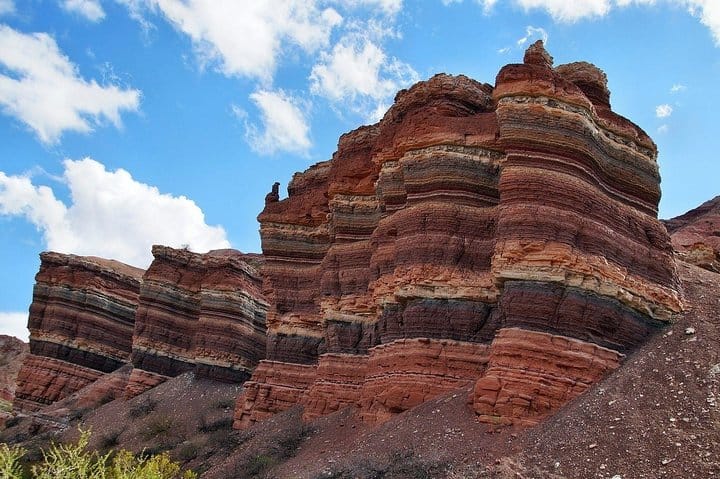
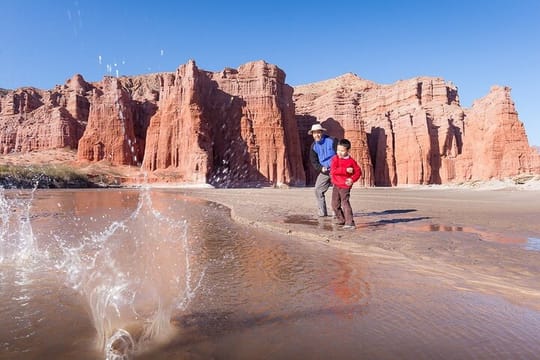
Hop on a bus and travel along the scenic Route No 68 to tour to the highest wine route in the world. You will find yourself exploring the most recognised wine cellars of the area, while enjoying stunning views of colourful mountains and don't miss the chance of being part of a wine tasting conducted by local sommeliers, who will guide you through the wine-making history.
Highlights
- ✓Drive scenic Route 68 through colorful rock formations and mountain landscapes
- ✓Tour 2–3 established wineries in the Cafayate wine region
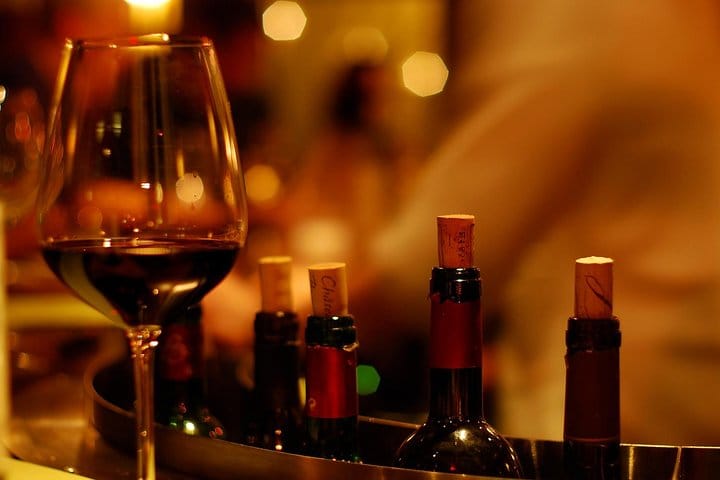
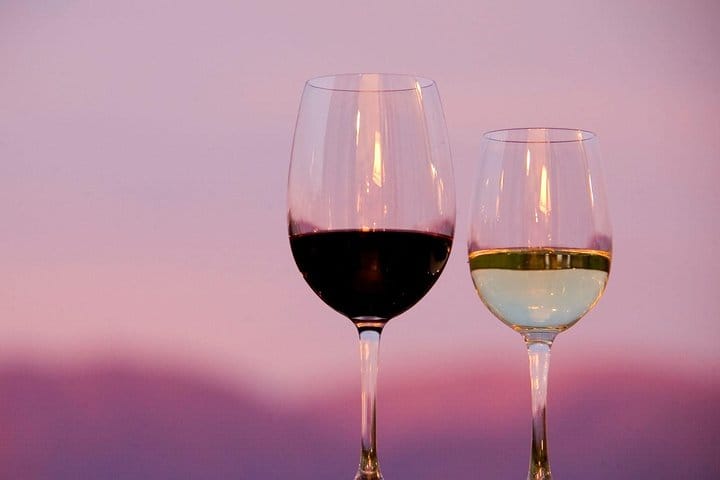
- ✓Wine tasting sessions led by certified local sommeliers
- ✓Learn about high-altitude wine production (1,700+ meters elevation)
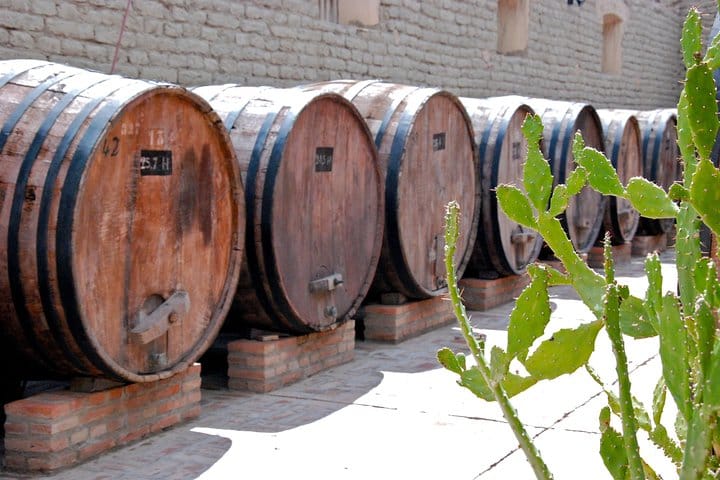
- ✓Explore centuries-old wine cellars and production methods
Insider tips
- ★Wear sunscreen and a hat—high altitude and reflective rock mean intense UV exposure
- ★Try Torrontés, the signature white varietal of Cafayate; it thrives in the cool mountain climate
- ★Eat a light breakfast before the tour; wine tastings happen mid-morning and afternoon on an empty stomach can intensify effects
- ★Bring cash—some smaller wineries may not accept cards
Good to know
- •10-hour duration includes 2–3 hours of driving; comfortable footwear recommended for winery grounds
- •Tastings typically include 3–5 wines per winery; non-drinkers should confirm alternatives with operator in advance
- •Meeting point and pickup logistics should be confirmed with supplier 24 hours prior
- •High altitude (1,700+ meters) may affect some travelers; allow time to acclimate
Who it's for
Best time to visit
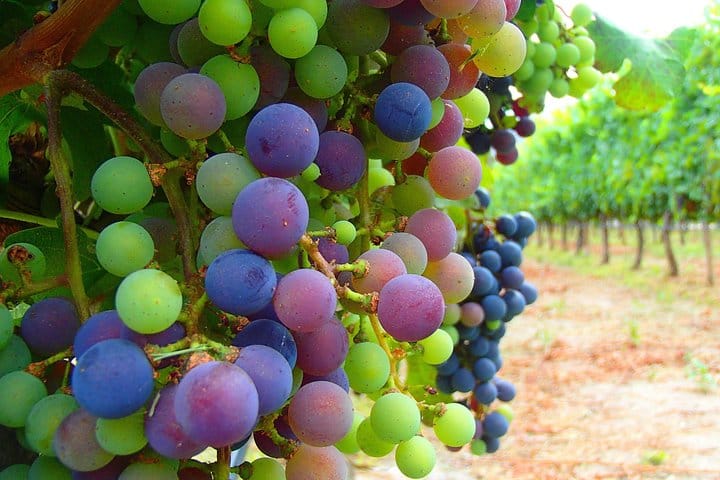
Visit May–September (autumn/winter) for comfortable temperatures and optimal grape ripeness discussions with sommeliers. Avoid December–February heat; late March–April offers pleasant conditions with spring vineyard activity.