
Cafayate, Vineyards and Calchaquies Valleys Tour from Salta
About this activity
An 11-hour immersive journey south from Salta into Argentina's premier wine region, combining dramatic desert geology with world-class Malbec tastings. This tour threads through two distinct valleys—Lerma and Calchaquí—showcasing both the raw landscape and refined wine culture that define northwestern Argentina.
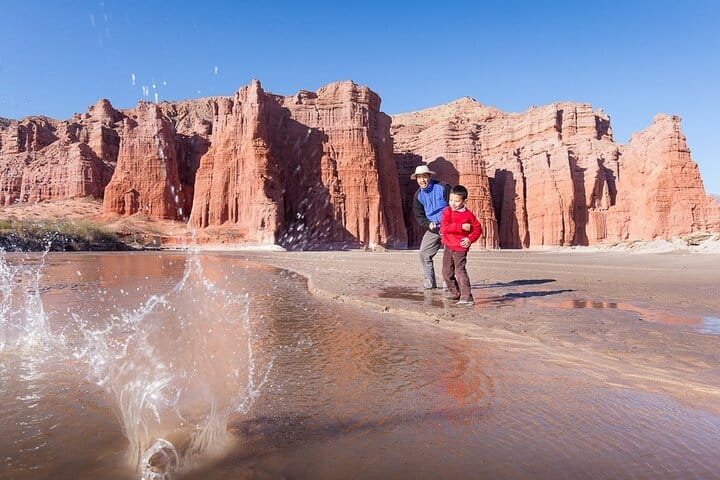
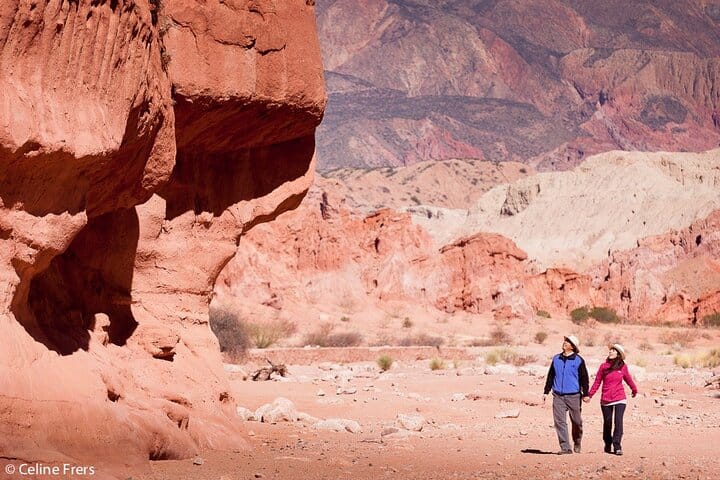
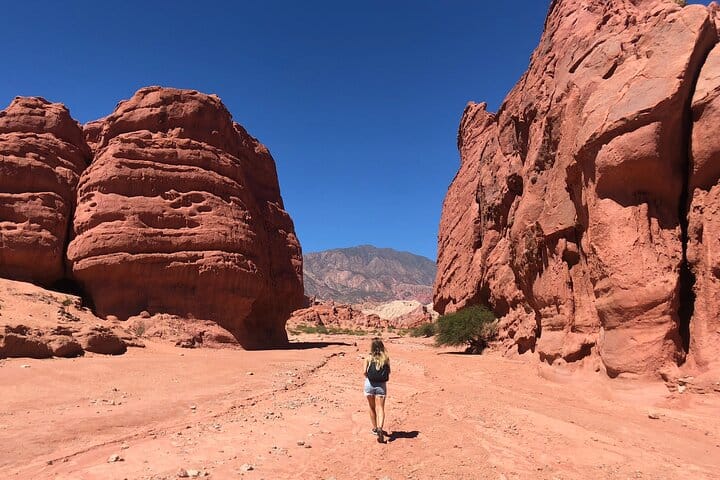
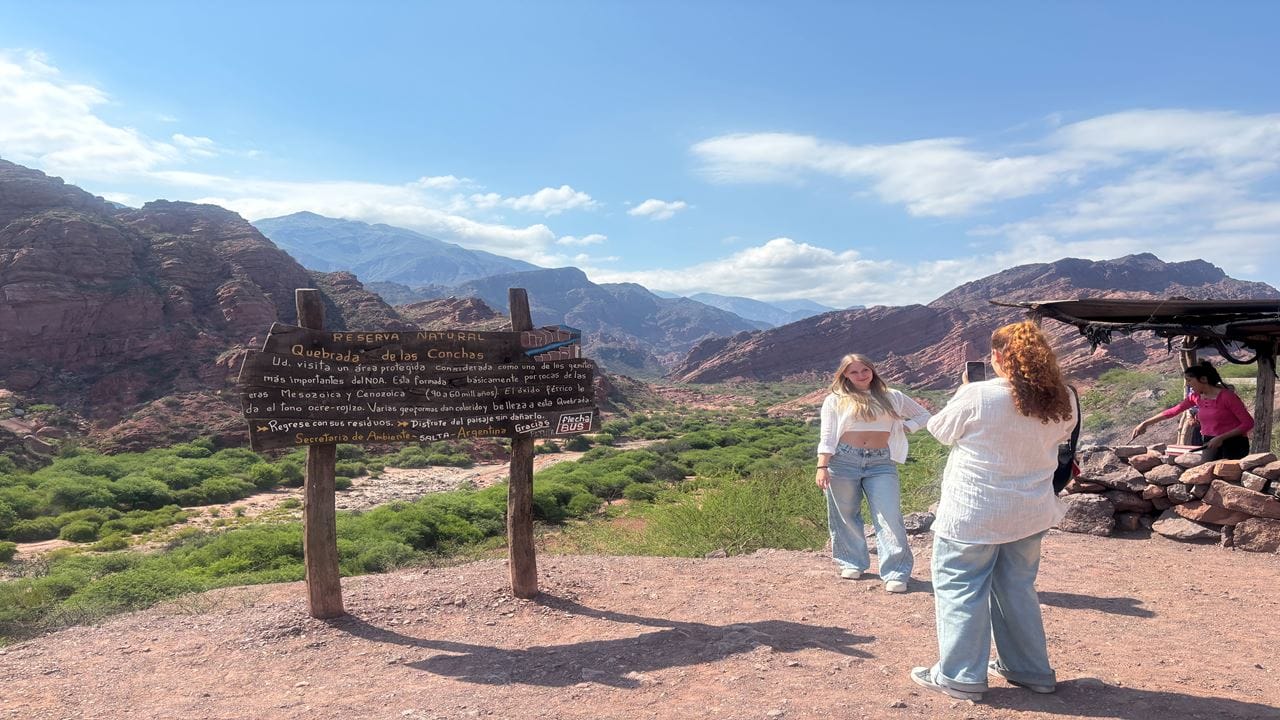
Explore natural features and Argentine wine on a day trip from Salta to Cafayate via the Lerma Valley. You will see the carved rock formations of Quebrada de las Conchas and visit a winery in Cafayate for an included wine tasting.
Highlights
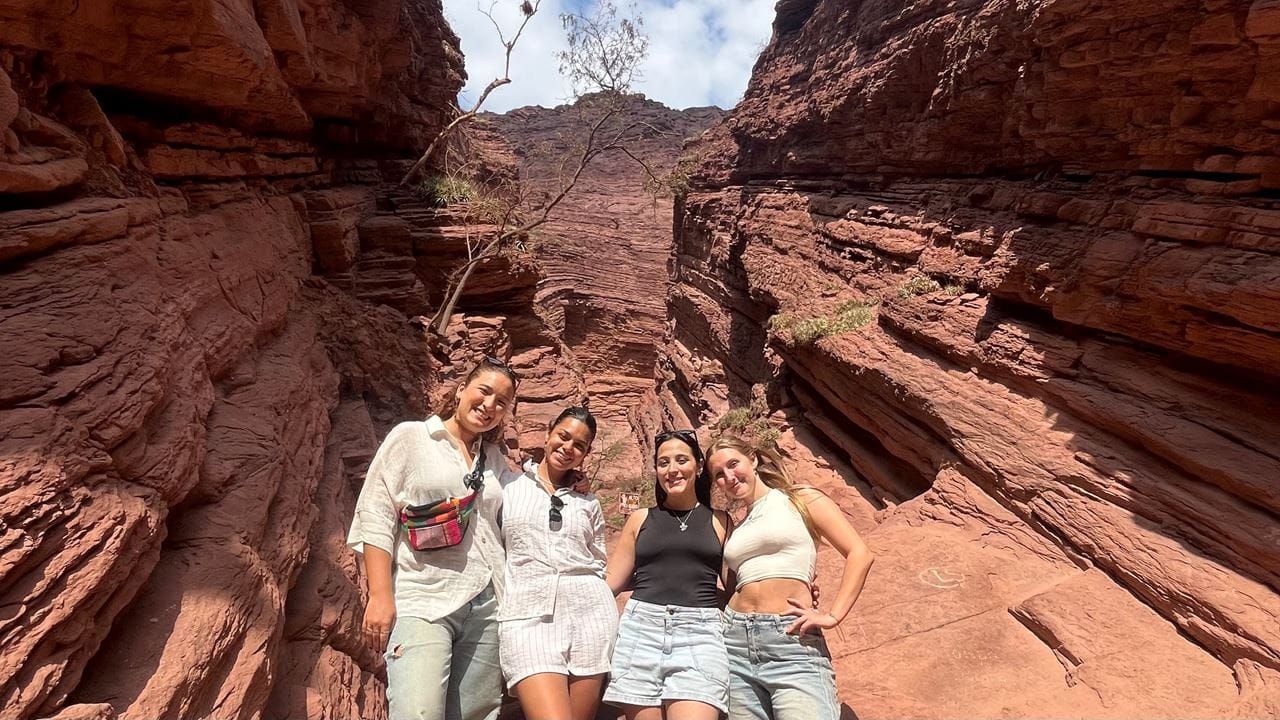
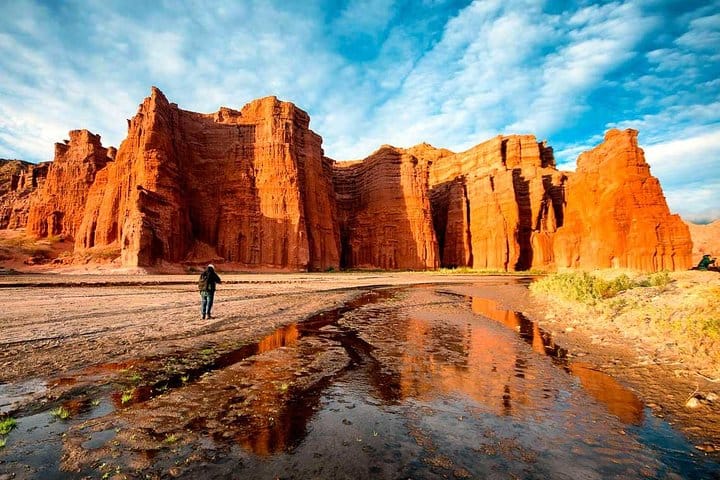
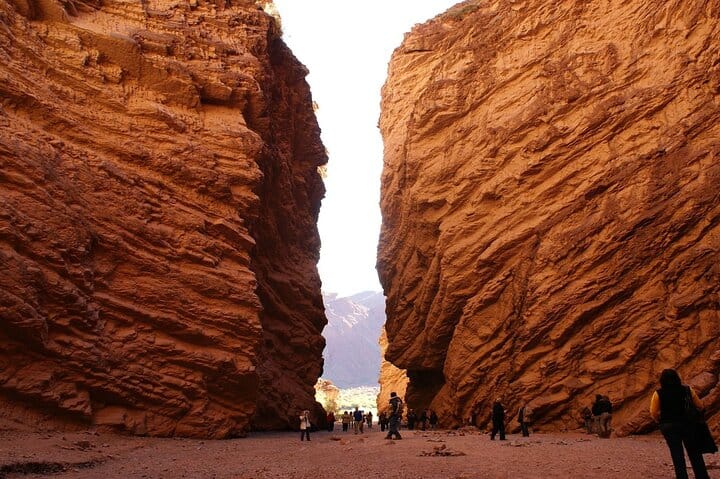
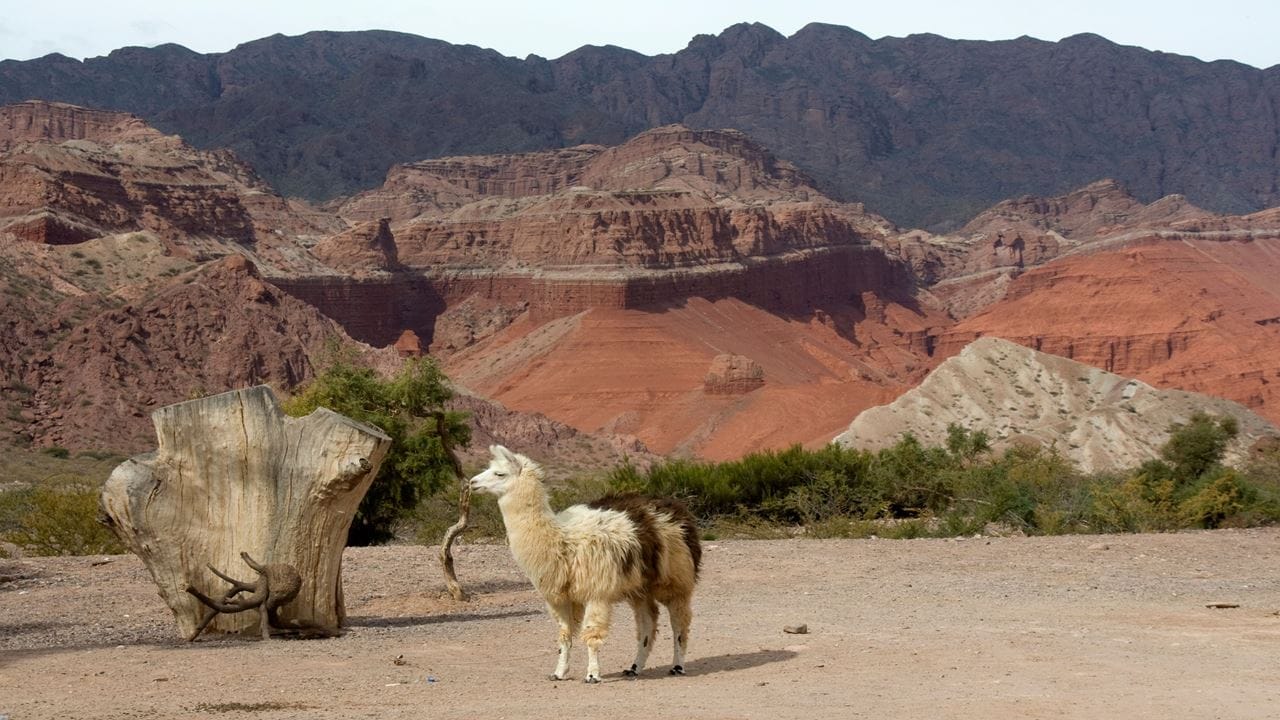
- ✓Quebrada de las Conchas: towering stratified rock formations carved by millennia of erosion
- ✓Lerma Valley scenic drive with views of agricultural terraces and mountain backdrops
- ✓Cafayate wine region: high-altitude vineyards producing distinctive Malbec and Torrontés
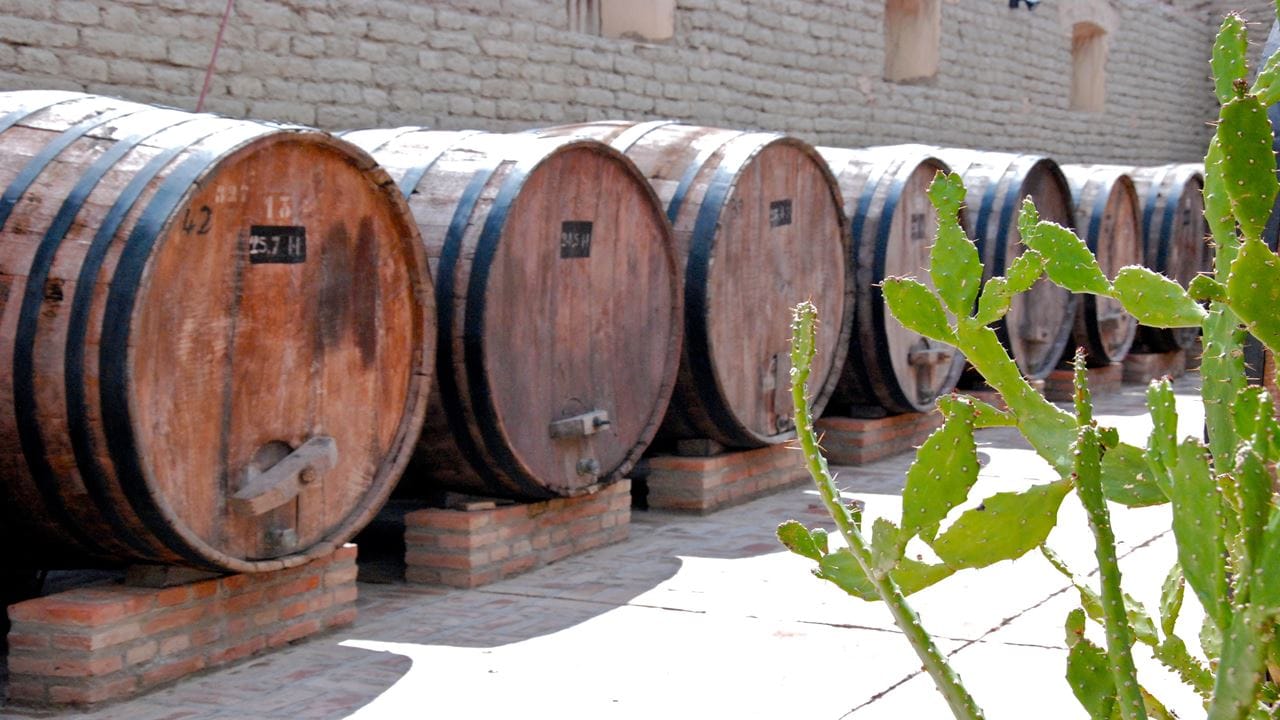
- ✓Included winery visit and professional wine tasting
- ✓Local lunch stop (typically in Cafayate town)
- ✓Expert commentary on geology, viticulture, and regional history
Insider tips
- ★Book morning departures to maximise daylight at Quebrada de las Conchas; afternoon light intensifies the red and orange rock hues for photography
- ★Bring cash in small notes for artisan vendors in Cafayate—many don't accept cards
- ★The winery tasting works best if you eat a proper breakfast beforehand; the altitude (1,400m+) and wine combine quickly on an empty stomach
Good to know
- •Eleven hours is total duration including transfers; expect 2+ hours in the vehicle each way
- •Bring sunscreen, hat, and sunglasses; the valleys offer little shade and UV is intense at altitude
- •Comfortable walking shoes recommended for winery grounds and short rock formation walks
- •Road surfaces vary from paved highways to rougher secondary routes; not ideal for those with severe mobility constraints
Who it's for
Best time to visit
April–June and September–November offer mild temperatures and optimal visibility; avoid July–August (cooler, less welcoming) and December–February (intense heat). Morning light in the Quebrada is superior for photography.