Naples8h 30m
Shore Excursion of Pompeii, Vesuvius, Herculaneum
4.0(5)
From€260.00
/ person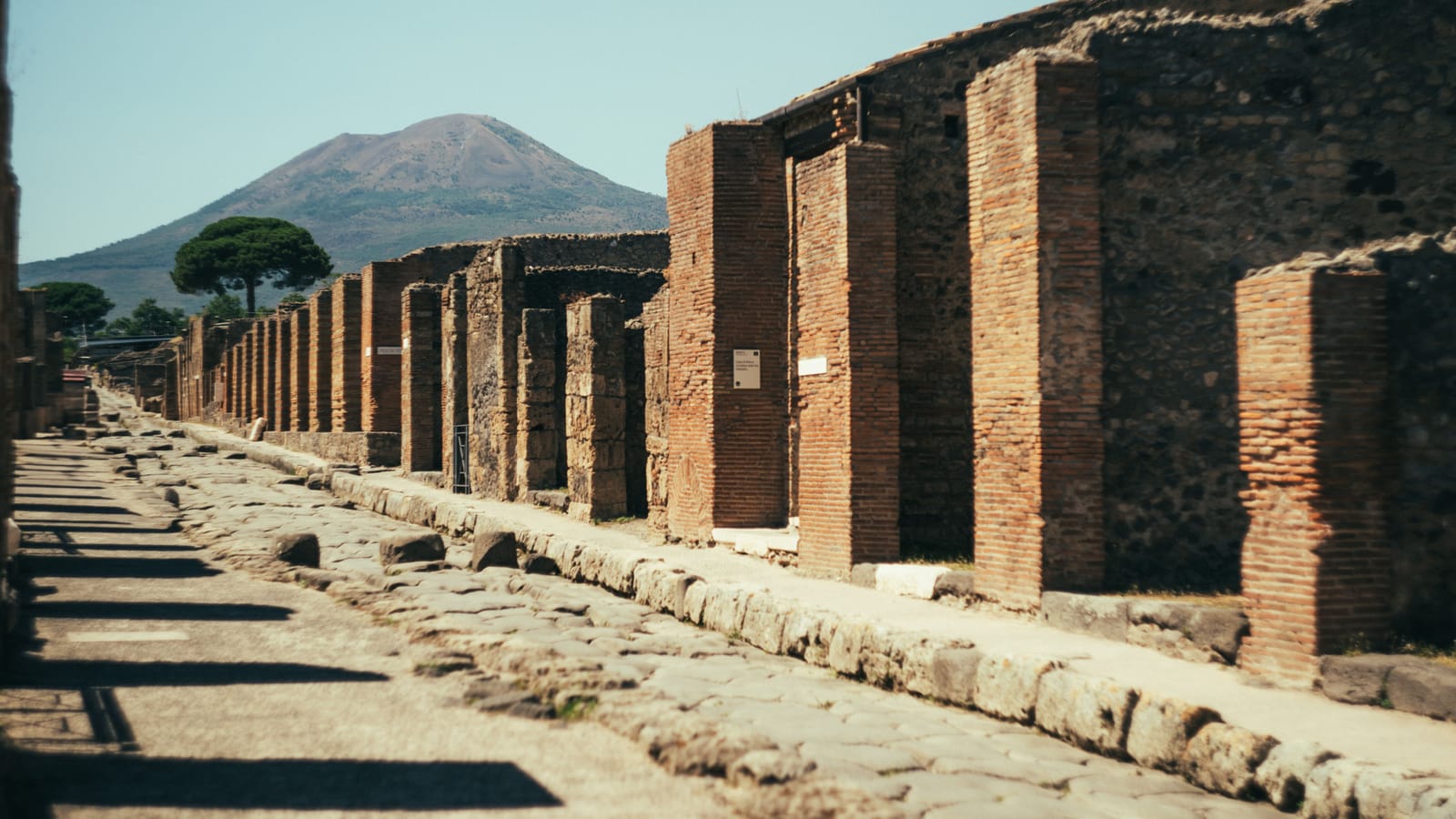
8+ tours, tickets and activities at Herculaneum in Naples. Book with instant confirmation, free cancellation and our lowest price guarantee.
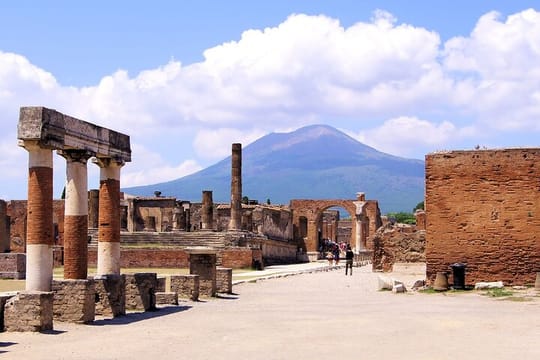
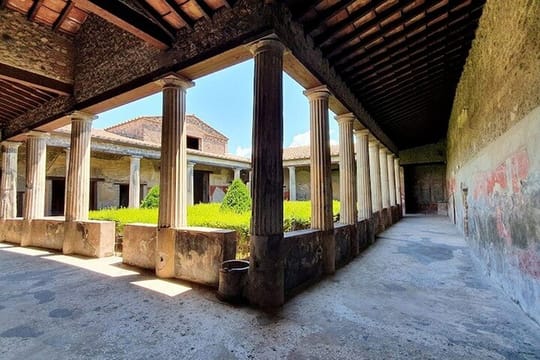
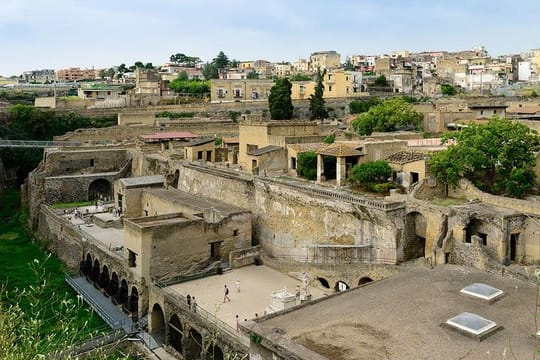

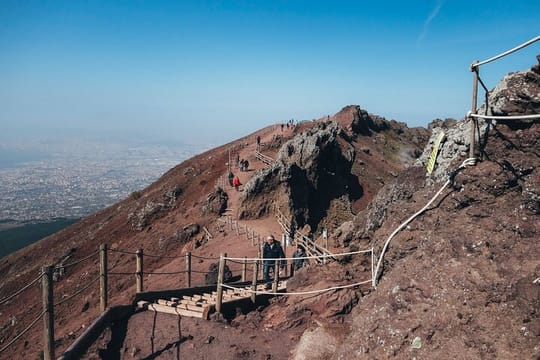

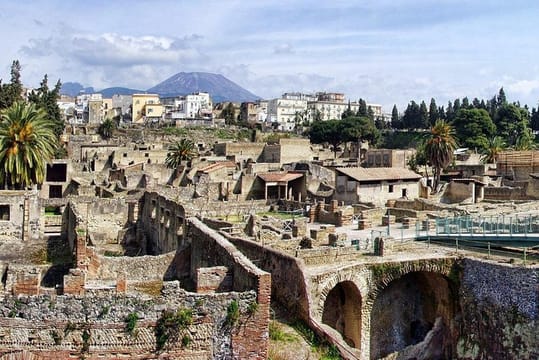
Herculaneum was preserved better than Pompeii because it was buried under 60 feet of volcanic mud and ash from Mount Vesuvius in 79 AD, which created an airtight seal that protected wooden beams, furniture, and even food.
The site's name comes from Hercules, the Roman hero, because the Romans believed he had founded the town during his legendary travels.
Herculaneum is significantly smaller than Pompeii—only about 5 acres have been excavated—making it possible to see the entire archaeological area in 2–3 hours.
The eruption of Vesuvius killed most residents instantly through a pyroclastic surge (superheated gas and ash traveling at 70 mph), and their bodies were preserved as hollow casts in the hardened material.
Herculaneum's upper levels remain unexcavated because they lie beneath the modern town of Ercolano, which was built directly on top of the ancient city.