Bangkok1h
Bangkok Suvarnabhumi Electric Airport Transfer (Eco Friendly)
4.6(5)
From€31.82€31.32
/ person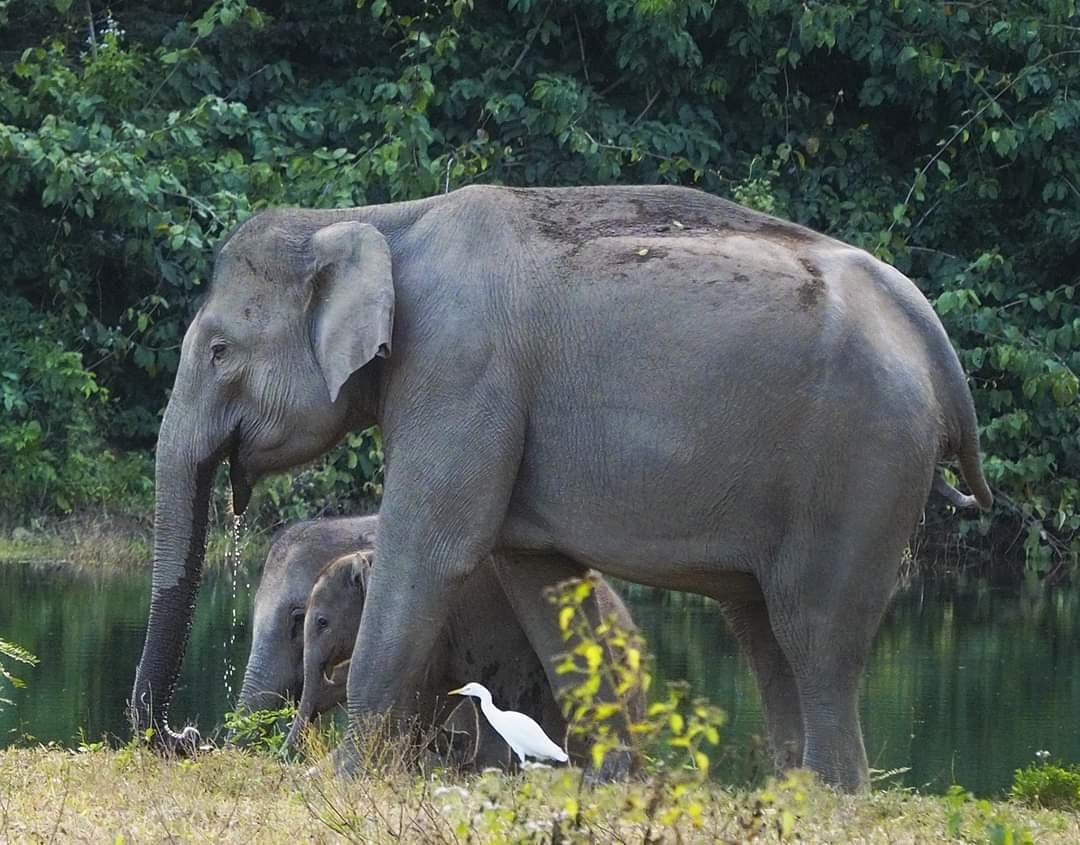
 1 / 10
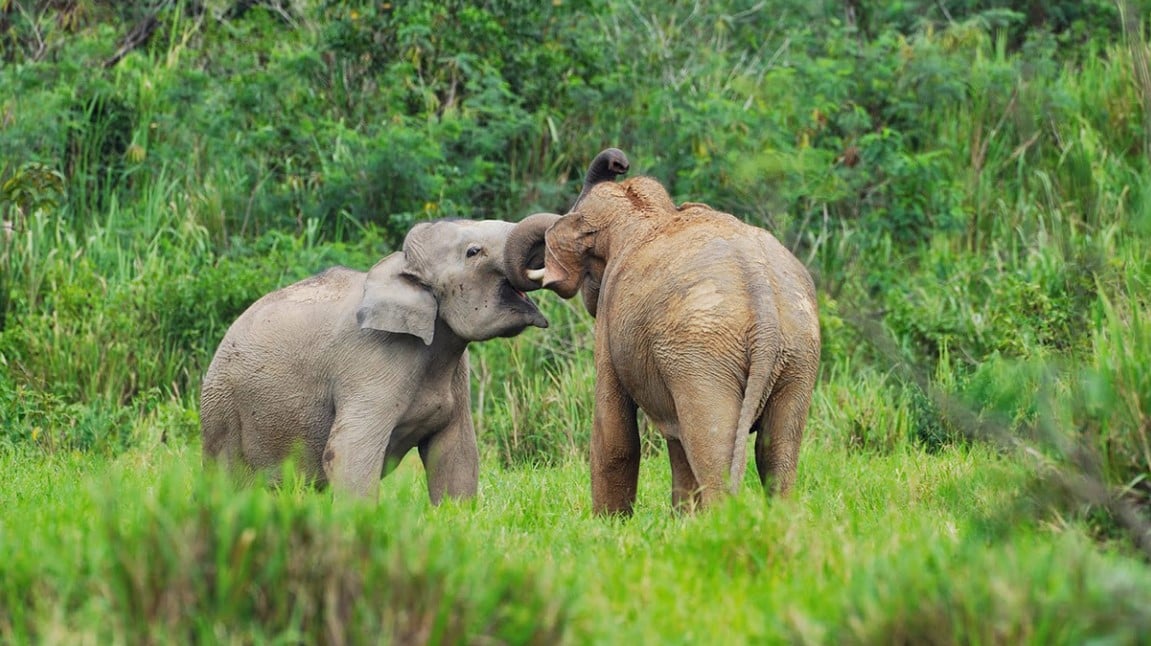
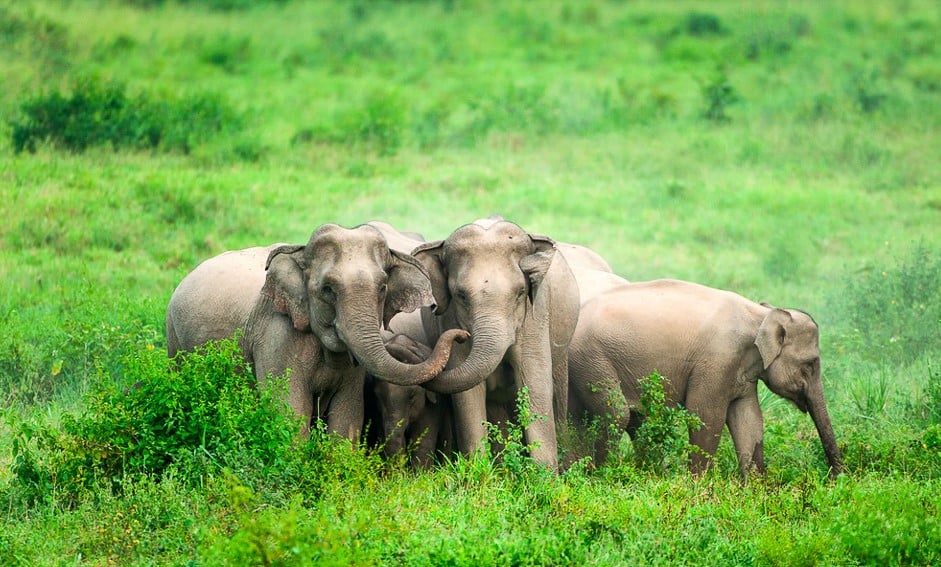
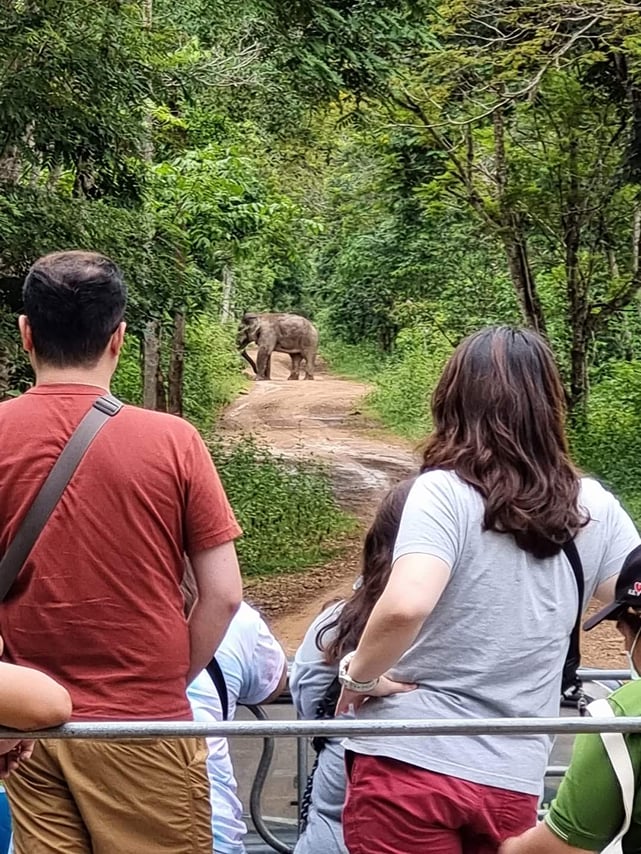
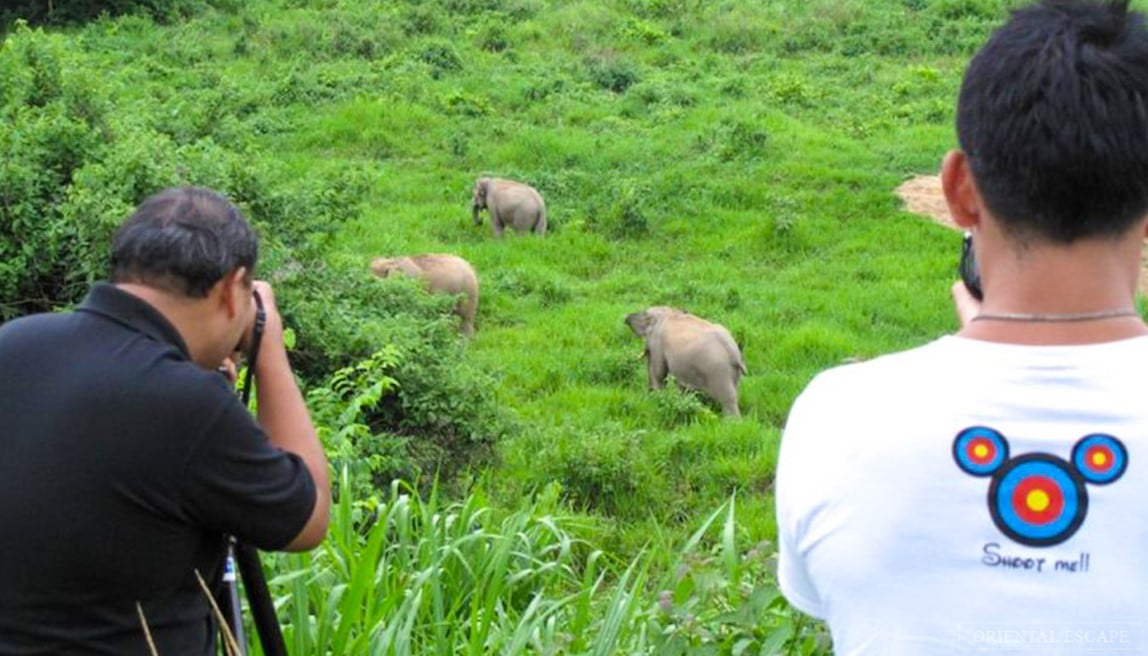
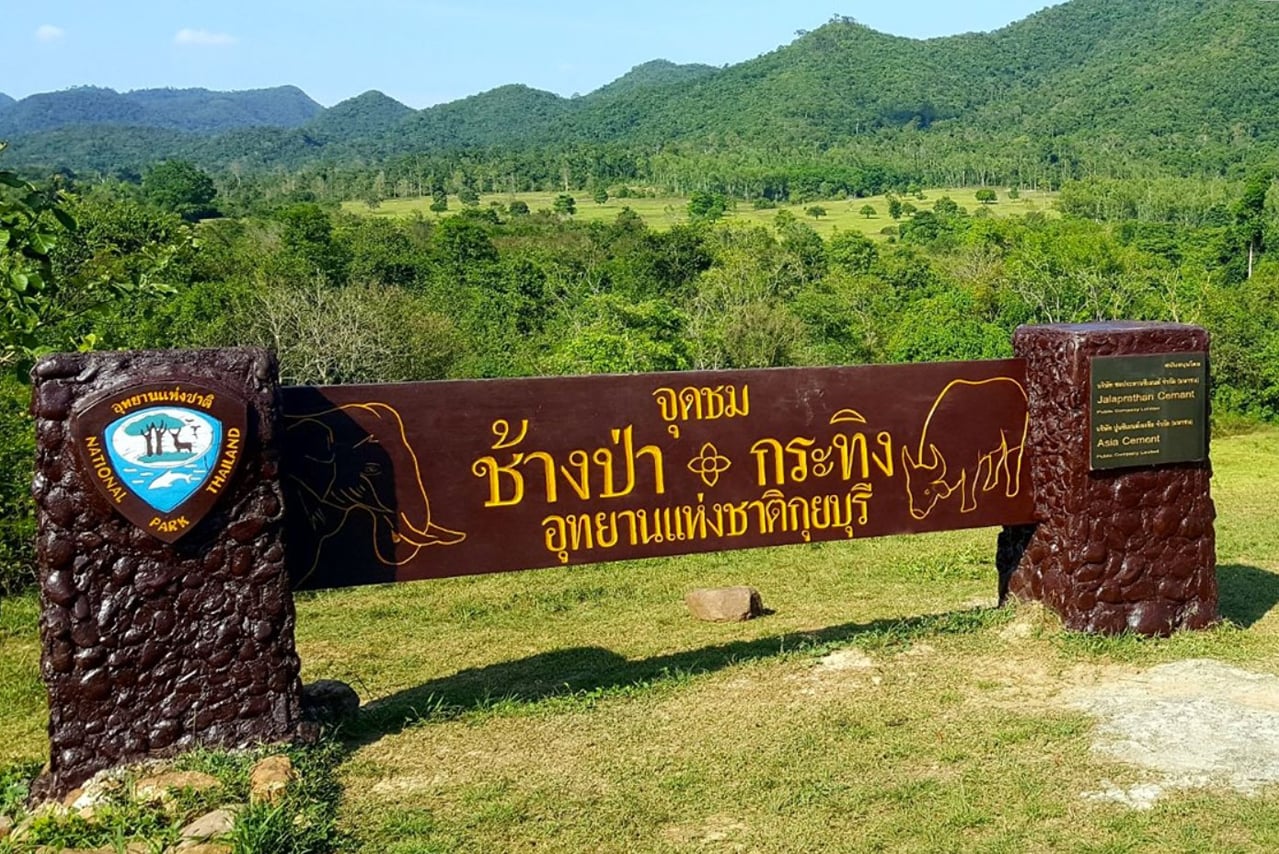
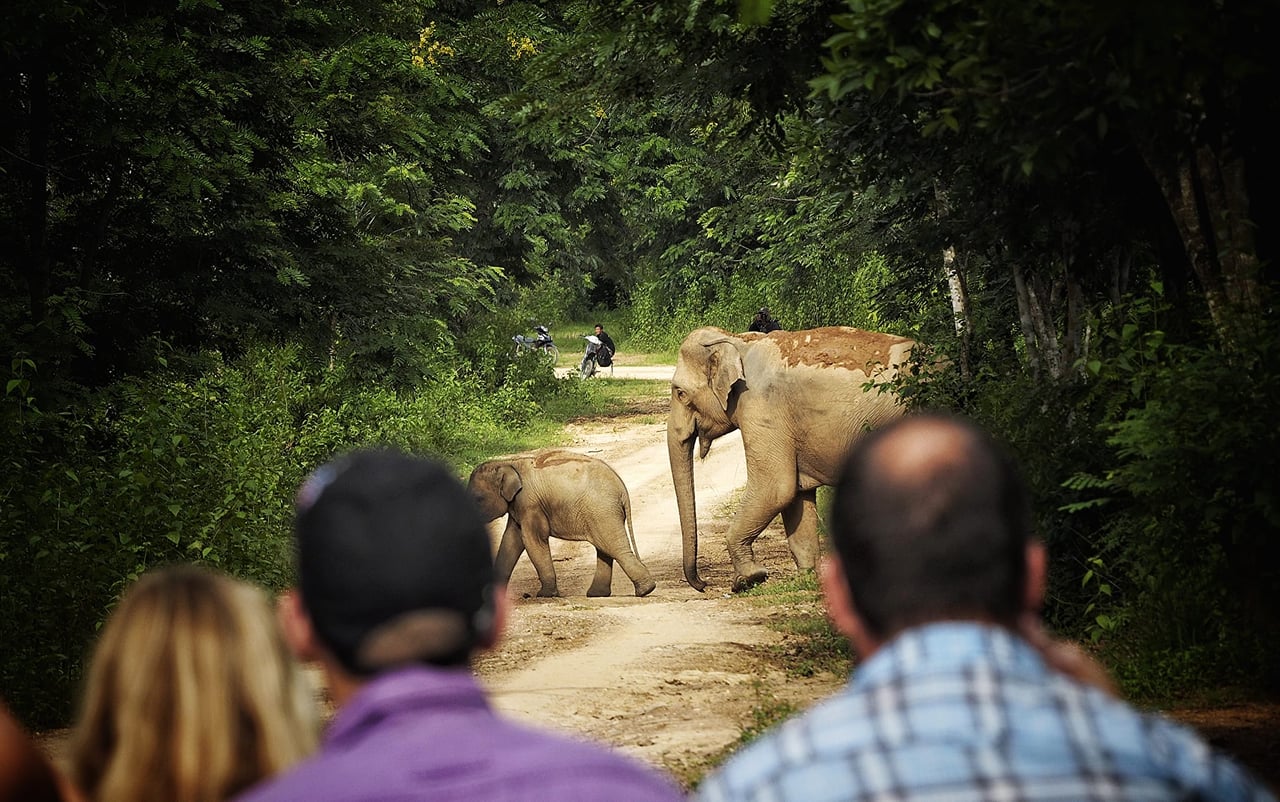
Kuiburi National Park is Thailand's premier wild elephant sanctuary, home to over 320 protected Asian elephants in pristine habitat with a 99% sighting probability. This private guided 7-hour safari combines elephant tracking with encounters of diverse wildlife—from gibbons and hornbills to rare tigers and leopards—across one of Southeast Asia's richest biodiversity zones.
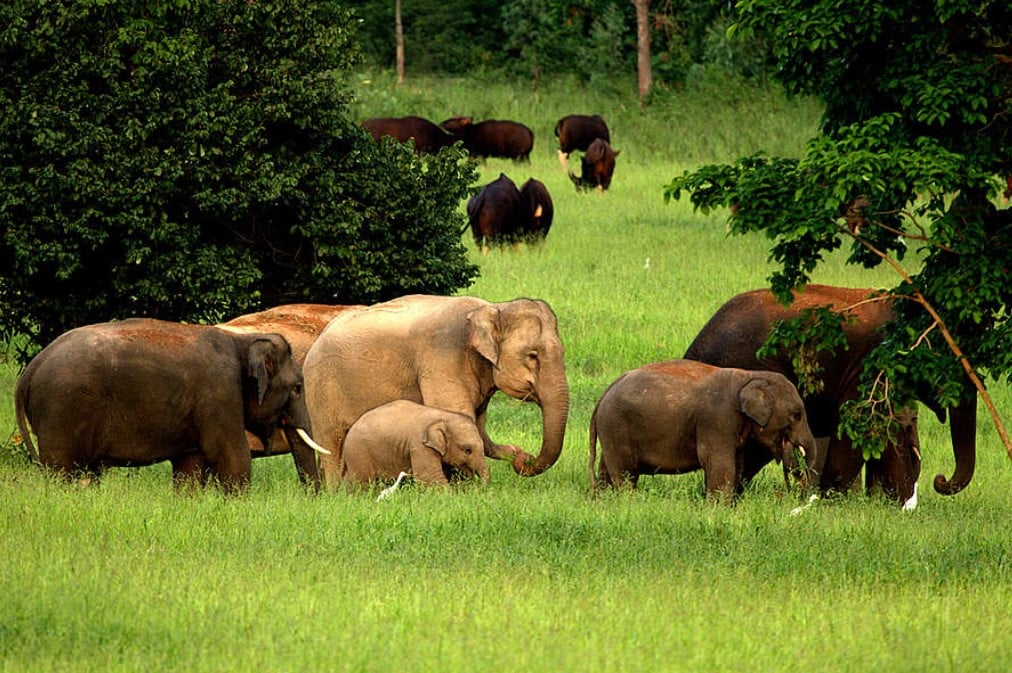
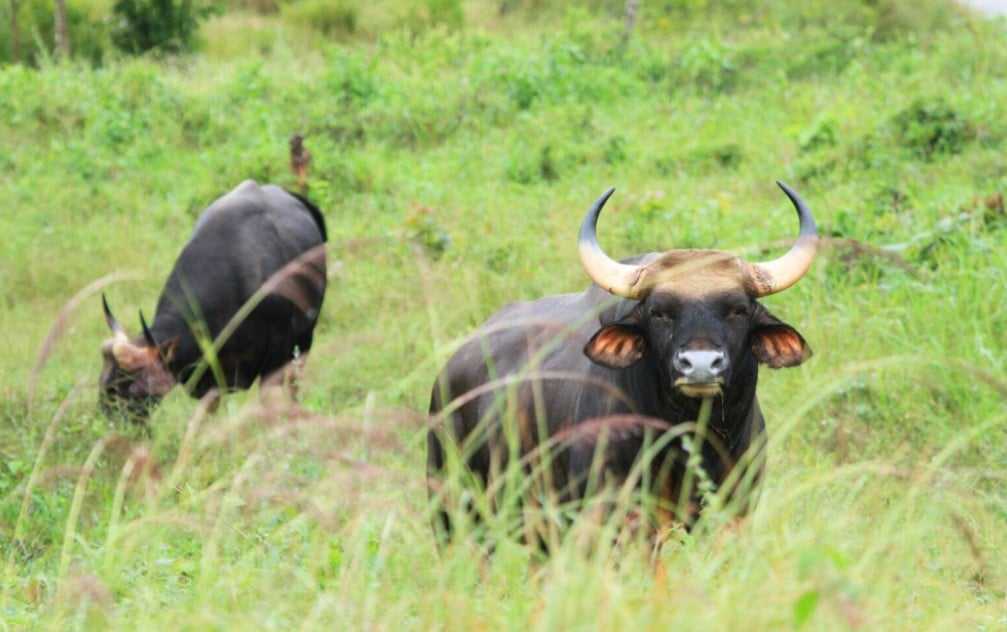
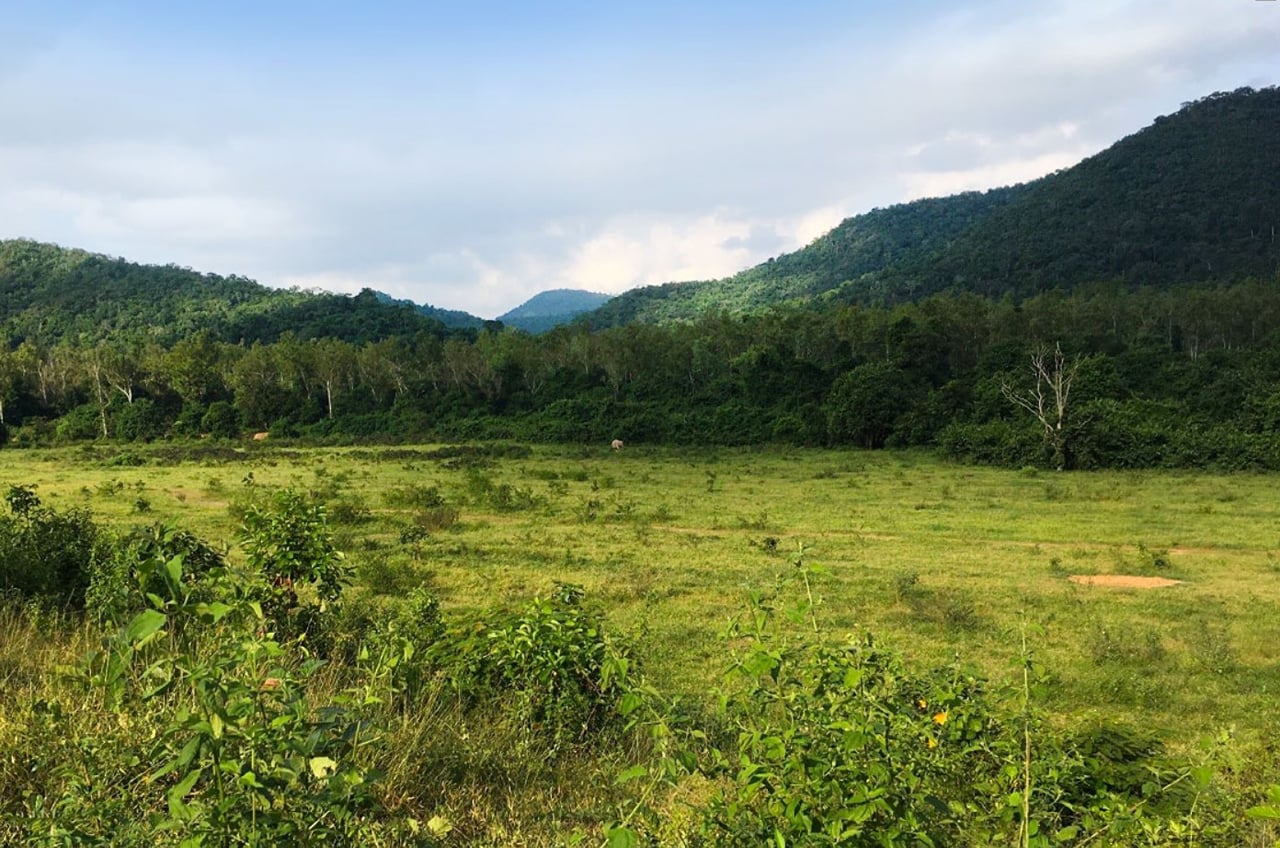
Kuiburi National Park is the only place in Thailand where more than 320 protected wild elephants live and you will have the unique 99% opportunity to see them in this untouched wildlife, which is simply incredible. In addition to Asian elephants and gaurs, the other relatively common mammals are golden jackals, various deer, langurs, white-handed gibbons, Burmese hares, Malay porcupines and wild boars. Other interesting but rare mammals include tigers, leopards, bantengs, Malay tapirs and dholes (Asian wild dogs). Kui Buri has a rich fauna of birds with over 260 species currently. Crested falcons, grey peacock pheasants, ferrous partridges, Tickell's brown hornbills, white-crowned hornbills, brown fish owls, yellow-ventilated green pigeons, white-fronted dwarf-eared owls, mustache hawks, red-necked hornbills, blue-collared parrots, chestnut-nickel fork tails, red-bearded bee-eaters, maroon woodpeckers, red-winged philentomes, spectacled spider hunters, spotted neck chatter, mustache chatter and many more were recorded from the park. Herons are seen daily around herds of elephants. Other more common birds include red jungle birds, Indochinese reels, and Asian open beaks.
Of the approximately 60 known reptile species found in the park, only a few are interesting; Red-headed kraits (Bungarus flaviceps), the southern variant of the Pope's Pit Vipers (Trimeresurus popeiorum), Dog-toothed Cat Snakes (Boiga cynodon), Stump-headed Tree Snakes (Aplopeltura boa), Brown Kukri Snakes (Oligodon purpurascens), Indochinese Earth Snakes (Gongylosoma scriptum), Speckel-headed Whip Snakes (Ahaetulla fasciolata), Drapiez Cat Snakes (Boiga drapiezii), Rough-necked Monitor Lizards (Varanus rudicollis), Elongated Turtles (Indotestudo elongata), Burmese green lizards (Bronchocela fasciolata) burmana) and Malay softshell turtles (Dogania subplana). There are also birds like the Crested Fireback, Indian Roller and Asian Openbill bird or even gaurs and leopards. The park forest consists of dry and moist evergreen forests with trees such as Dipterocarpus tuberculatus, Hopea odorata, Terminalia chebula and various species of palm trees.
November to February offers the best combination of wildlife concentration (dry season water scarcity draws elephants together) and comfortable trekking weather. Early morning departures significantly increase elephant encounter likelihood.
Based on 5 ratings
Top-rated, great-value activities in Kui Buri