 1 / 5
1 / 5Visit Majorelle Gardens, Museum and Ramparts
About this activity
This cultural tours is one of the standout things to do in Marrakesh, Morocco. it combines the highlights below into a single, easy-to-book experience from €62 per person. A cultural visit the Marrakech Botanic Gardens, Berber Museum & Ramparts
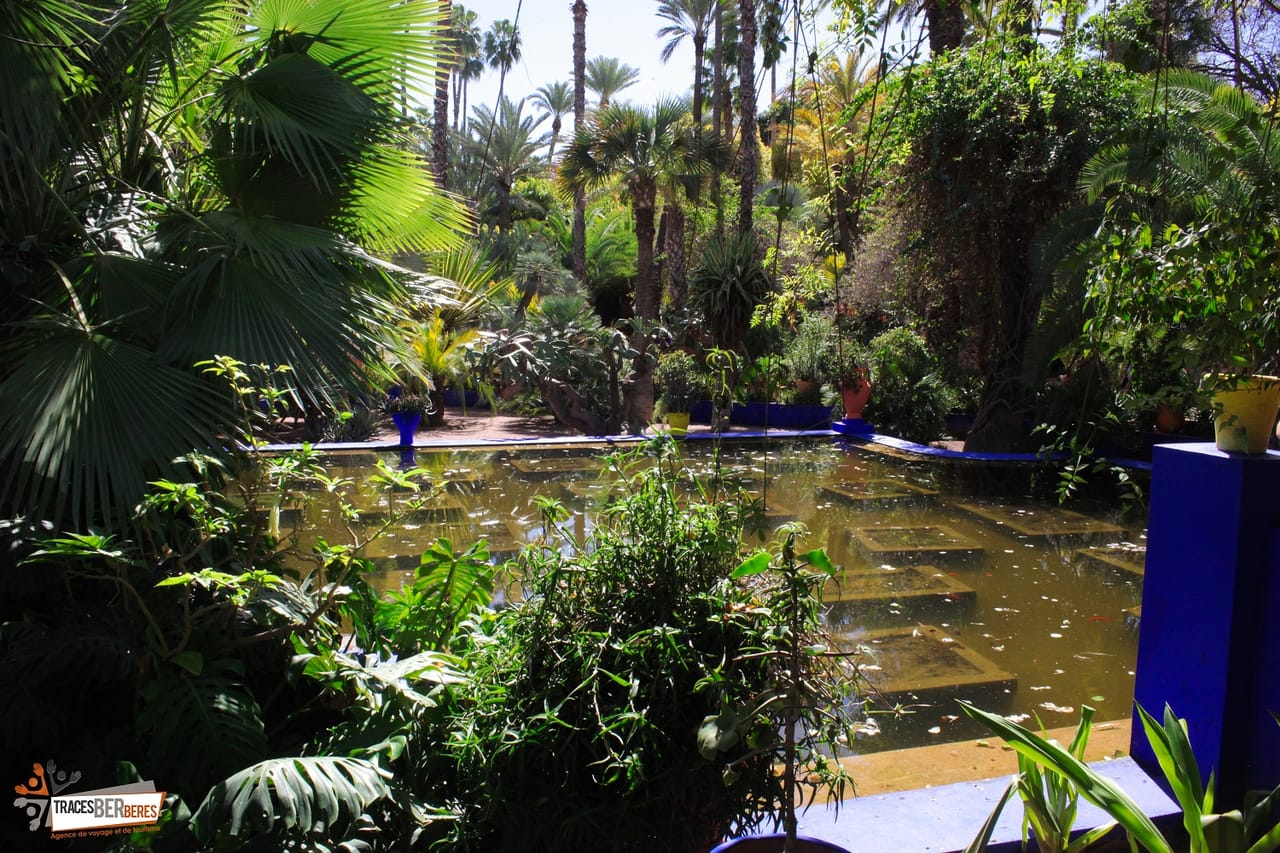
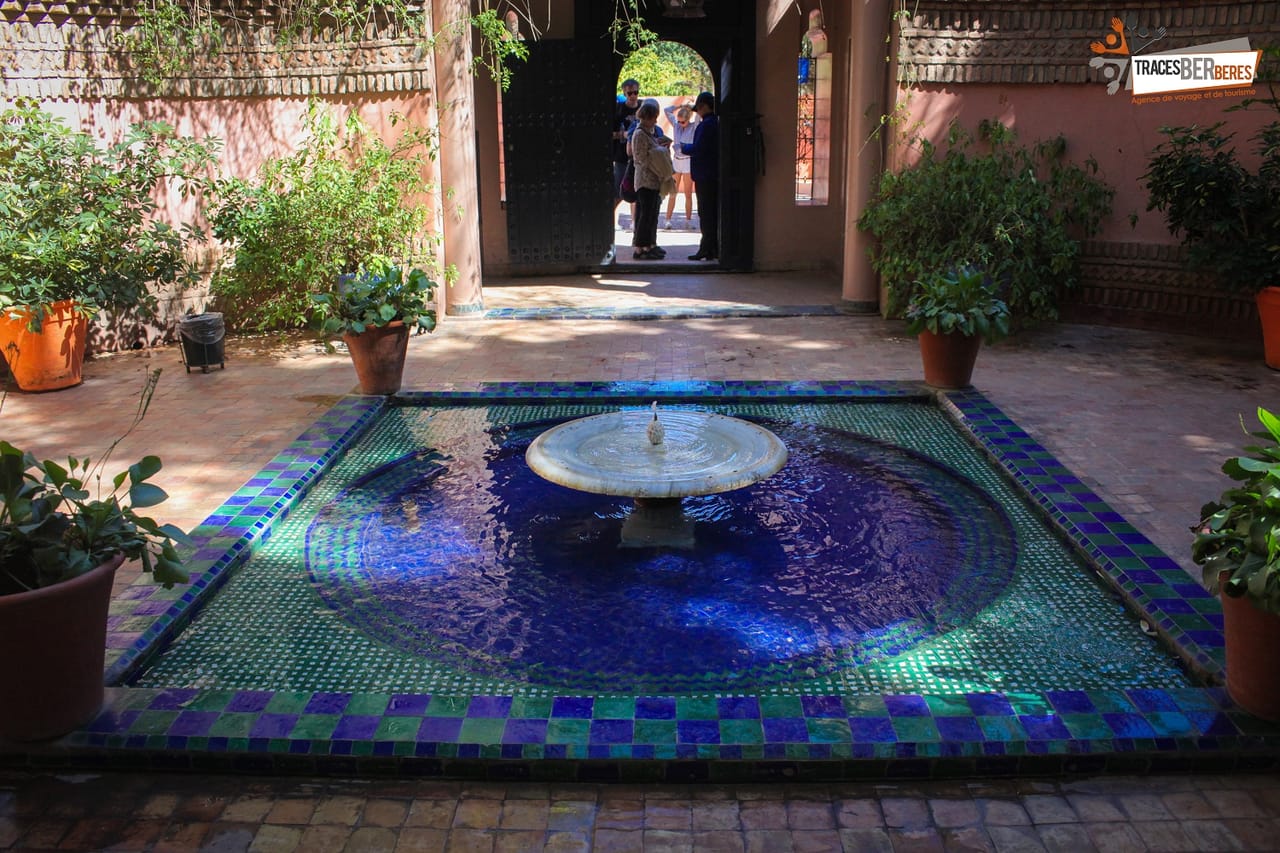
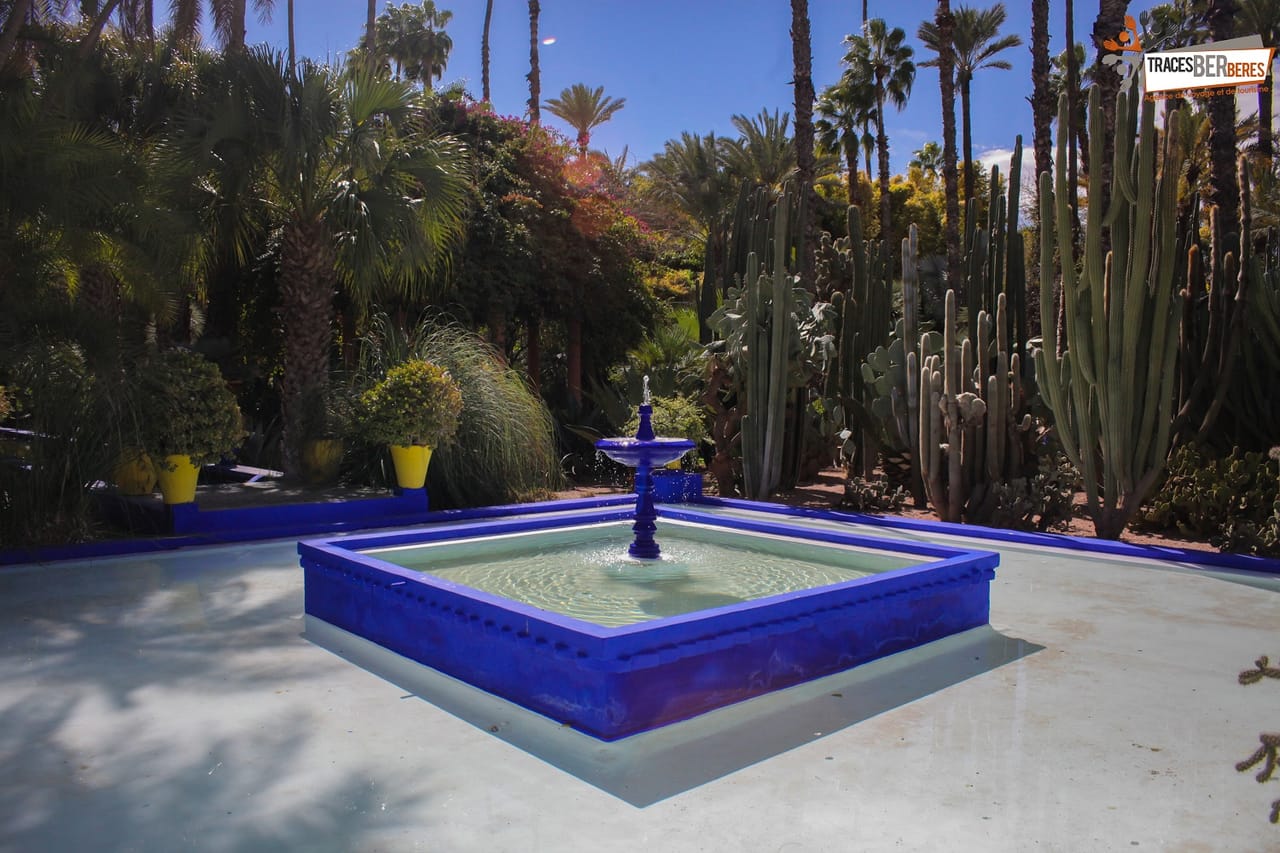
Join this half-day city tour to visit the gardens of 3000 exotic plants, the famous berbers musuem and the great Ramparts of Marrakech:
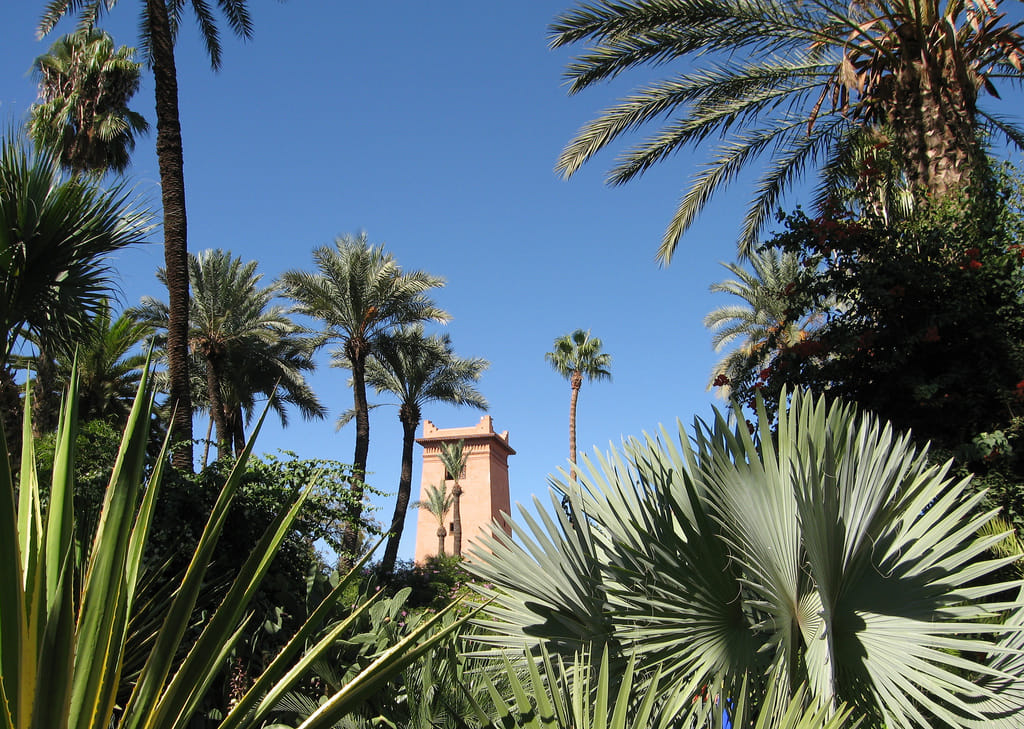
MAJORELLE GARDEN : is a small, peaceful heaven, located in the heart of the city of Marrakesh. This botanical garden was created in 1931 by the French painter Jacques Majorelle.
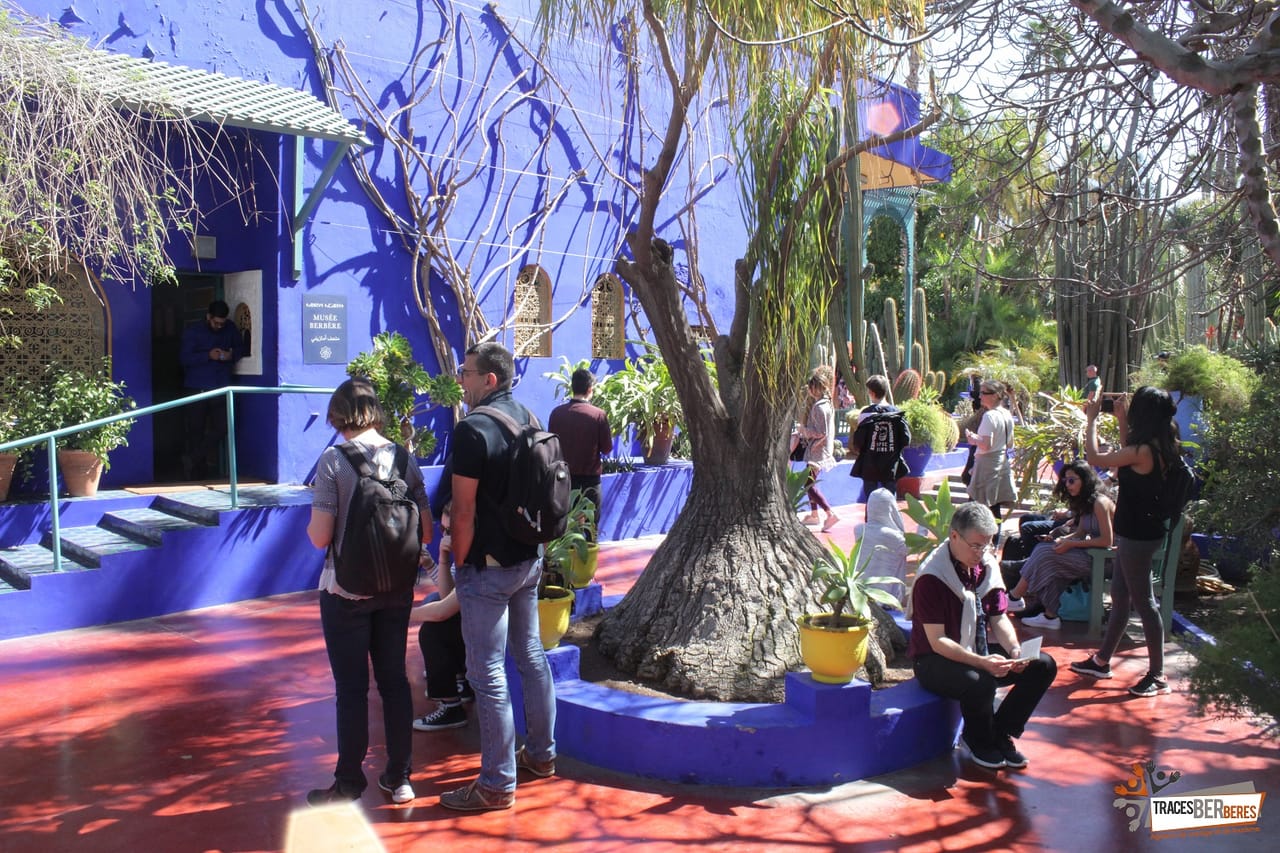
THE BERBER MUSEUM : The Berber Museum inside Majorelle Gardens is a small museum with an exhibition area of 200 m2 exploring
the Berber culture in Morocco with a unique collection of Berber objects from diverse regions of Morocco.
RAMPARTS OF MARRAKECH : The medina’s walls are over 9 metres high, 2 metres thick and are about 19 kilometres in length. The oldest parts of the ramparts date from the 12th century; the walls were extended south and north in the 16th century.
Good to know
- •Duration: approximately 1 hour.
- •Confirmation is instant — your spot is secured the moment you book.
- •Offered in 4 languages.
- •Confirm weather-appropriate clothing and comfortable footwear before you go.
Who it's for
Best time to visit
Marrakesh is rewarding year-round, but spring and early autumn typically bring the most comfortable temperatures and thinner crowds than peak summer. Morning departures tend to be quieter and cooler; booking ahead is recommended in high season as popular cultural tours slots in Marrakesh sell out.
Frequently asked questions
More things to do in Marrakesh
- Camel Ride in the Marrakech Palm Grove
- Complete Morocco
- MARRAKECH SAHARA AND GORGES 4 DAYS
- Marrakech Hidden Sights And Souks - Half Day Tour
- Magic of Marrakech and the desert 6 days
- Zagora Desert and Draa Valley 2-Day Low Cost Group Tour
- Full-Day Ouzoud Waterfalls Tour From Marrakesh with Boat Ride
- Sahara desert tour to Merzouga - 3 Days from Marrakech
- Half-Day Sightseeing in Marrakech with a Local
- Camel Trek Morocco 8 Days
- Toubkal trek - 2 days
- Chez Ali Marrakech Night: Dinner and Spectacular Fantasia