 Most Popular
Kandy8h
One Day Experience in Kandy (German & English)
4.7(3)
From€88.08€86.64
/ person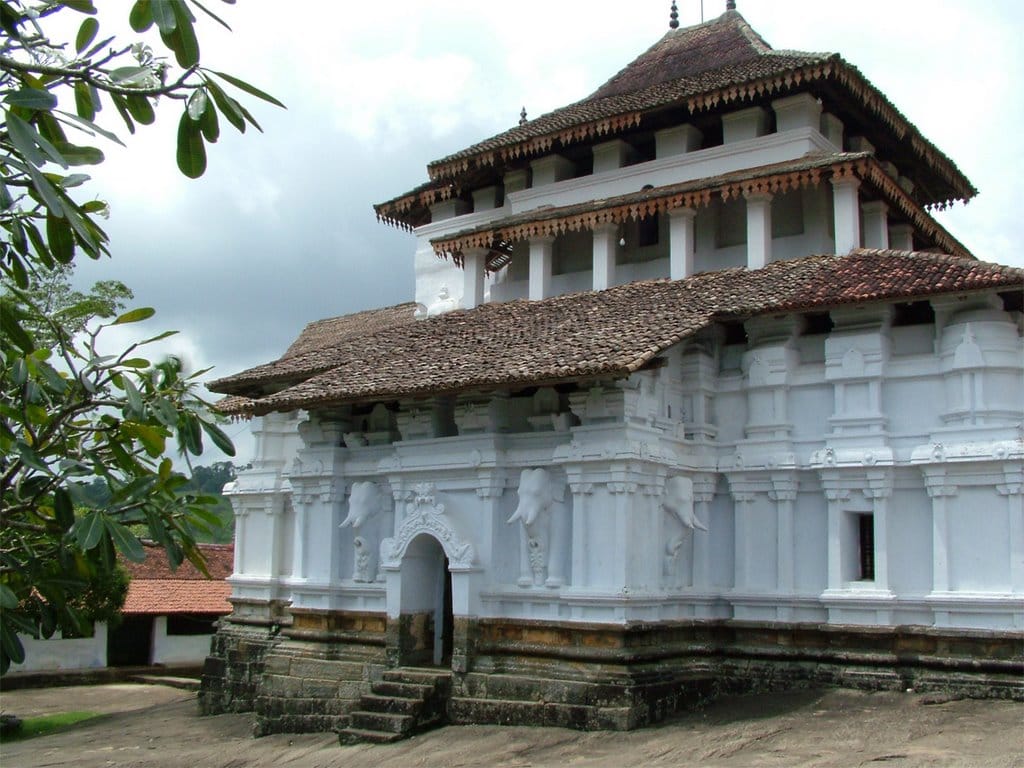
 1 / 7
1 / 7Explore three centuries-old Buddhist temples nestled in the Gampola hills near Kandy, each showcasing distinct architectural styles and intricate craftsmanship from Sri Lanka's medieval kingdoms. The 7-kilometre trail connecting them winds through rice paddies and village life, making the journey as rewarding as the destinations themselves.
One of the most legendary attractions in Gampola , the Embekke, Lankatilaka, and Galadeniya is a short distance from each other and sometimes referred to as the three-temple loop. The temples serve as a living testimony to Sri Lanka’s Buddhist heritage, history, and exceptional craftsmanship.
Each temple holds a considerable amount of historical information of the ancient kingdom’s era, carved mostly in stone.
Even if the temples themselves weren’t fascinating, and they are, the seven-kilometer path that connects Embekke, Lankathilake, and Gadaladeniya leads past rice fields and through small towns and would be worth walking in its own right.
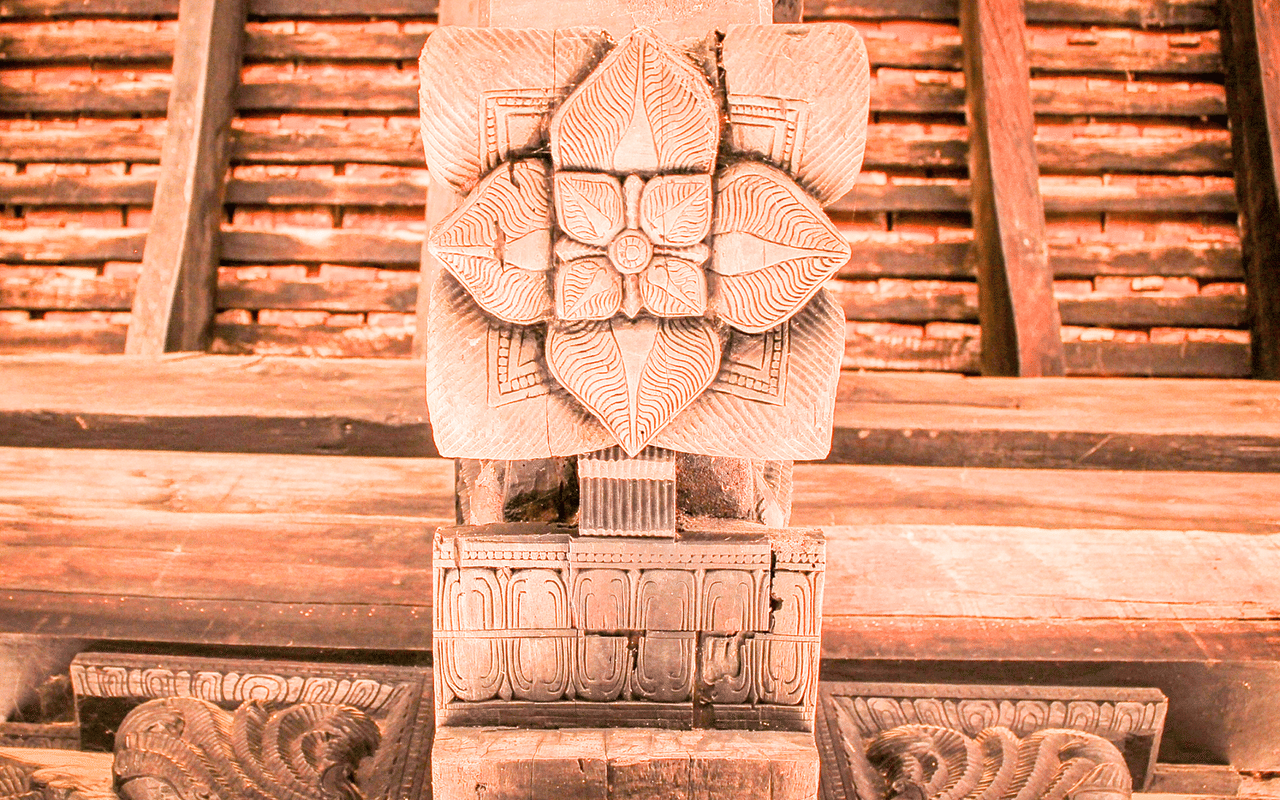
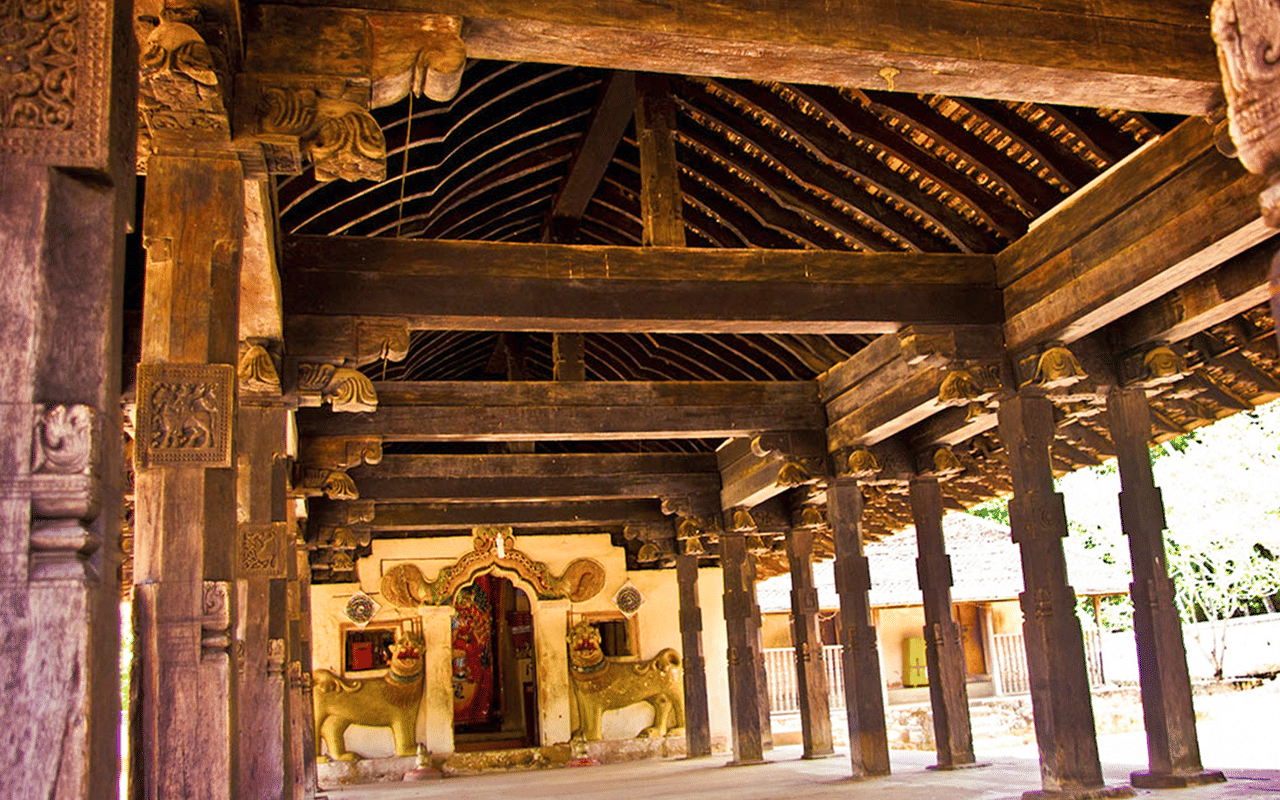
Embekke temple was built by King Vikramabahu III to honor King Mahasena who ruled Sri Lanka from 277 to 304 AD. The Devalaya (temple) has three main areas; the Sanctrum of Garagha, Dancing Hall, and the Drummers Hall which is beautifully decorated with splendid wood sculptures and carvings of dragons and fierce battles between lions and elephants.
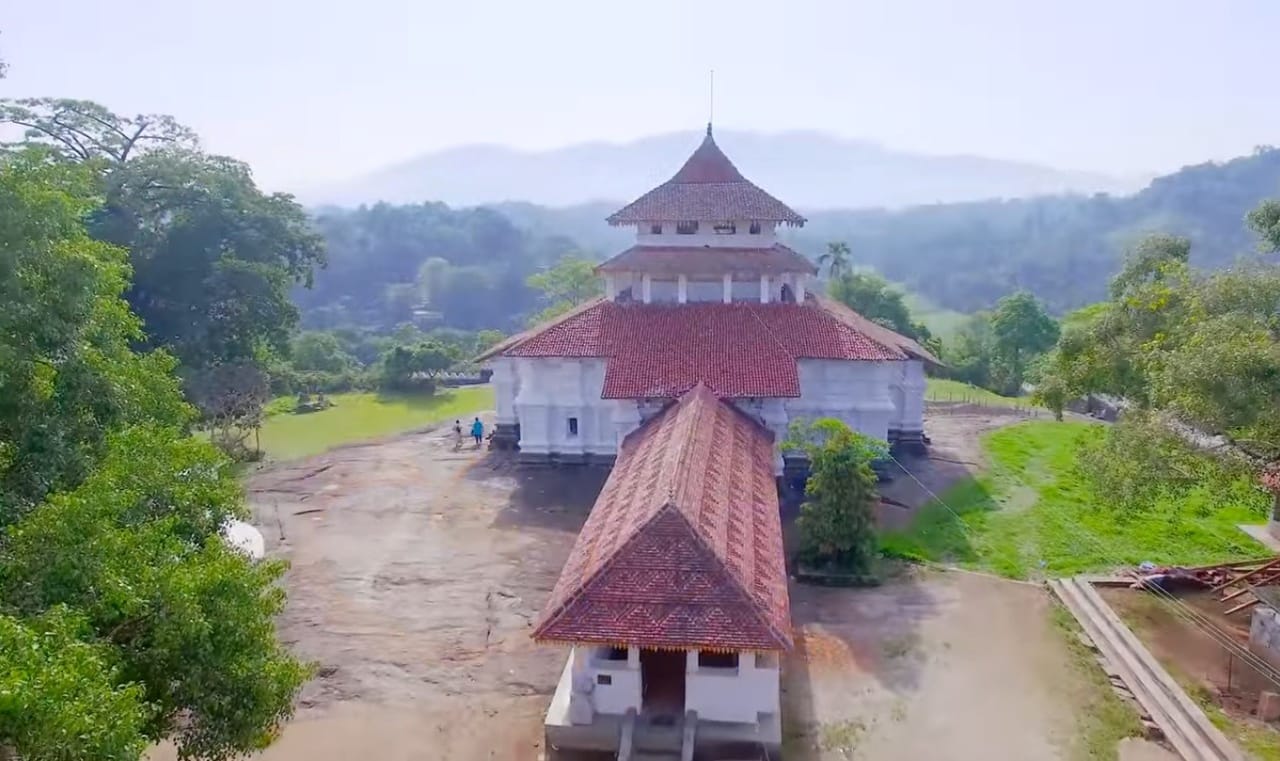
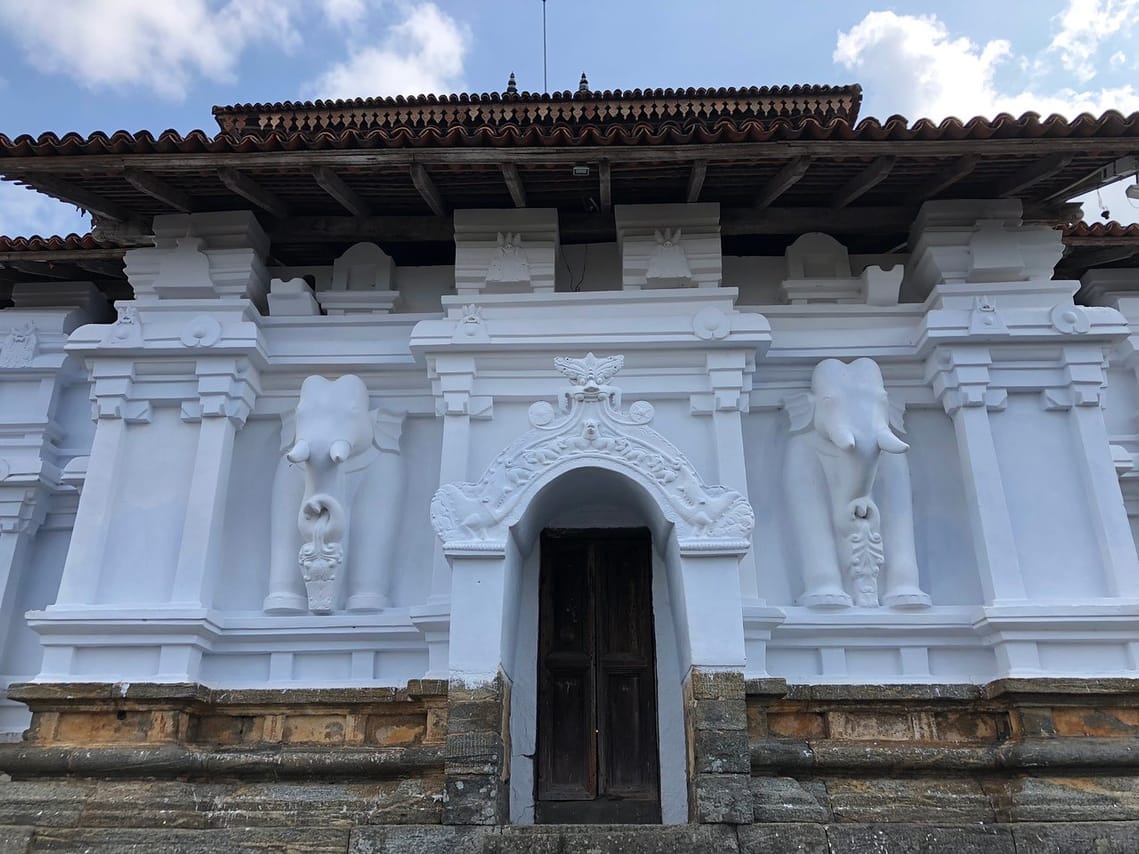
Lankatilaka Vihara (monastery), the best example of architecture during the reign of King Buwanekabahu IV who made Gampola the capital of Sri Lanka during the mid-fourteenth century.
Built on natural rock, the temple mixes stone, plaster, and wood within its uniquely Sinhalese architectural style and is home to many ancient paintings that draw people from afar.
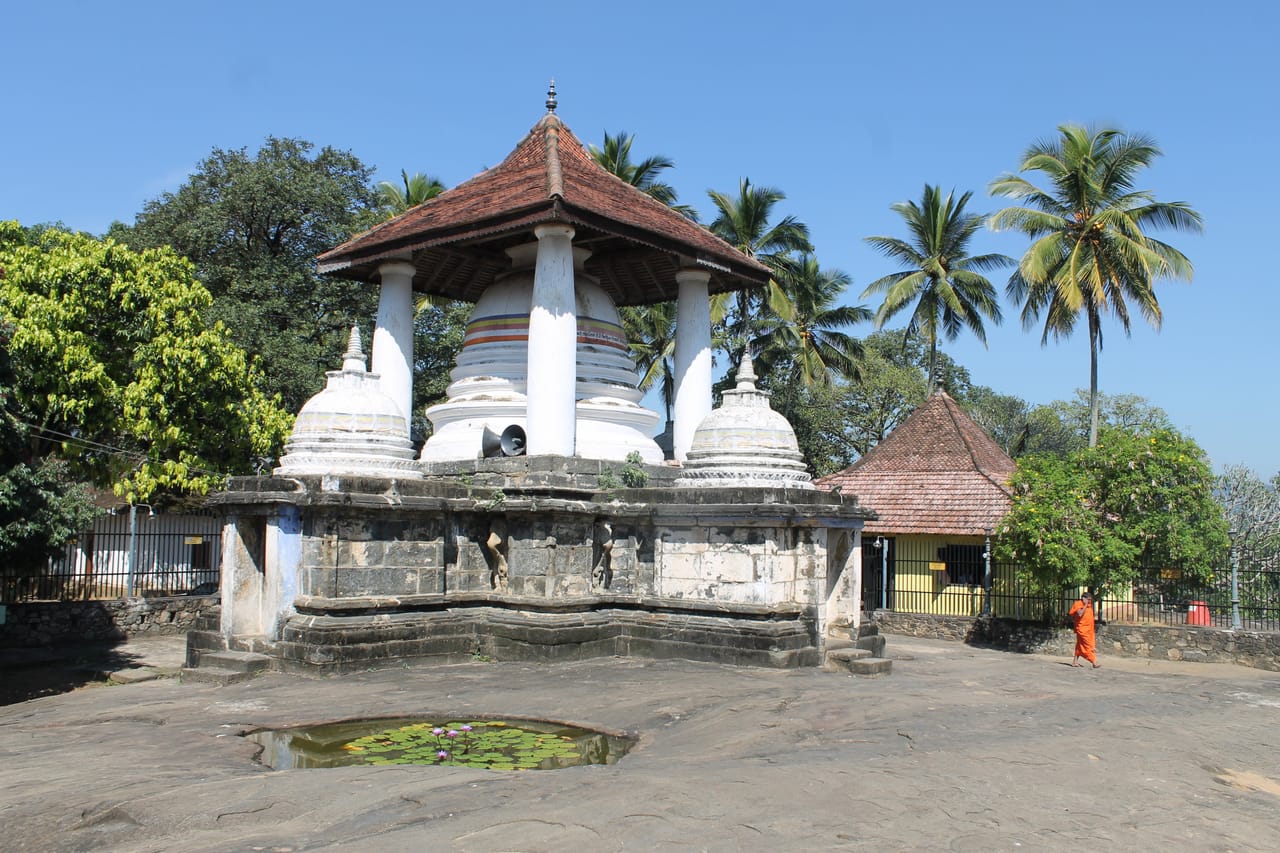
Gadaladeniya temple is made almost exclusively from stone and is considered one of the largest stone temples on the island.
It is another example of an imposing temple built during the reign of King Buwanekabahu IV during the mid-fourteenth century and following the Sinhalese architecture style from the Polonnaruwa era.
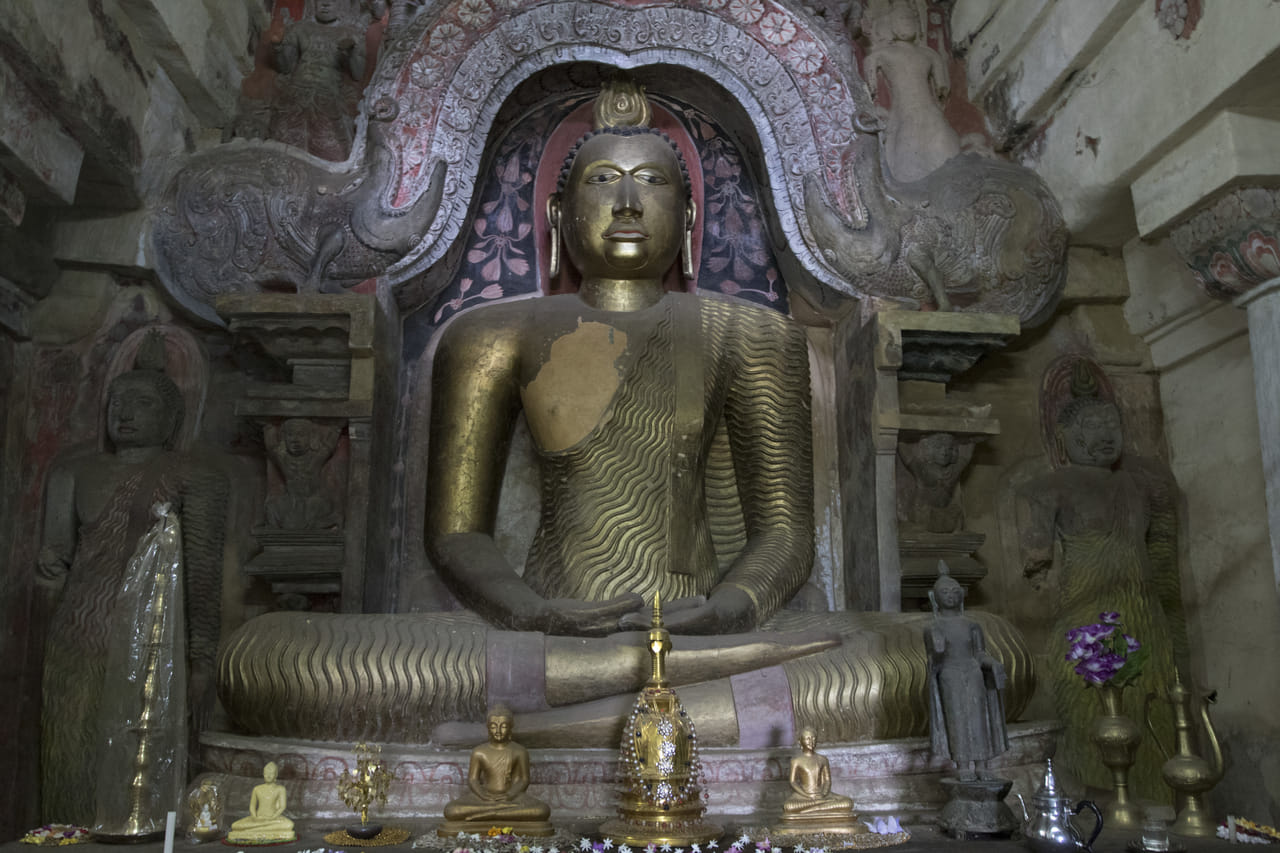
The main shrine in the temple has a seated Buddha statue underneath a dragon's arch (‘Makara Thorana’) which is richly decorated.
Visit during the dry season (December–March or July–September) to avoid muddy trails and temple closures. Early morning departures (7–8am) offer cooler temperatures and fewer crowds.
Top-rated, great-value activities in Kandy