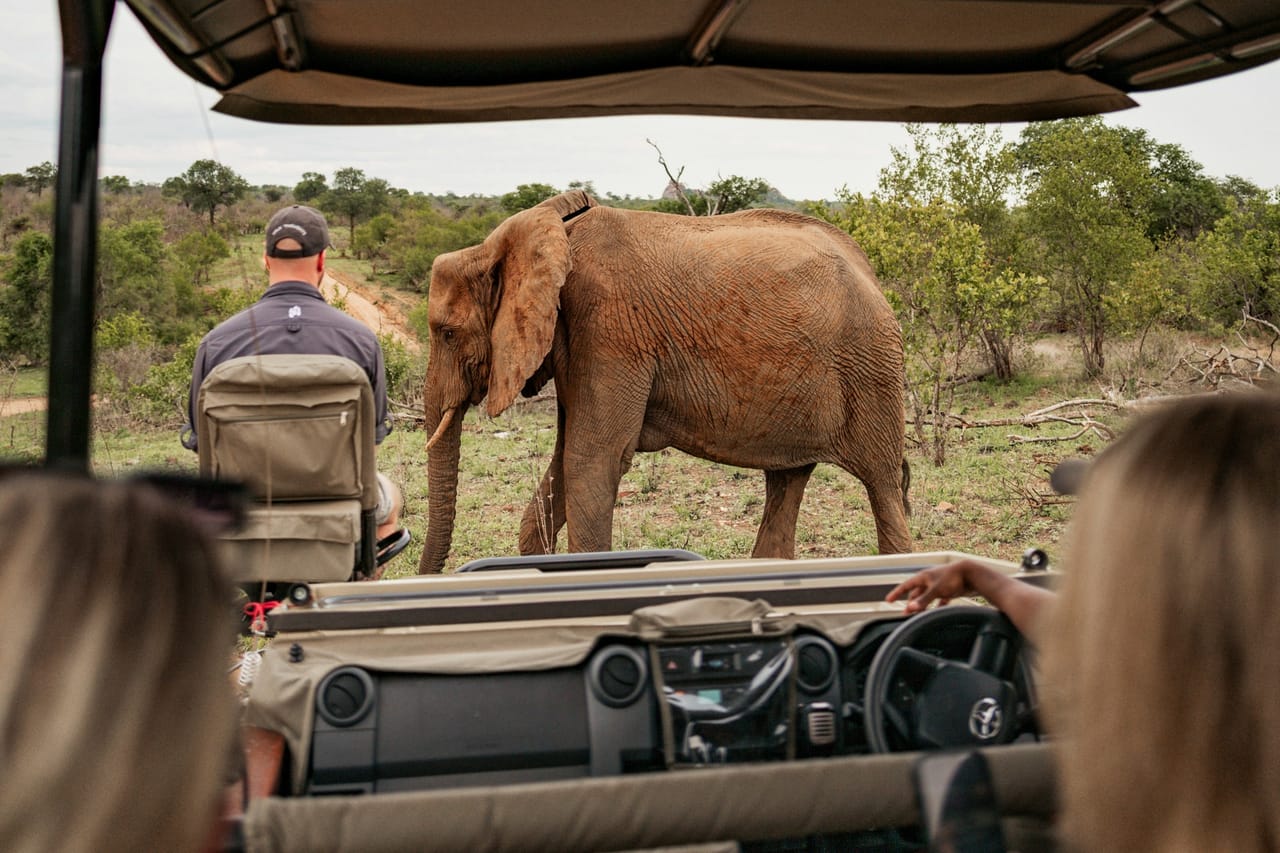
An elephant standing near an open-sided safari vehicle with passengers watching from their seats.
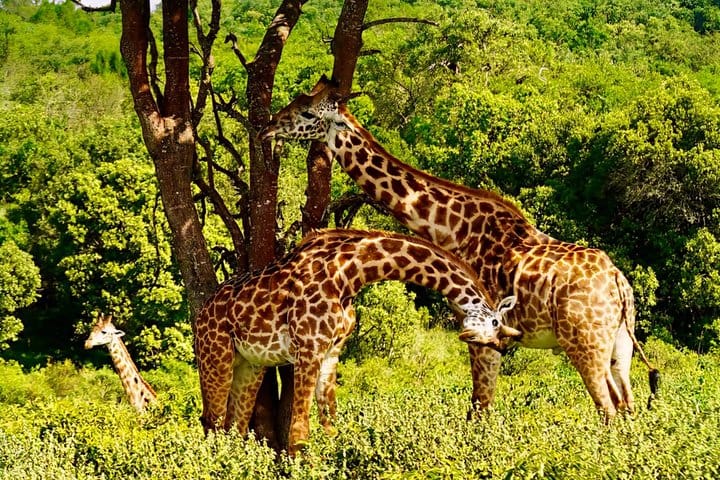
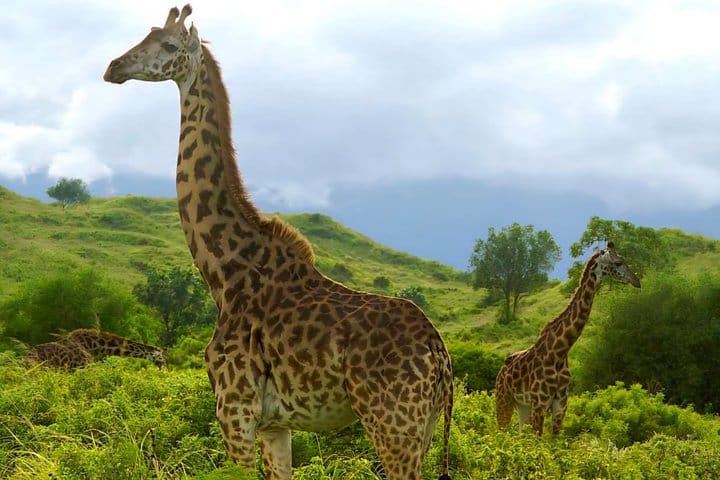
Bespoke Tanzania Safari experience featuring wild giraffes in Serengeti, luxury wildlife viewing by Hillborn Experiences.
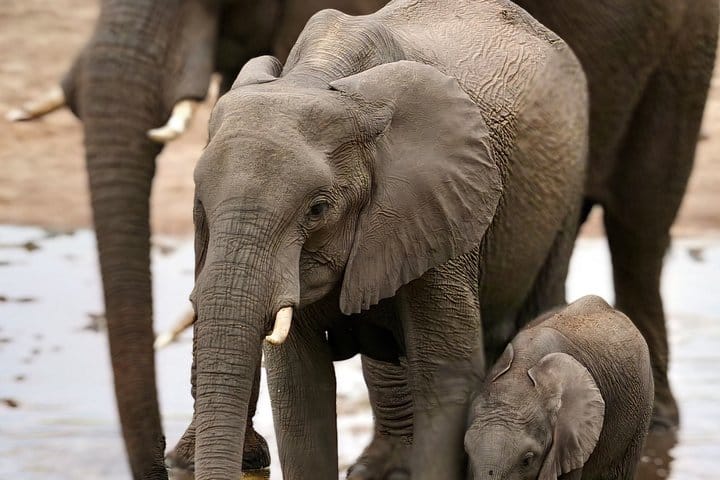
A close-up of an adult African elephant and its calf standing together in the wild.
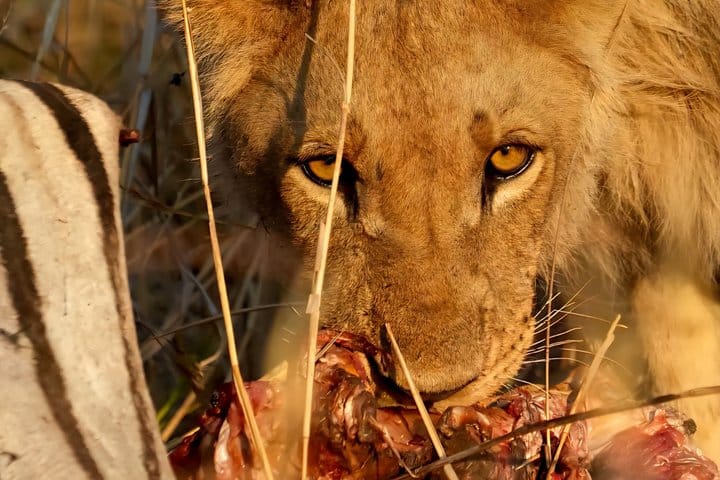
Close-up of a young lion with golden eyes looking directly at the camera while feeding in the wild.
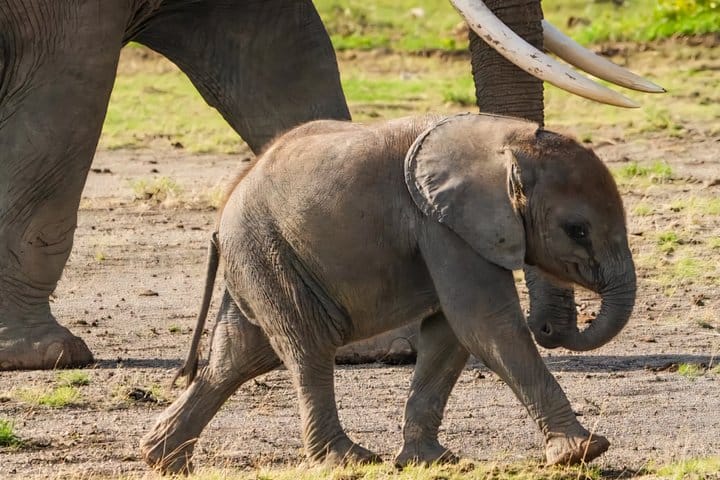
A baby African elephant walking across a sunny field with the legs of an adult elephant visible in the background.
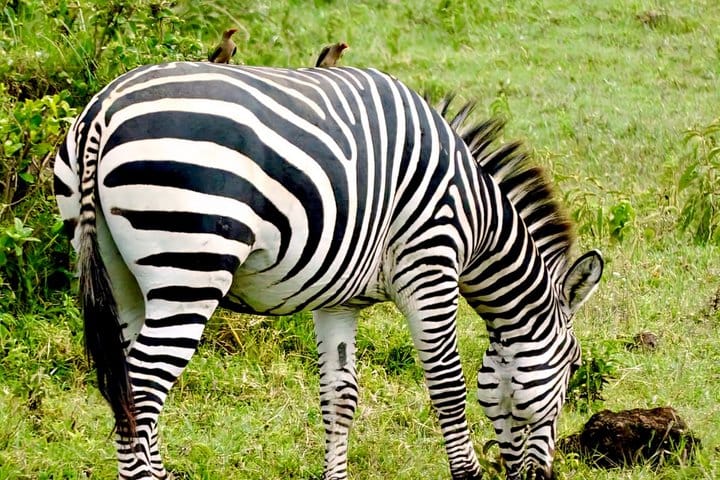
zebra with black and white stripes grazing in a green grassy field.
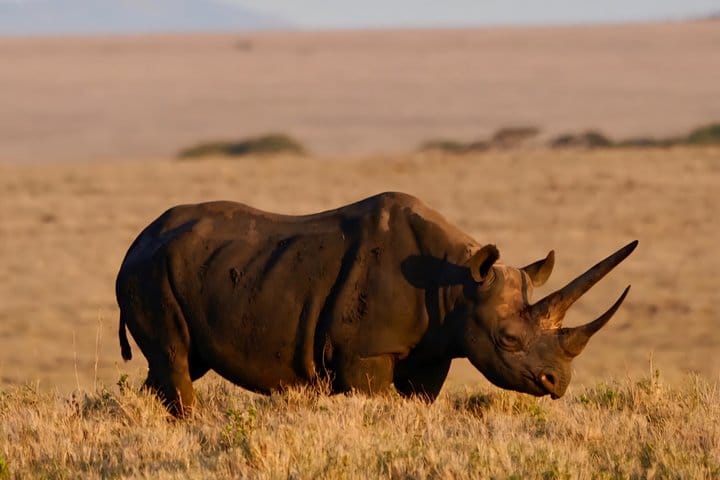
A black rhinoceros standing in dry golden grass during sunset.
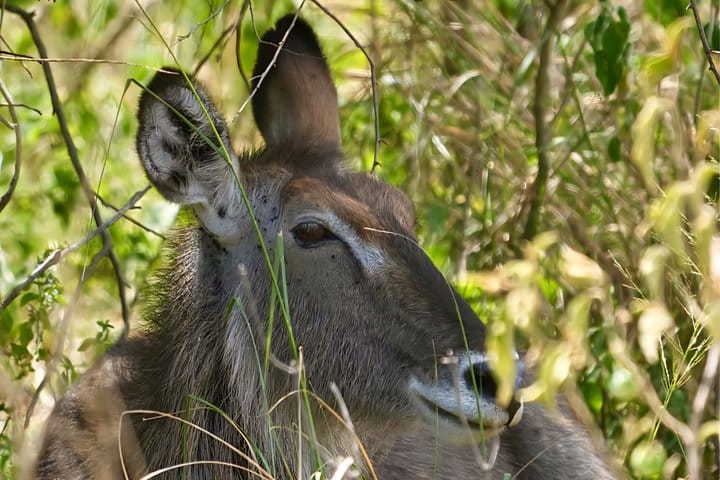
Close-up of a waterbuck's face partially hidden by green foliage and branches.
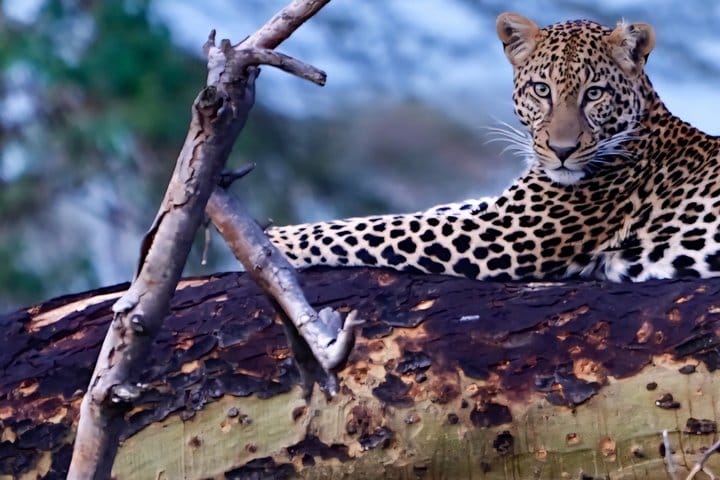
A spotted leopard lying on a thick tree limb, looking toward the camera.
Two giraffes standing in a lush, green hilly landscape under a cloudy sky.
Most Popular1 / 10

Tanzania Safari: Serengeti, Ngorongoro & Lake Manyara | Big Five Wildlife Experience

(3)
Arusha, Tanzania
Nature ToursSafari & WildlifeATV & Quad ToursLuxuryBus & Minivan Tours
Instant confirmationSecure checkoutNo hidden fees

About this activity

Explore three of Tanzania's most iconic wildlife destinations—the Serengeti, Ngorongoro Crater, and Lake Manyara—over 5 days, with a focus on spotting the Big Five and experiencing pristine African ecosystems. The Ngorongoro Crater, the world's largest intact volcanic caldera formed 2.5 million years ago, creates a self-contained sanctuary where game viewing is exceptional and landscapes dramatic.

Prepare to immerse yourself in the unrivaled splendor of Africa’s most exquisite natural marvel - the legendary Ngorongoro Crater. This majestic masterpiece, sculpted over 2.5 million years ago by the cataclysmic eruption and graceful collapse of a colossal volcano, now stands as the world’s largest intact and unfilled volcanic caldera. Imagine a volcano once as commanding as Mount Kilimanjaro, soaring 5,800 meters into the heavens, now reimagined as an opulent basin brimming with vibrant life. Spanning an impressive 260 square kilometers and descending 610 meters into the earth, the Ngorongoro Crater is a sanctuary of breathtaking biodiversity, where Africa’s most iconic wildlife flourishes in a timeless, self-sustaining Eden. This is not merely a safari - it is an exclusive passage into the wild heart of Earth’s most enchanting legacy, promising an experience of unparalleled elegance and wonder.

Highlights

  • Game drives in the Serengeti's endless plains during the Great Migration season
  • Ngorongoro Crater descent—a 610m-deep caldera with concentrated wildlife viewing
  • Big Five sightings (lion, elephant, buffalo, leopard, rhino)
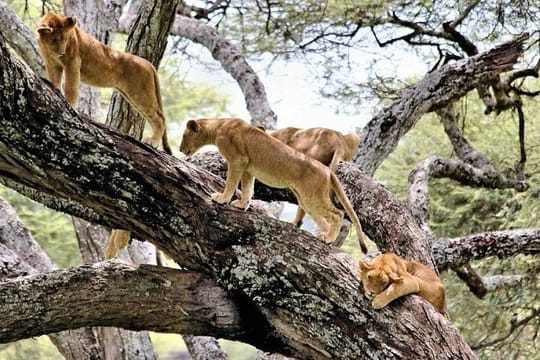
  • Lake Manyara's tree-climbing lions and diverse birdlife
  • Professional guiding and photography-friendly safari experience

Insider tips

  • Visit during dry season (June–October) for optimal game visibility; the Great Migration (January–February) offers dramatic river crossings
  • Ngorongoro Crater viewing is best in early morning or late afternoon—mid-day heat reduces animal activity
  • Bring a quality zoom lens or binoculars; wildlife can be distant, and photography opportunities reward patience
  • Request a 4x4 vehicle and experienced guide when booking—quality varies and directly impacts sighting success

Good to know

  • Duration: 5 full days (typically 3–4 days of active game drives)
  • Starting point: Arusha (arrange airport transfers in advance)
  • Accommodation: Mix of lodge and tented camp stays; ensure sun protection, neutral clothing (greens/tans), and sturdy footwear for uneven terrain
  • Physical demands: Moderate; long hours in vehicles with early starts; not suitable for severe mobility restrictions
  • All-inclusive typically covers meals, game drives, and park fees; confirm what's included

Who it's for

Wildlife photographers and nature lovers seeking iconic African sceneryBig Five hunters and first-time safari-goersBirdwatchers and adventurous couples/small groupsLuxury travellers wanting an all-inclusive, curated safari experience

Best time to visit

June to October (dry season) offers the best combination of game visibility, comfortable temperatures, and lower prices. December to February captures the Great Migration and works well for birdwatchers, though can be wet; avoid April–May (heavy rains reduce accessibility).

Frequently asked questions

Available
From€2,637
per person