
 1 / 5
1 / 5Soweto y Museo del Apartheid - en Español
About this activity
This cultural tours is one of the standout things to do in Johannesburg, South Africa. Rated 4.0/5 by 5 travellers, it combines the highlights below into a single, easy-to-book experience from €121 per person. Entre 1948 y 1994, los sudafricanos vivieron bajo un sistema racista de leyes llamado apartheid. El museo del apartheid y Soweto representan el régimen de discriminación racial y su lucha por la democracia.
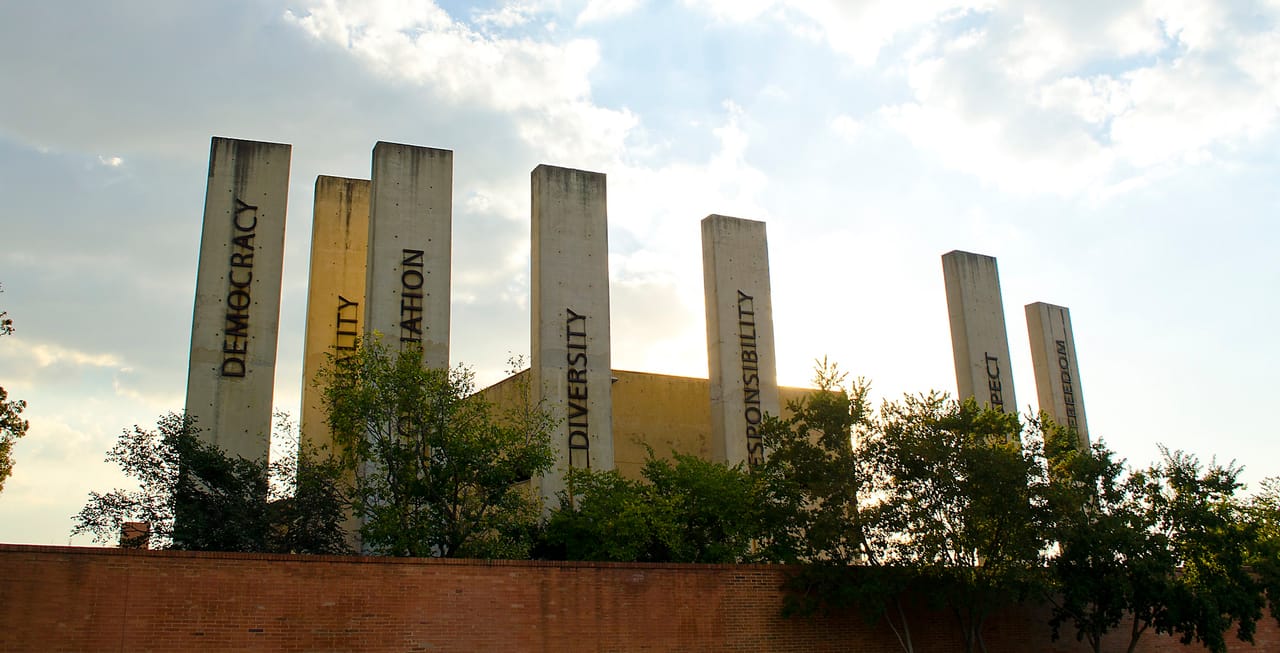
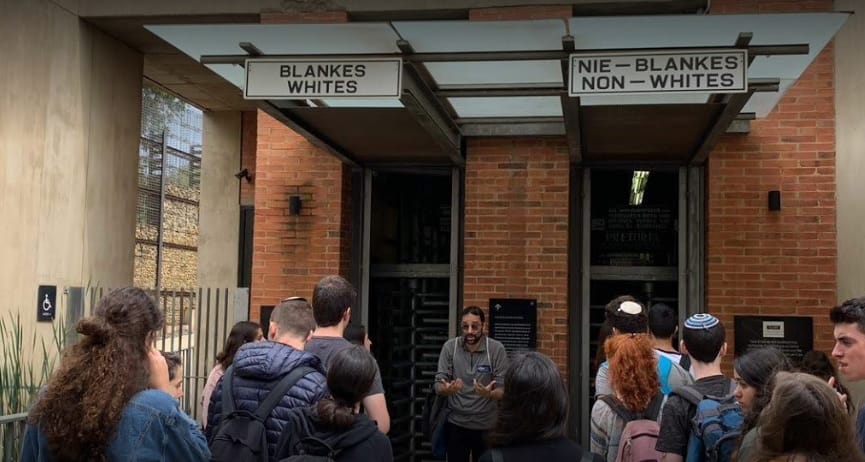
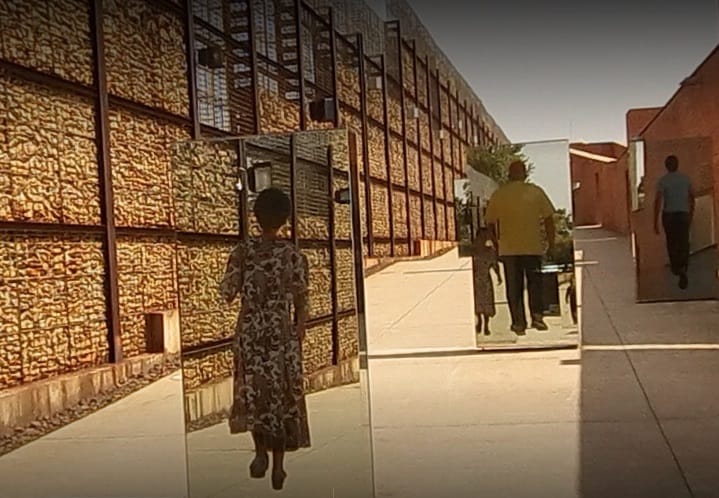
Visitaremos uno de los museos más famosos en el mundo el museo del Apartheid, conocido como la "Esencia de la Nación" o "El alma de Sudáfrica". Sus paredes representan la tragedia, destrucción, brutalidad y el coraje en lucha de un pueblo por la democracia, representa también la paz, libertad y el perdón de una patria. Su guía le acompañará y le dará una explicación durante su recorrido por el museo.
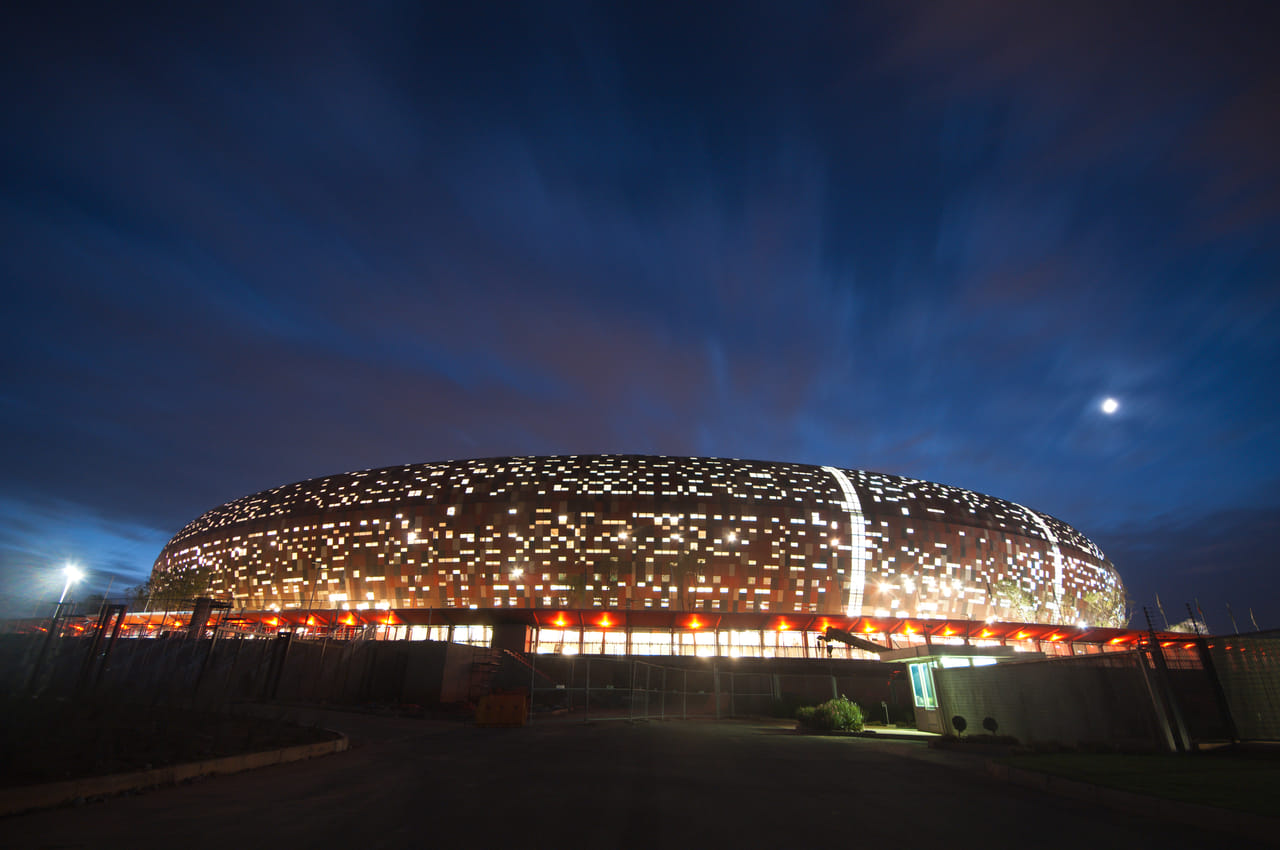
Nos dirigiremos a Soweto, pero antes haremos una parada para tomar una fotografía en el popular estadio de fútbol FNB, conocido también como el ‘Calabash’ por su forma de calabaza y donde fue la inauguración y el cierre de la copa mundial de 2010.
Una vez en Soweto, sumérjase en los eventos de 1976 que influenciaron la lucha por la libertad y camine los pasos del padre de la Nación, Nelson Mandela.
Visitaremos la casa antigua donde él y su familia vivieron recorreremos la calle de Vilakazi, famosa también por albergar 2 ganadores del premio Nobel de la Paz, Desmond Tutu y Nelson Mandela.
Tendrá un tiempo libre para recorrer los puestos de artesanías de la calle Vilakazi y con un poco de suerte disfrutar de un baile tradicional. A veces se encuentran grupos callejeros vestidos en sus trajes típicos que con una propina serán felices de sacarse una fotografía con usted.
Si tienes alguna pregunta o duda sobre este tour por favor contáctanos.
Good to know
- •Duration: approximately 4 hours and 30 minutes.
- •Confirmation is instant — your spot is secured the moment you book.
- •Offered in 2 languages.
- •Confirm weather-appropriate clothing and comfortable footwear before you go.
Who it's for
Best time to visit
Johannesburg is rewarding year-round, but spring and early autumn typically bring the most comfortable temperatures and thinner crowds than peak summer. Morning departures tend to be quieter and cooler; booking ahead is recommended in high season as popular cultural tours slots in Johannesburg sell out.
Frequently asked questions
More things to do in Johannesburg
- Kruger Park Highlights
- La Cuna de la Humanidad: Viaje a Nuestros Orígenes - en Español
- Excursión a Mina de Diamantes Culinan - en Español
- Cape Town, Kruger and Garden Route, Self-Drive
- Excursión a Johannesburgo y Soweto en Español
- Experiencia Cultural con comida - en Español
- Mulbarton Transfer To OR Tambo Airport
- Elephant Sanctuary Tour from Johannesburg
- Excursión a Johannesburgo y Soweto en Español
- Cape Town, Kruger and Garden Route, Self-Drive
- Johannesburgo, Soweto, Museo del Apartheid en Español
- Full-Day Pilanesburg Nature Reserve Tour
All things to do in Johannesburg →Every tour in South Africa →