1 / 8Snorkeling with Whales in Mirissa
About this activity
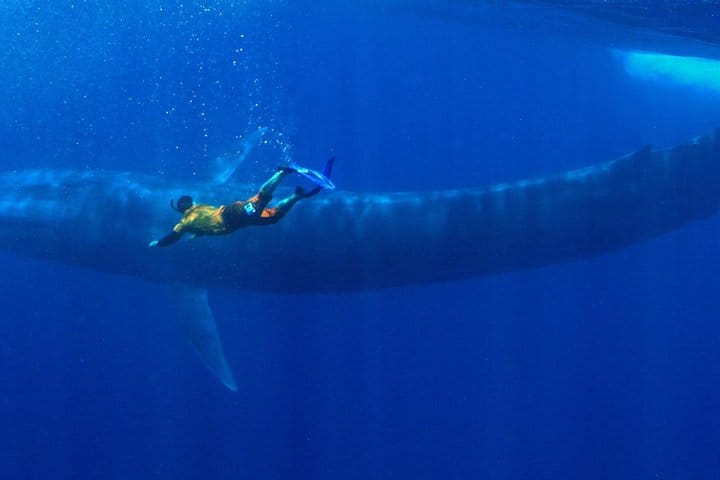
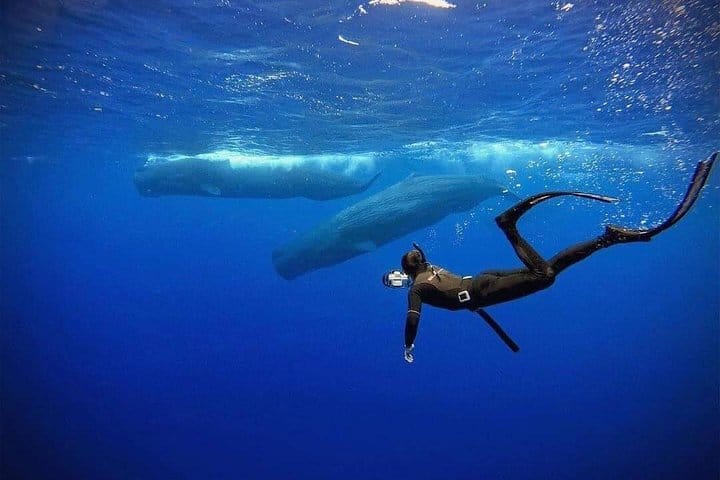
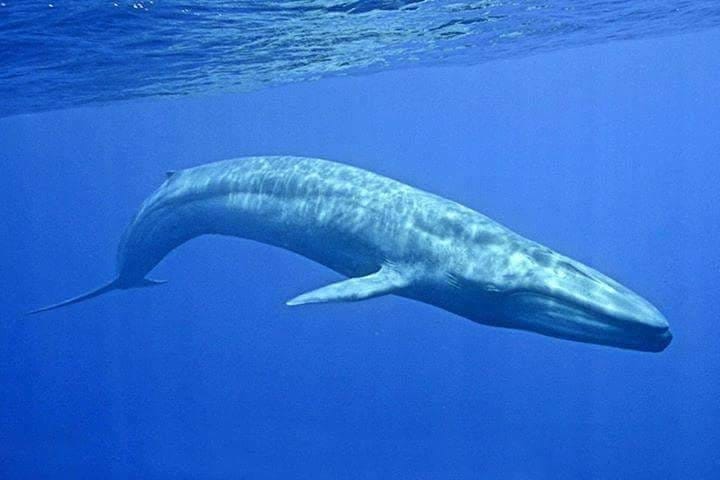
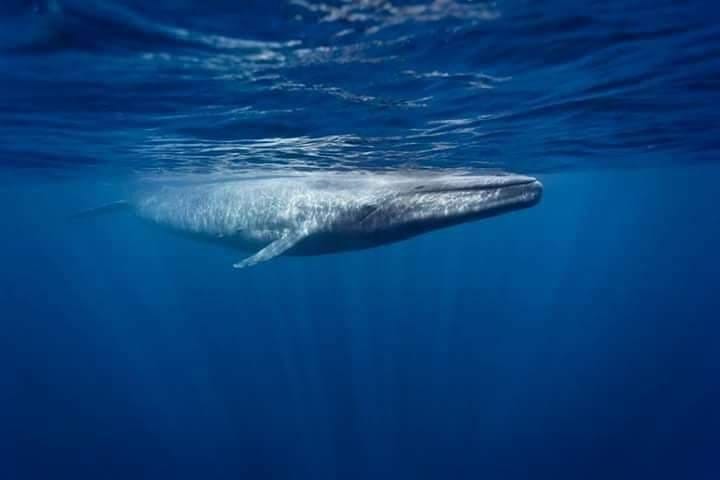
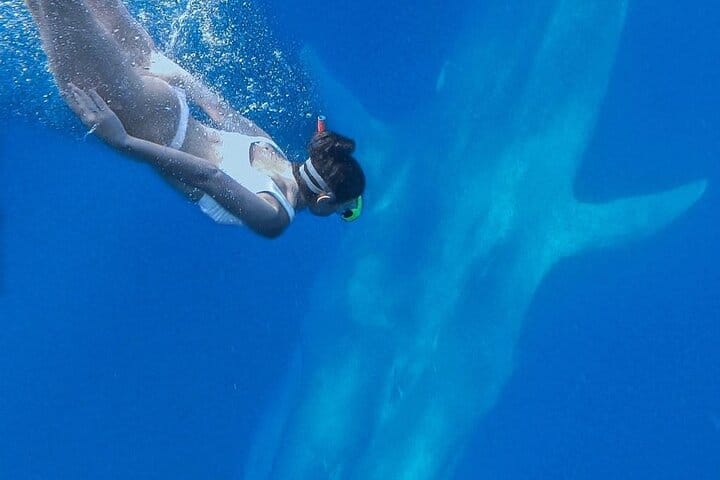
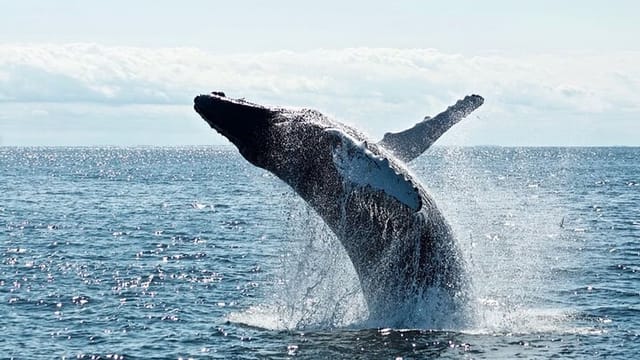
Swim alongside blue whales and sperm whales in their natural habitat off Mirissa's coast, a rare Sri Lankan marine experience where encounters vary daily based on whale behaviour and ocean conditions. This 4-hour boat excursion combines wildlife immersion with physical adventure, offering privileged access to one of the world's largest creatures in the Indian Ocean.
The opportunity to swim with whales is a privilege. The act of swimming with whales is an art. Every day is different on the water, and every encounter is unique. We swim with whales most days, but on some days this may only be briefly. Other days we swim for longer periods.
Highlights
- ✓Swim directly with blue whales and sperm whales in open ocean
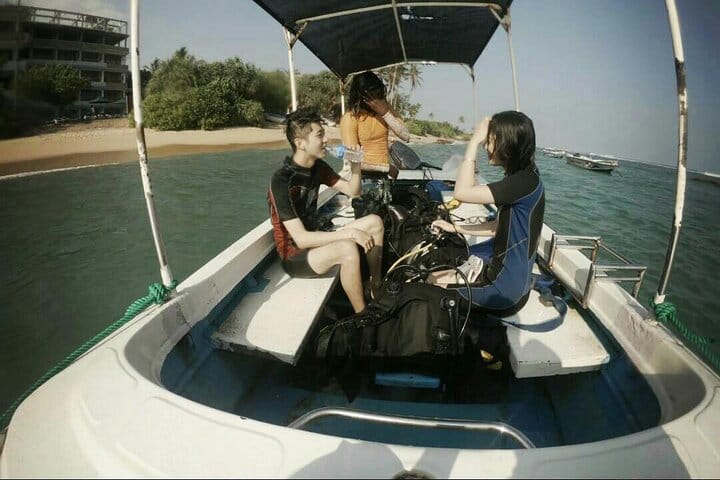
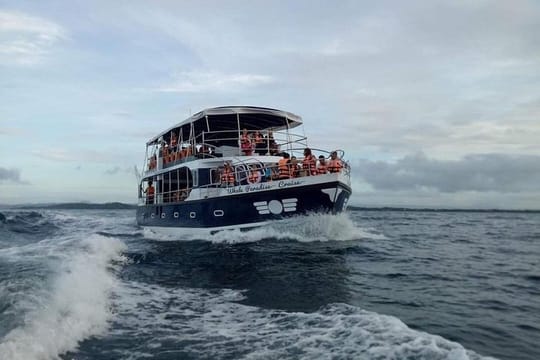
- ✓4-hour guided boat tour from Mirissa's fishing village
- ✓Unpredictable daily encounters create unique wildlife moments
- ✓Small-group experience with professional marine guides
- ✓Seasonal abundance: peak December–April for whale sightings
Insider tips
- ★Encounter duration varies daily—some days brief sightings, other days extended swimming opportunities; flexibility and patience maximize your experience
- ★Early morning departures (typically 6–7 AM) offer best sea conditions and highest whale activity rates
- ★Bring seasickness medication if prone to motion; the Indian Ocean can be rough, especially in shoulder seasons
- ★Wear a wetsuit despite warm water—extended time in ocean and sun protection matter
Good to know
- •Meeting point: Mirissa beach; expect 20–30 minute boat ride to whale feeding grounds
- •Bring reef-safe sunscreen (SPF 50+), towel, and dry change of clothes
- •Swimming ability required; snorkelling experience helpful but not mandatory
- •Weather-dependent: trips may be rescheduled or cancelled in rough seas; check conditions 24 hours prior
Who it's for
Best time to visit
December through April offers peak whale season with calmest seas and most consistent sightings. Early mornings (6–7 AM start) provide optimal water conditions and highest encounter probability before afternoon winds roughen the ocean.