Gabrovo1d
Skip the Line: Tour in Open Air Ethnographic Museum ETAR + ticket
4.0(5)
From€12.90
/ person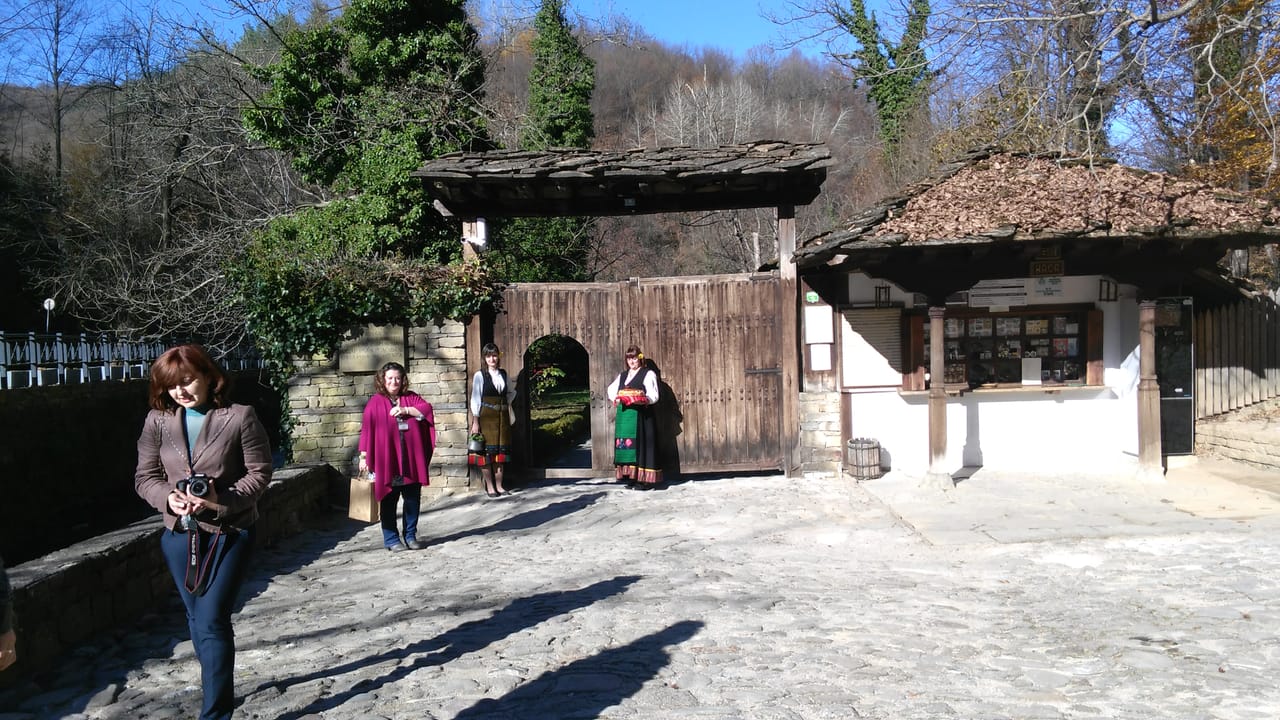
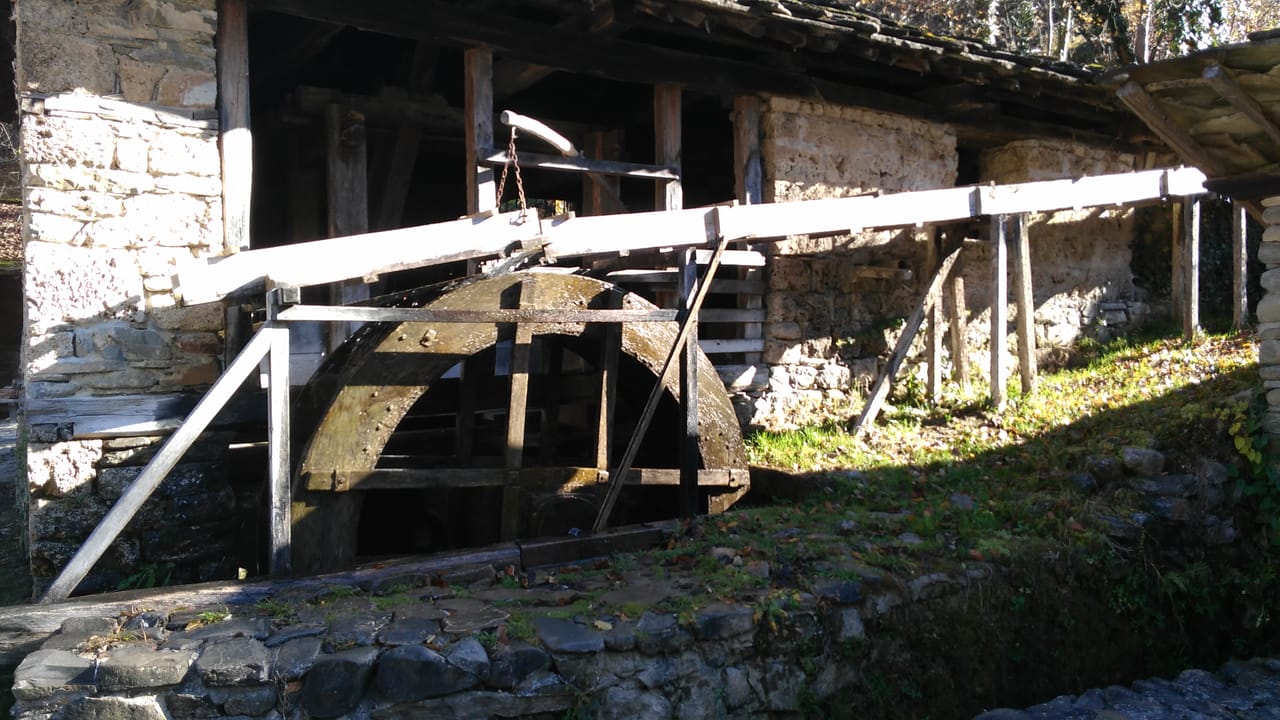
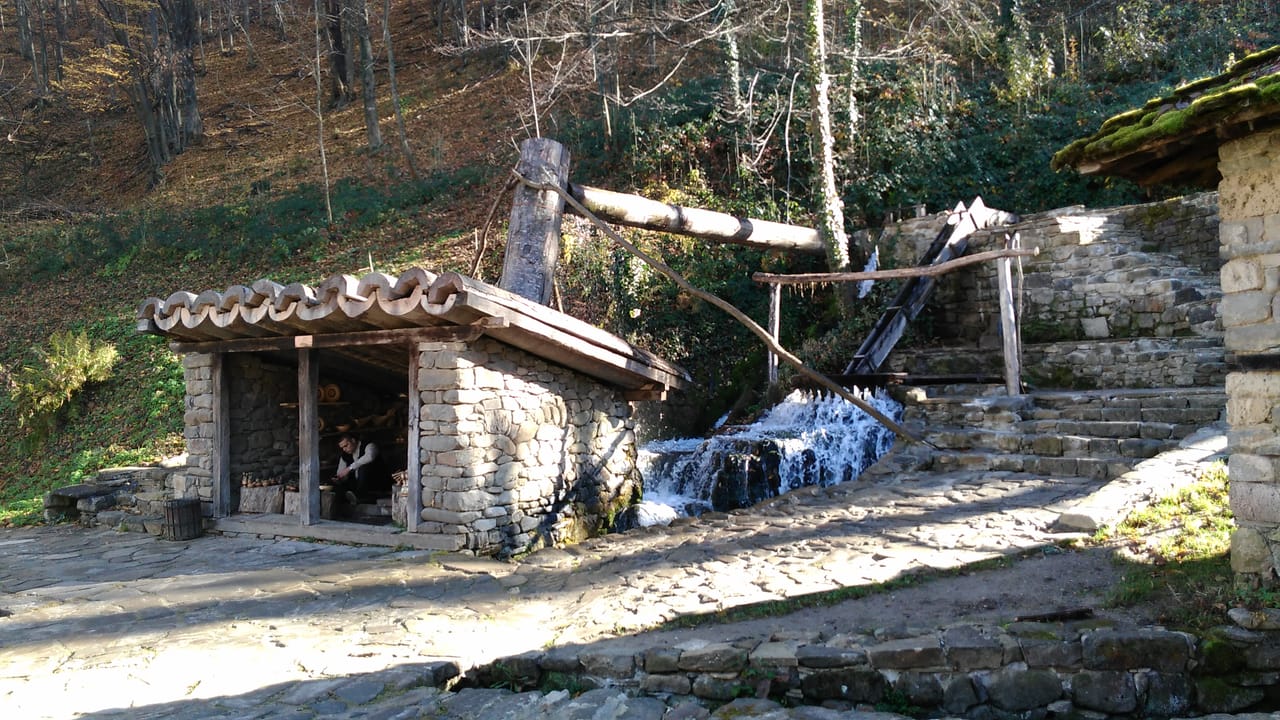
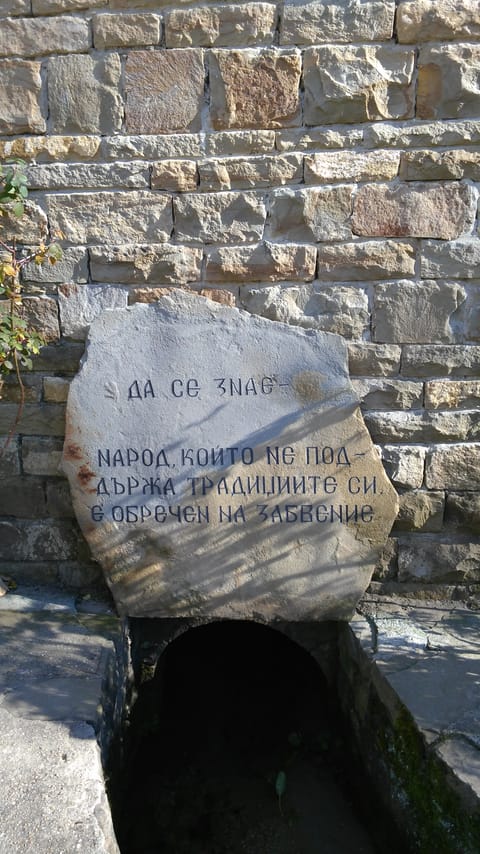
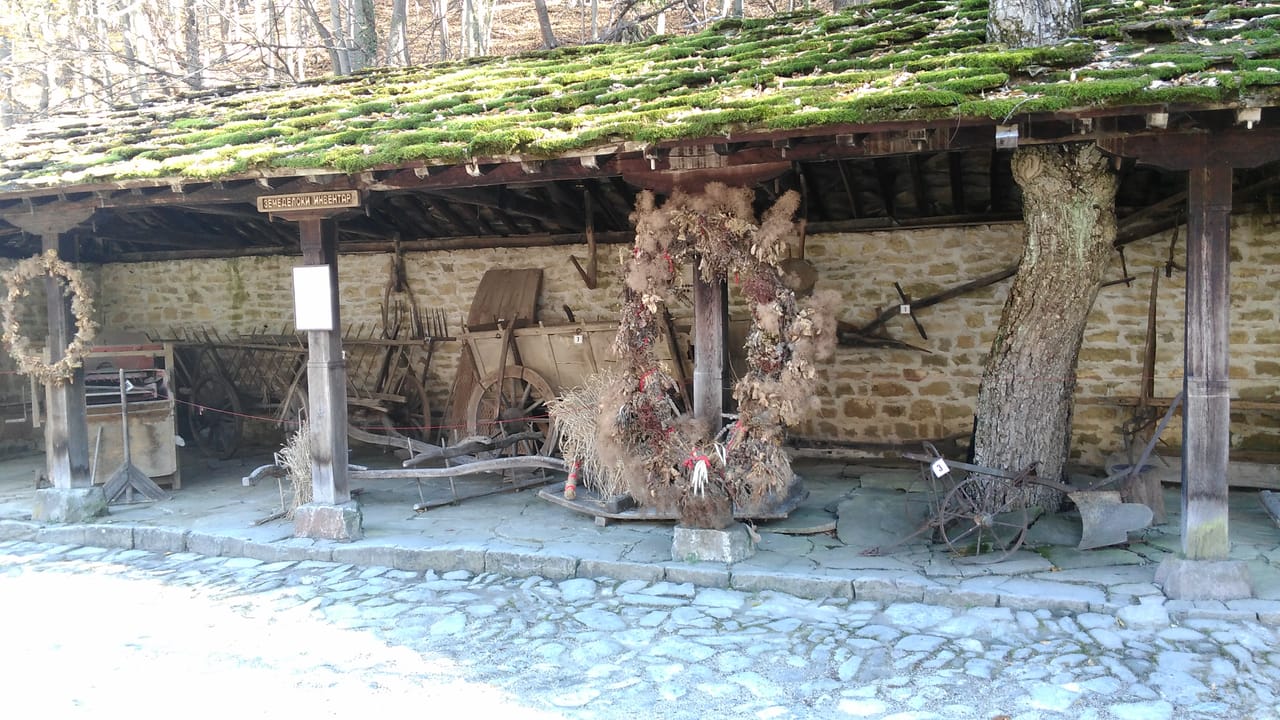
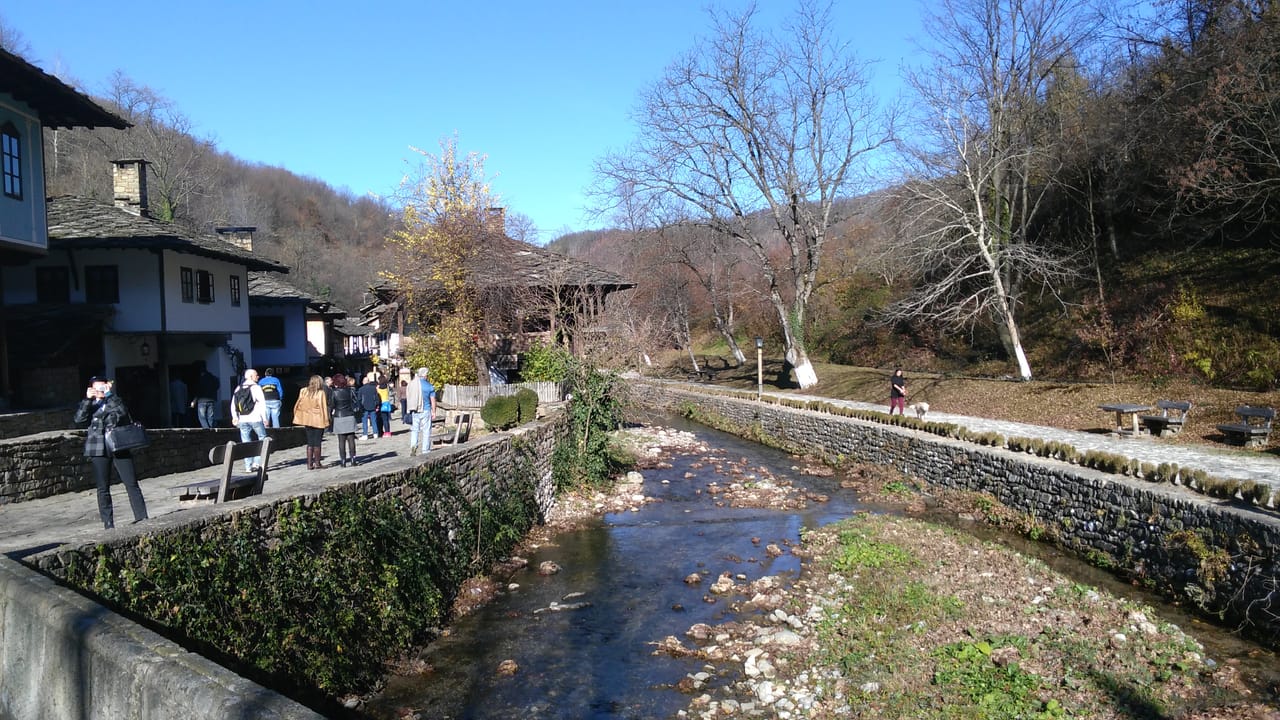
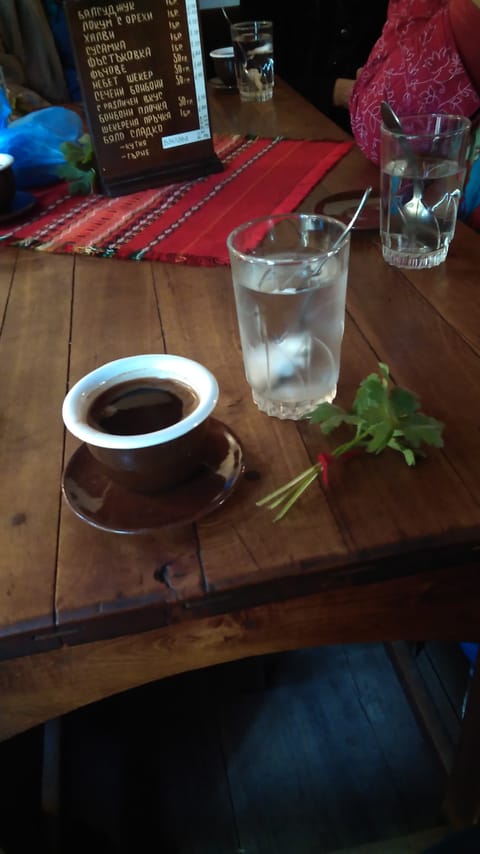
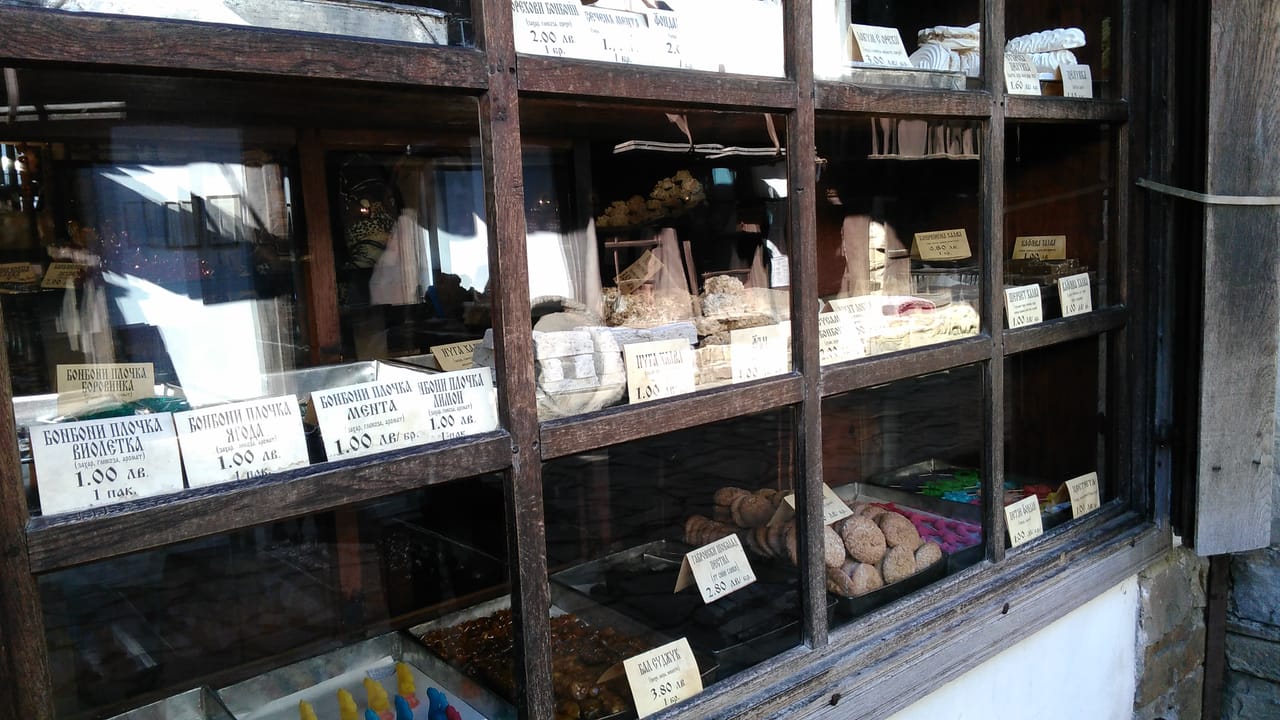
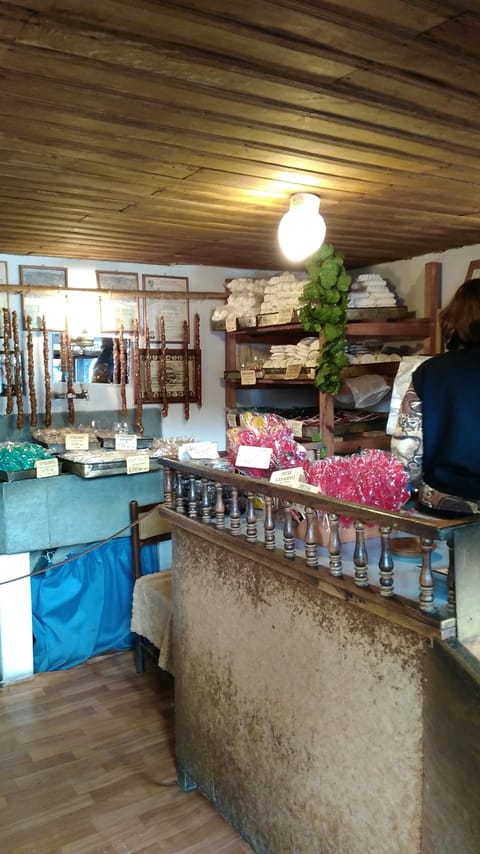
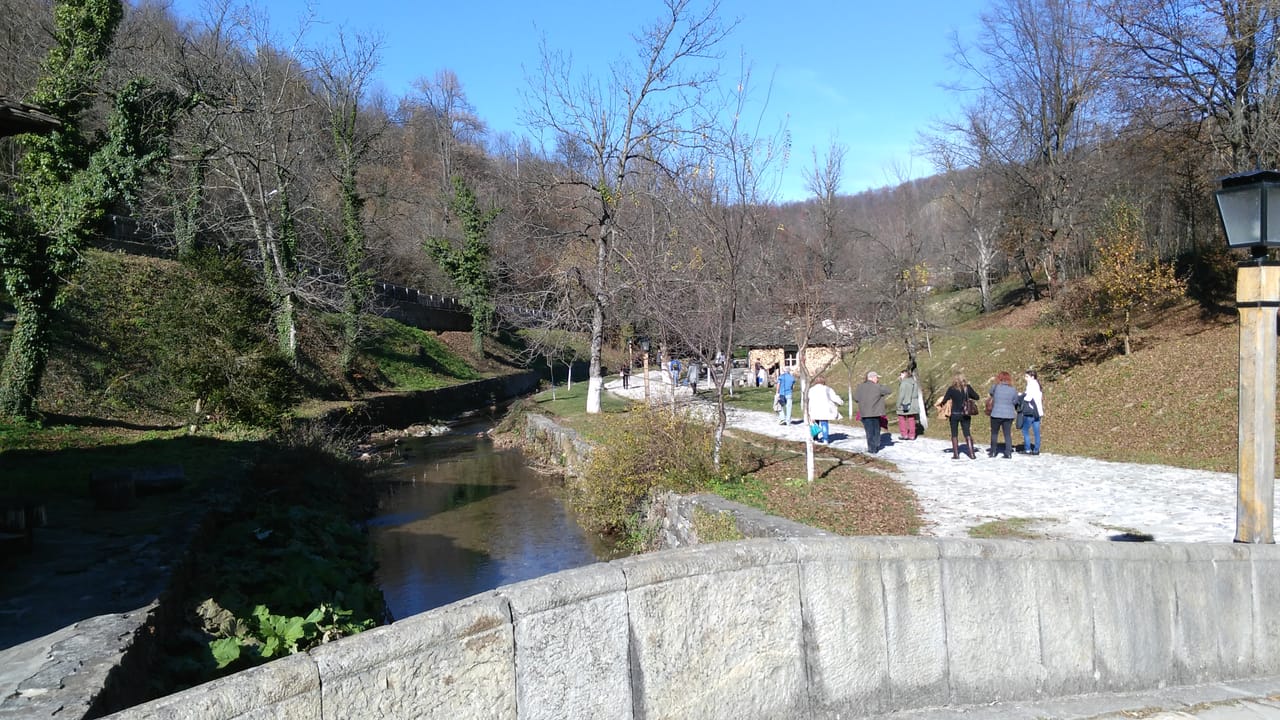
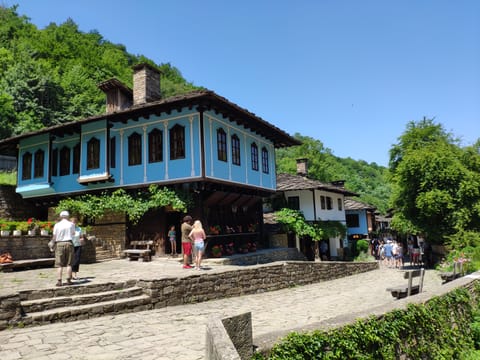
Explore Bulgaria's first open-air ethnographic museum, a 7-hectare complex of 50 reconstructed sites showcasing 18th–19th century life in the Gabrovo region. Skip-the-line access plus ticket gets you immediate entry to historic houses, artisan workshops, and community spaces that bring the National Revival period to vivid, walkable life.
Immerse yourself in Bulgarian history and culture with a visit to the Open Air Ethnographic Museum in Sliven. Known locally as ETAR, the museum boasts 50 sites including historic houses, craftsmen's workshops, and social gathering places.
Visitors get a clear look at what life was like in the 18th and 19th centuries in Bulgaria. Wander the sprawling grounds independently or upgrade your ticket to include a guided tour.
The Ethnographic museum Etar is the first open-air museum of this kind opened in Bulgaria. It was established on September 7th, 1964. The museum is situated 8 km south of the town of Gabrovo. The preliminary design and methodology were done by the Gabrovian Lazar Donkov (1908 - 1976) who was also the first director of the museum. "In the museum exhibitions so far the visitor was not placed in immediate contact with the past - Mr Donkov writes. That is how I came to the idea of establishing an active museum in the open air ... so that the past becomes visible, easy for perception and understanding and the vast national wealth is kept."
The museum territory covers an area of 7 ha and comprises 50 sites - water technical equipment, houses with craftsman's workshops, places with social importance. The aim of the museum display is showing the architecture, the lifestyle and the economic past of Gabrovo region during the Revival period - the second half of 18 and the 19 centuries. More than 26 main crafts were developed in the town and the goods were sold in different parts of the country and in the region - Bucharest, Vienna, Marseille, Anatolia and other.
The first secular New Bulgarian school was opened in 1835. During the 30ies of the 19th century under the favourable economic and political changes in the Ottoman empire, Gabrovo grew as an important economic, educational and commercial centre in the country.
The Ethnographic museum Etar was build and organized by means of three methods; on-site restoration; on-site preservation; transportation of originals and restoration of buildings.
Crafts - Coppersmith's Trade, Pottery, Woodcarving, Icon painting, Cart-smithery, Furriery, Silversmith's Trade, Goat's hair processing and weaving, Musical instruments, Cutlery, Harness-making craft, Weaving, Sweetshop, Bakery, Cow-bells making, Water-powered machinery etc.
Highlights:
Please note that there are two options for this tour: Self-guided or privately guided. Simply select the option you prefer from the rates section and the cost will be calculated automatically.
Please note: This tour does not include hotel pick up and drop off service. This means that you will have to arrange your own transfers to reach the designated meeting point and start the tour. Meeting point: Etar, Gabrovo 5309 Bulgaria, Gabrovo, 5309
Visit April–October for pleasant weather and active craftsmen demonstrations. Mid-morning (9:30–11:30 AM) offers the best balance of fewer crowds and good natural light for photography.
Top-rated, great-value activities in Gabrovo