Sambor Prei Kuk & Giant Ibis – UNESCO Temples & Rare Wildlife 1
Sambor Prei Kuk & Giant Ibis – UNESCO Temples & Rare Wildlife 2
Sambor Prei Kuk & Giant Ibis – UNESCO Temples & Rare Wildlife 3
Sambor Prei Kuk & Giant Ibis – UNESCO Temples & Rare Wildlife 4
Sambor Prei Kuk & Giant Ibis – UNESCO Temples & Rare Wildlife 5
Sambor Prei Kuk & Giant Ibis – UNESCO Temples & Rare Wildlife 6
Sambor Prei Kuk & Giant Ibis – UNESCO Temples & Rare Wildlife 7
Sambor Prei Kuk & Giant Ibis – UNESCO Temples & Rare Wildlife 8
Sambor Prei Kuk & Giant Ibis – UNESCO Temples & Rare Wildlife 9
1 / 9

Sambor Prei Kuk & Giant Ibis – UNESCO Temples & Rare Wildlife

Siem Reap, Cambodia
Adventure ToursBike ToursArts & CultureBirdwatchingBus Tour
Instant confirmationSecure checkoutNo hidden fees

About this activity

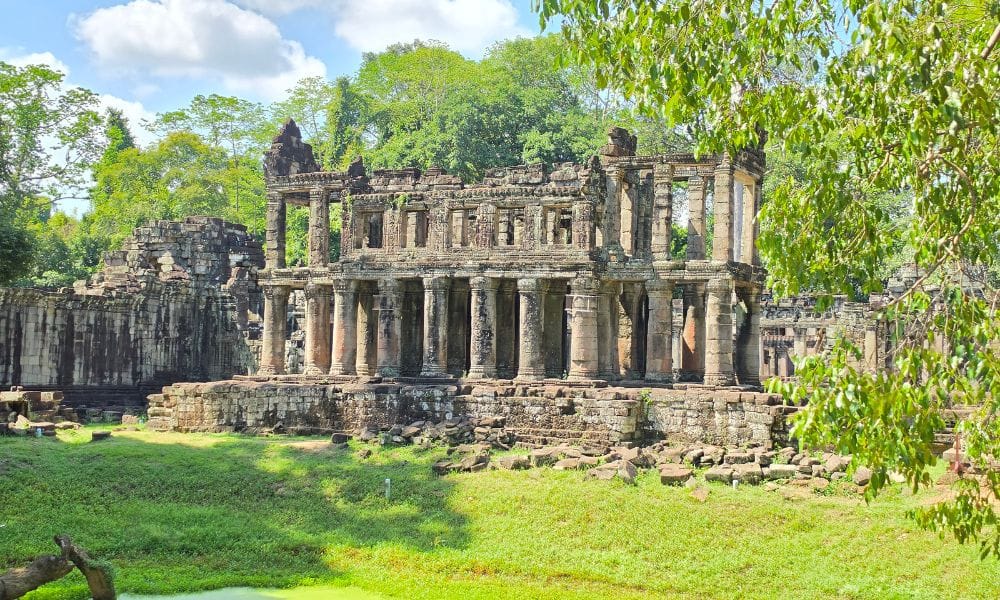
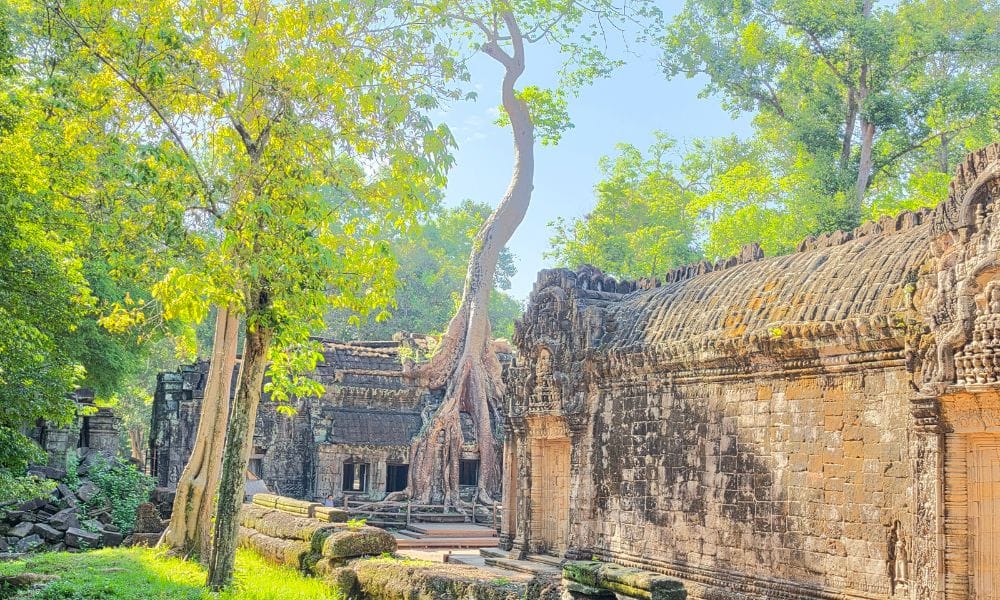
Combine Cambodia's most significant archaeological sites with rare wildlife encounters across five transformative days. This itinerary weaves UNESCO-listed Sambor Prei Kuk's 7th-century brick temples, the dramatic seven-tiered pyramid of Koh Ker, and Angkor Wat's iconic sunrise with immersive Giant Ibis conservation and wetland birdwatching experiences—a rare fusion of cultural and natural heritage.

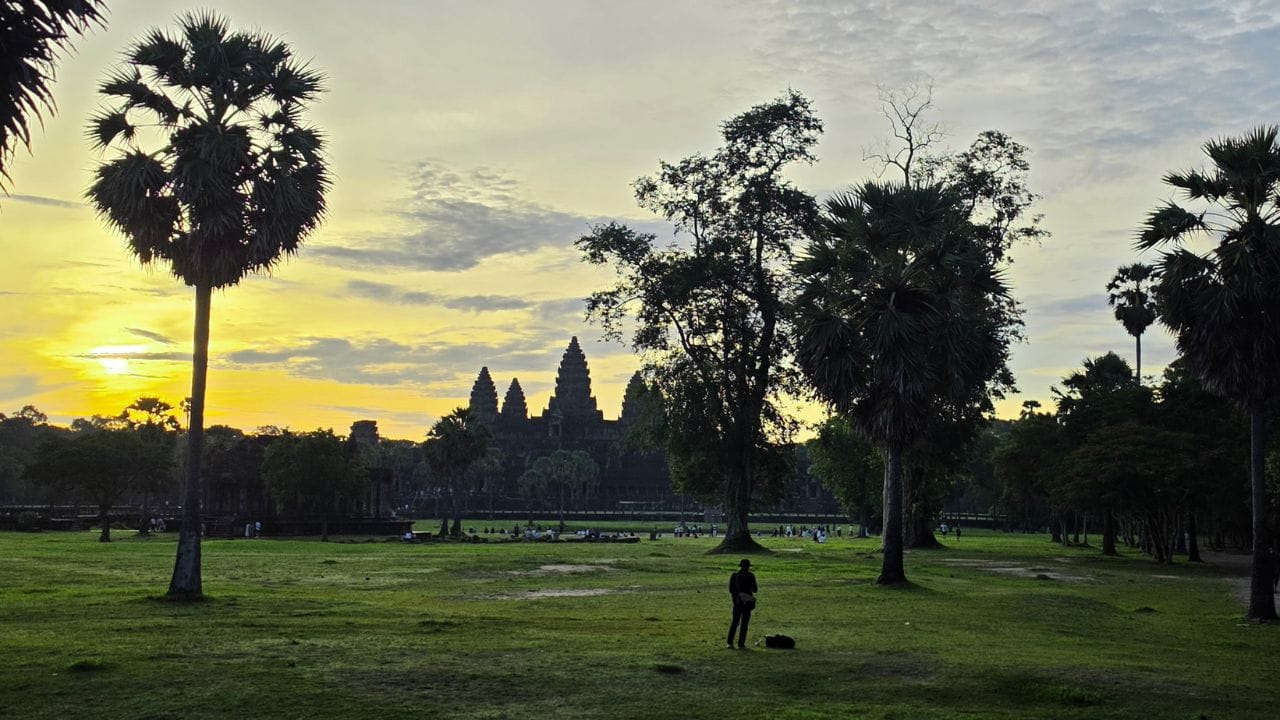
Explore 7th-century brick temples, Giant Ibis Conservation Experience, Early-morning birdwatching in protected wetlands—home of Cambodia’s national bird and rare wildlife. Koh Ker Temple, featuring the impressive seven-tier pyramid temple. Sunrise at Angkor Wat Witness a magical sunrise over. Angkor Heritage Exploration with our expert local guide. Concept, A real journey through Cambodia’s ancient capitals, sacred wildlife, Connecting Culture, Nature, and living Heritage.

Highlights

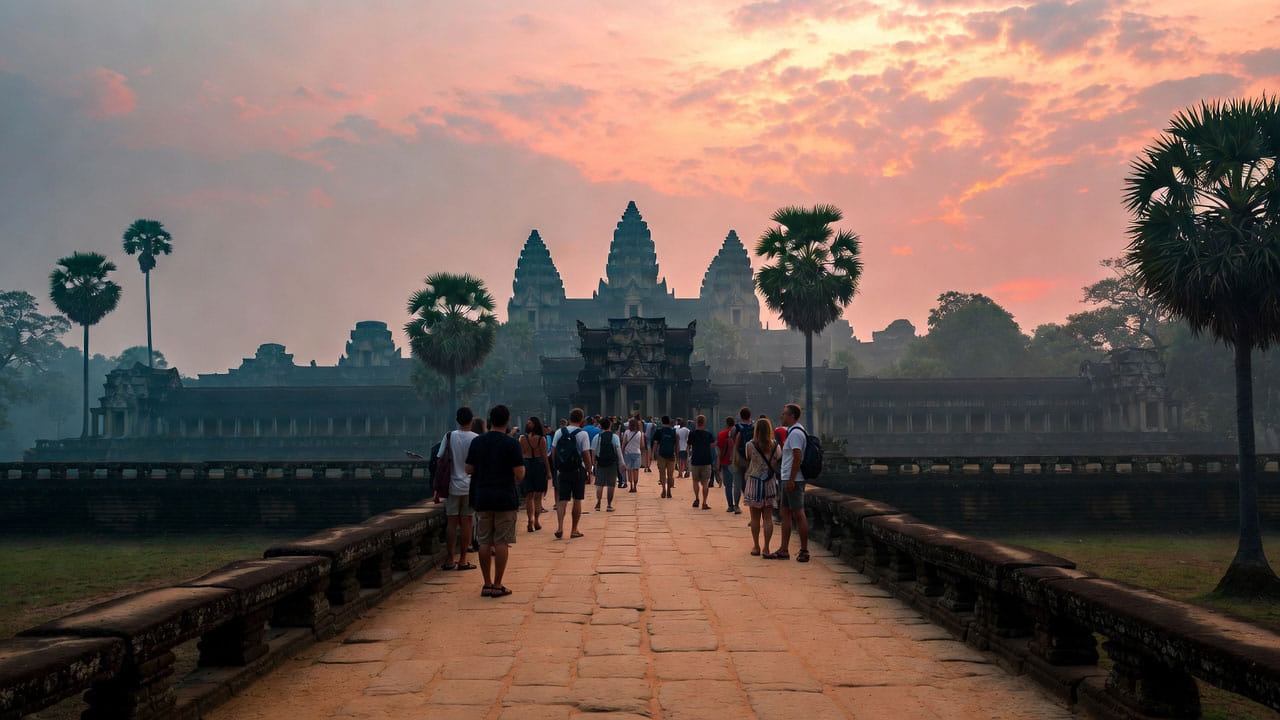
  • Sunrise over Angkor Wat, one of the world's largest religious monuments
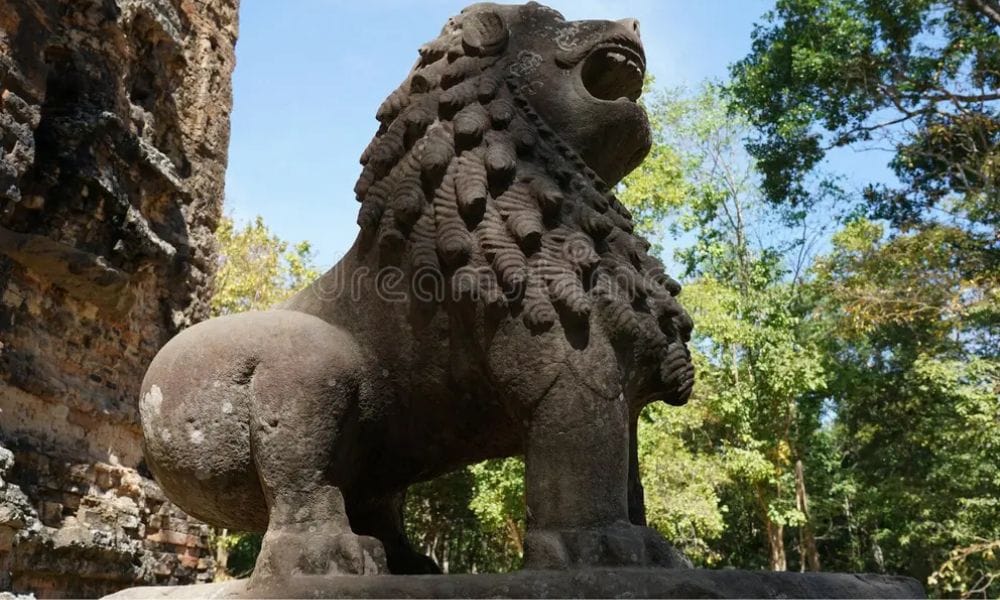
  • Explore Sambor Prei Kuk's ancient brick temples, a UNESCO World Heritage Site
  • Climb Koh Ker's seven-tier pyramid temple for panoramic jungle vistas
  • Giant Ibis Conservation Experience with expert naturalists
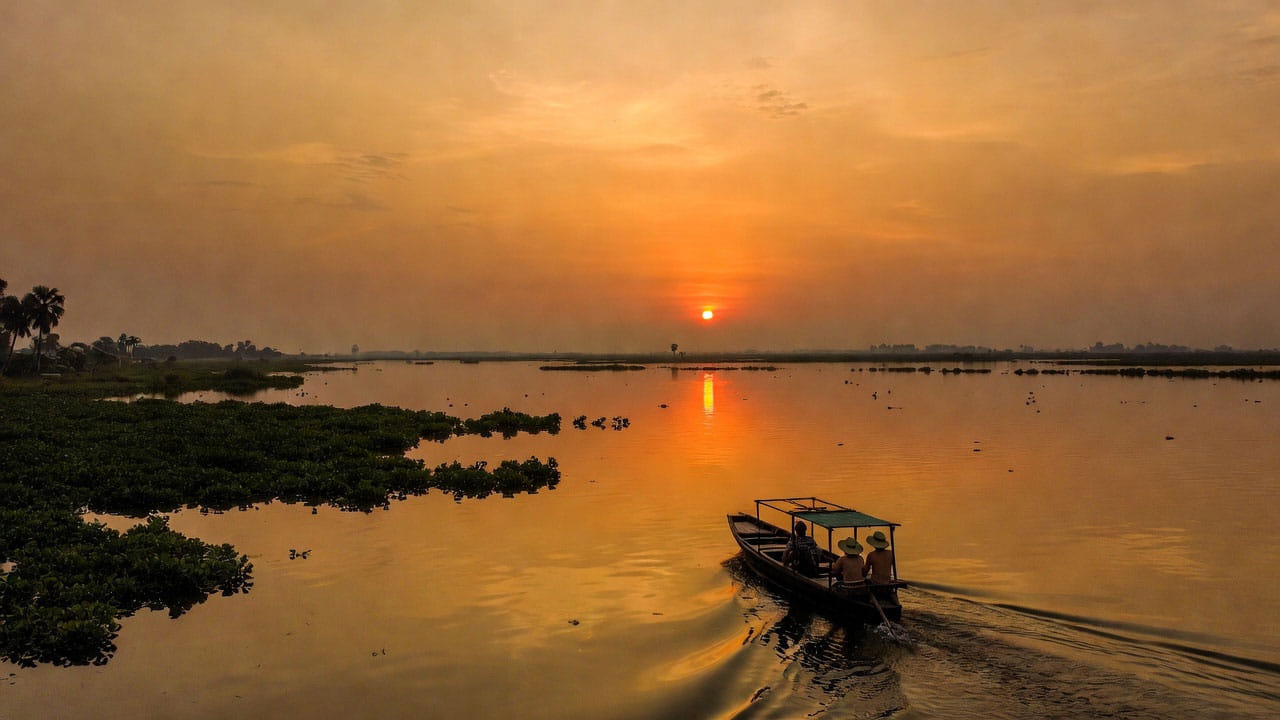
  • Early-morning birdwatching in protected wetlands—home to Cambodia's national bird
  • Local expert guides sharing deep cultural and historical context

Insider tips

  • Arrive at Angkor Wat at least 1.5 hours before sunrise for optimal positioning and fewer crowds
  • Bring binoculars and a good camera with zoom capability for birdwatching sessions; the Giant Ibis is elusive but rewarding to spot
  • Wear lightweight, breathable layers for early mornings (cool) and midday heat; insect repellent is essential for wetland areas
  • Ask your guide about seasonal bird migrations—timing your visit for peak migration periods dramatically increases sightings

Good to know

  • 5-day duration includes accommodation, transportation, and expert guiding; confirm exact itinerary with supplier for meal coverage
  • Temple exploration involves walking on uneven terrain and climbing stairs—moderate fitness recommended; temples are not fully wheelchair accessible
  • Birdwatching sessions begin at dawn (typically 5:00–6:00 AM); early starts are essential for wildlife activity and heat avoidance
  • Bring sun protection (high-SPF sunscreen, hat, sunglasses), sturdy walking shoes, and a lightweight rain jacket for the rainy season
  • Passport required; check visa requirements for Cambodia (most nationalities eligible for on-arrival or e-visas)

Who it's for

Culture and history enthusiasts seeking deep engagement with ancient Khmer civilizationsBirdwatchers and nature lovers passionate about rare species conservationActive travellers comfortable with early starts and moderate walking across archaeological sitesPhotographers aiming to capture iconic sunrises and pristine temple architecture

Best time to visit

Visit November to February for cooler mornings, clearer skies at sunrise, and optimal birdwatching conditions. Avoid September–October (peak rainfall) and March–May (extreme heat exceeding 35°C), which reduce wildlife visibility and comfort.

Frequently asked questions

Available
From€555
per person