Tomar10h
Tomar, Fatima and Batalha — Journey to a Past Full of History
4.0(3)
From€550.00
/ person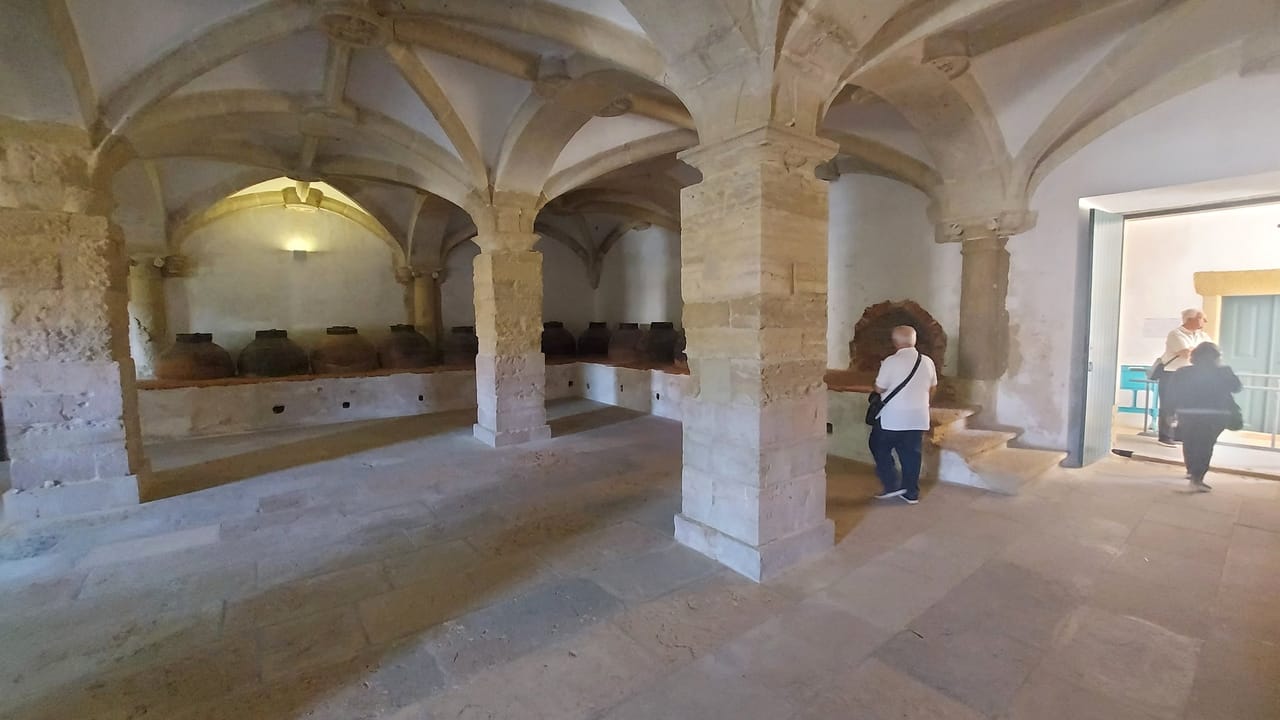
 1 / 10
A curated full-day private journey through central Portugal's most significant religious and architectural landmarks, connecting Templar history in Tomar, active pilgrimage at Fátima, and Gothic-Manueline mastery at Batalha Monastery. Designed with intentional pacing—historical depth, spiritual reflection, and architectural wonder—rather than rushed sightseeing.
Discover central Portugal on a private full-day journey from Porto through Tomar, Fátima and Batalha, designed around Templar heritage, living devotion and some of the country’s most important medieval architecture. Rather than feeling compressed, the day is structured to move naturally from historical interpretation to spiritual atmosphere and finally to monumental craftsmanship, giving each place a clear role within the wider route.
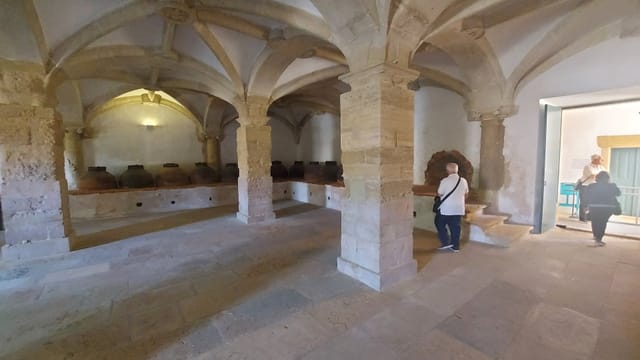
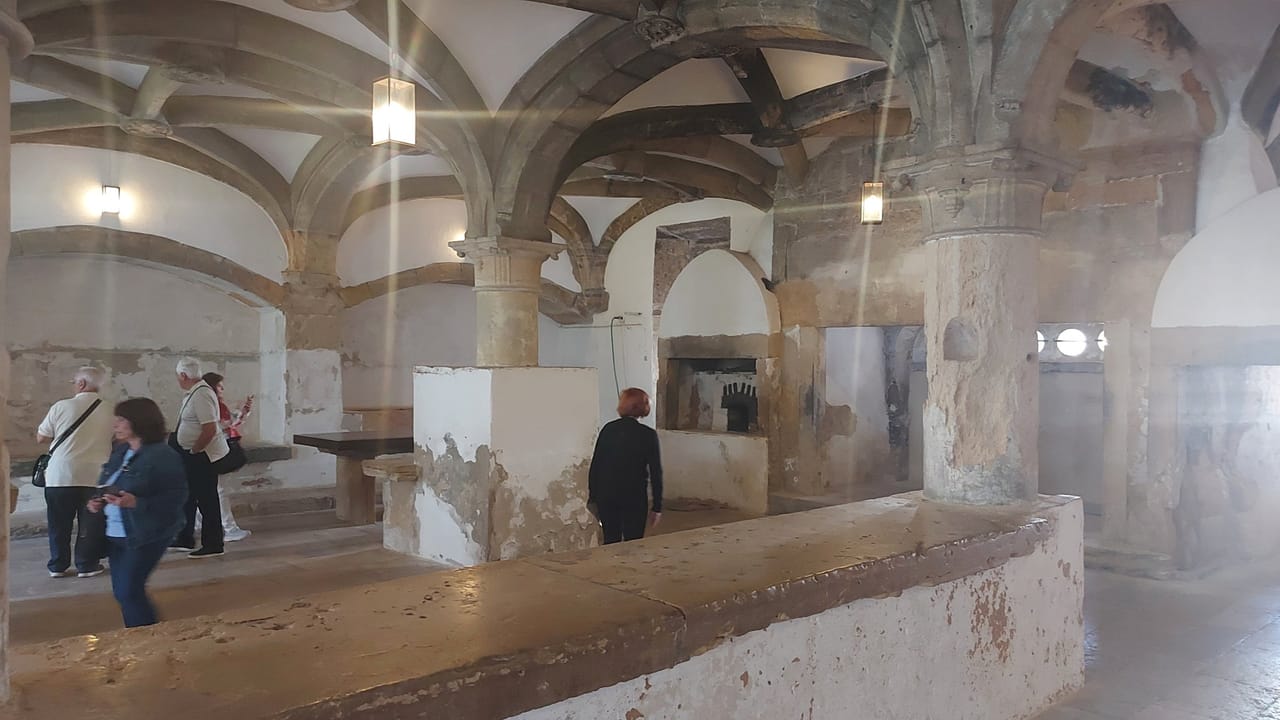
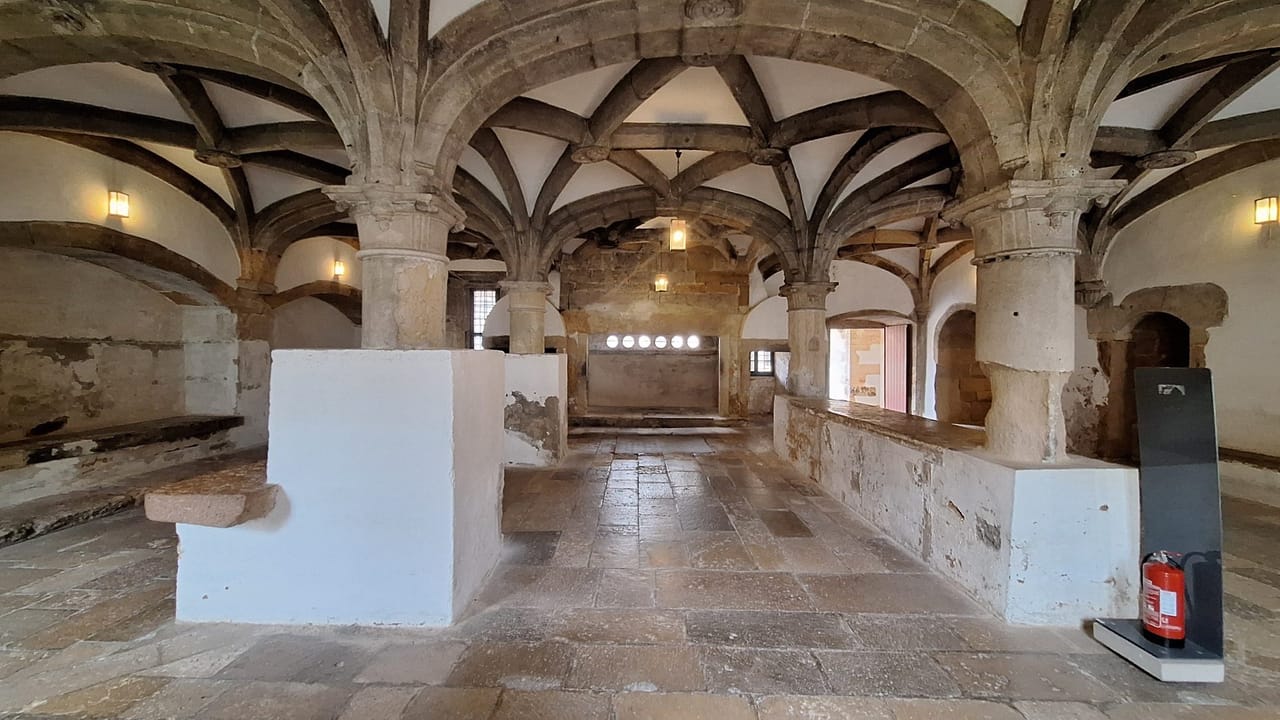
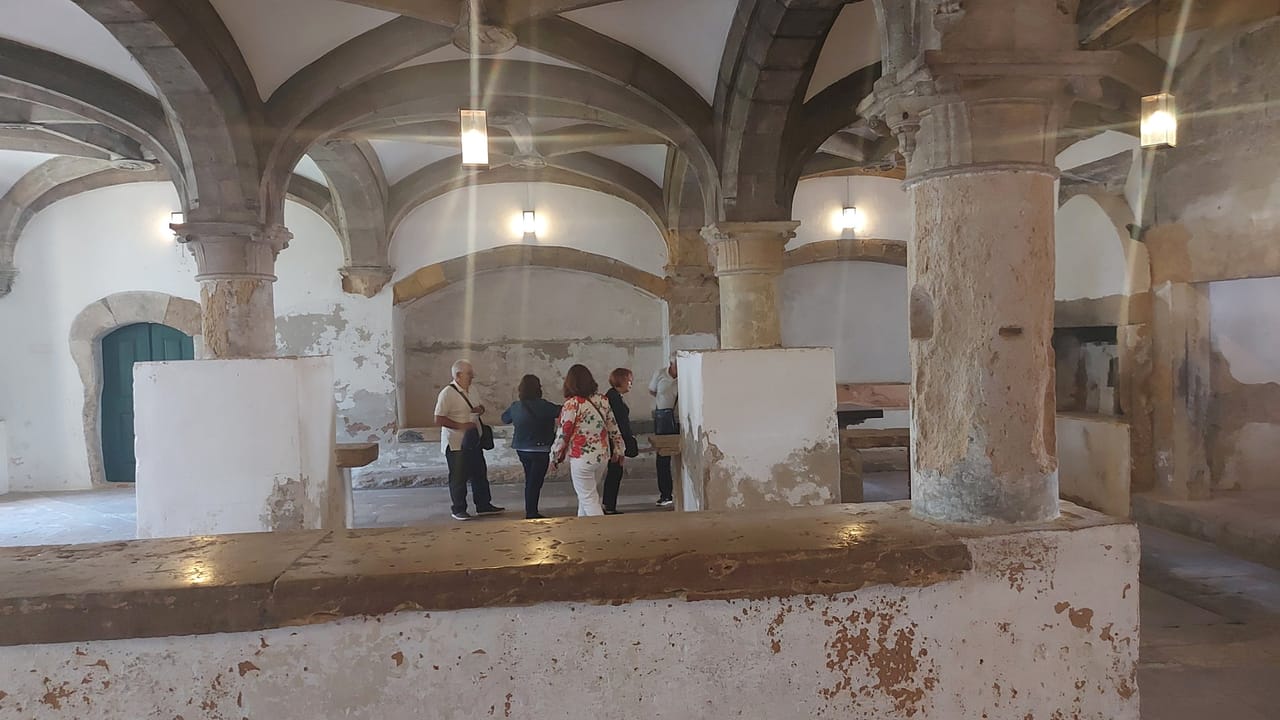
The morning begins with a private drive south from Porto toward Tomar, where the day opens with the Convent of Christ. This is not simply a major monument, but one of the most meaningful places for understanding the Templar presence in Portugal and the transition to the Order of Christ. The visit gives the day its historical foundation, helping explain how military, religious and architectural power were brought together in one of Portugal’s most important UNESCO-recognised ensembles.
By midday, the route continues to Fátima, where the rhythm becomes calmer and more reflective. Lunch time is intentionally left flexible, allowing space for rest, personal pace or time near the sanctuary before the afternoon visit. This pause is deliberate: it creates balance within the day and prepares the transition from Tomar’s historical weight to Fátima’s spiritual atmosphere.
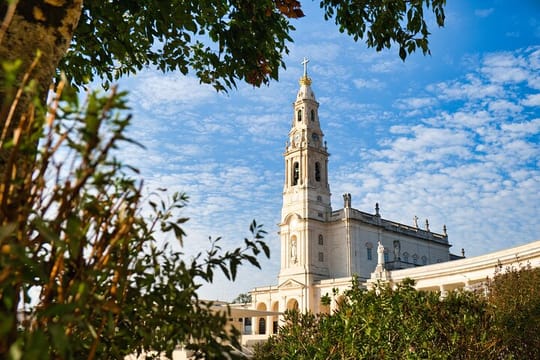
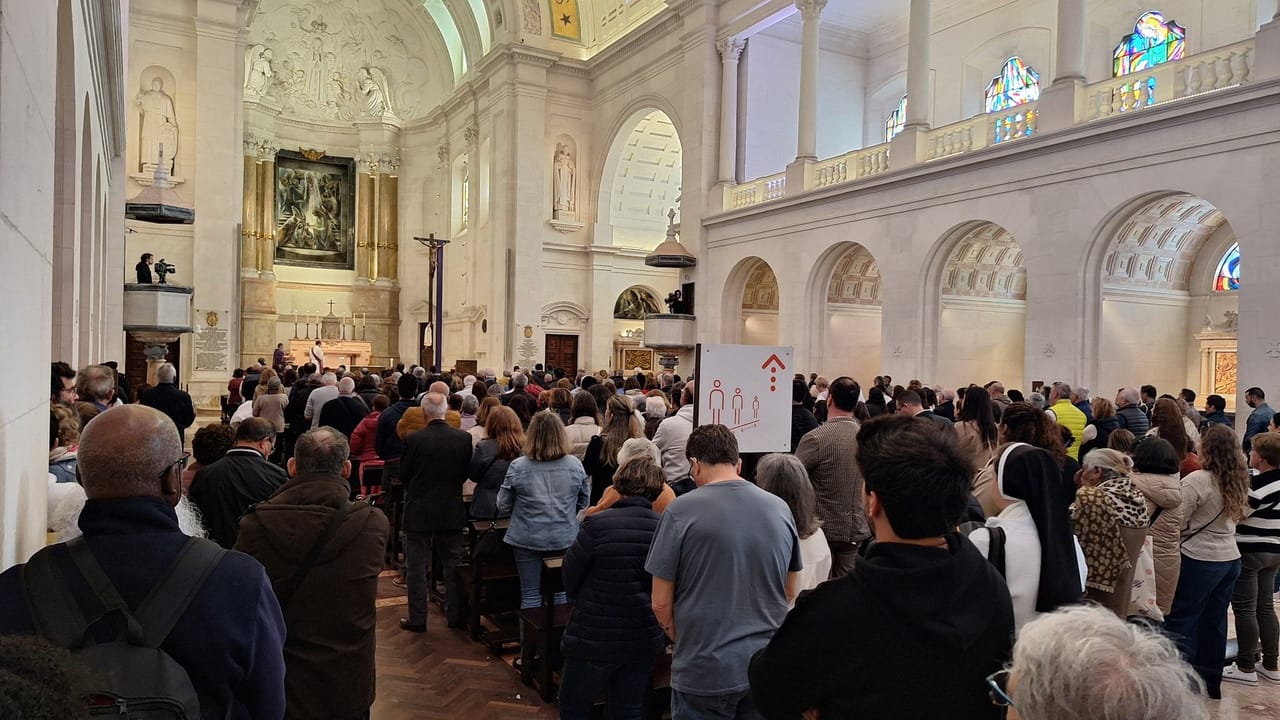
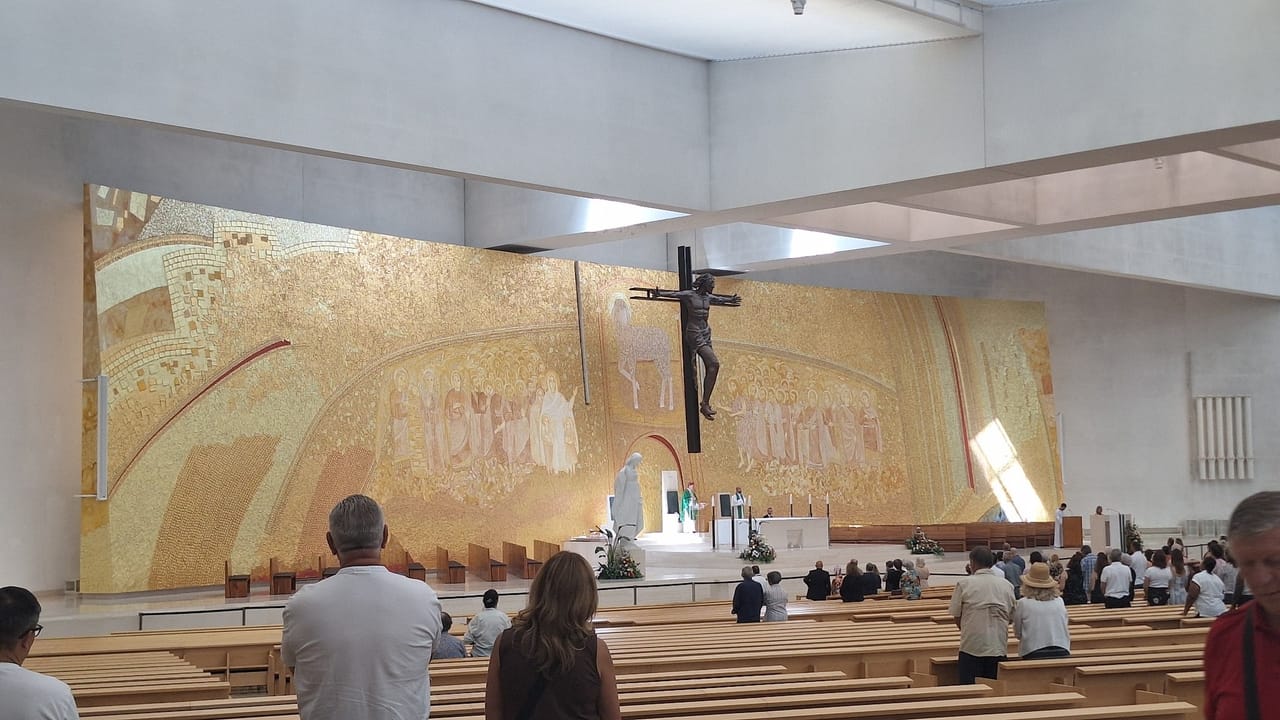
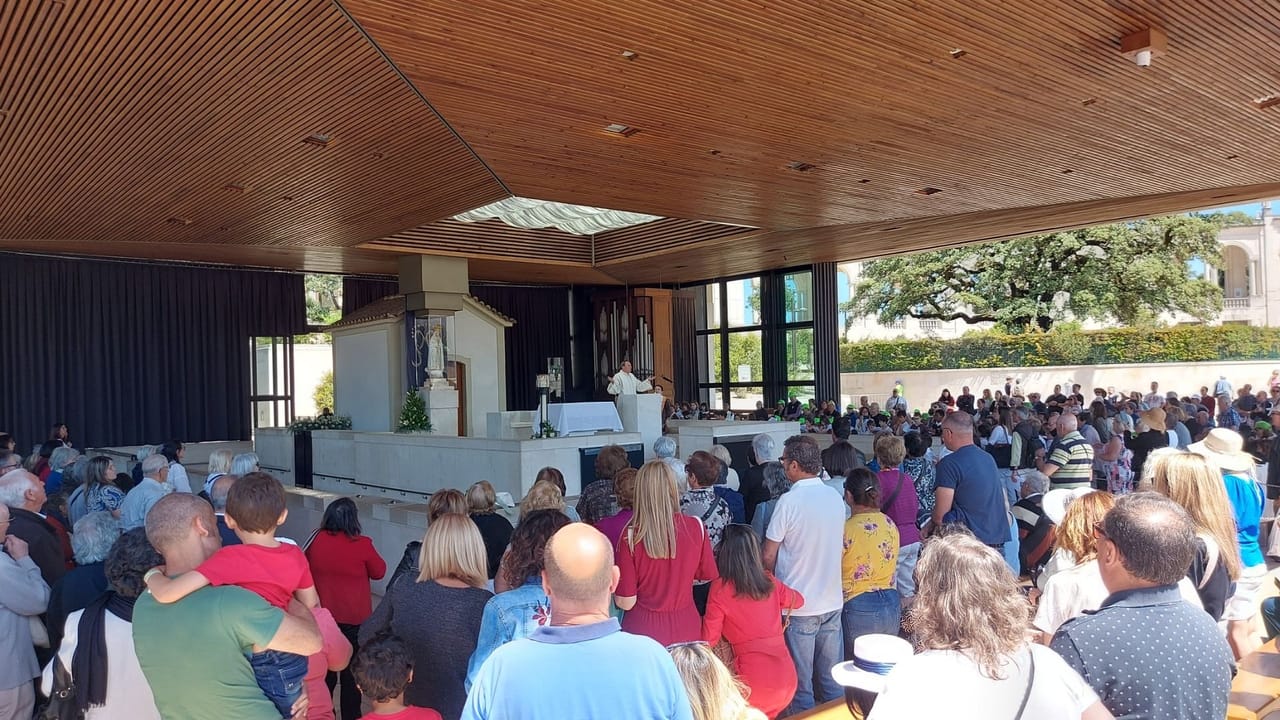
In the afternoon, the visit focuses on the Sanctuary of Fátima as an active place of prayer and pilgrimage, where the Chapel of Apparitions, the basilicas and the open prayer area are understood together as parts of one living spiritual site. The value here lies in understanding the prayer area, the Chapel of Apparitions and the two main basilicas as part of one coherent setting shaped by faith, ritual and memory. More than a landmark, Fátima offers a quieter and more contemplative dimension that changes the tone of the journey.
The final cultural stop is Batalha, where the Monastery of Batalha brings the day to a powerful architectural close. If Tomar provides historical depth and Fátima offers spiritual resonance, Batalha stands out for artistic ambition, Gothic scale and extraordinary stonework. It is the kind of monument that rewards a calm visit, allowing the craftsmanship and symbolic importance of the site to register fully.
By the time you return to Porto in the early evening, the impression is of having crossed three distinct but complementary dimensions of central Portugal in a single private journey: Templar history in Tomar, sacred devotion in Fátima and medieval mastery in Batalha. Together, they create a day that feels coherent, culturally substantial and easy to remember.
Transparency note: meals are not included. Monument and experience tickets are selected separately in the second step of the booking process, so you can choose exactly what you want to include. This ensures clear pricing, with no hidden costs, no unnecessary mark-ups, and no commissions added by us or our partners.
Visit in spring (April–May) or autumn (September–October) for mild weather, fewer summer crowds at pilgrimage sites, and optimal light for architectural photography. Avoid July–August when Fátima sees peak visitor numbers.
Top-rated, great-value activities in Tomar