Plovdiv Roman Sights Self-Guided 1
Plovdiv Roman Sights Self-Guided 2
Plovdiv Roman Sights Self-Guided 3
Plovdiv Roman Sights Self-Guided 4
Plovdiv Roman Sights Self-Guided 5
Plovdiv Roman Sights Self-Guided 6
Plovdiv Roman Sights Self-Guided 7
1 / 7

Plovdiv Roman Sights Self-Guided

(5)
Plovdiv, Bulgaria
Cultural ToursCity ToursSelf-Drive Tours
Instant confirmationSecure checkoutNo hidden fees

About this activity

Explore Plovdiv's remarkably preserved Roman heritage at your own pace with a self-guided digital tour featuring GPS navigation and audio commentary. This flexible itinerary lets you discover one of Europe's oldest cities without time pressure, uncovering layers of Greco-Roman history embedded in Bulgaria's second-largest city.

Fully personalized electronic and audio guide with all info and logistics for you. Live maps and route for you to follow. An unique product which brings you stress-free travel at your own pace in Plovdiv for the unique Roman sights and heritage. Very flexible and easy for the customer.

Highlights

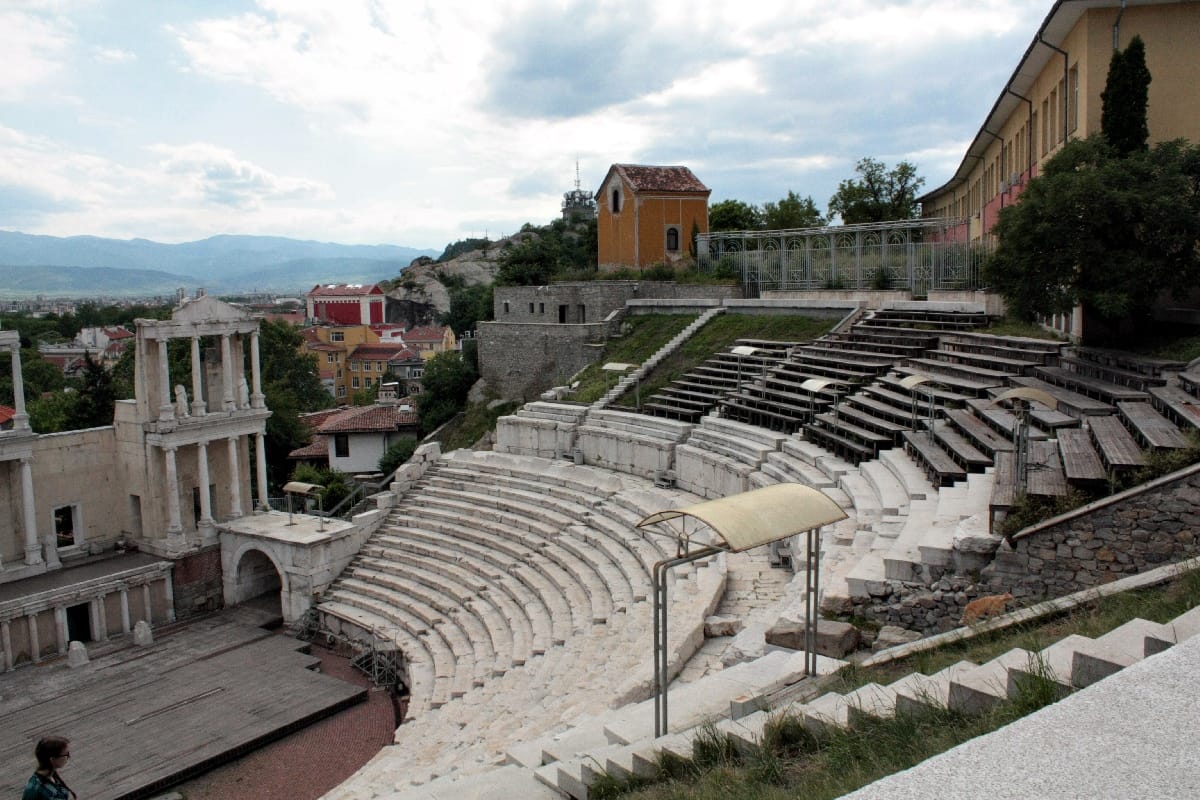
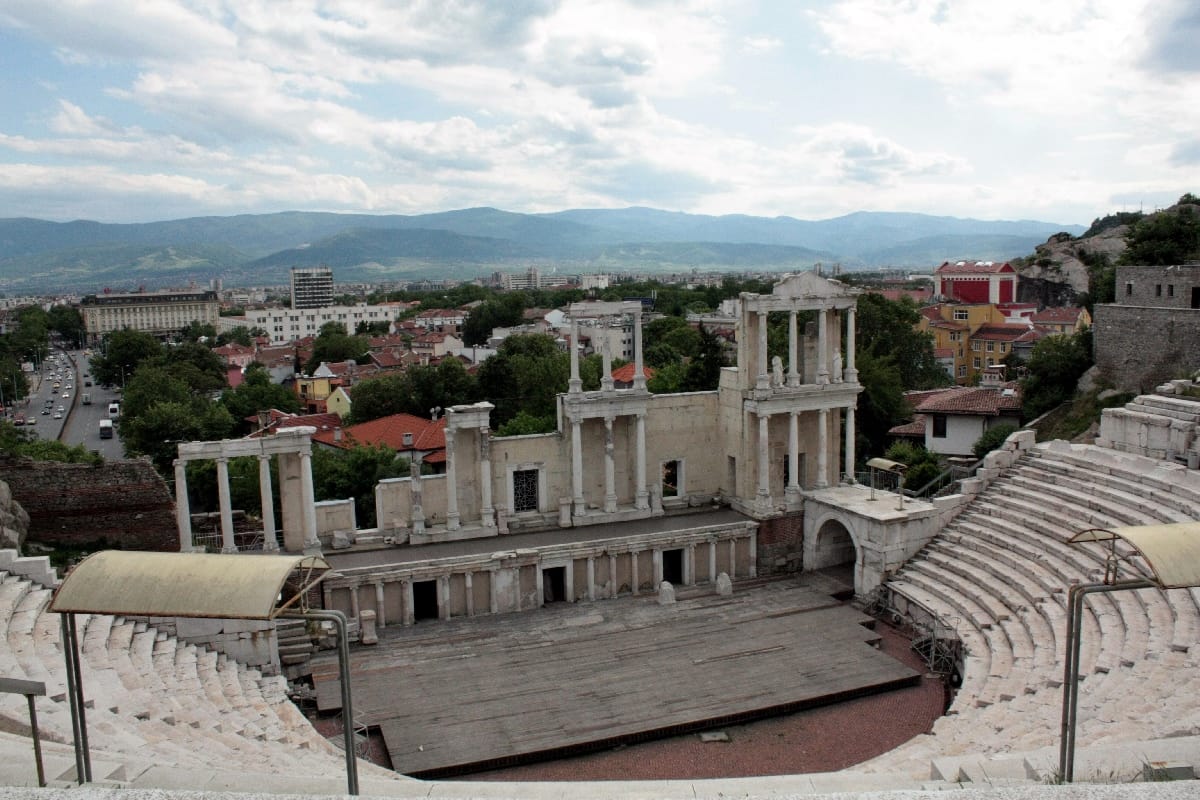
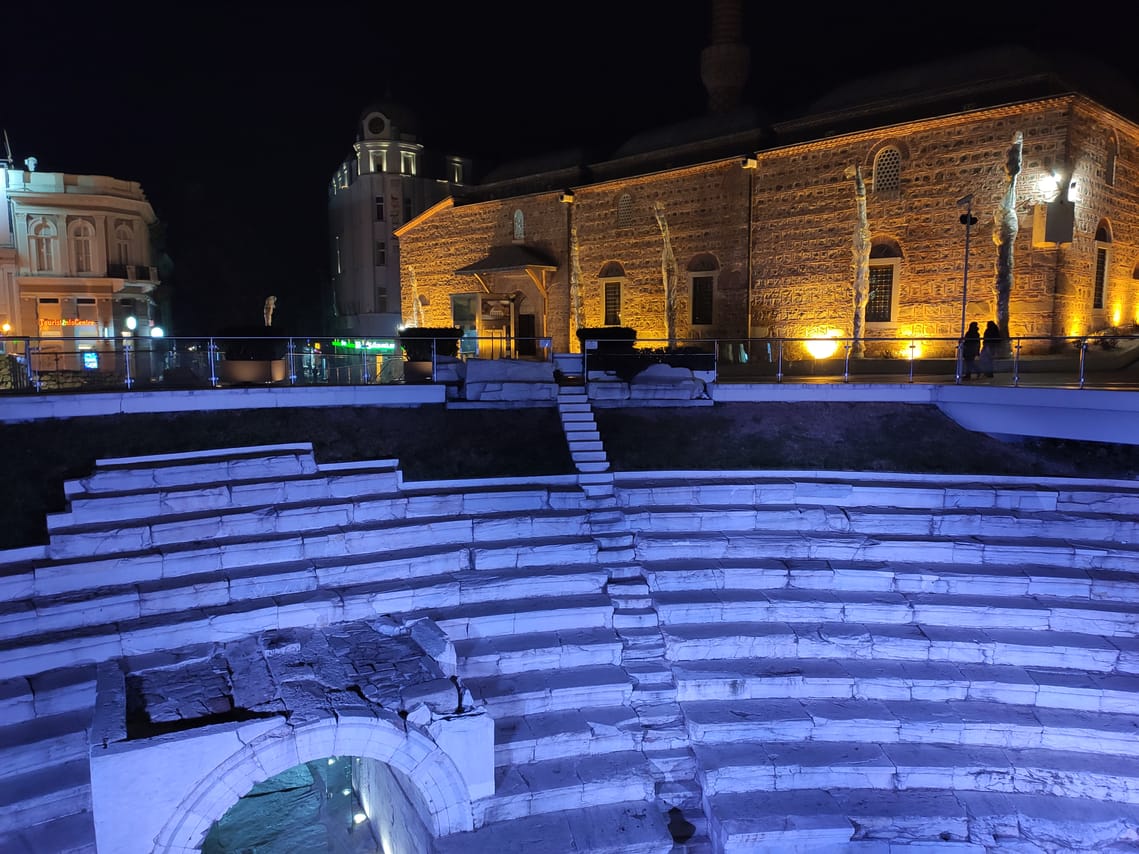
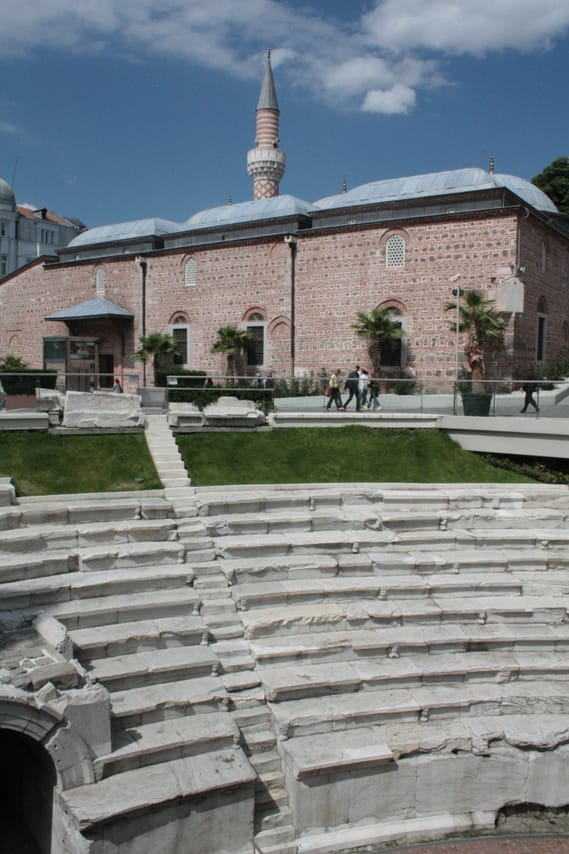
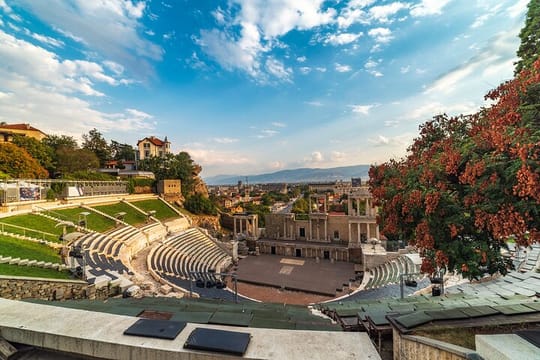
  • Ancient Roman theatre with original seating and panoramic Old Town views
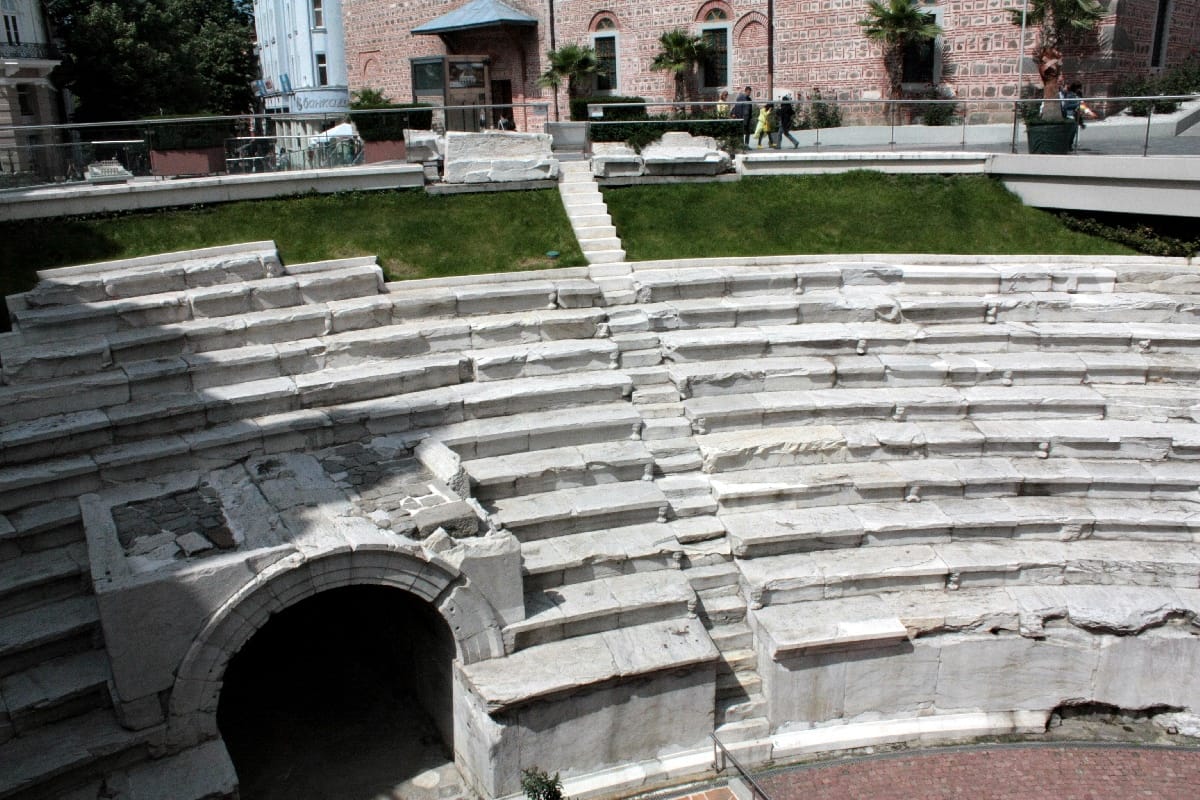
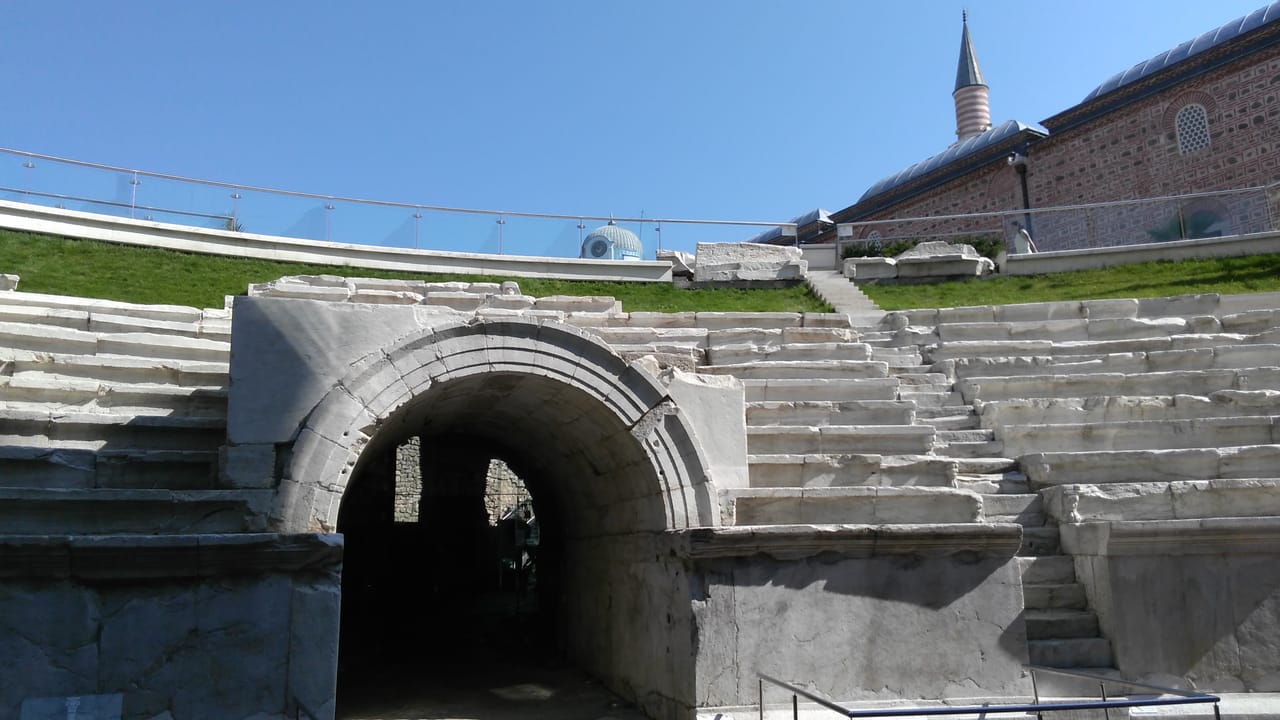
  • Roman stadium ruins integrated into the modern city fabric
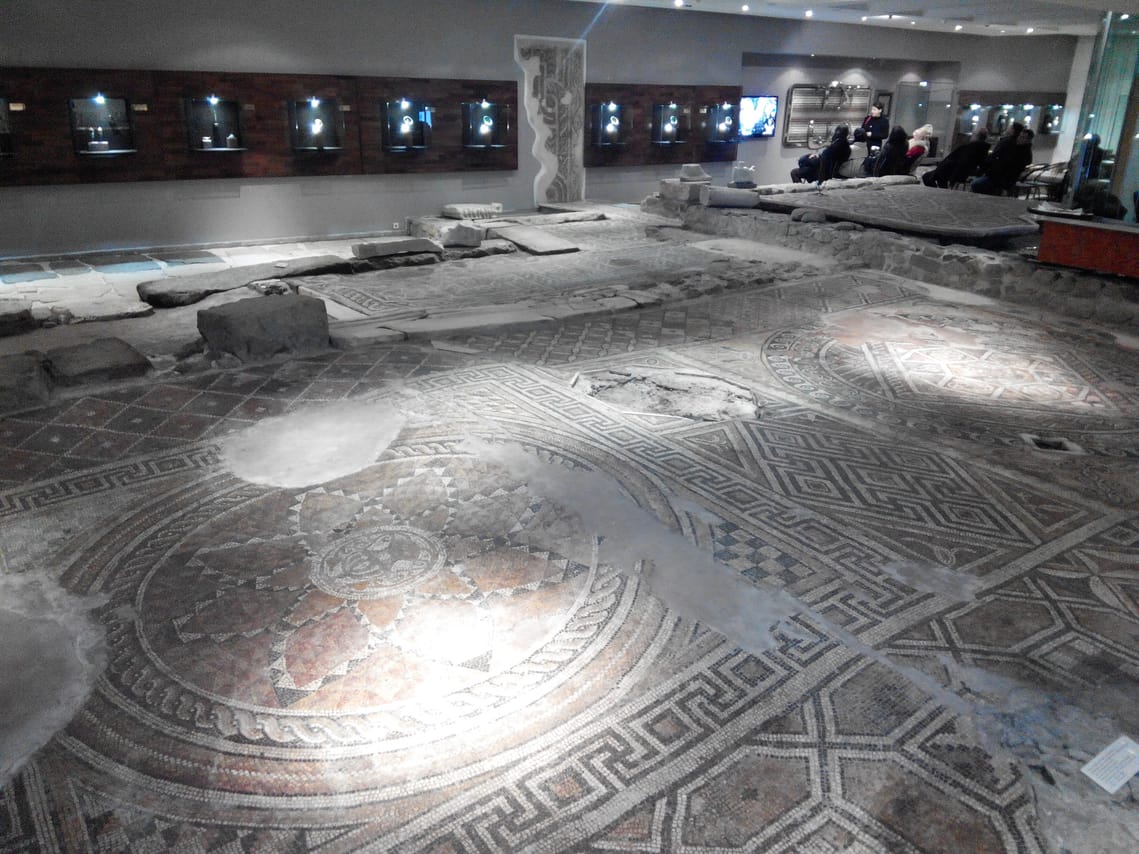
  • Hellenistic and Roman artefacts in context of their original locations
  • GPS-guided route avoiding tourist congestion
  • Audio narration covering history, architecture, and local context
  • Stop at your own pace—no group schedules to follow

Insider tips

  • Visit the Roman theatre early morning (before 9am) for better light and fewer crowds on the stone seating.
  • The stadium section runs beneath modern streets; use the audio guide's map to spot visible column fragments and understand the full ancient layout.
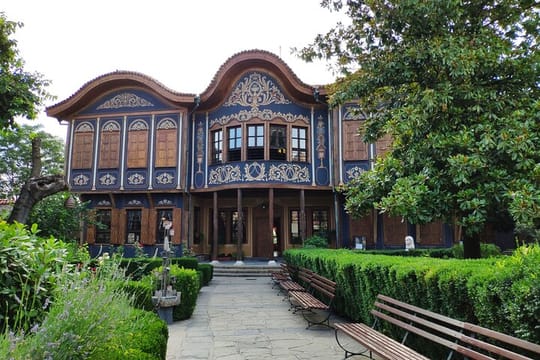
  • Combine this with a walk through the Old Town (Varosha) immediately after—many Roman-era building foundations are embedded in medieval streets.

Good to know

  • Comfortable walking shoes essential—cobblestones and uneven Roman-era stonework dominate the route.
  • Download the digital guide and offline maps before arrival; mobile signal can be patchy in older quarters.
  • Most sights are outdoors and free to enter; no additional admission fees beyond the tour cost.
  • Route is largely accessible at ground level, though some sections involve stepped terrain around the theatre.

Who it's for

History and archaeology enthusiasts wanting deep context without a rigid tour scheduleSelf-guided travellers preferring flexibility and independenceFamilies wanting educational cultural content at a relaxed pacePhotography-focused visitors seeking authentic Roman sites with minimal crowds

Best time to visit

Spring (April–May) and autumn (September–October) offer mild weather and natural light ideal for photography. Early morning hours provide fewer visitors at the Roman theatre and better viewing of architectural details.

Frequently asked questions

Available
From€19
per person