Negombo6m
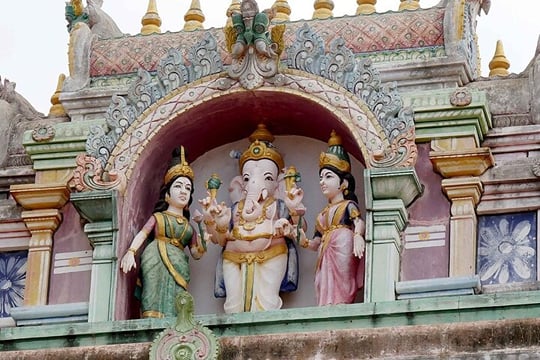
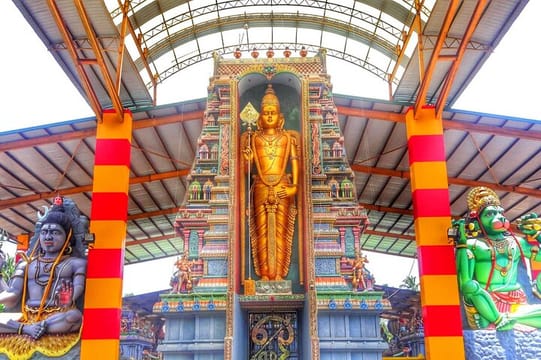
Visit Salt factory and the Famous Munneswaram Hindu Temple From Negombo
4.0(5)
From€96.92€95.30
/ person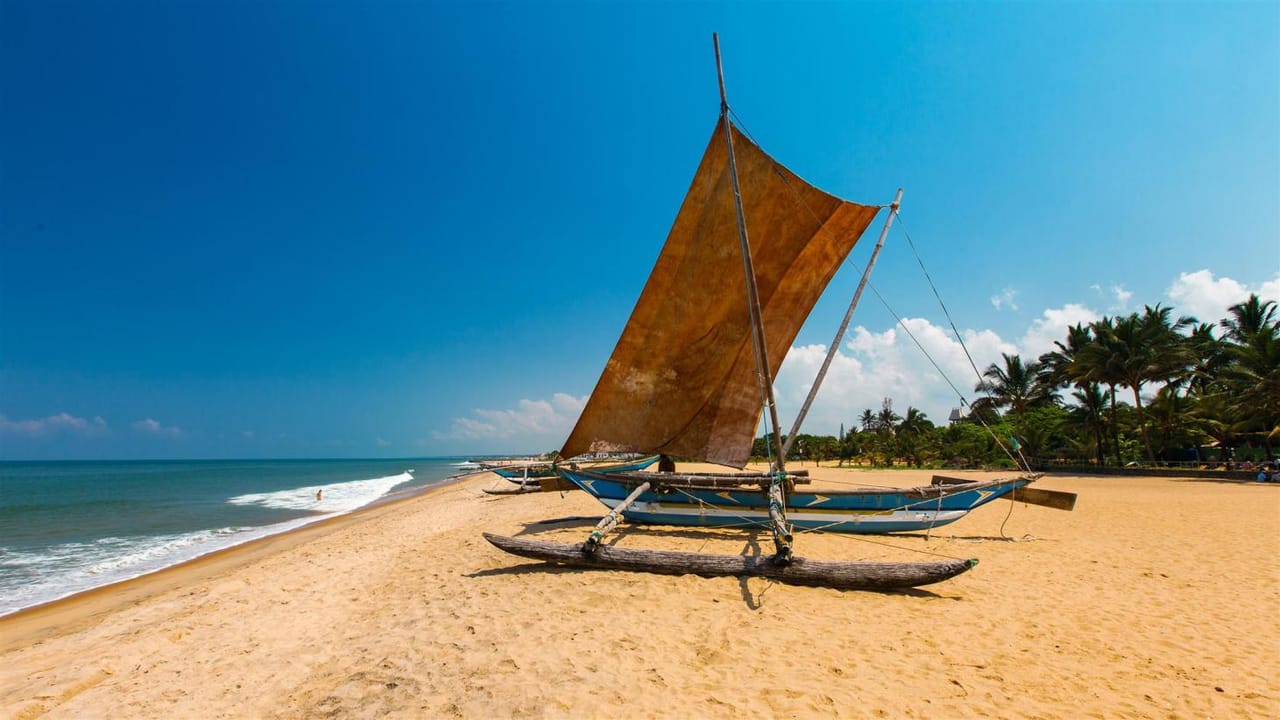
 1 / 6
1 / 6Explore Negombo's authentic fishing culture, colonial heritage, and natural wetlands in a comprehensive 10-hour day tour. This coastal town offers a genuine glimpse into Sri Lankan daily life, from bustling fish markets to centuries-old architecture and diverse birdlife.
Sea foods
Seafood is any form of sea life regarded as food by humans. Seafood prominently includes fish and shellfish. Shellfish include various species of molluscs, crustaceans, and echinoderms. Historically, sea mammals such as whales and dolphins have been consumed as food, though that happens to a lesser extent in modern times. Edible sea plants, such as some seaweeds and microalgae, are widely eaten as seafood around the world, especially in Asia (see the category of sea vegetables). In North America, although not generally in the United Kingdom, the term "seafood" is extended to fresh water organisms eaten by humans, so all edible aquatic lifemay be referred to as seafood.
Negombo Fish Market
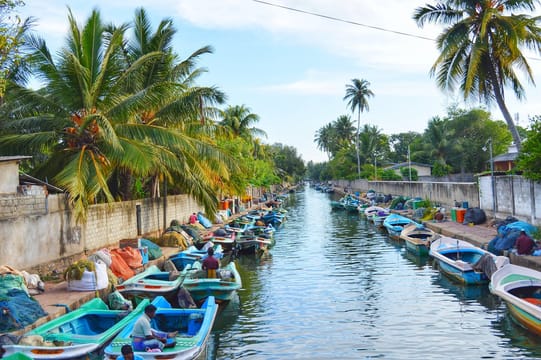
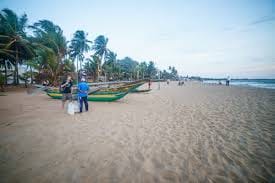
Meet Sanota Walkers Guide & visit the Negombo Fish Market is interesting because it takes place right on the beach, fresh from fishing boats. Crowds of fishermen are seen untangling their fishing nets, playing with their kids, and stretching out miles of fish to dry in the sun on Negombo's shore.
St.Mary's church
St. Mary's is Negombo's best known church and is one of the biggest attractions on the island. It is about 140 years old and has got amazing religious depictions painted all across its ceiling.
Muthurajawela Marsh Nature Reserve Negombo Lagoon
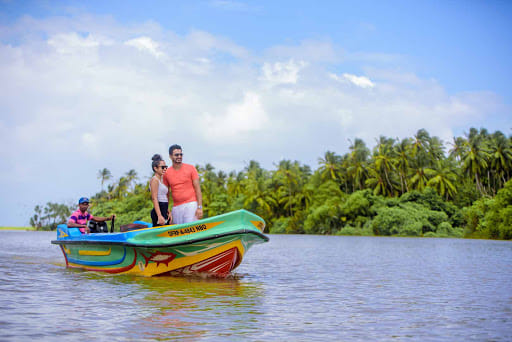
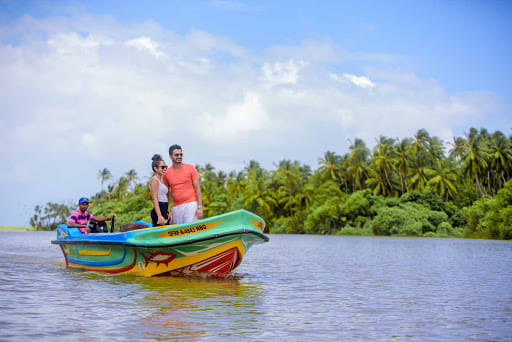
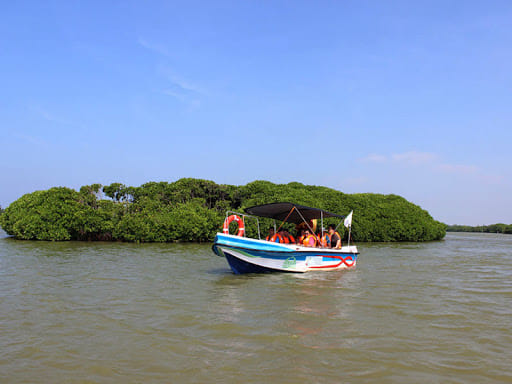
The marsh is in the part set aside for wildlife; it's mostly a huge, shallow lake with inlets and islands. It links the river and the sea, making the water brackish and the birdlife abundant. Up the river a bit are mangrove forests, home to monkeys and estuary crocodiles. You can only get around by boat.
Visit during early morning hours (6–8 AM) for the most active fish market scenes. October–April offers the best birdwatching conditions in the marsh due to migratory season.
Top-rated, great-value activities in Negombo