Medieval Sighisoara & Rural Viscri - OPEN GROUP tour 1
Medieval Sighisoara & Rural Viscri - OPEN GROUP tour 2
Medieval Sighisoara & Rural Viscri - OPEN GROUP tour 3
Medieval Sighisoara & Rural Viscri - OPEN GROUP tour 4
Medieval Sighisoara & Rural Viscri - OPEN GROUP tour 5
Medieval Sighisoara & Rural Viscri - OPEN GROUP tour 6
Medieval Sighisoara & Rural Viscri - OPEN GROUP tour 7
Medieval Sighisoara & Rural Viscri - OPEN GROUP tour 8
Medieval Sighisoara & Rural Viscri - OPEN GROUP tour 9
Medieval Sighisoara & Rural Viscri - OPEN GROUP tour 10
1 / 10

Medieval Sighisoara & Rural Viscri - OPEN GROUP tour

(3)
Sighișoara, Romania
Arts & CultureCultural ToursSightseeing ToursAttractions
Instant confirmationSecure checkoutNo hidden fees

About this activity

A full-day journey through Transylvania's medieval heartland, combining the fortified Saxon village of Viscri (UNESCO World Heritage site) with an extensive walking tour of Sighișoara's atmospheric old town. Experience authentic craftsmanship, genuine historical sites tied to Vlad the Impaler's family, and medieval defensive architecture in one of Eastern Europe's best-preserved citadels.

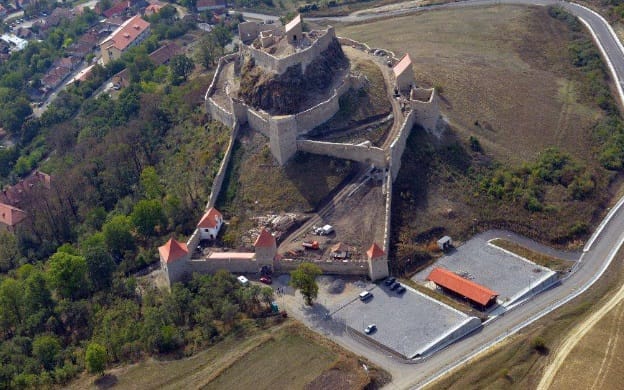
Departure from Brasov. Visit Rupea Fortress- one of the medieval monuments that best survived the passing of the time in a region that was once in the frontlines of the Ottoman expansion towards Central Europe.

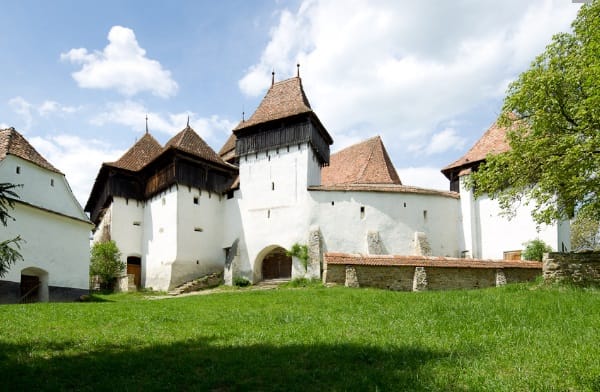
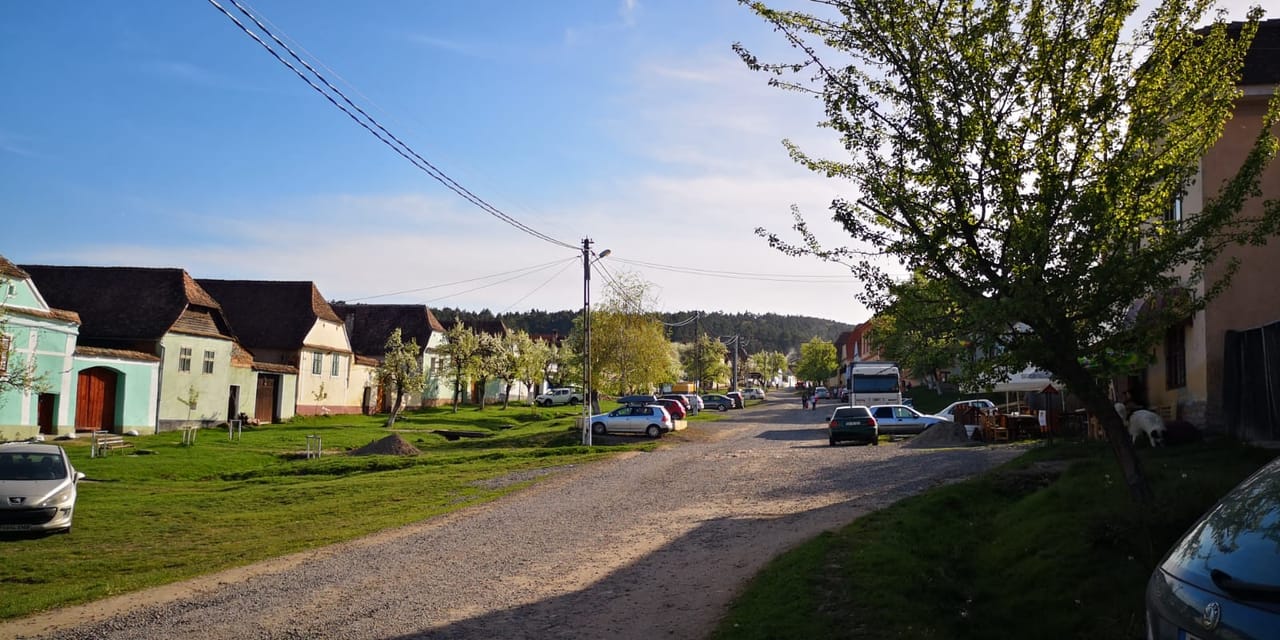
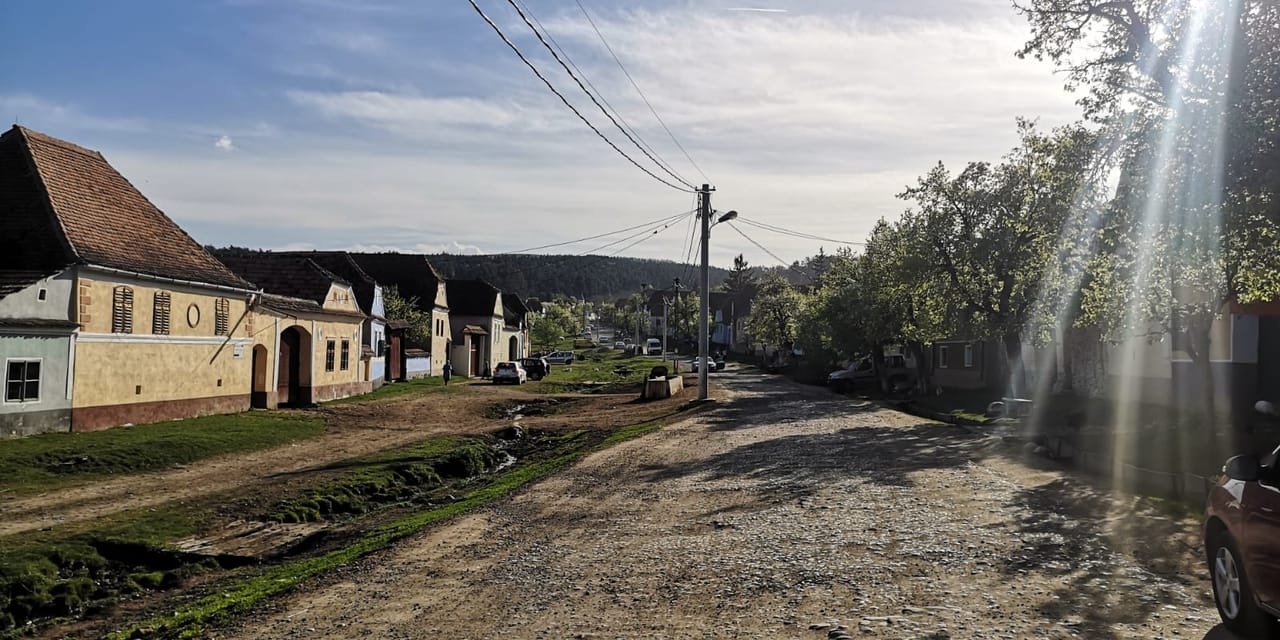
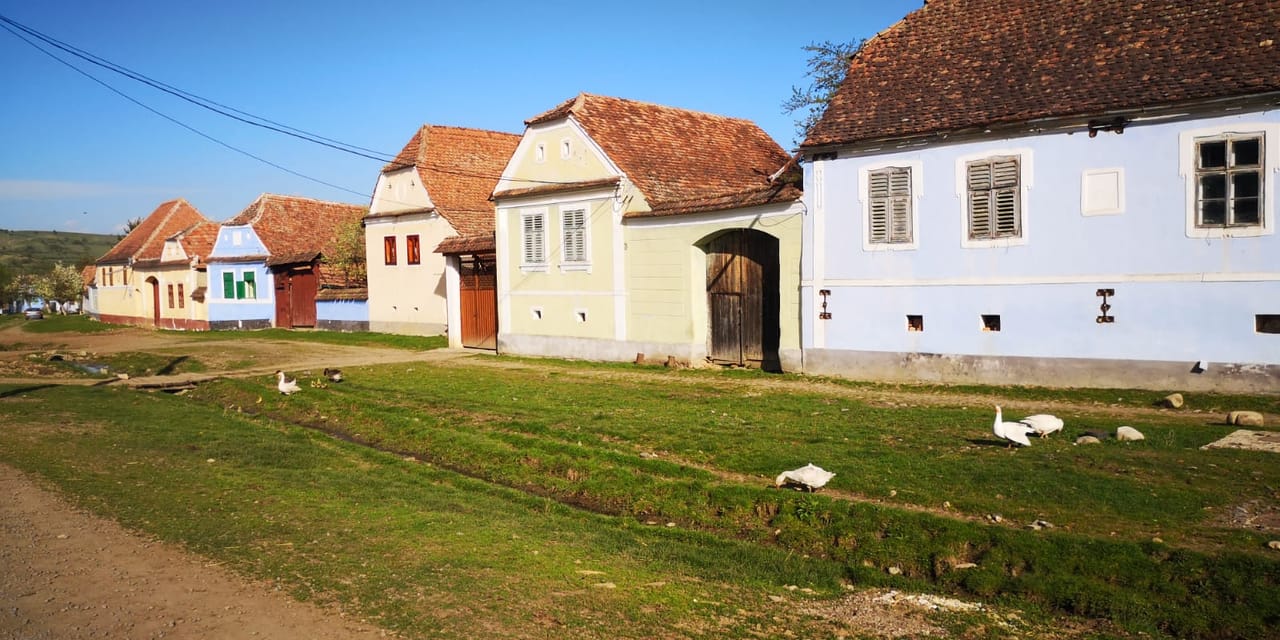
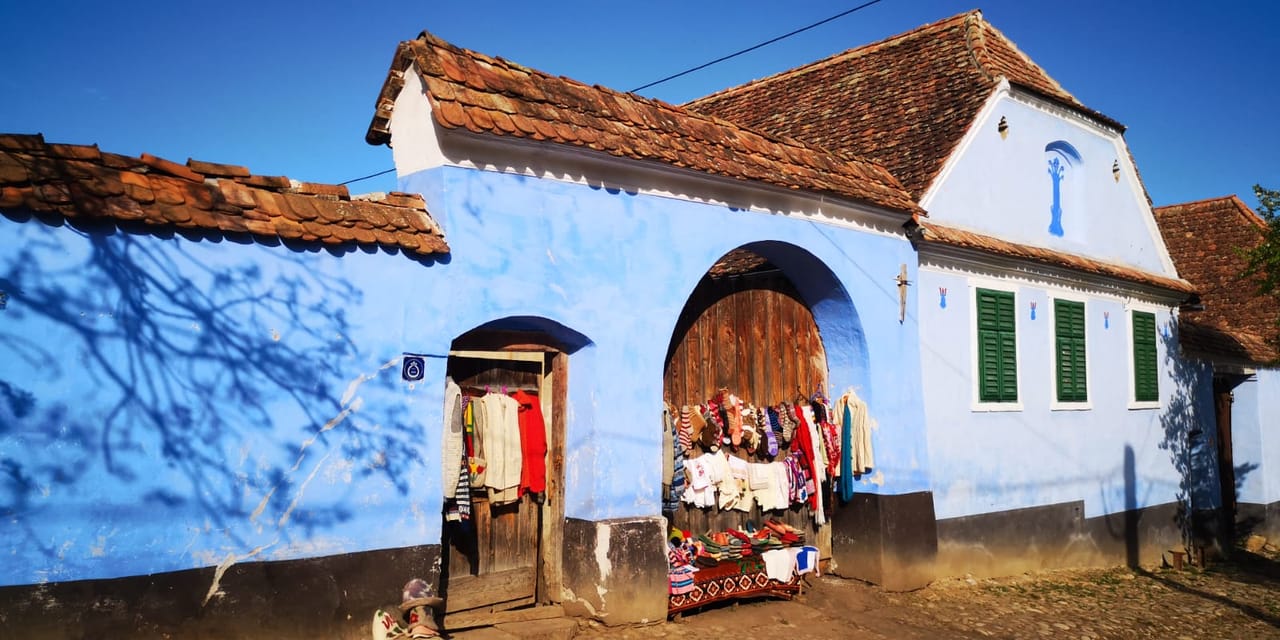
Stop in Viscri. Here we visit the fortified church – a UNESCO site, the village blacksmith and after a 15 minutes walk the brick and tiles workshop.

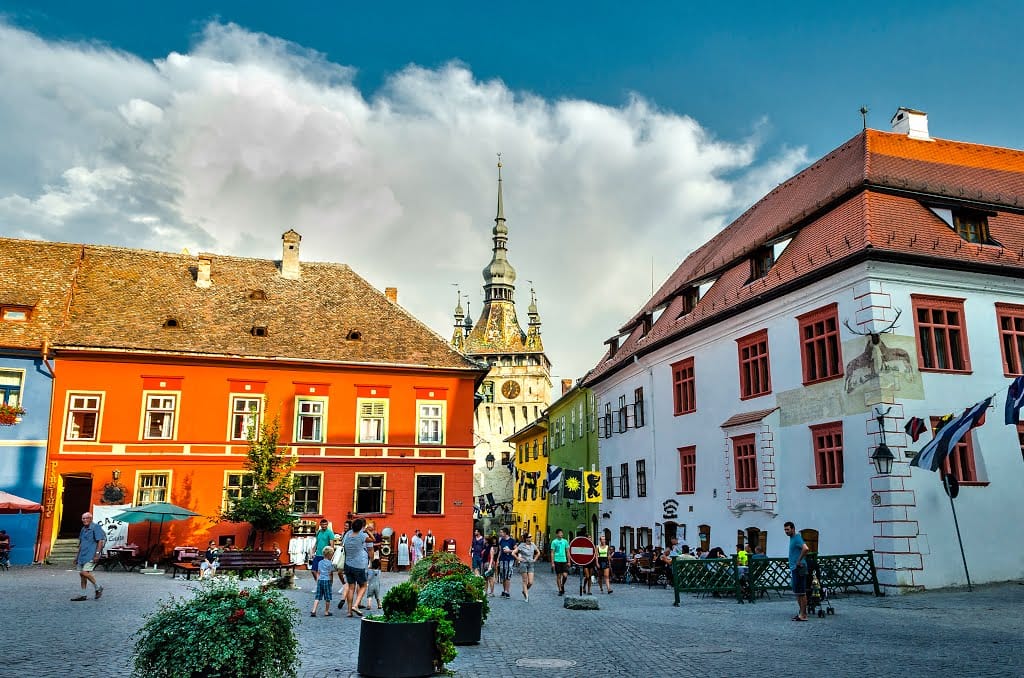
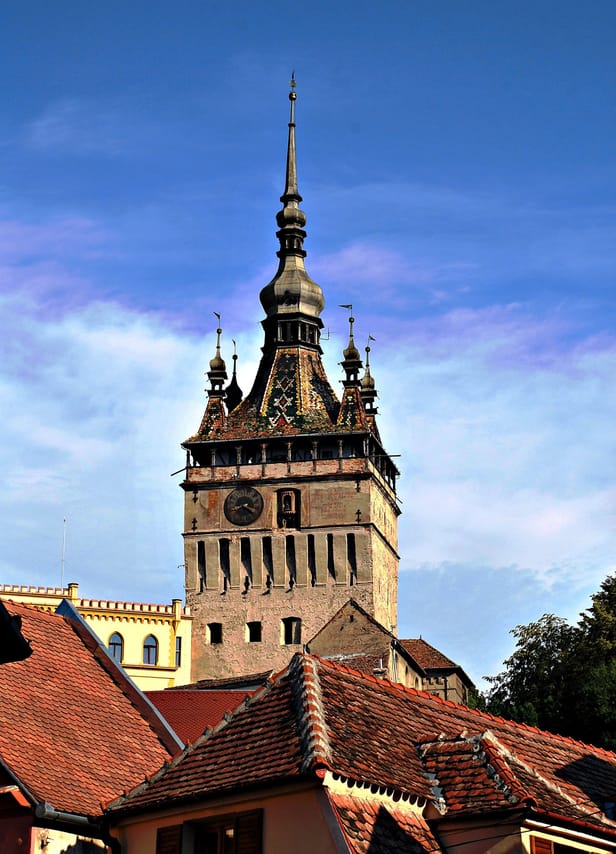
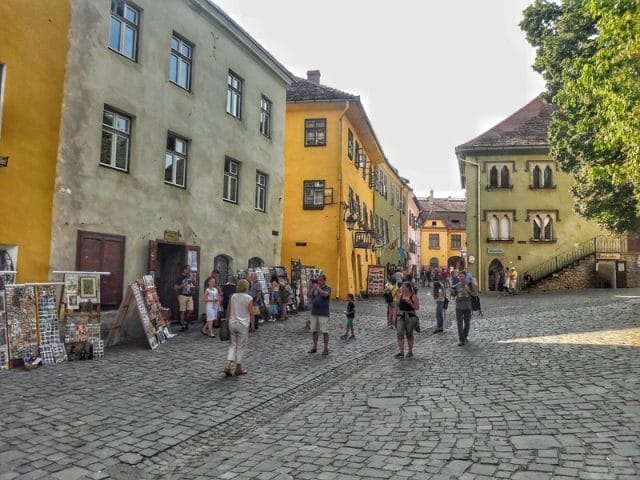
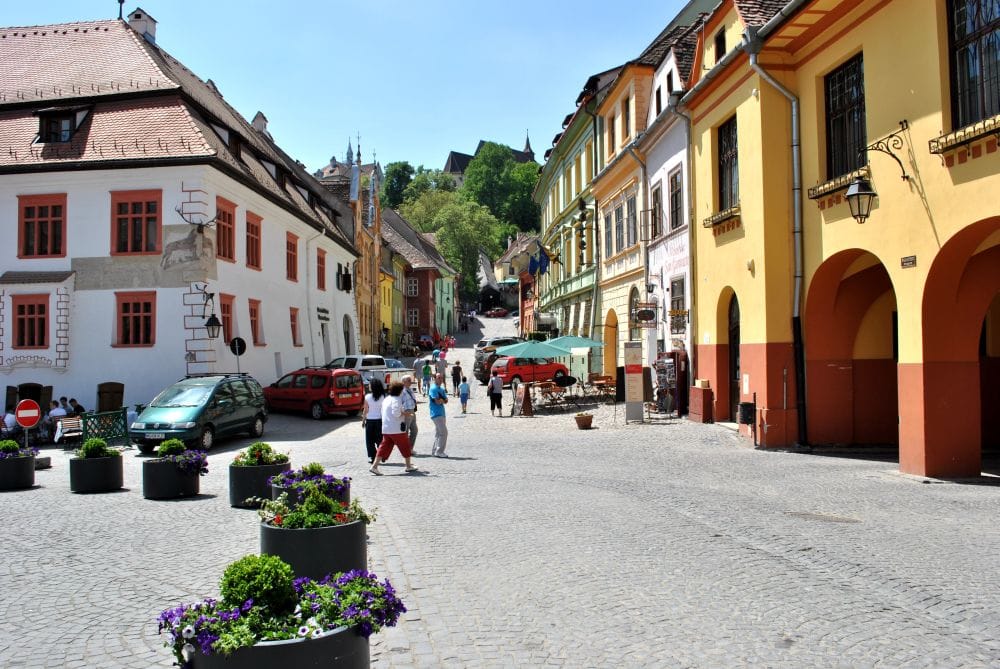
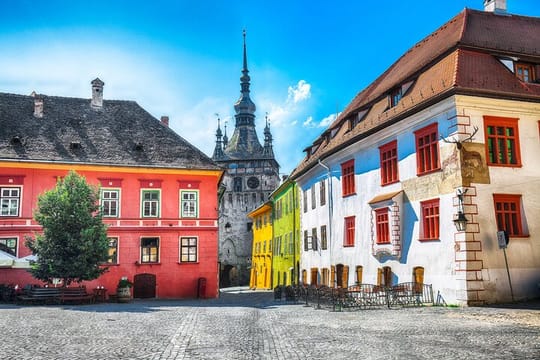
Departure for Sighisoara and start a walking tour (aprox 1h30min) in the medieval center of Sighisoara. Here we visit the Clock Tower, the most impressive tower – it role was to be the main gate into the citadel and to house the town’s council. Next stop is The Vlad Dracul House, the place where Vlad Dracul (the father of Vlad the Impaler) once lived and where Vlad the Impeller was born. Vlad Dracul was a knight of the Order of the Dragon (hence his name – Dracul means Devil in Romanian). Today the house serves as a restaurant. The Weapens Collection and the Torture Room is housed at the foot of the Clock Tower and is the same room where prisoners were tortured during the Middle Ages. Some of the amazing torture instruments and methods are on display.

The Church on the Hill can be reached by climbing the 175 steps of the covered wooden Scholars’ Stairs. Inside the church there are beautiful religious sculptures and paintings like the pulpit carved in 1480, an old stone holy water front dating from the 15th century as well as shrines brought from the churches of Seas and Cund.

Free time for souvenirs in Sighisoara;

~18:00 arrival in Brasov

Highlights

  • Rupea Fortress – a remarkably intact medieval stronghold from the Ottoman frontier era
  • Viscri fortified church (UNESCO) plus working blacksmith and traditional brick kiln
  • Clock Tower – Sighișoara's iconic 14th-century gate and council chamber with 360° views
  • Vlad Dracul House – birthplace of Vlad the Impaler; now a functioning restaurant
  • Medieval torture room with period instruments at the Clock Tower base
  • Church on the Hill – 15th–16th century religious art reached via 175 wooden Scholar's Stairs

Insider tips

  • Arrive early at the Clock Tower to beat crowds and capture better photographs of the citadel
  • The Vlad Dracul House is a working restaurant – ideal for lunch if you want to eat in an authentic medieval setting
  • Wear comfortable walking shoes; the Scholar's Stairs are steep and narrow, and cobblestone streets are uneven
  • Visit in late afternoon when tour groups thin out, especially if you plan to linger in the old town

Good to know

  • Total walking distance is approximately 1.5 hours in Sighișoara plus village exploration; pace is moderate
  • Climbing 175 steps to Church on the Hill is required; no elevator access
  • Free time included at the end for shopping and self-directed exploration
  • Departure from Brașov; check pick-up time and return time (approximately 18:00)
  • Small group tour – confirm group size and language of guide when booking

Who it's for

History buffs interested in medieval architecture, Transylvanian Saxon culture, and Ottoman-era fortificationsVlad the Impaler and Dracula mythology enthusiasts seeking authentic historical contextCultural travellers seeking off-the-beaten-path UNESCO sites and traditional craftsmanshipPhotography enthusiasts drawn to photogenic medieval townscapes and atmospheric narrow streets

Best time to visit

Visit May–September for reliable weather and fully open attractions. Early morning or late afternoon (especially June–August) offers fewer crowds in the old town. Avoid winter when steep stairs and cobblestones become slippery.

Frequently asked questions

Available
From€144
per person