Chania, Crete6h
Food Tasting Tour of Chania Villages
4.6(5)
From€115.00
/ person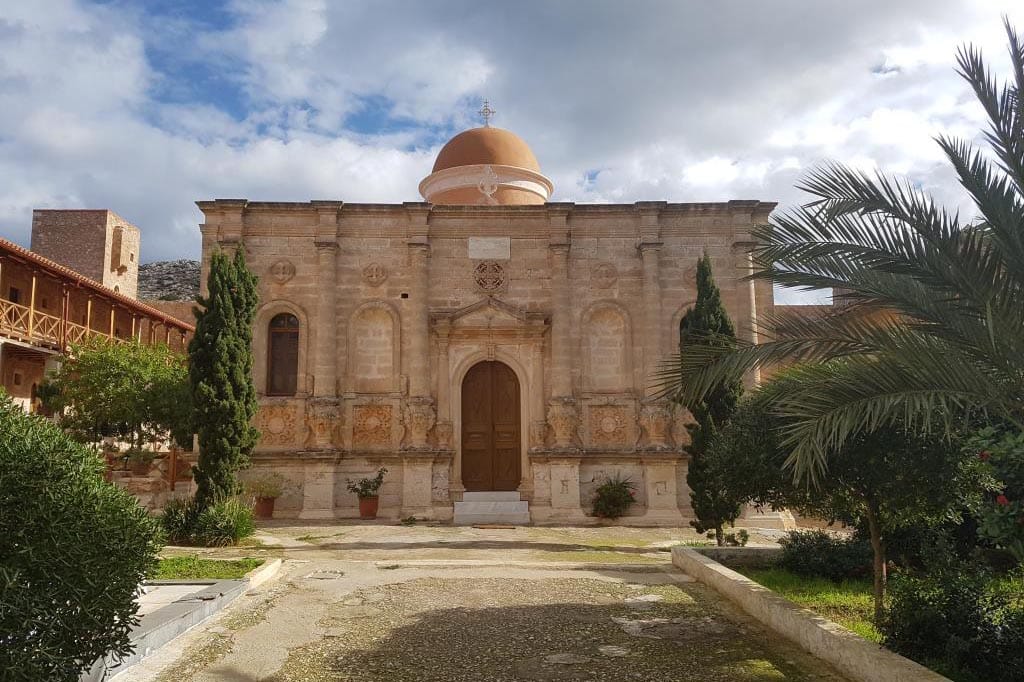
 1 / 9
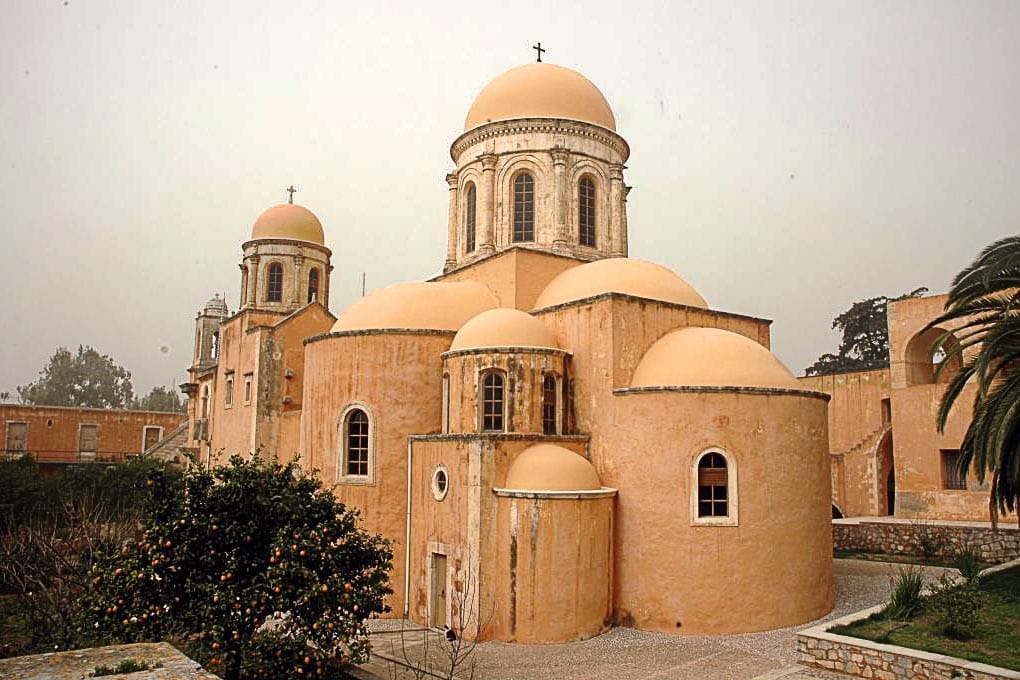
1 / 9Immerse yourself in Crete's monastic heritage across the Akrotiri Peninsula, visiting three active and historical monasteries set against dramatic landscapes. This small-group day experience traces the spiritual traditions and architectural legacy of Byzantine and Venetian-era religious communities that shaped the island's culture.
Tour Highlights
• Discover the religious heritage of Crete
• Explore the Akrotiri Peninsula
• Learn everything about the religious tradition of Crete
• Unique nature landscapes and architecture miracles
• Explore 3 monasteries in Akrotiri
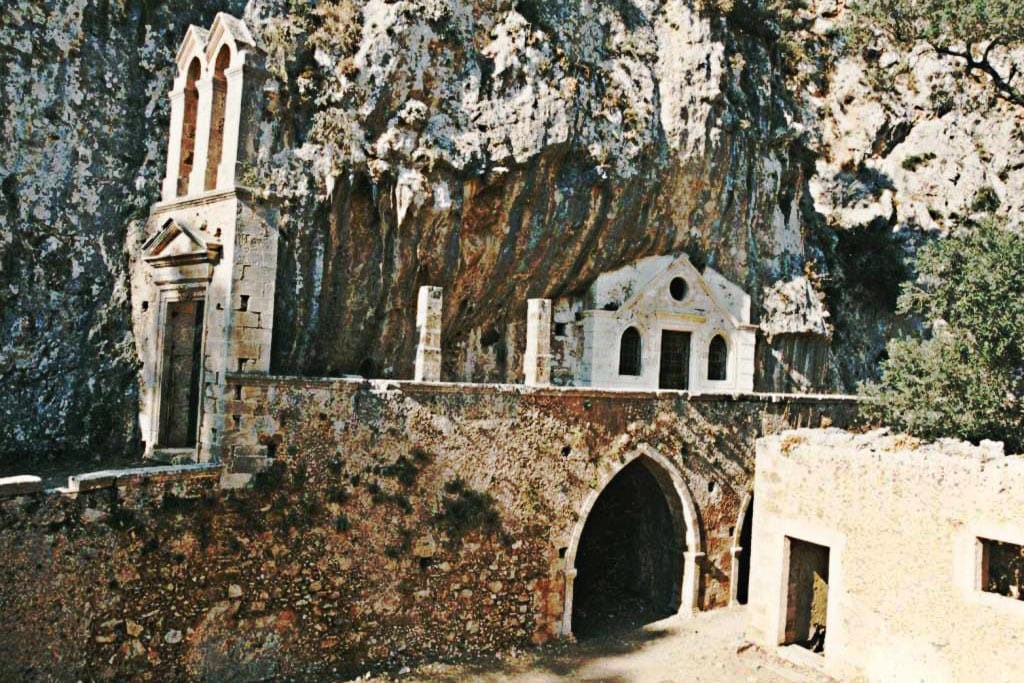
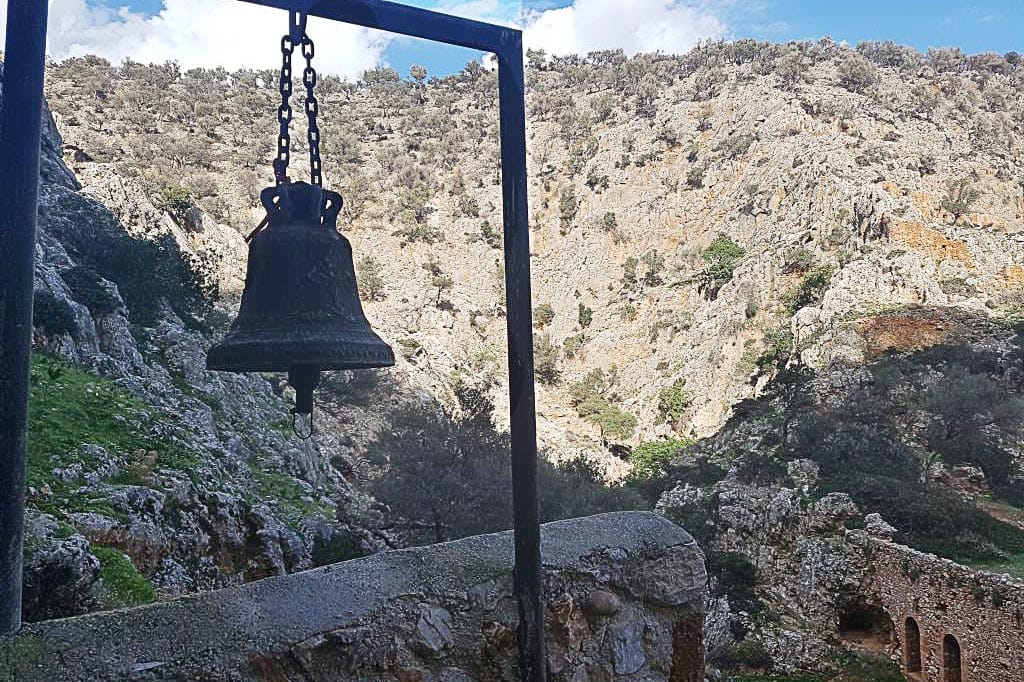
• Walk through the mountain path to discover the cave of St John
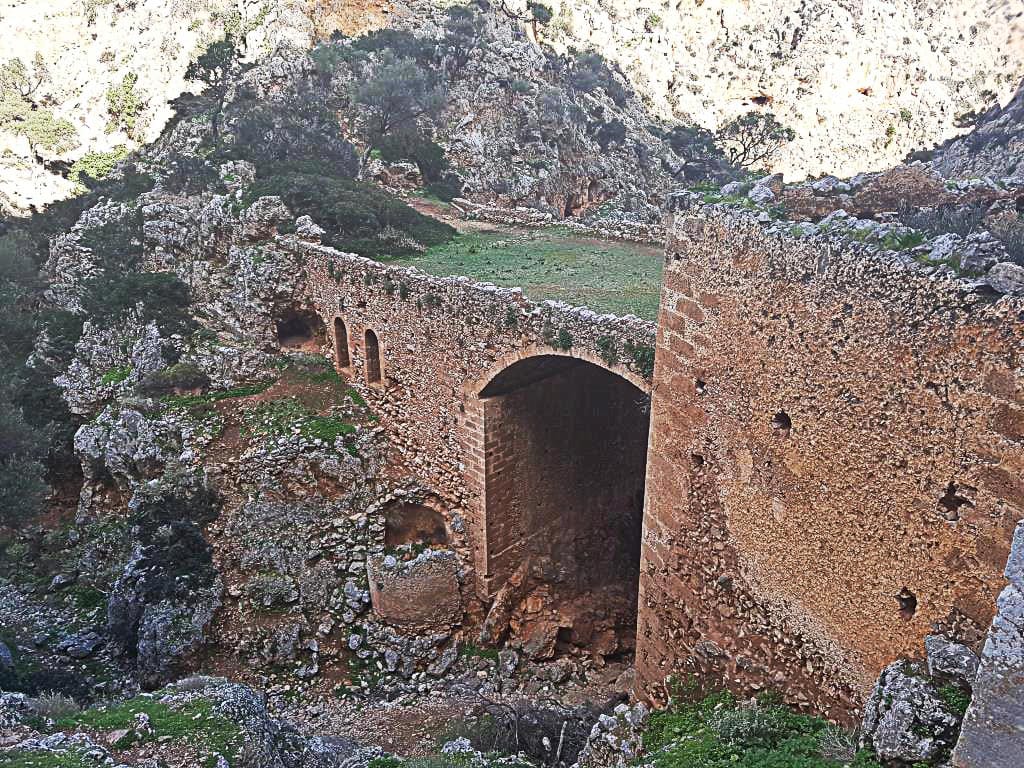
• Visit the monastery of St George and the stone bridge
• Detailed descriptions and unknown stories
• Small-group tour ensures a more relaxing and personal experience
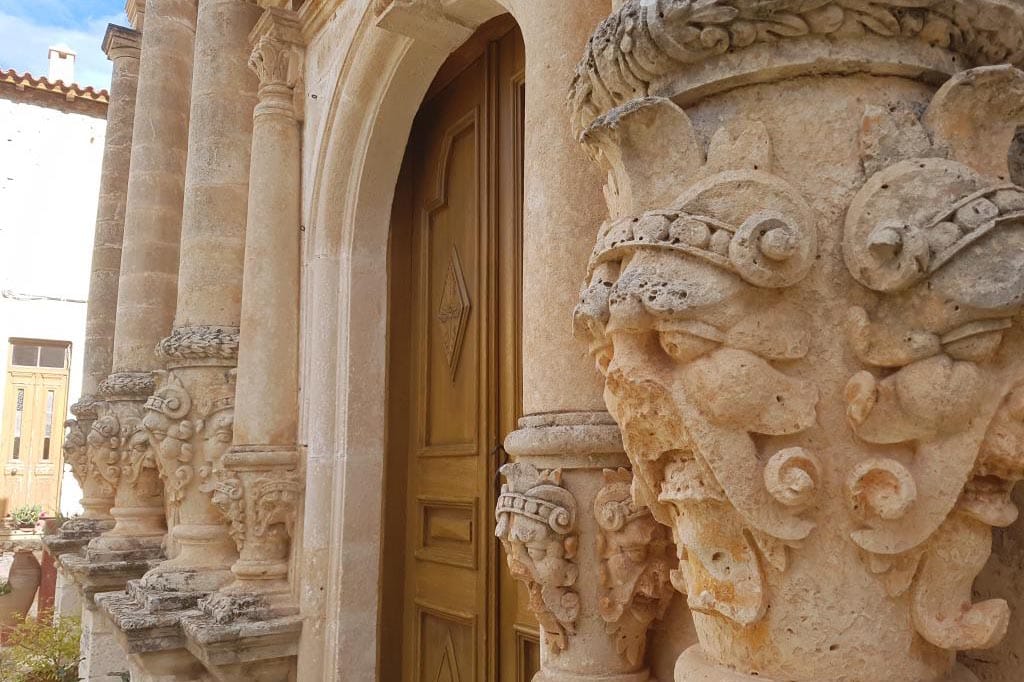
The itinerary in the Akrotiri Peninsula will open a window to a spectacular nature populated by hermits and monks to a unique land exploited by great monasteries established in the Venetian period, which still dominate the area. Their history is associated with the history of the island. Their architecture reveals not only the fine taste of educated men but also the relationships with the artistic trends of Renaissance Europe.
The first step in the itinerary will be to descend the “Saint’s George” and explore the abandoned Katholiko monastery an experience of a lifetime in the small « Kappadokya» of Crete. Following the steps of the pilgrims, you will be able to discover the places in which the hermits decided to live in solitude, away from man, and to practice austerity and self-discipline in order to improve spiritually.
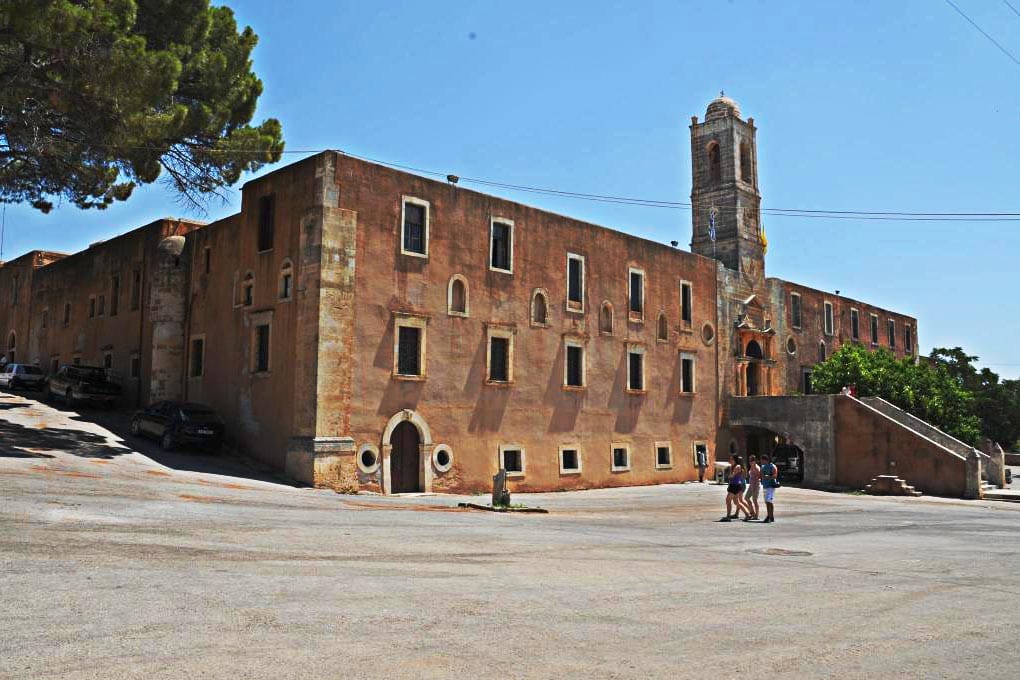
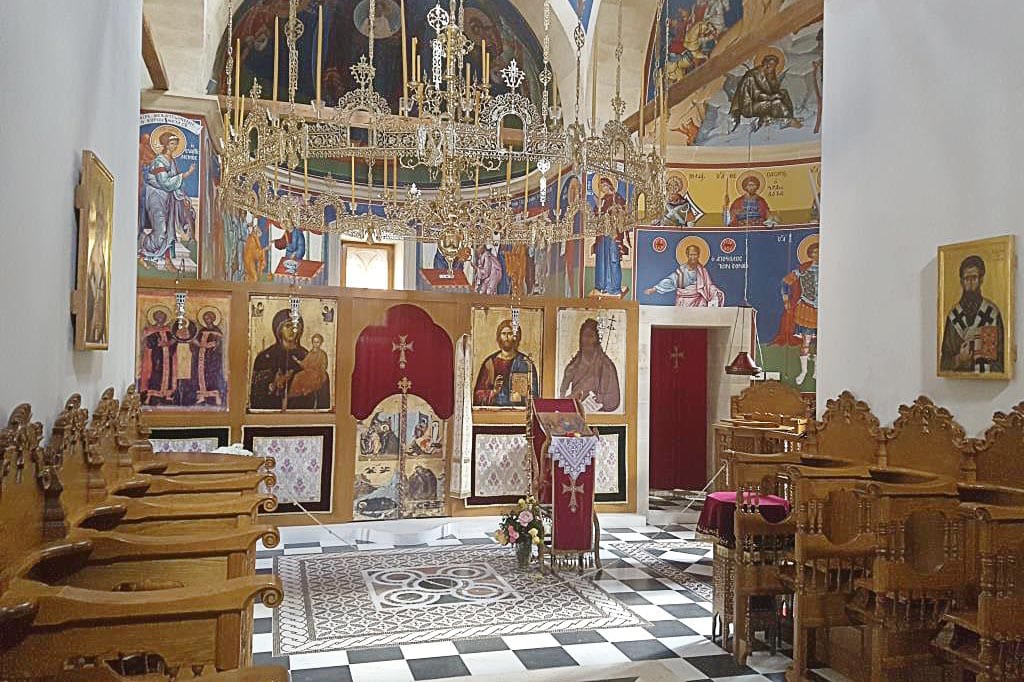
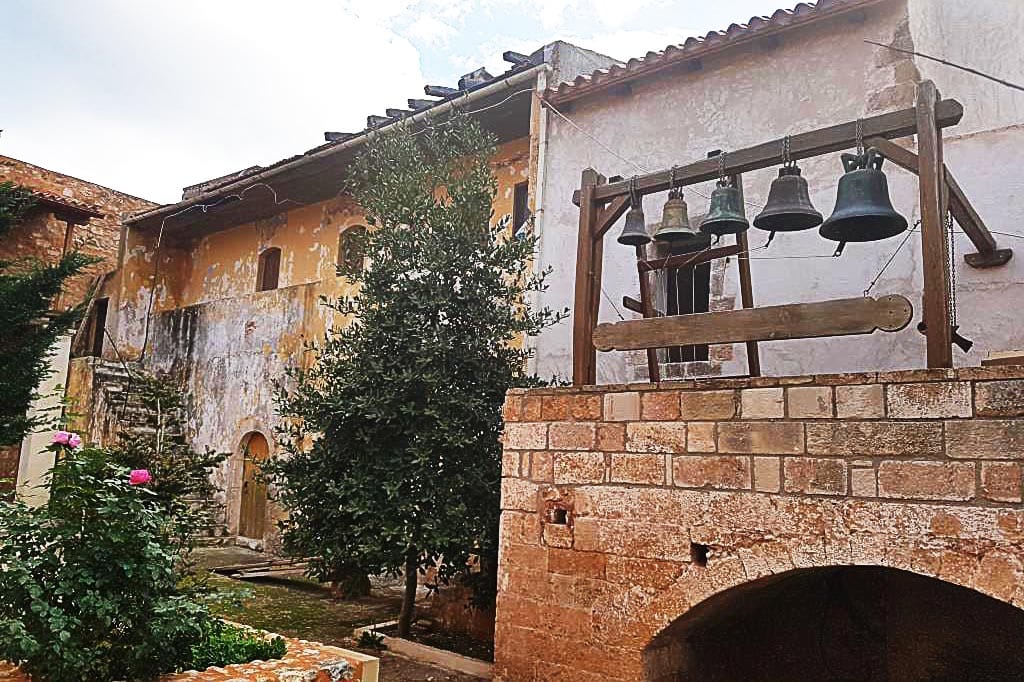
The next steps will bring you to the monasteries of Gouvernetou and Tzagarolon. There you will observe the collective life shared and practiced by the monks. In each case, the individual story of the men in charge of the administration and the construction of the buildings will be told. The special architectural features of the churches and the monastic complexes will be demonstrated; the importance of the artistic treasures kept within will be highlighted, and the role of the monasteries in various aspects of life in the past, but also nowadays -since they still constitute to function- will be discussed.
The final destination, the monastery of St. John the Almsgiver, will give you the opportunity to observe another model for organizing a monastic space, a way that should be connected with the particular history of the monastery and the origin of its first monks.
Visit during spring (April–May) or autumn (September–October) for mild temperatures and fewer crowds. Avoid midday summer heat on exposed mountain trails; morning departures are ideal for both comfort and connecting with monastic routines.
Top-rated, great-value activities in Chania, Crete