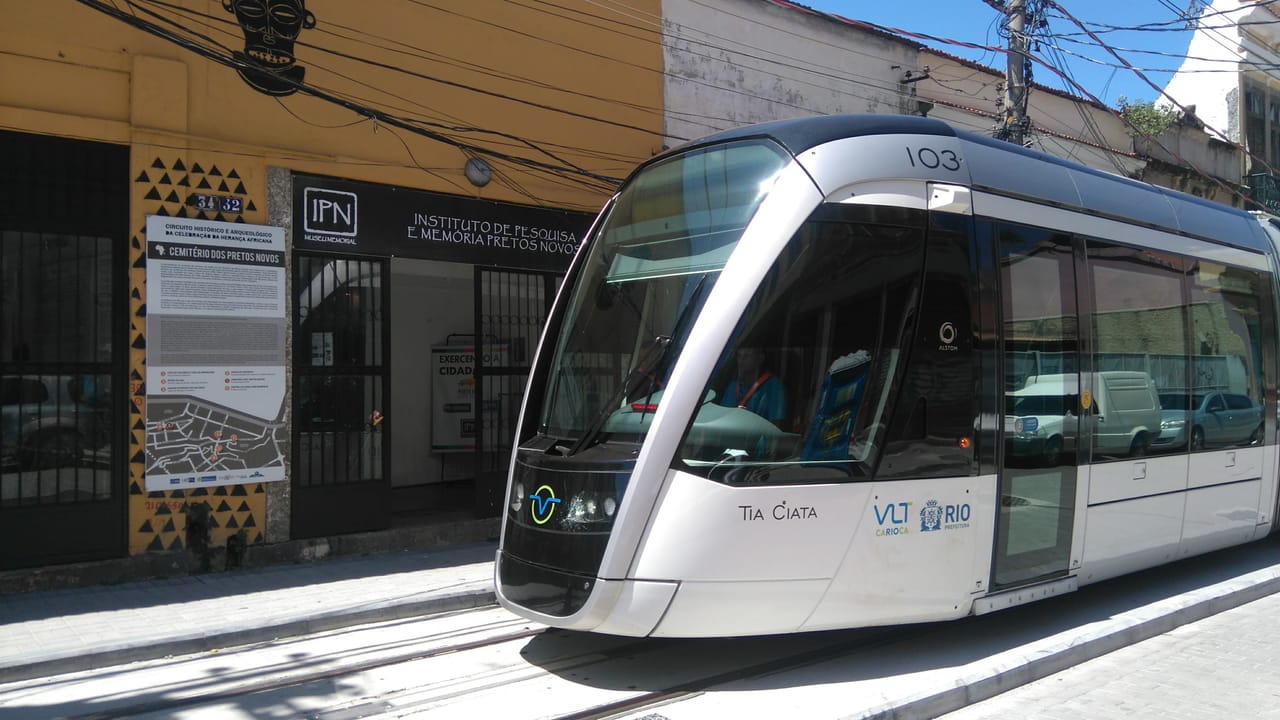
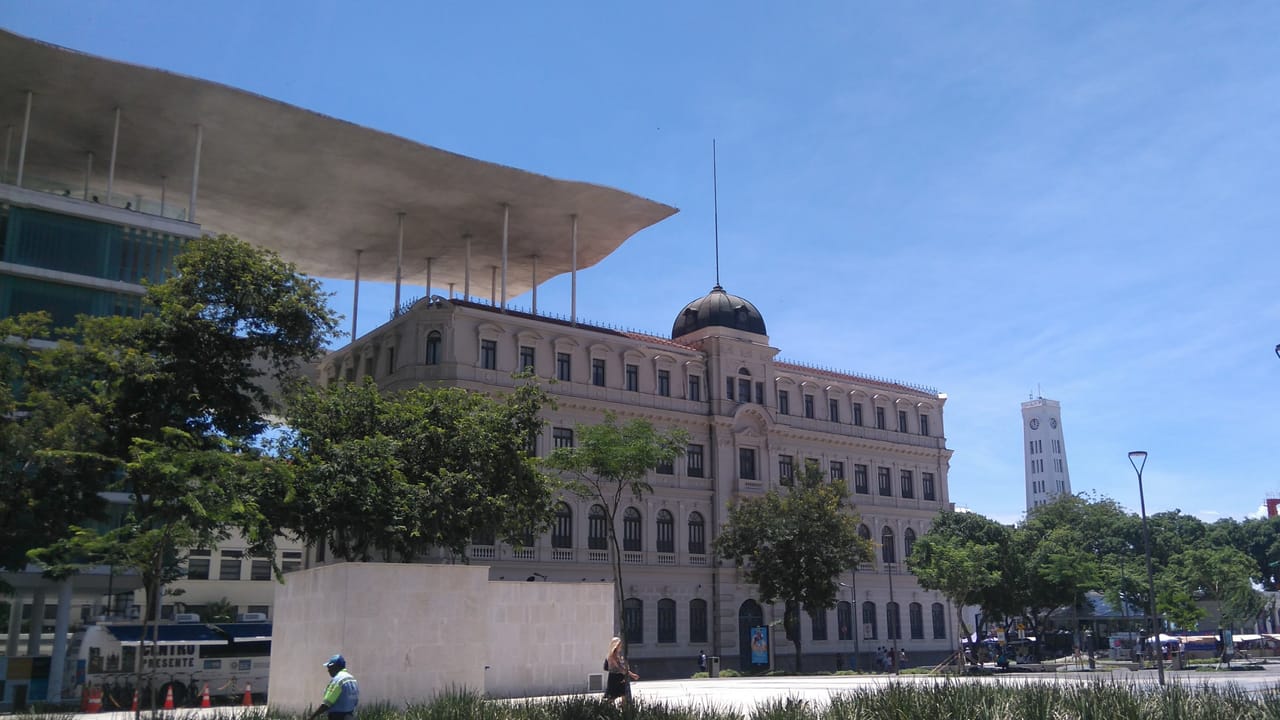
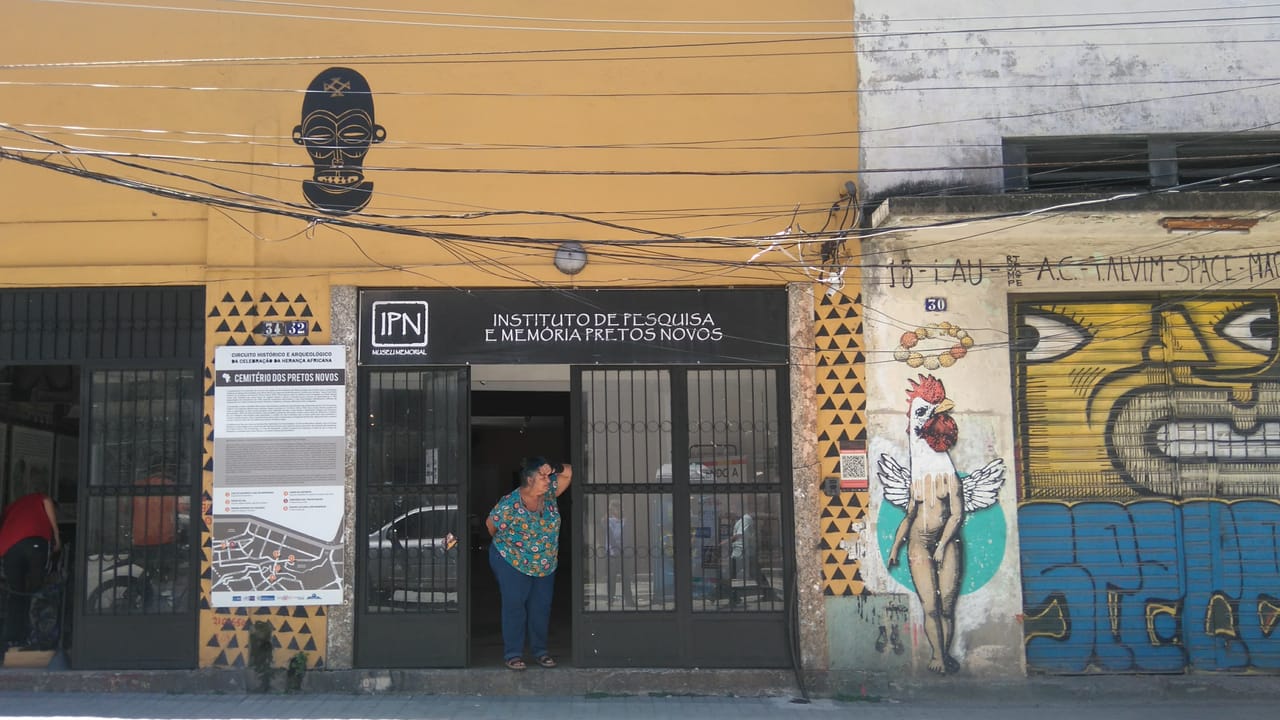
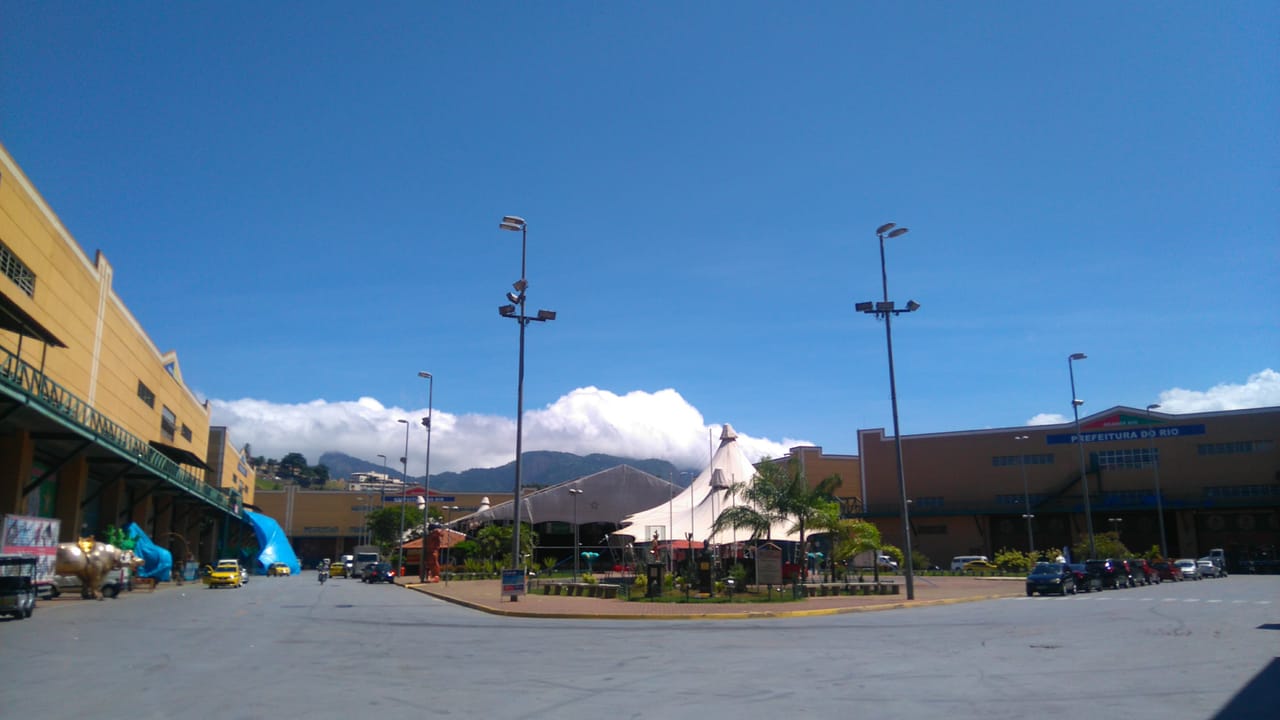
VLT & INSTITUTE NEW BLAKS
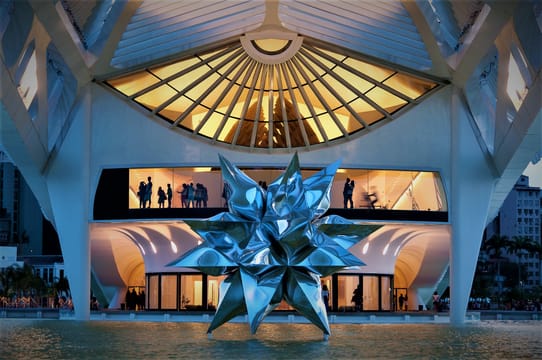
MUSEU DE ARTE DO RIO
INSTITUTE NEW BLAKS
SAMBA CITY
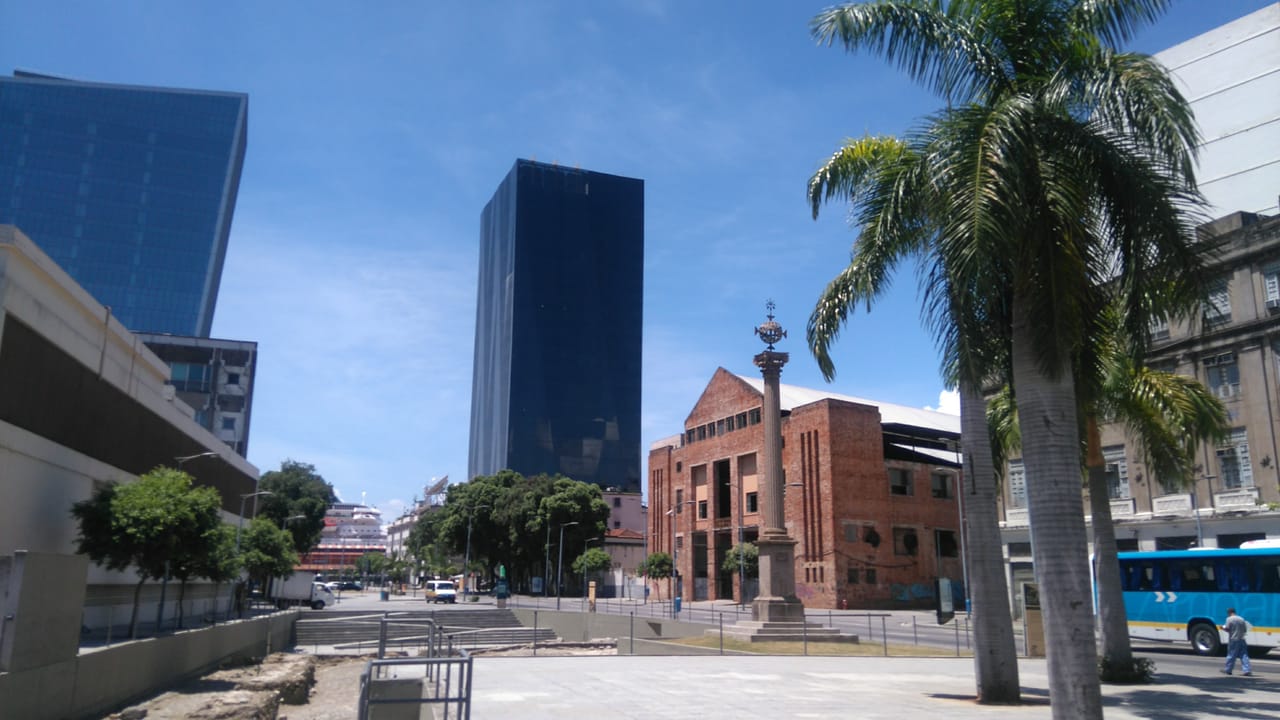
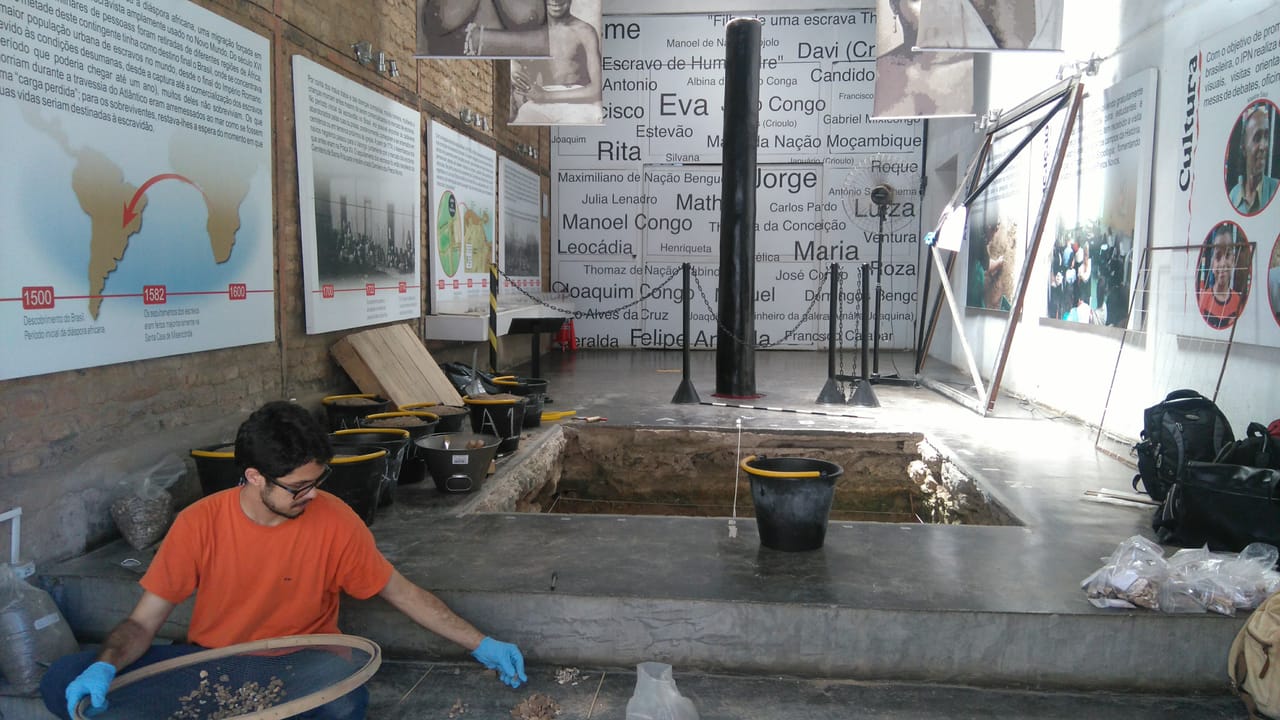
VALONGO WHARF-UNESCO WORLD HERITAGE CENTRE
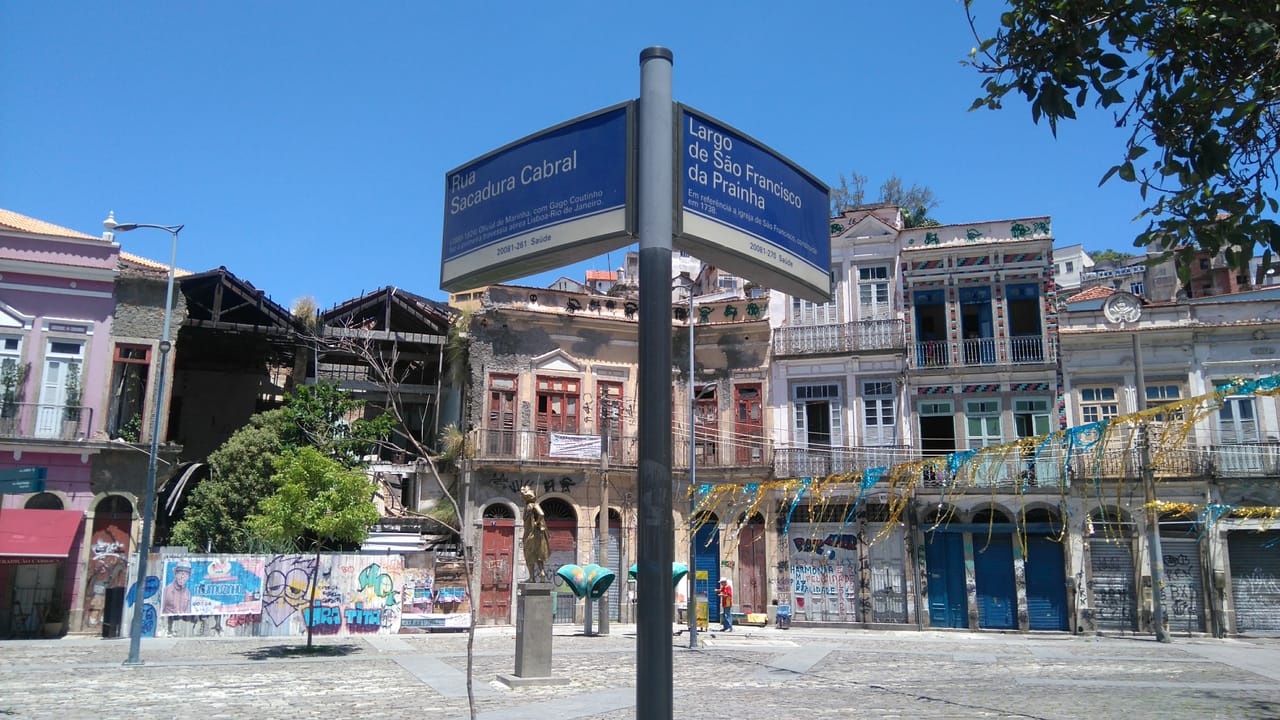
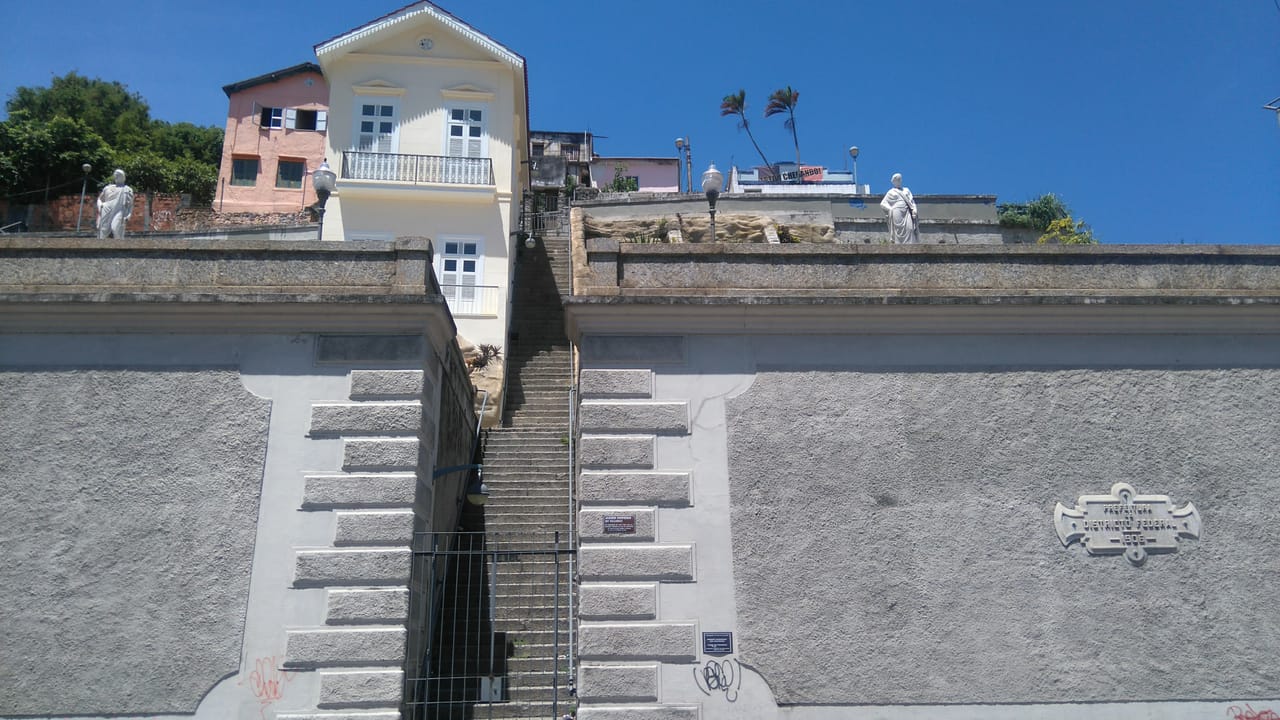
LARGO SÃO FRANCISCO DA PRAINHA
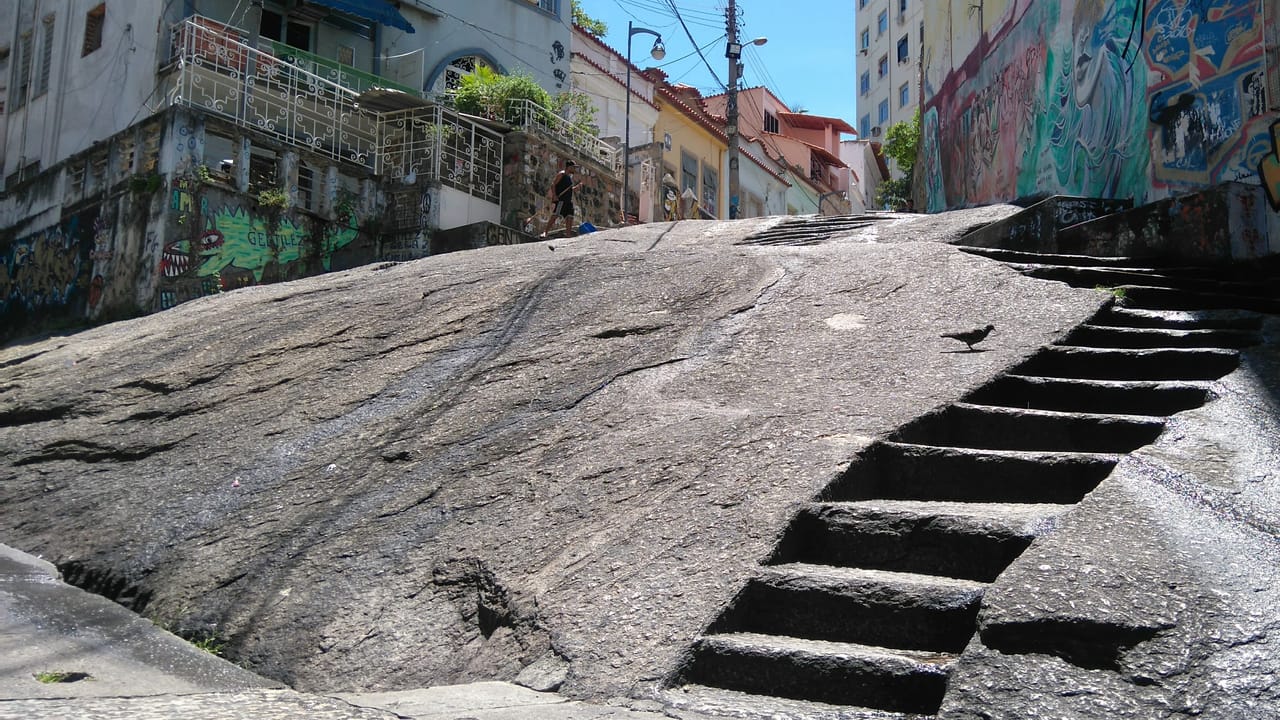
SALT STONE
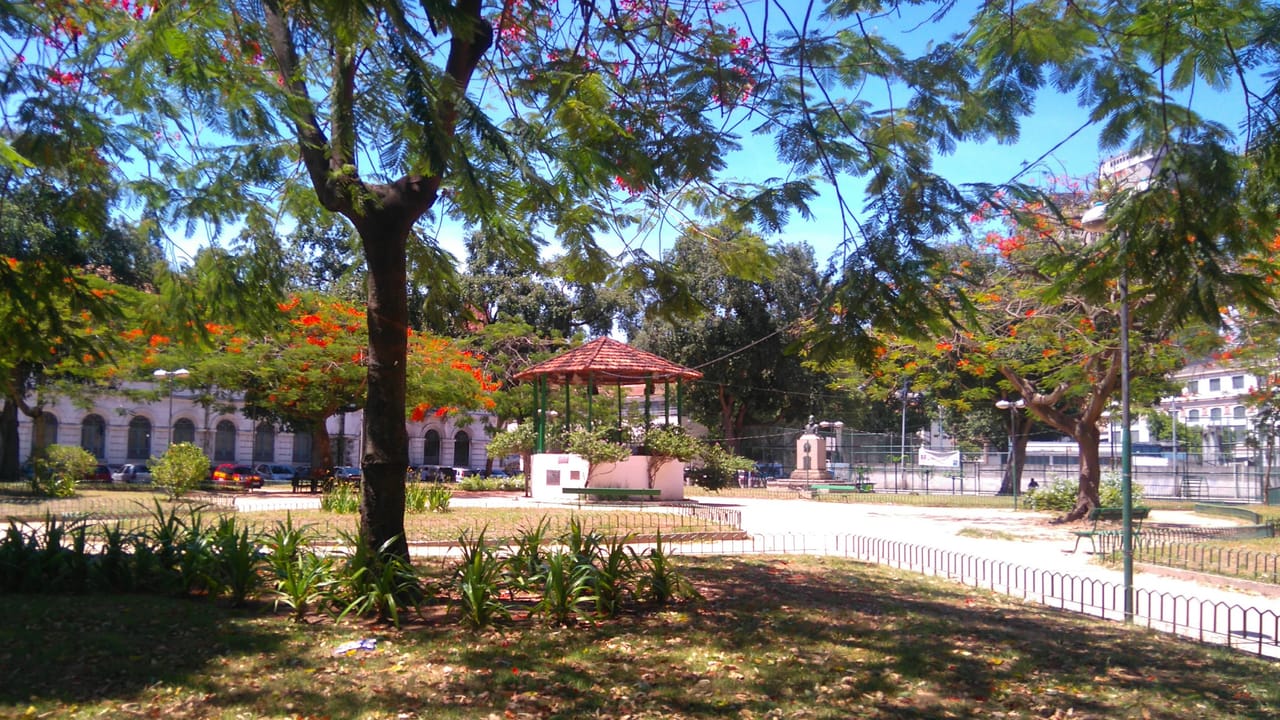
HARMONIA SQUARE
ARCHEOLOGICAL SITE
VALONGO HANGING GARDENS
1 / 10

Little Africa And The City Of Samba: Where Dreams Come True

Rio de Janeiro, Brazil
Arts & CultureCity ToursCultural ToursAttractionsNature Tours
Instant confirmationSecure checkoutNo hidden fees

About this activity

Explore Rio's profound African-Brazilian heritage through the neighborhoods and landmarks that shaped the city's identity, from the historic port where enslaved Africans arrived to the thriving samba schools that now drive the world-famous Carnival. This 5-hour immersive tour bridges centuries of cultural fusion, revealing how African and European traditions merged to create Brazil's most distinctive arts, music, and celebrations.

Visit the most typical places of the first African cultural manifestations in the Americas. Take a new look at the two cultures, African and European, and its legacy in the arts, cuisine, dance and music, highlighting the Carnival.

  • Visit the City of Samba, or City of Dreams, an area where the Samba Schools develop the floats that will parade in the Sambodrome
  • Understand how celebrations of Catholic and African merged its cultural manifestations and producing the most famous Carnival in the world.
  • Visit the current region of the Port, which for decades received thousands of Africans from different ethnic groups, nations, and cultures.
  • Visit Pedra do Sal (Salt Stone), where the Community of Remnants of Quilombos is located and considered as Cultural Heritage.
  • Get to know Valongo Wharf, the largest African point of entry in the Americas. It has been submitted to UNESCO to become World Heritage.

Highlights

  • Valongo Wharf — the largest African arrival point in the Americas, nominated for UNESCO World Heritage status
  • Pedra do Sal (Salt Stone) — a quilombo heritage site and living cultural landmark
  • City of Samba (City of Dreams) — witness where samba schools craft and store the iconic Carnival floats
  • Port district history — understand decades of arrival, settlement, and cultural exchange
  • Carnival origins explained — see how Catholic and African traditions merged into Rio's global phenomenon
  • Walking through Little Africa — experience the authentic neighborhoods where African culture took root in the Americas

Insider tips

  • Visit the City of Samba during weekday mornings for quieter access to workshops; Carnival season (January–February) brings intense energy but larger crowds
  • Wear comfortable walking shoes — the tour covers uneven historic streets and port areas with variable terrain
  • Learn a few Portuguese phrases about samba and African culture to deepen conversations with local guides and community members
  • Bring water and sun protection; much of the route is outdoors in Rio's tropical climate

Good to know

  • Duration is 5 hours; plan for a full morning or afternoon outing
  • Tour includes walking through historic and sometimes less-touristed neighborhoods — go with an official guide for safety and context
  • Pedra do Sal and Valongo Wharf are outdoor heritage sites with minimal shelter; check weather before booking
  • Photography is generally permitted at major sites; ask guides about etiquette in active community spaces

Who it's for

Culture and history enthusiasts interested in African-American and Afro-Brazilian heritageCarnival-goers wanting to understand the festival's deep roots and behind-the-scenes creationTravelers curious about how global music and dance genres (samba, rhythm) originatedEducational groups and students of colonial history, anthropology, or arts

Best time to visit

Visit during the dry season (May–September) for comfortable walking conditions. For Carnival context and energy, go January–February, though crowds peak then; outside Carnival, weekday mornings offer a more intimate, educational experience.

Frequently asked questions

Available
From€83
per person