Rio de Janeiro5h
Jeep Tour Corcovado With Tijuca Rain Forest And Santa Teresa
4.6(5)
From€139.51€135.81
/ person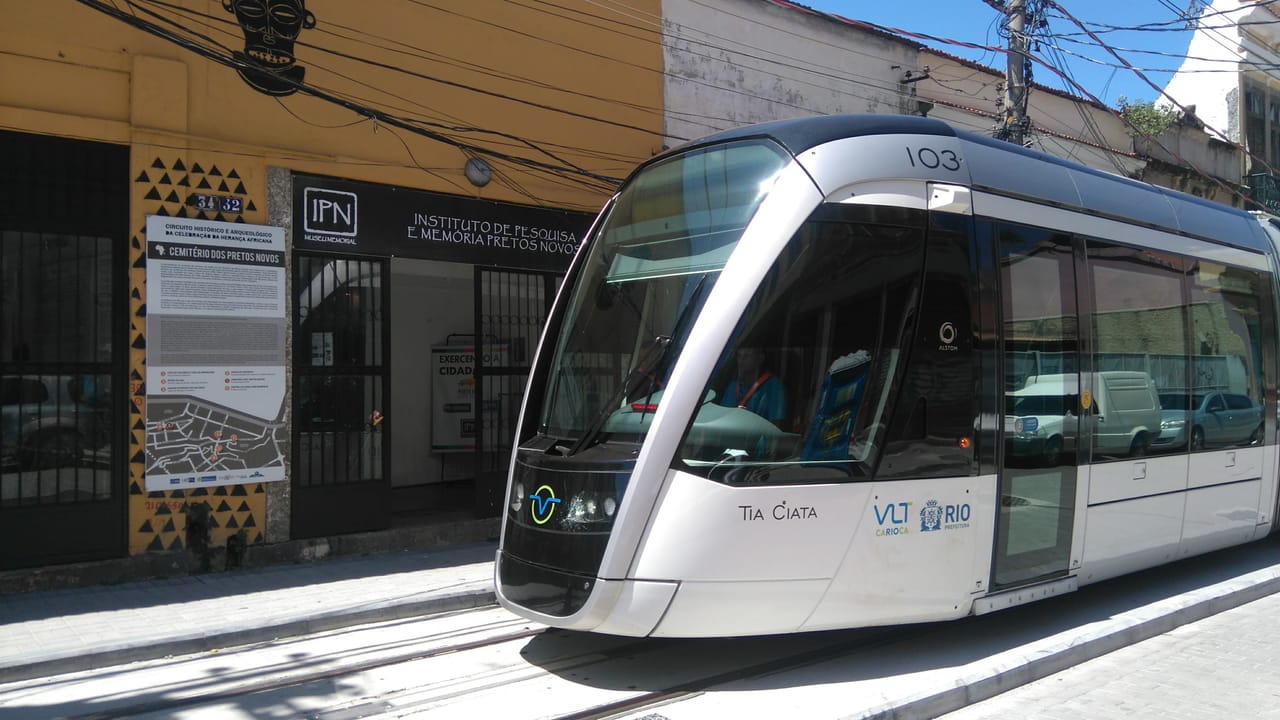
 1 / 10
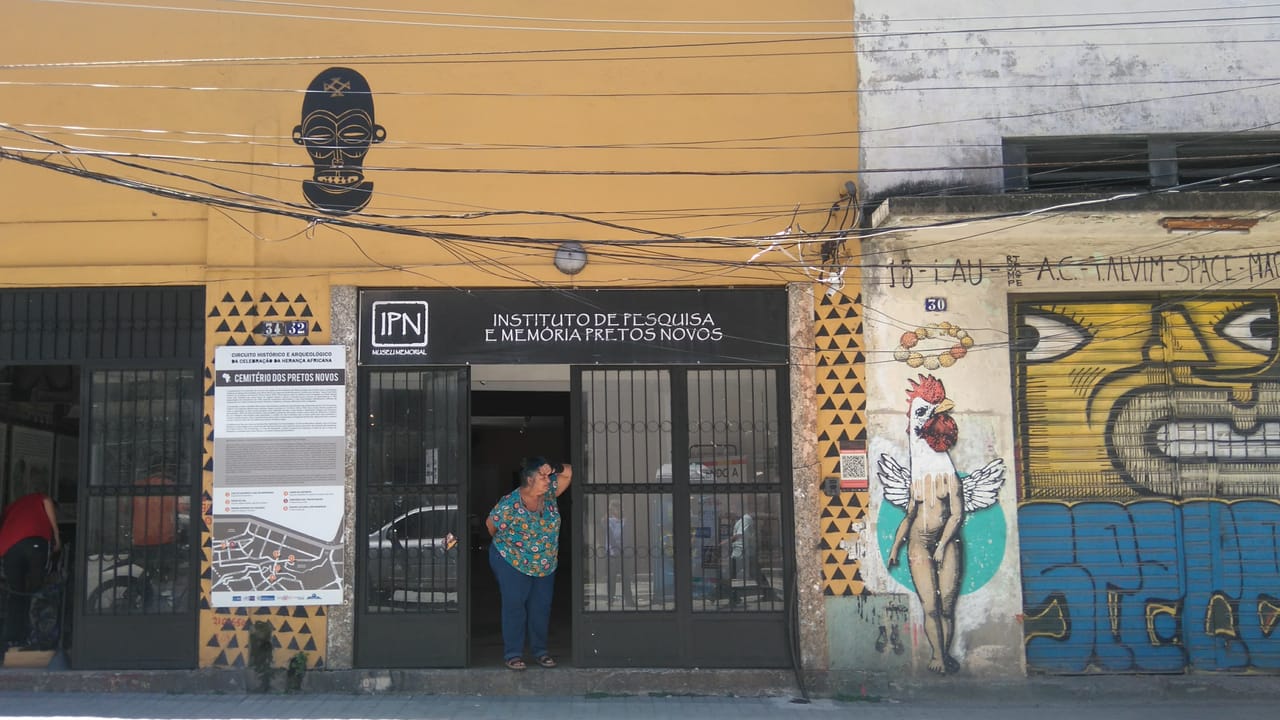
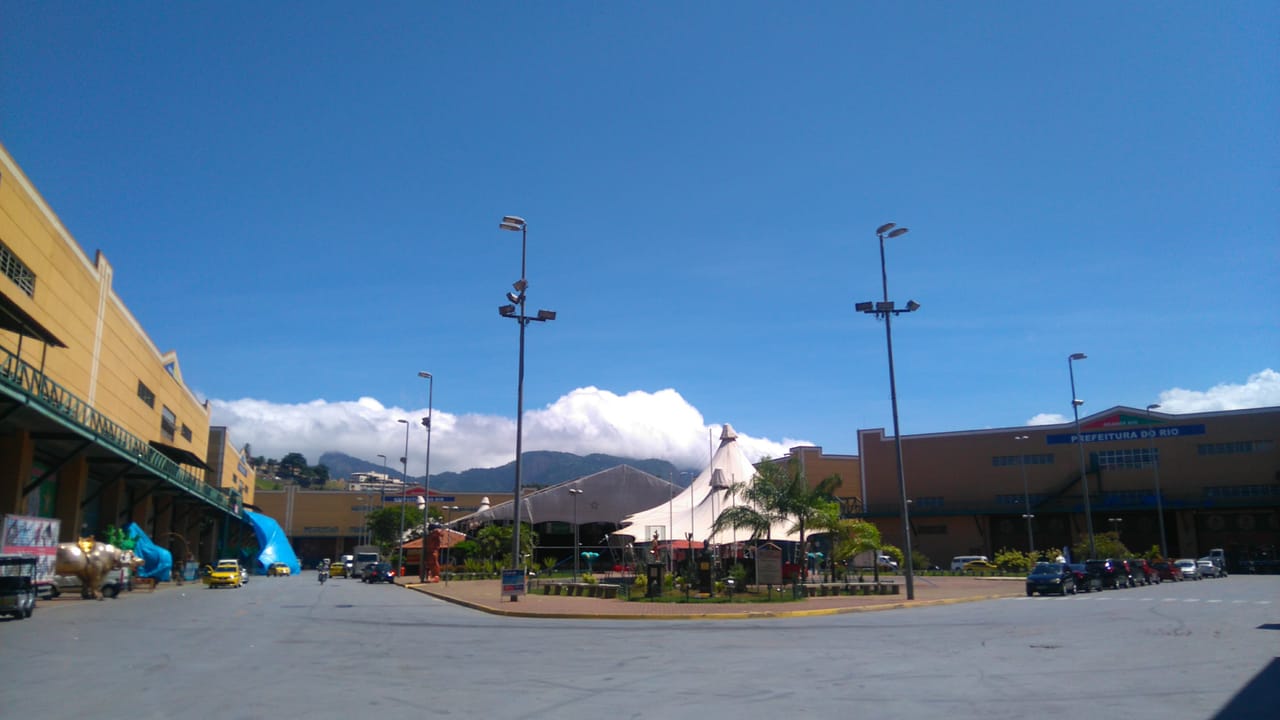
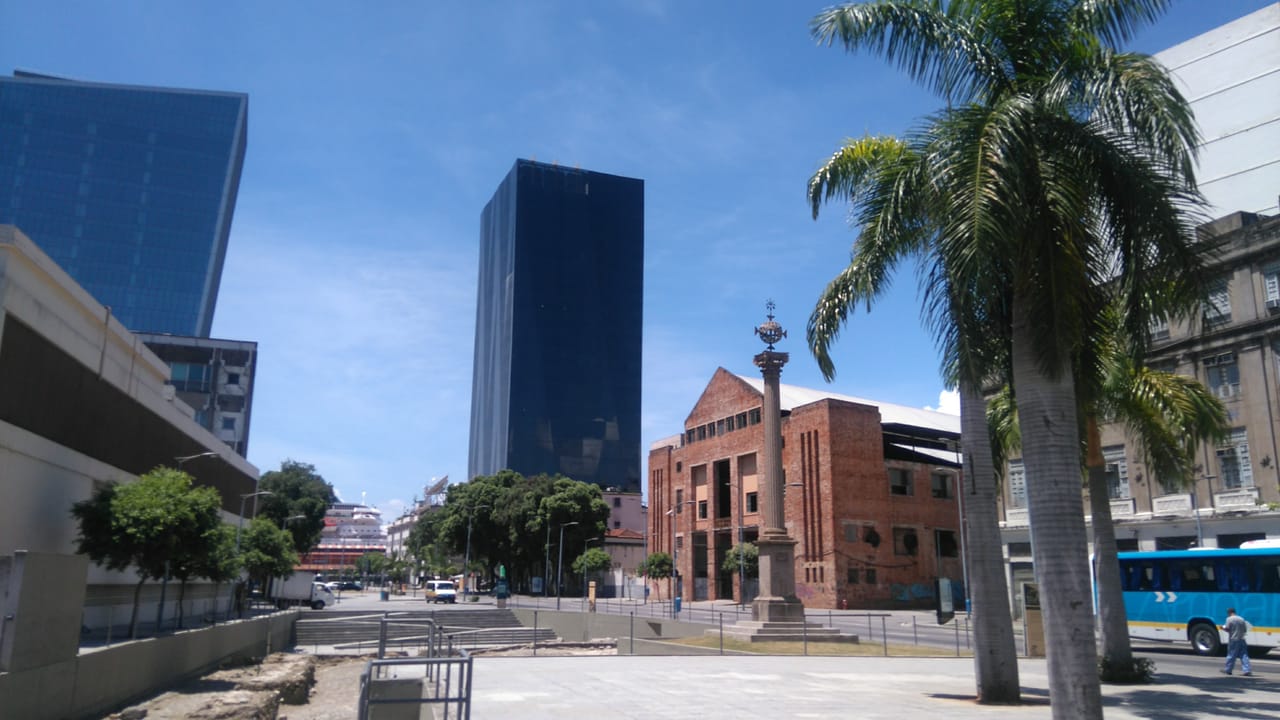
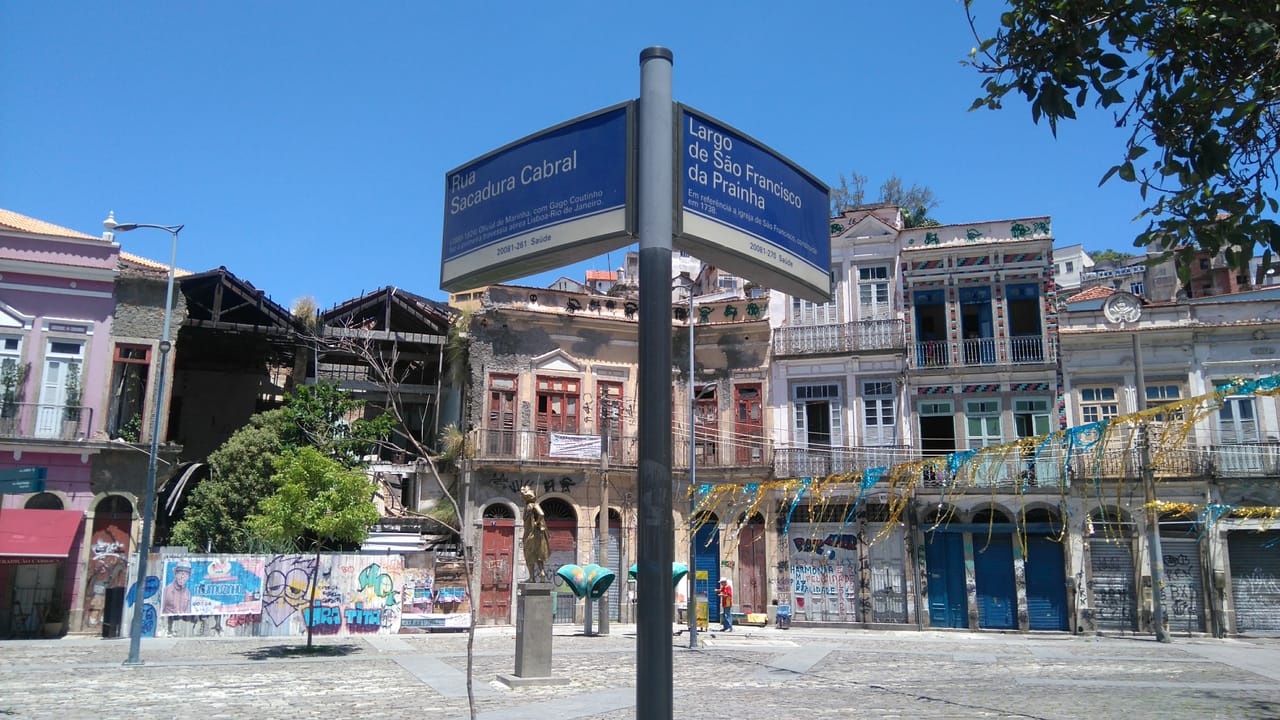
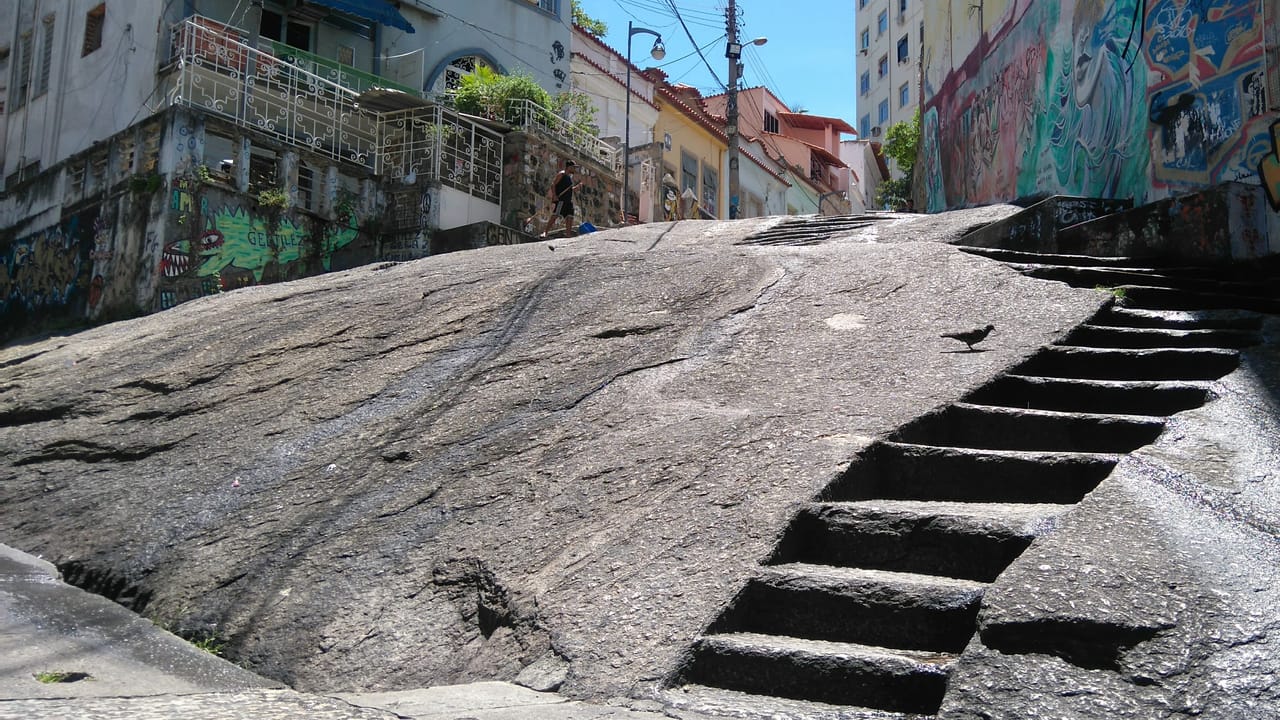
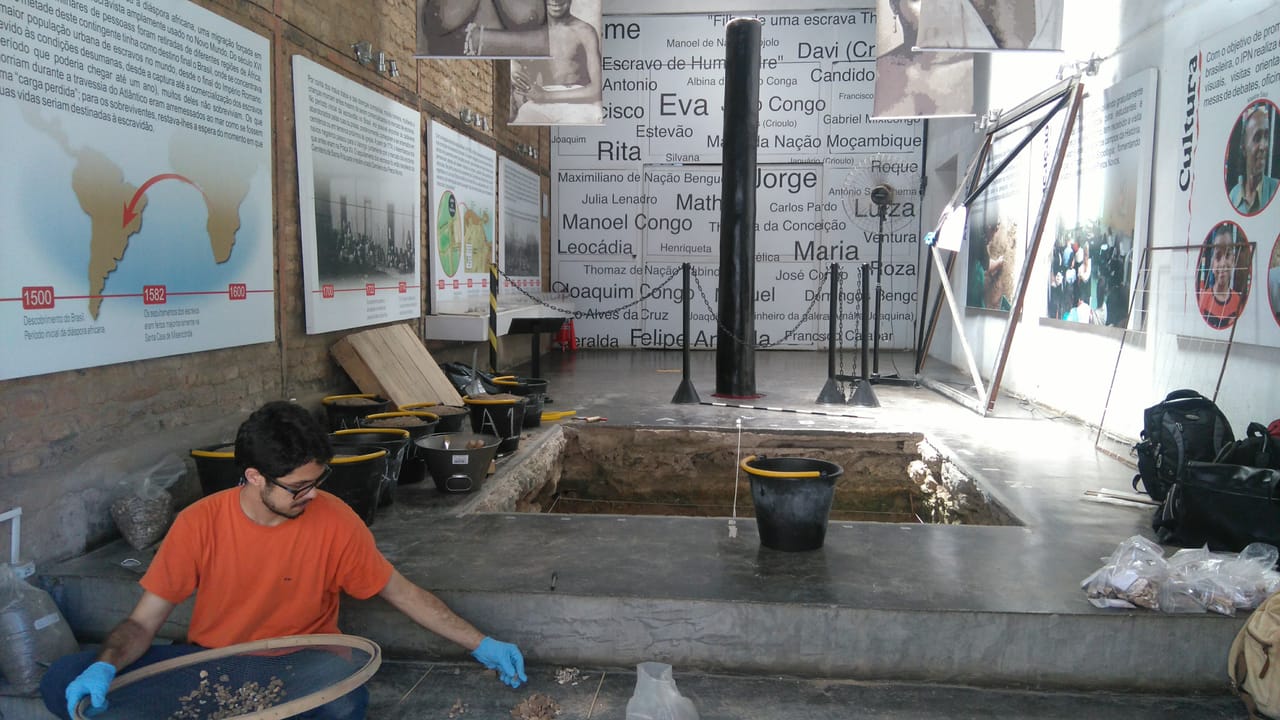
This arts & culture is one of the standout things to do in Rio de Janeiro, Brazil. it combines the highlights below into a single, easy-to-book experience from €84 per person. <p>Visit the most typical places of the first African cultural manifestations in the Americas. Take a new look at the two cultures, African and European, and its legacy in the arts, cuisine, dance and music, highlighting the Carnival.</p><ul><li>Visit the City of Samba, or City of Dreams, an area where the Samba Schools develop the floats that will parade in the Sambodrome</li><li>Understand how celebrations of Catholic and African merged its cultural manifestations and producing the most famous Carnival in the world.</li><li>Visit the current region of the Port, which for decades received thousands of Africans from different ethnic groups, nations, and cultures.</li><li>Visit Pedra do Sal (Salt Stone), where the Community of Remnants of Quilombos is located and considered as Cultural Heritage.</li><li>Get to know Valongo Wharf, the largest African point of entry in the Americas. It has been submitted to UNESCO to become World Heritage.</li></ul>
Visit the most typical places of the first African cultural manifestations in the Americas. Take a new look at the two cultures, African and European, and its legacy in the arts, cuisine, dance and music, highlighting the Carnival.
Rio de Janeiro is rewarding year-round, but spring and early autumn typically bring the most comfortable temperatures and thinner crowds than peak summer. Morning departures tend to be quieter and cooler; booking ahead is recommended in high season as popular arts & culture slots in Rio de Janeiro sell out.
Top-rated, great-value activities in Rio de Janeiro