Krakow: Plaszow Concentration Camp Guided Walking Tour 1
Krakow: Plaszow Concentration Camp Guided Walking Tour 2
Krakow: Plaszow Concentration Camp Guided Walking Tour 3
Krakow: Plaszow Concentration Camp Guided Walking Tour 4
Krakow: Plaszow Concentration Camp Guided Walking Tour 5
Krakow: Plaszow Concentration Camp Guided Walking Tour 6
Krakow: Plaszow Concentration Camp Guided Walking Tour 7
Krakow: Plaszow Concentration Camp Guided Walking Tour 8
Krakow: Plaszow Concentration Camp Guided Walking Tour 9
Krakow: Plaszow Concentration Camp Guided Walking Tour 10
1 / 10

Krakow: Plaszow Concentration Camp Guided Walking Tour

(3)
Krakow, Poland
Cultural ToursWalking ToursTv And MoviesAttractionsEducational Tour
Instant confirmationSecure checkoutNo hidden fees

About this activity

Walk through Plaszow, one of WWII's most significant concentration camps, with an expert guide who contextualizes the vast grounds, mass graves, and sparse physical remains within the stories of the 35,000+ prisoners held there and Oskar Schindler's documented rescue efforts. This is a sobering, reflective experience in a landscape of silence rather than preserved buildings—a memorial space designed for remembrance.

Explore Plaszow, the former Nazi camp, with an expert guide and uncover stories of tragedy, survival, and Oskar Schindler’s legacy.


Highlights:

• Take a comprehensive tour of Plaszow Camp                        

• Honor the victims at Plaszow’s memorial sites                        

• Hear the story of Oskar Schindler and his rescued workers                        


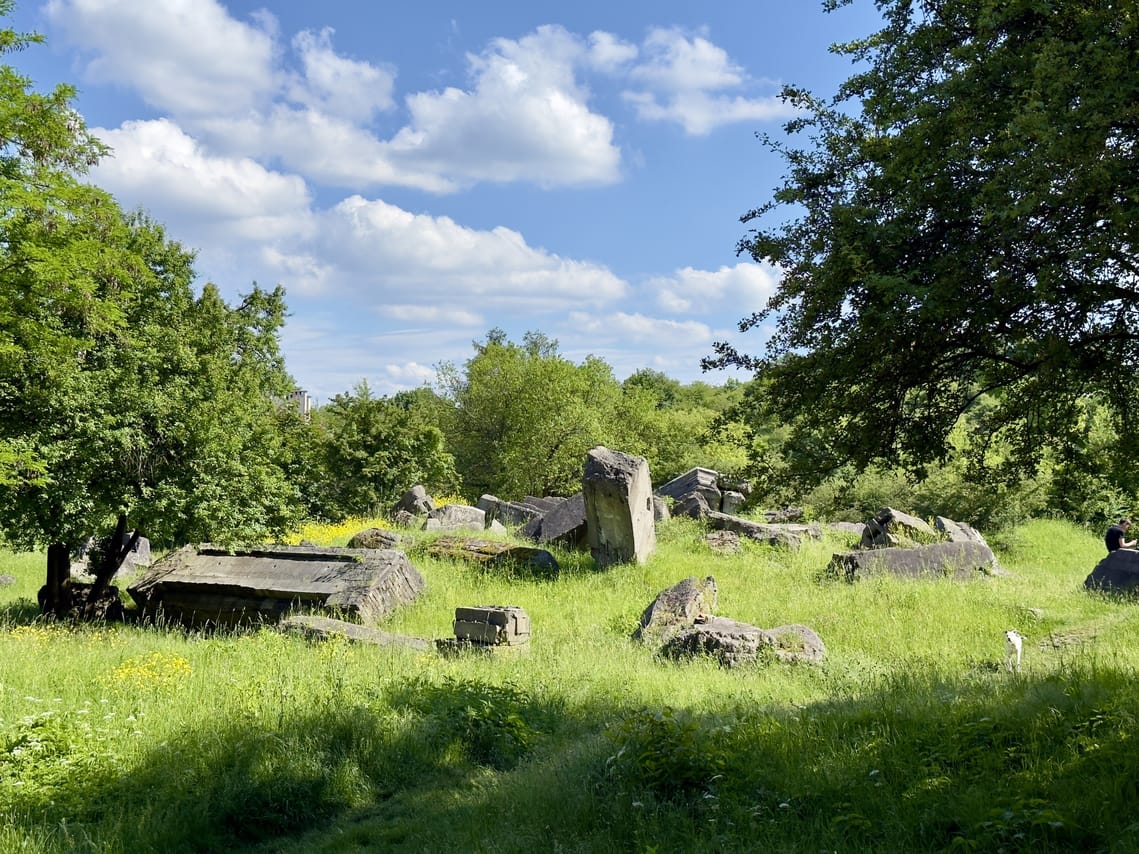
Unlike sites with extensive preserved buildings, Plaszow is characterized by vast open areas and silence. With minimal physical remains, it serves as a place of remembrance and reflection, offering a quiet space to acknowledge history and honor those who suffered there.


Itinerary:

Ghetto Heroes Square/  15min / Walk by

The route passes Ghetto Heroes Square in the Podgórze district, a place closely linked to the history of the Kraków Ghetto. Once neglected after the war, the square was redesigned in 2005 as a memorial space. Today, dozens of large metal chairs symbolize forced departures and absence, forming a powerful and widely recognized tribute to the ghetto’s victims.


Plaszow Camp / 1h 45min / Entry Ticket Free

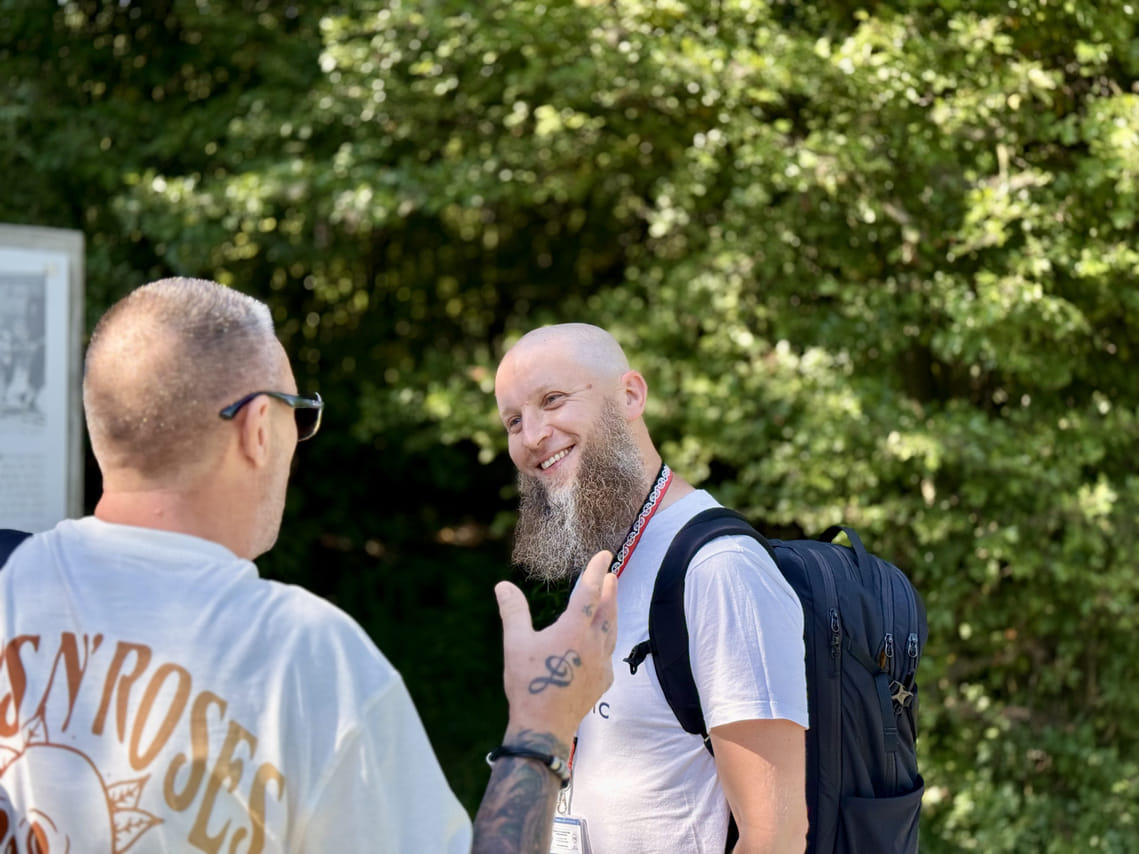
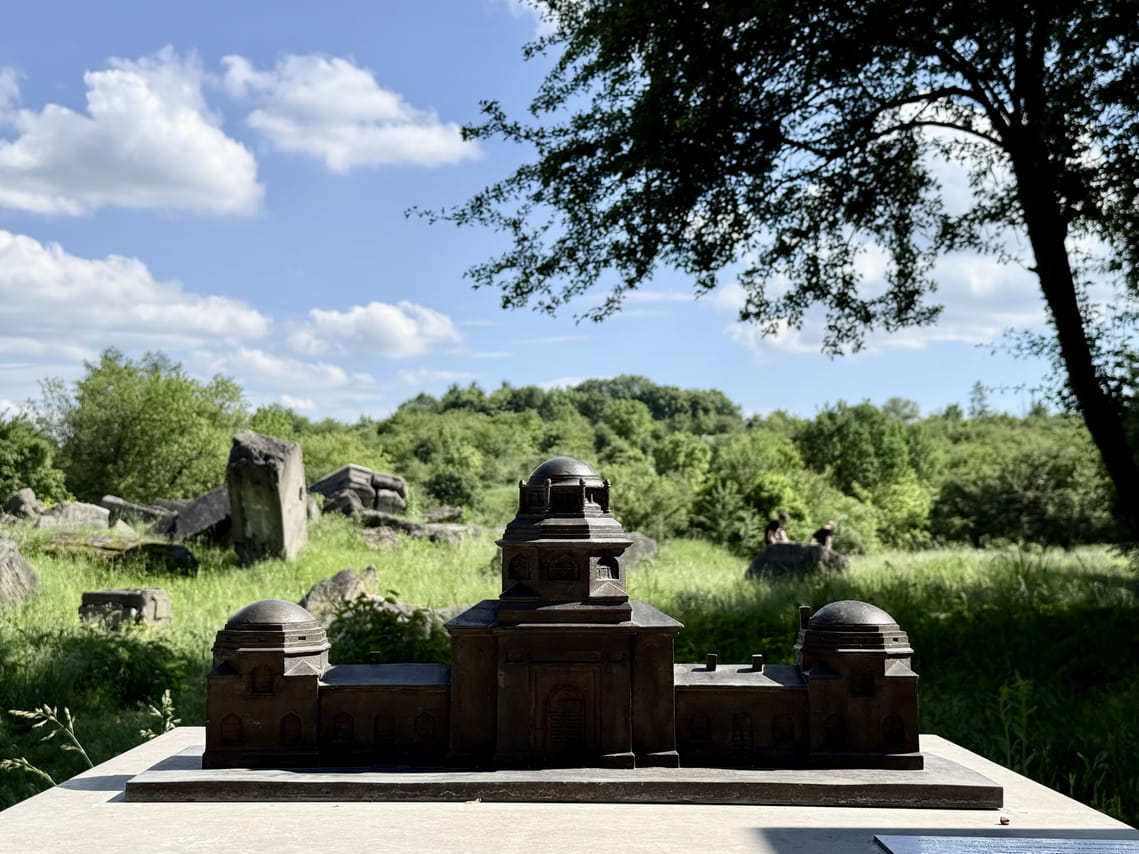
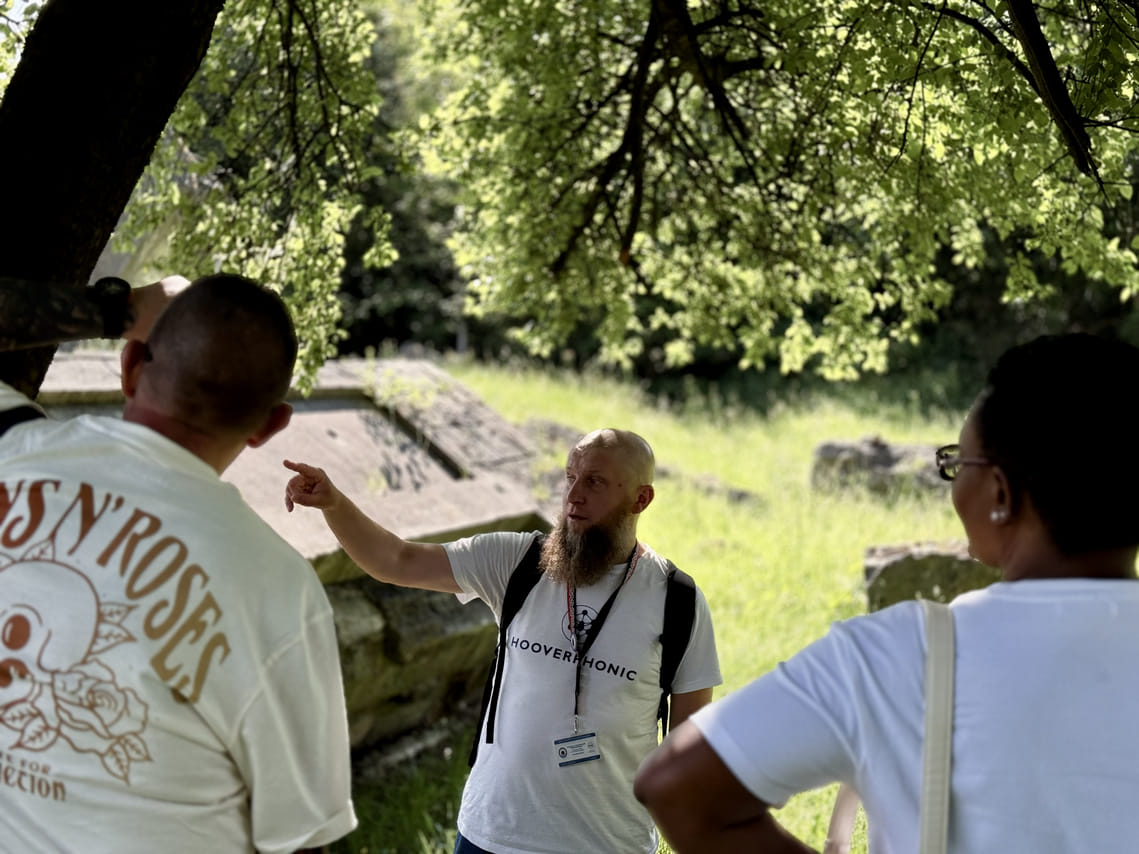
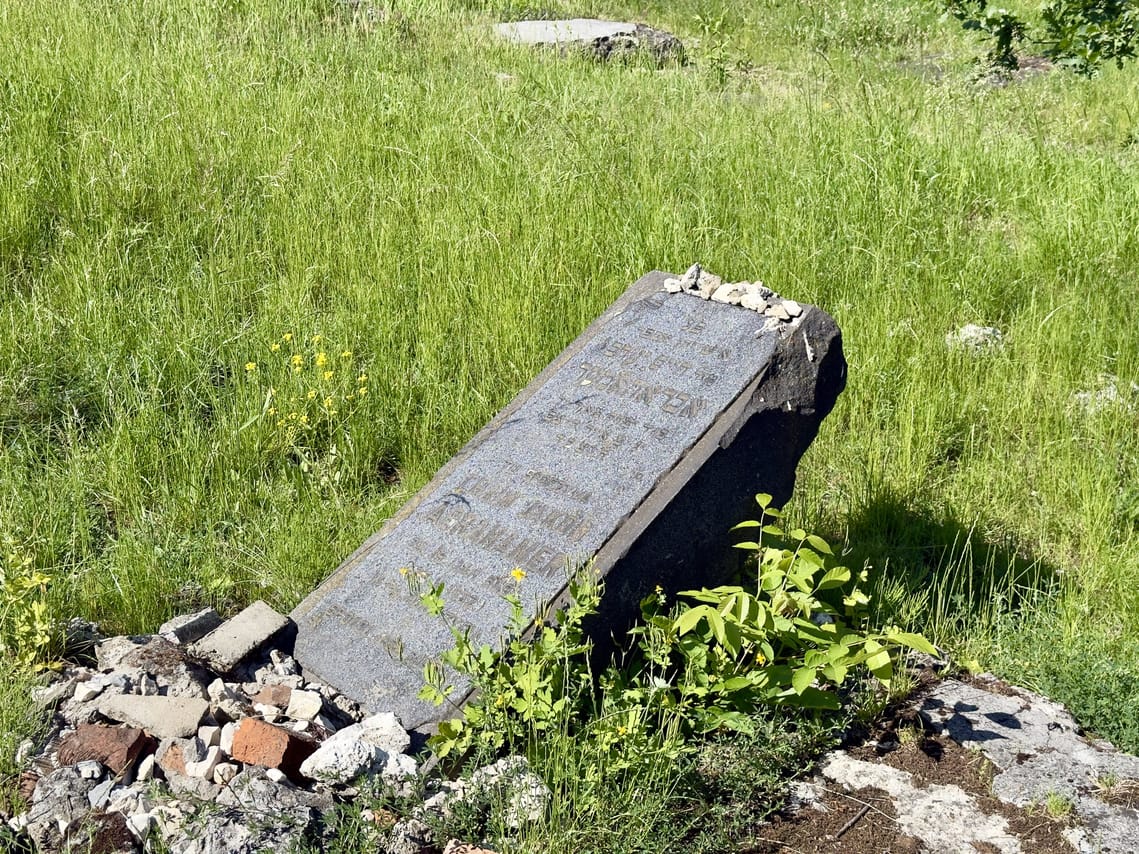
Established in 1942 on the grounds of former Jewish cemeteries, Plaszow developed from a forced-labor camp into a concentration camp. Over 35,000 prisoners were held here, and thousands lost their lives. During the guided visit, you will trace the former layout of the camp through surviving sites such as the Grey House, the roll-call area, remnants of key buildings, mass graves, and the Monument of Torn-Out Hearts. The story of Oskar Schindler is an important part of the visit, as many prisoners registered in Plaszow were later transferred to his factory, saving more than a thousand lives. With few physical remains, Plaszow’s impact lies in its quiet atmosphere—encouraging careful learning, remembrance, and reflection.


Meeting point: Apteka pod Orlem, Plac Bohaterow Getta 18, 33-332 Kraków, Poland.  Meet your guide in front of the entrance of Apteka Pod Orlem. Look for the guide with the "excursions.city" sign. (click to go to the Google maps)  

Endpoint: Henryka Kamieńskiego 57, 30-644 Kraków, Poland                

ENG Contact Number: +48 727 001 040

(Phone, WhatsApp, Telegram)

Highlights

  • Visit Ghetto Heroes Square in Podgórze, where 4,000 metal chairs symbolize forced deportations and absence
  • Explore the roll-call area, Grey House, and mass grave sites across the former camp grounds
  • Learn the verified history of Oskar Schindler and his rescue of workers from the camp
  • Walk through open memorial landscape built on former Jewish cemetery grounds (established 1942)
  • Understand the camp's evolution from forced-labor facility to concentration camp

Insider tips

  • Plaszow is largely open space with minimal buildings—wear comfortable walking shoes and prepare for exposure to weather; the emptiness itself is historically meaningful
  • Visit in morning light for better photography and to absorb the reflective atmosphere before afternoon crowds
  • The 2005 redesign of Ghetto Heroes Square makes it an essential starting point; the metal chairs are one of Poland's most recognized Holocaust memorials

Good to know

  • 2-hour duration includes walking at a steady pace across uneven outdoor terrain; no specific accessibility details provided, but enquire about wheelchair access given the open grounds
  • Camp entry is free; meet your guide at a designated Krakow location (confirm exact meeting point when booking)
  • Bring water, sun protection, and weather-appropriate clothing—there is minimal shelter on site
  • This is a solemn, educational experience; not recommended for young children or those seeking entertainment

Who it's for

History enthusiasts and WWII researchers seeking primary-source understandingEducators and students studying Holocaust history and European history curriculaVisitors interested in Oskar Schindler's story and verified historical narrativesTravellers seeking meaningful, sobering cultural experiences rather than conventional sightseeing

Best time to visit

Visit in late spring (May–June) or early autumn (September–October) when weather is mild and light is clear for reflection. Morning tours (8:00–10:00 AM) offer quieter grounds and better atmosphere for processing the site's historical weight.

Frequently asked questions

Available
From€25
per person