 1 / 5
1 / 5Isandlwana & Rorkes Drift Battlefields Day Tour
About this activity
This cultural tours is one of the standout things to do in Emangidini, South Africa. it combines the highlights below into a single, easy-to-book experience from €240 per person. This 14-hour tour takes you back into South African history, with a journey to the Isandlwana Battlefields. We will take you through the sites and regale you with the fascinating details of the greatest defeat in the history of British Colonial occupation
This day tour travels to the north of KwaZulu-Natal where to visit famous sites of the battlefields. There you will encounter museums, memorials and fields dedicated to the Anglo Zulu wars.
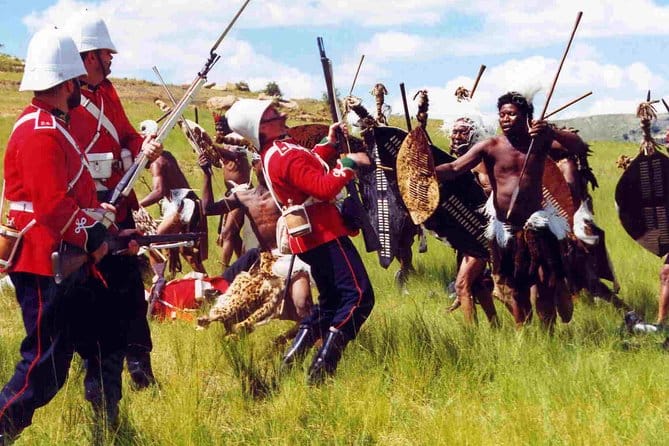
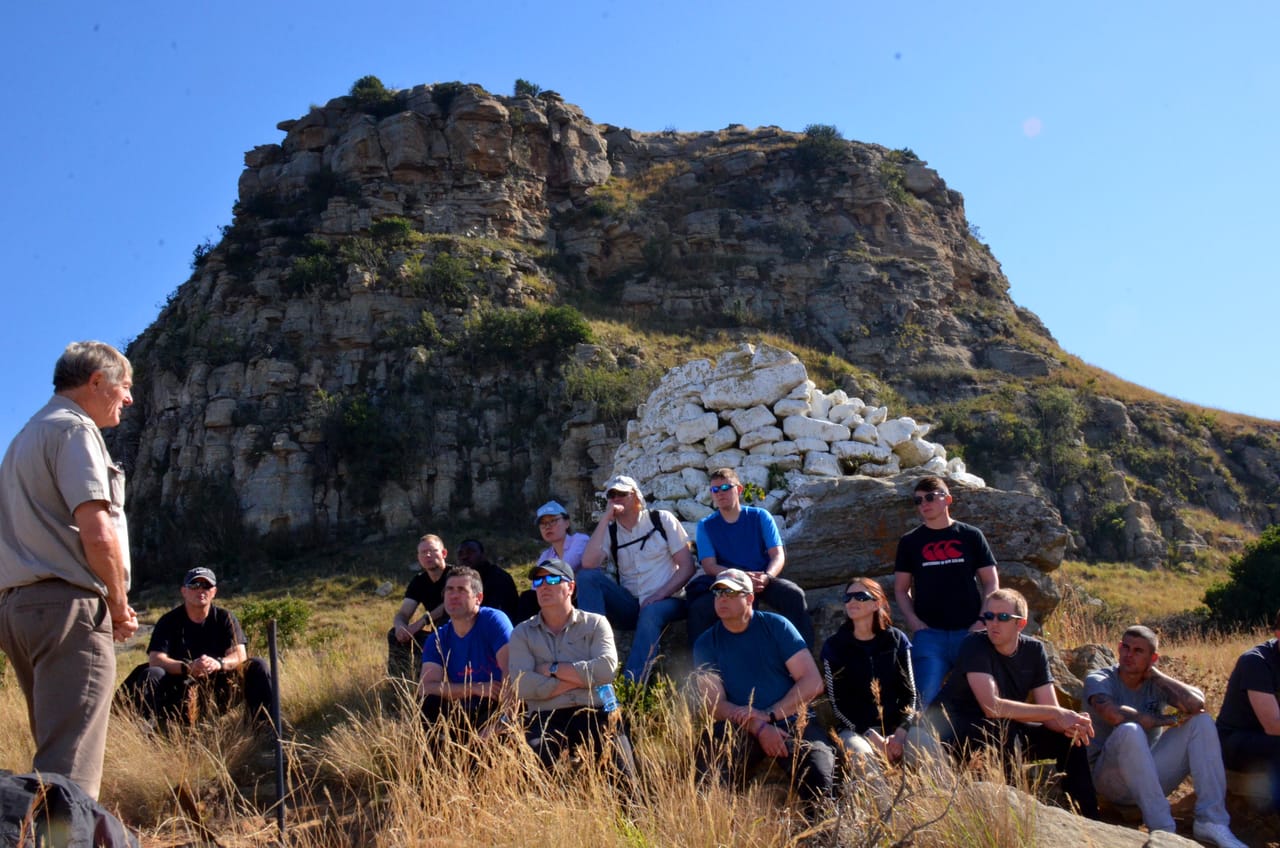
The first stop is the Isandlwana Battlefield and Museum. In early January 1879, the British Empire invaded Zululand furthering their colonial expansionist agenda of Southern Africa. The local Zulu Kingdom responded with a well-coordinated attack at the Battle of Isandlwana that surprised the British. This historic battle, which was documented as being ruthless and bloody is seen by historians as the start of Anglo-Zulu War. The British Empire experienced a severe defeat at the Battle of Isandlwana losing over 1700 soldiers at the hands of a Zulu army numbering 20 000. The Zulu warriors outnumbered the British troops greatly even though they who had superior weapons in comparison to the spears and leather shields the Zulus used
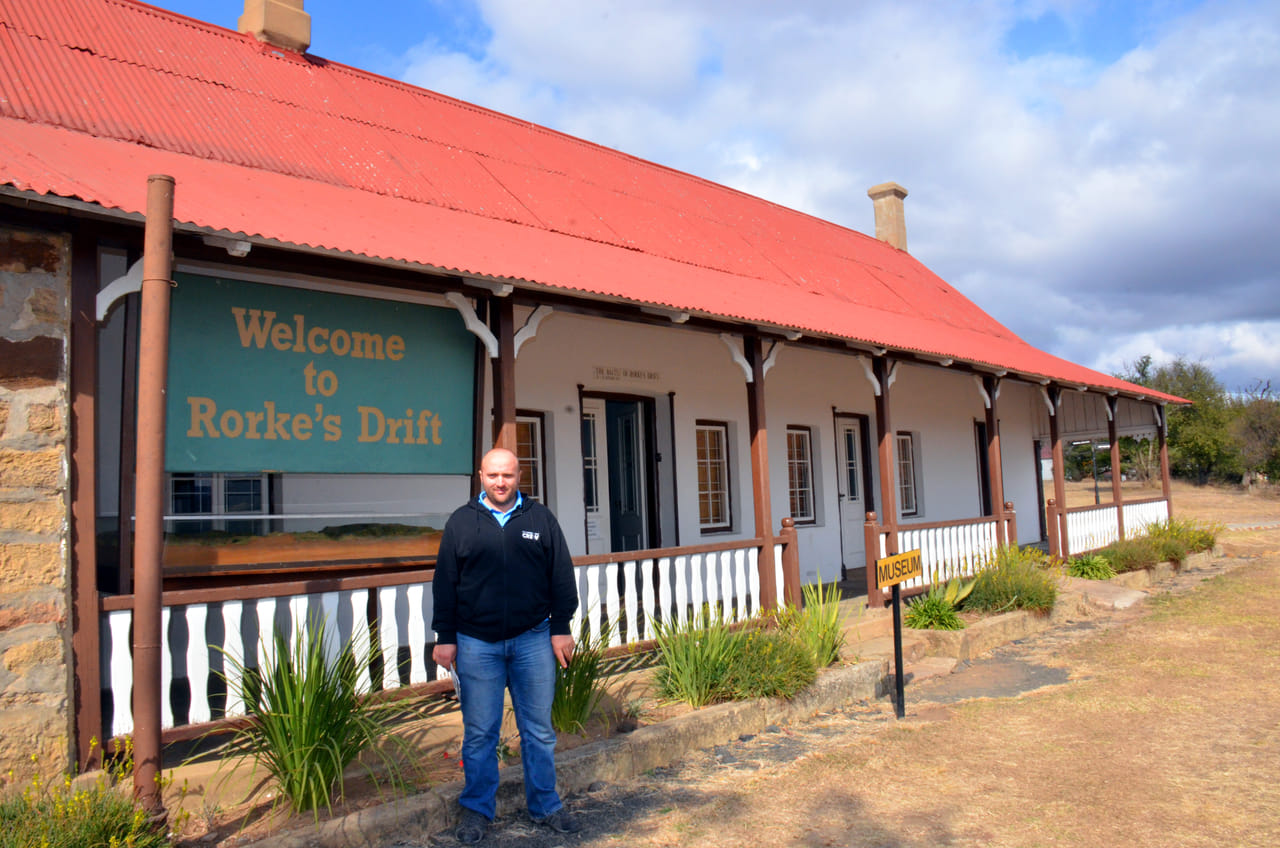
The tour progresses to the Battle of Rorke's Drift which also occurred on January 22nd 1879 after the Battle of Isandlwana and continued into the following day. The Defence of Rorke's Drift was smaller in numbers than the Battle of Isandlwana with the British numbering at an estimated 150 and the Zulu’s at 3000 – 4000 fighters. The British troops managed to hold off the Zulu warriors and secure a victory.
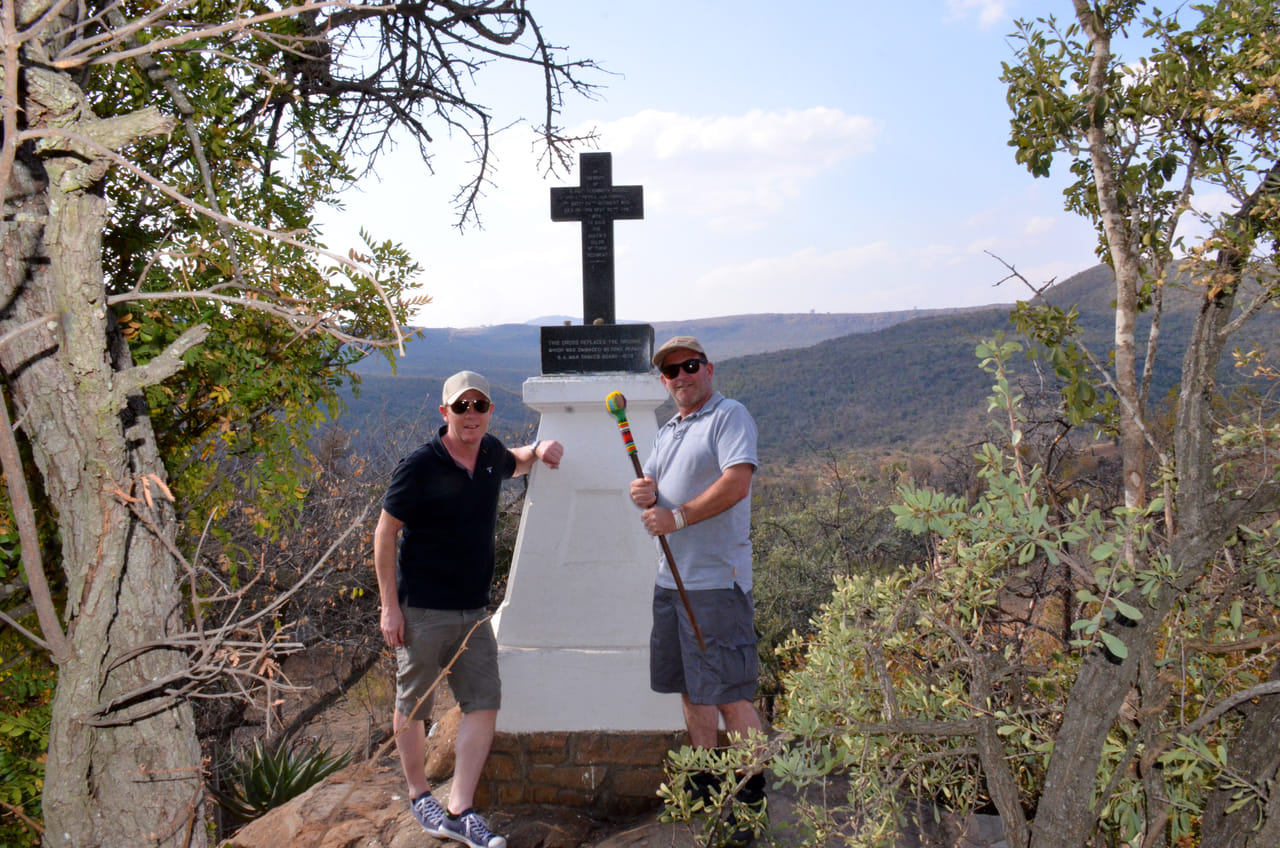
The last stop is Fugitives Drift and the Queens Colours memorial before we make the journey back to Durban.
Good to know
- •Duration: approximately 14 hours.
- •Confirmation is instant — your spot is secured the moment you book.
- •Offered in 1 language.
- •Confirm weather-appropriate clothing and comfortable footwear before you go.
Who it's for
Best time to visit
Emangidini is rewarding year-round, but spring and early autumn typically bring the most comfortable temperatures and thinner crowds than peak summer. Morning departures tend to be quieter and cooler; booking ahead is recommended in high season as popular cultural tours slots in Emangidini sell out.
Frequently asked questions
More things to do in Emangidini
- Drakensberg Giants Castle Cave Art And Nelson Mandela Capture Site
- Sani Pass and Lesotho 4x4 Day Tour from Durban
- Drakensberg Giants Castle Cave Art And Nelson Mandela Capture Site
- Isandlwana & Rorkes Drift Battlefields Day Tour
- Sani Pass and Lesotho 4x4 Day Tour from Durban
- Zulu Cultural Village and Zulu Oracle Experience tour
- Cape Town's Architectural Gems, Private tour
- Private City Tour Table Mountain + Cable Car Ticket Camps Bay H/D
- Small Group Cape Of Good Hope Penguins Wine Tasting Inc Park Fees
- Cape of Good Hope T Mountain Bo-Kaap Penguins Private +Tickets
- Cape Town Based Private Full Day Tour to the Stellenbosch Wine Region
- Full Day Exquisite Pilanesberg Safari Tours from Johannesburg
All things to do in Emangidini →Every tour in South Africa →