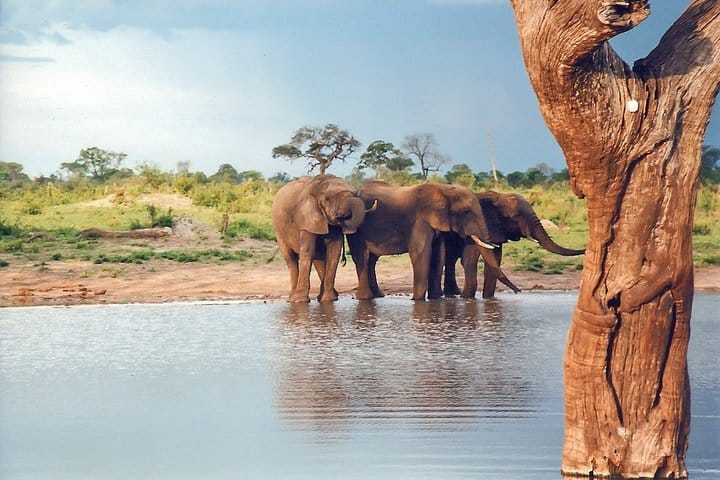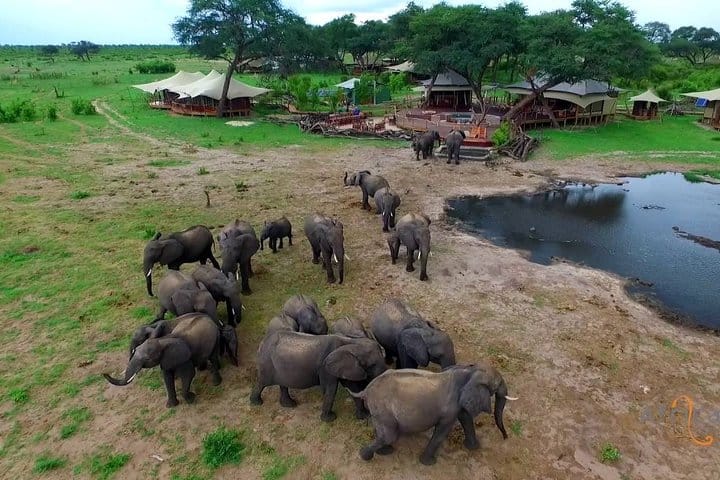
Elephants at Hwange Safari Lodge Water Hole
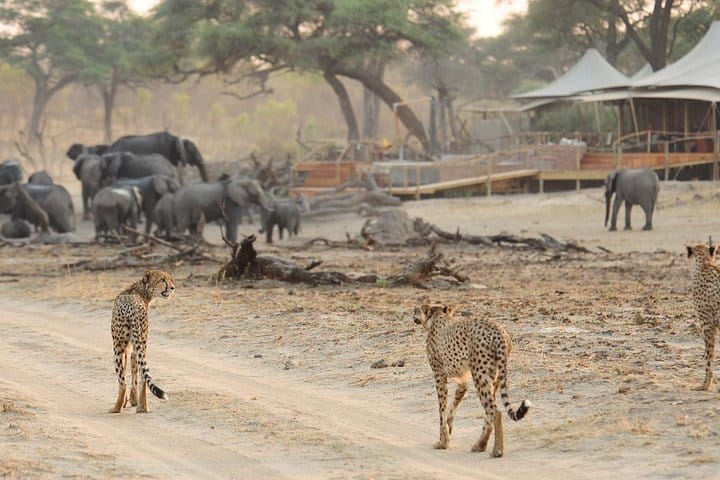
Elephants and Cheetahs Interacting
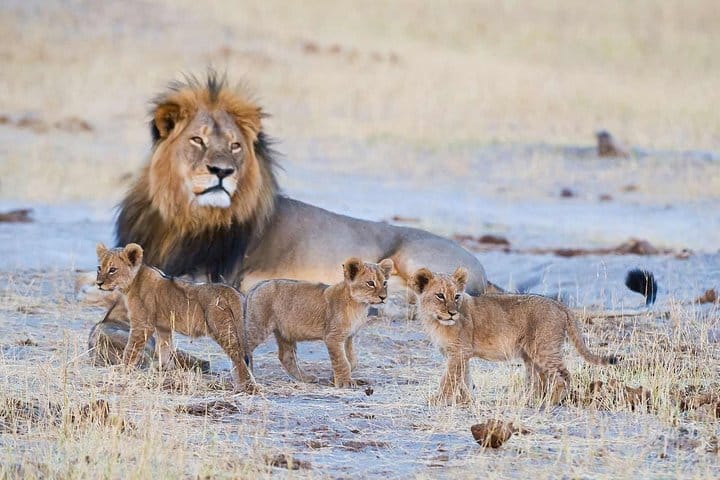
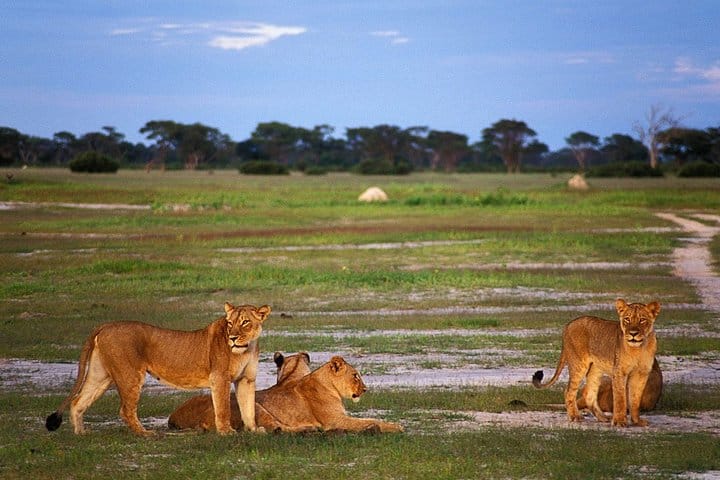
Lion and the Cubs, Hwange National Park
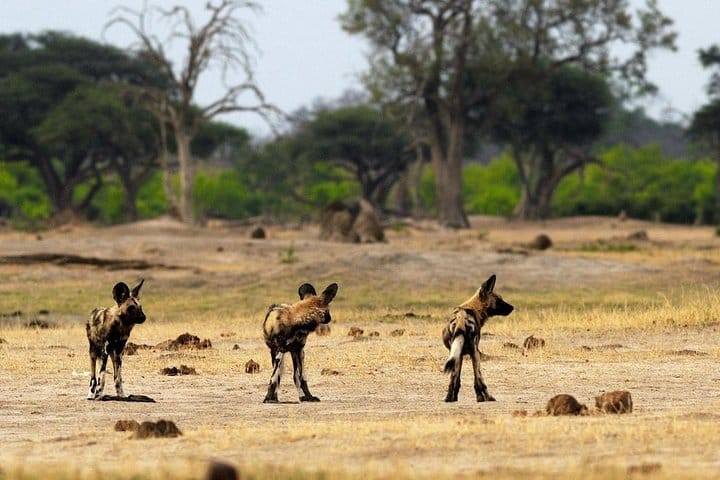
Painted Dogs Hwange National Park
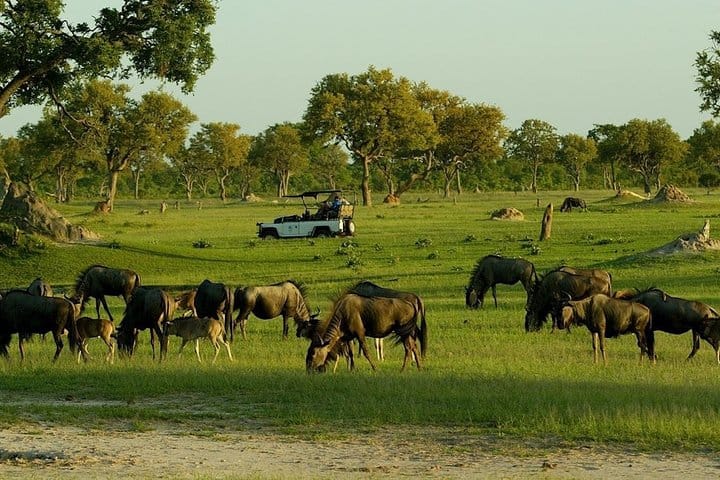
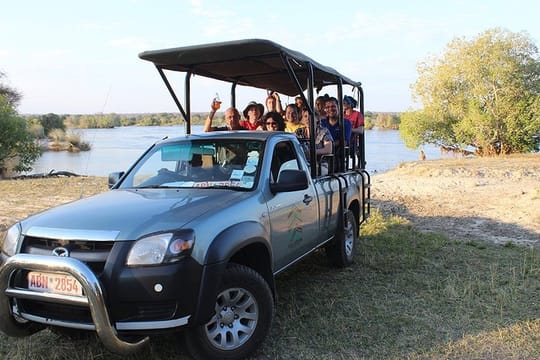
Hwange National Park Game Drive Safari
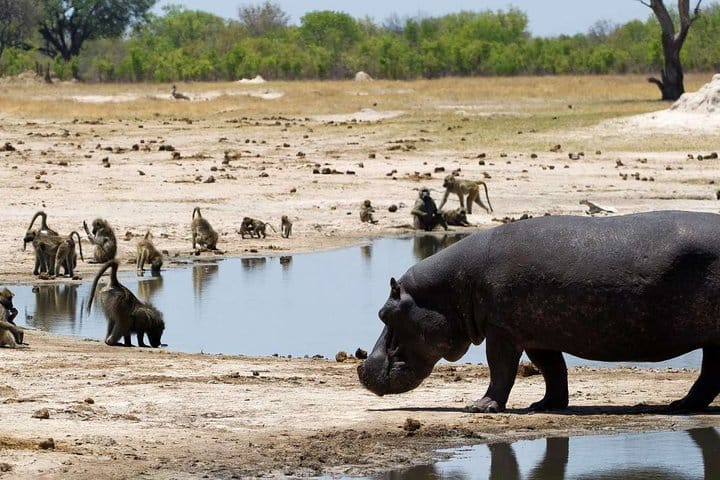
Animal Symbiotic Relationship
You will never miss this in Hwange National Park
Somalisa Camp Water Hole
1 / 8

Full-Day Trip to Hwange National Park with Hotel Pickup

(5)
Vic Falls, Zimbabwe
Day Trips & ExcursionsATV & Quad ToursBus & Minivan ToursSafari & Wildlife

About this activity

This day trips & excursions is one of the standout things to do in Vic Falls, Zimbabwe. Rated 4.0/5 by 5 travellers, it combines the highlights below into a single, easy-to-book experience from €264 per person. The park is close to the edge of the Kalahari desert, a region with little water and very sparse, xerophile vegetation. The Kalahari woodland is dominated by Zambezi Teak, Sand Camwood (Baphia) and Kalahari bauhinia. Seasonal wetlands form grasslands in this area.<br/><br/>The north and north-west of the park are dominated by mopane woodland.<br/><br/>Although it has been argued that elephant populations cause change in vegetation structure, some recent studies suggest that this is not the case, even with the large increases in elephant population recorded in the late 1980s. The Park hosts over 100 mammal and 400 bird species, including 19 large herbivores and eight large carnivores. All Zimbabwe's specially protected animals are to be found in Hwange and it is the only protected area where gemsbok and brown hyena occur in reasonable numbers. Grazing herbivores are more common in the Main Camp Wild Area and Linkwasha Concession Area, with mixed feeders more common in the Robins woodlands.

The park is close to the edge of the Kalahari desert, a region with little water and very sparse, xerophile vegetation. The Kalahari woodland is dominated by Zambezi Teak, Sand Camwood (Baphia) and Kalahari bauhinia. Seasonal wetlands form grasslands in this area.

The north and north-west of the park are dominated by mopane woodland.

Although it has been argued that elephant populations cause change in vegetation structure, some recent studies suggest that this is not the case, even with the large increases in elephant population recorded in the late 1980s. The Park hosts over 100 mammal and 400 bird species, including 19 large herbivores and eight large carnivores. All Zimbabwe's specially protected animals are to be found in Hwange and it is the only protected area where gemsbok and brown hyena occur in reasonable numbers. Grazing herbivores are more common in the Main Camp Wild Area and Linkwasha Concession Area, with mixed feeders more common in the Robins woodlands.

Good to know

  • Duration: approximately 10 hours and 30 minutes.
  • Confirmation is instant — your spot is secured the moment you book.
  • Offered in 1 language.
  • Confirm weather-appropriate clothing and comfortable footwear before you go.

Who it's for

First-time visitorsCouplesSmall groups

Best time to visit

Vic Falls is rewarding year-round, but spring and early autumn typically bring the most comfortable temperatures and thinner crowds than peak summer. Morning departures tend to be quieter and cooler; booking ahead is recommended in high season as popular day trips & excursions slots in Vic Falls sell out.

Frequently asked questions

From
€264
per person