Mendoza5h
Villavicencio Natural Reserve Half-Day Tour from Mendoza
4.3(3)
From€38.94€38.38
/ person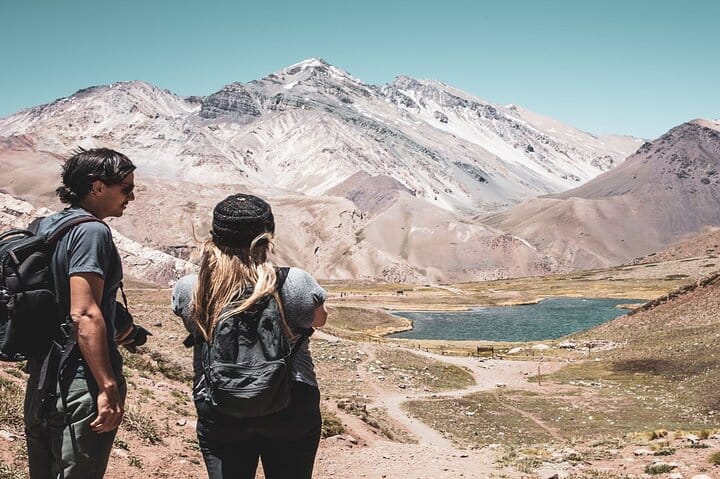
 1 / 10
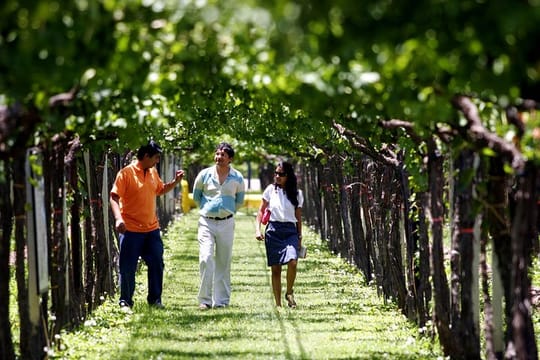
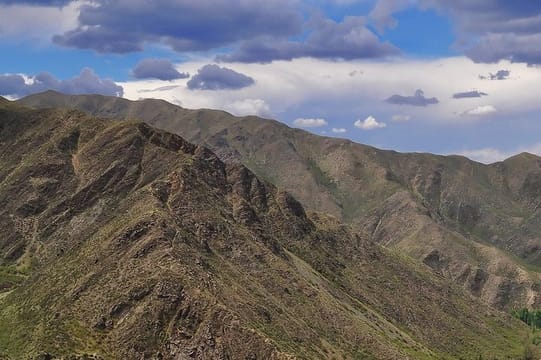
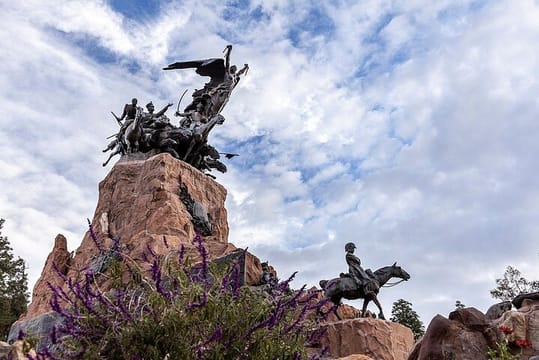
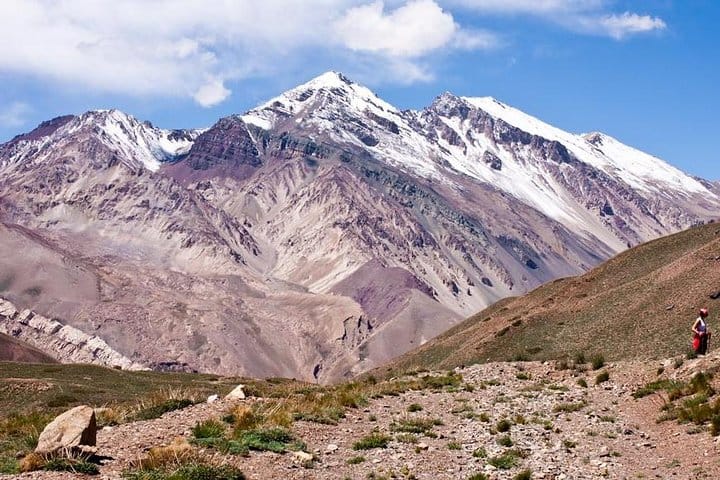
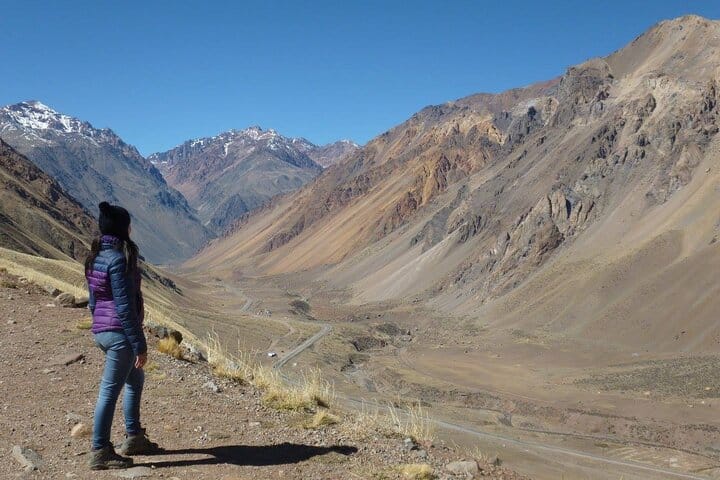
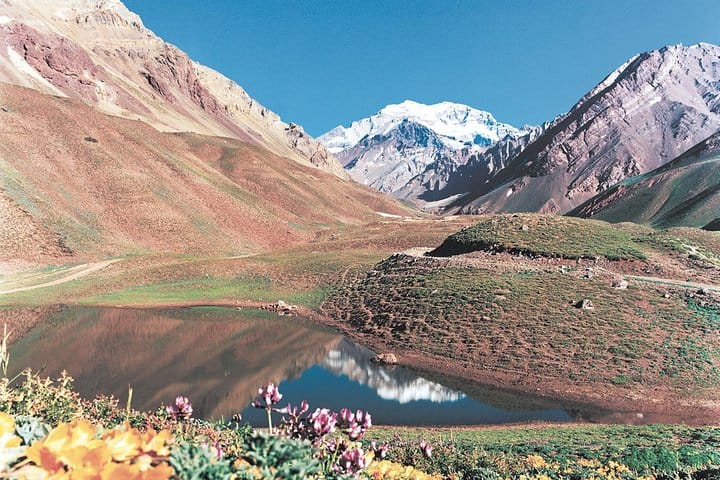
Traverse Mendoza's dramatic transition from fertile valleys to high-altitude Andean peaks on this 10-hour guided mountain journey. This full-day excursion showcases the region's geological contrasts—from irrigated agricultural lands to the spine of the Andes that forms the Argentina–Chile border—with stops at iconic landmarks including Aconcagua viewpoint and Cristo Redentor monument.
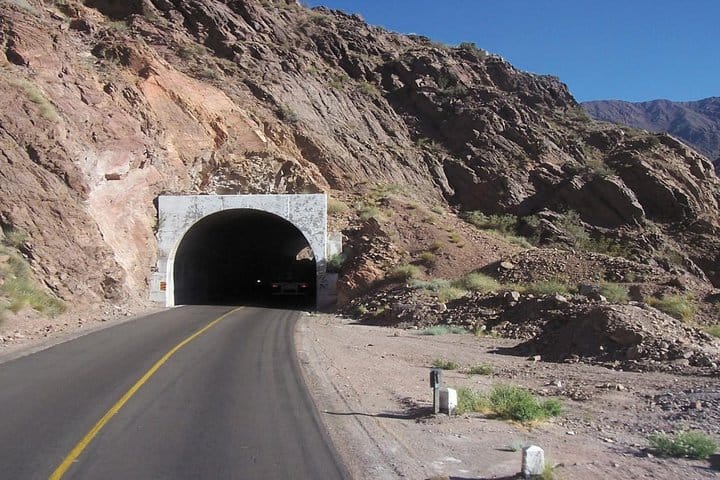
This tour runs along the Mendoza River, from the wide agricultural oasis to the Andes Mountains that define the border between Argentina and Chile. On this full day guided excursion, you will go through the mountains that surround Mendoza city.
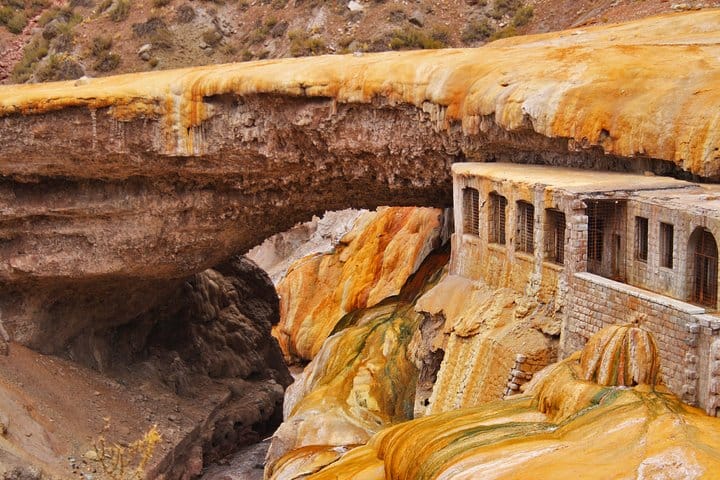
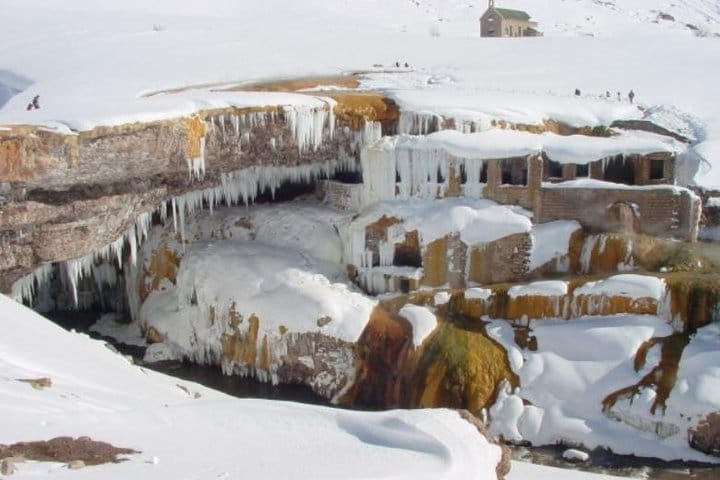
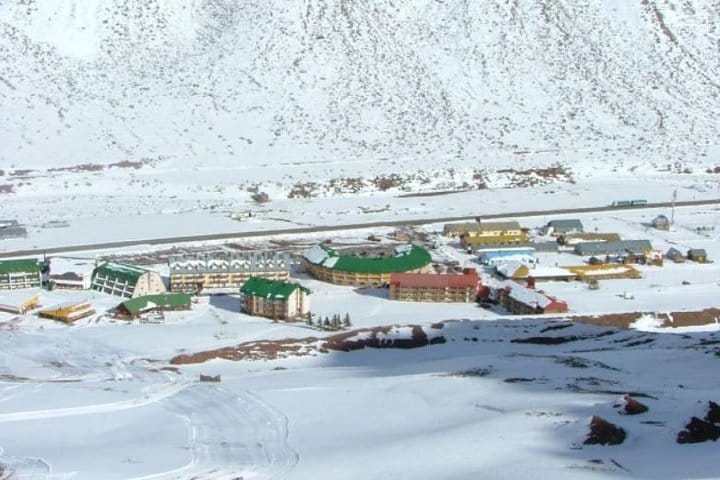
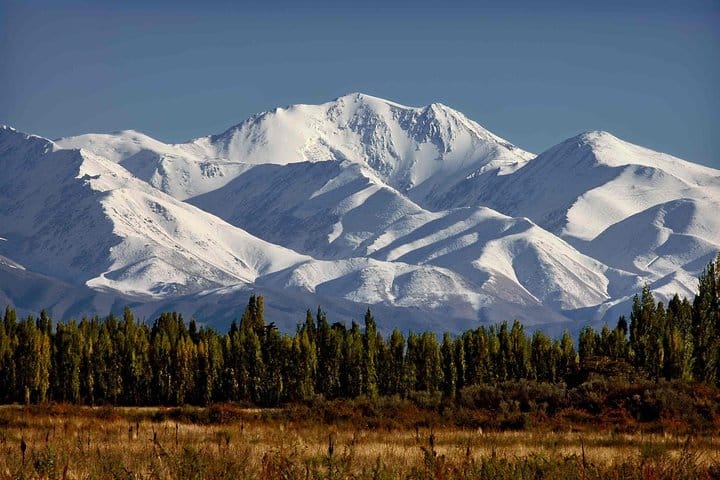
See stunning scenarios along the way, and many other points of interest such as the majestic Cordon del Plata mountain range, the Potrerillos Dam, Uspallata settlement, Aconcagua scenic viewpoint and the Cristo Redentor monument. Pickup and drop-off at select hotels provided.
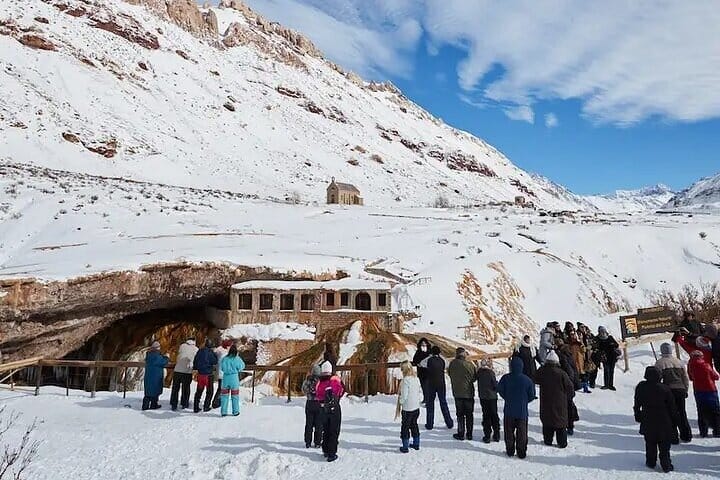
Visit during Argentine spring (September–November) or autumn (March–May) for mild temperatures and clear visibility of peaks. Winter roads can be snow-affected; avoid midday summer heat if sensitive to altitude.
Top-rated, great-value activities in Mendoza