Full-Day Easter Island Tour: Moai Statues and Island Highlights 1
Full-Day Easter Island Tour: Moai Statues and Island Highlights 2
Full-Day Easter Island Tour: Moai Statues and Island Highlights 3
Full-Day Easter Island Tour: Moai Statues and Island Highlights 4
Full-Day Easter Island Tour: Moai Statues and Island Highlights 5
Full-Day Easter Island Tour: Moai Statues and Island Highlights 6
Full-Day Easter Island Tour: Moai Statues and Island Highlights 7
Full-Day Easter Island Tour: Moai Statues and Island Highlights 8
Full-Day Easter Island Tour: Moai Statues and Island Highlights 9
Full-Day Easter Island Tour: Moai Statues and Island Highlights 10
1 / 10

Full-Day Easter Island Tour: Moai Statues and Island Highlights

(3)
Hanga Roa, Easter Island, Chile
Day Trips & ExcursionsBus & Minivan ToursAdventure ToursCity ToursNature Tours
Instant confirmationSecure checkoutNo hidden fees

About this activity

Explore Easter Island's most iconic archaeological sites in a single comprehensive day tour, visiting restored ceremonial platforms, volcanic quarries with dozens of moai statues, and pristine beaches. This guided excursion covers the island's most significant Polynesian heritage sites from a small-group perspective.

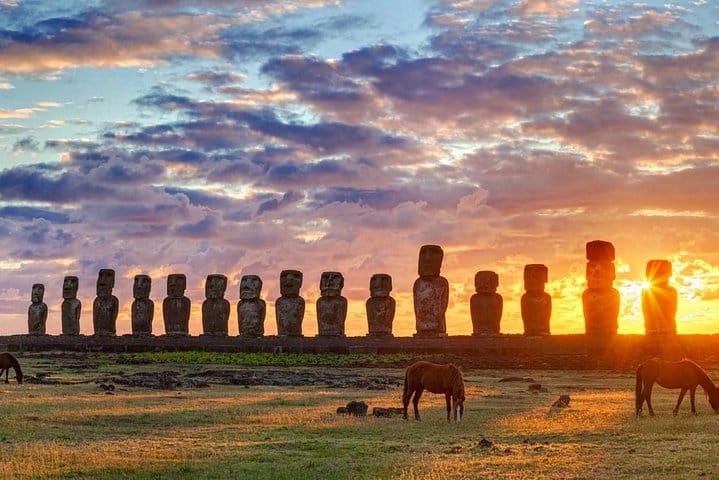
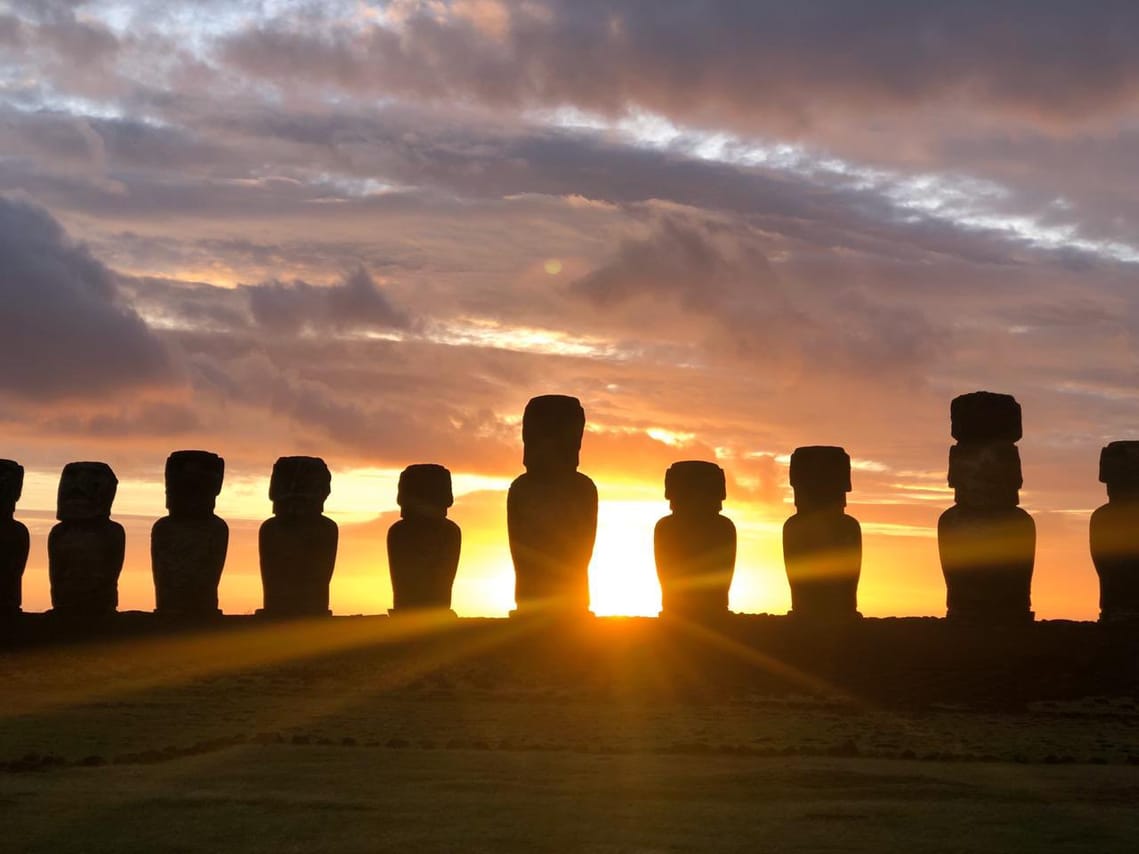
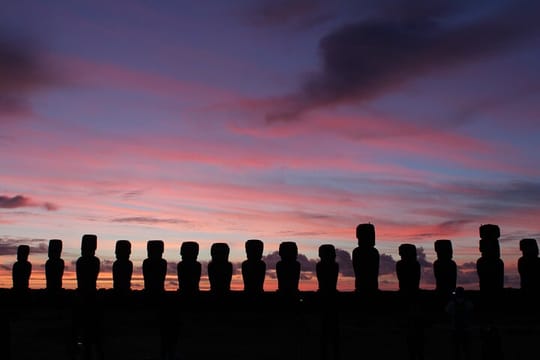
This tour starts in the morning from your Rapa Nui hotel. Hanga Roa We will head towards the ruins of the Vaihu temple next to the attractive fishing bay of Hanga Te'é. Continuing to the archaeological center of Akahanga with several moais upside down, abandoned during their transfer. You will find remains of "Hare Paenga", known as boat houses, with their unmistakable foundation stones and decorative terraces. Then the Rano Raraku volcano, one of the main attractions of your visit to Easter Island, we will walk about ten minutes through a path that will take you directly to the crater of this magnificent volcano. You will see about 70 moai standing (half-buried) on the upper slopes. Continuing to the recently restored Ahu Tongariki is the largest ceremonial structure in all of Polynesia.

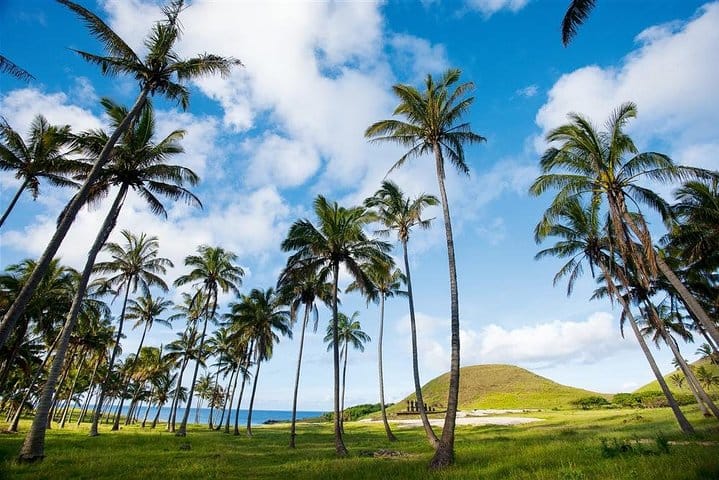
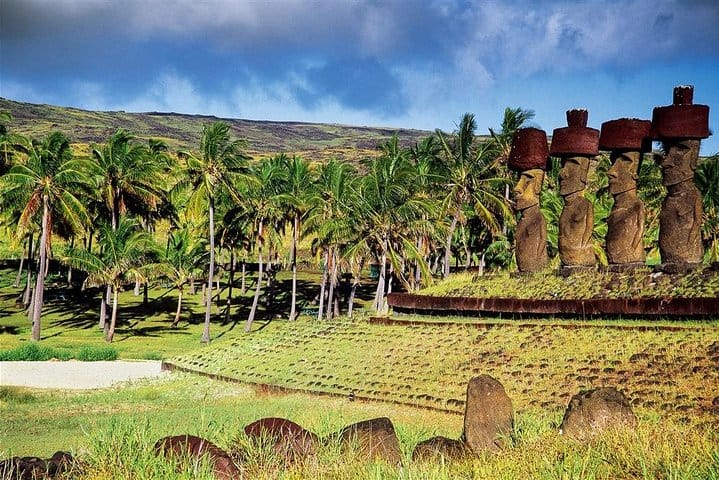
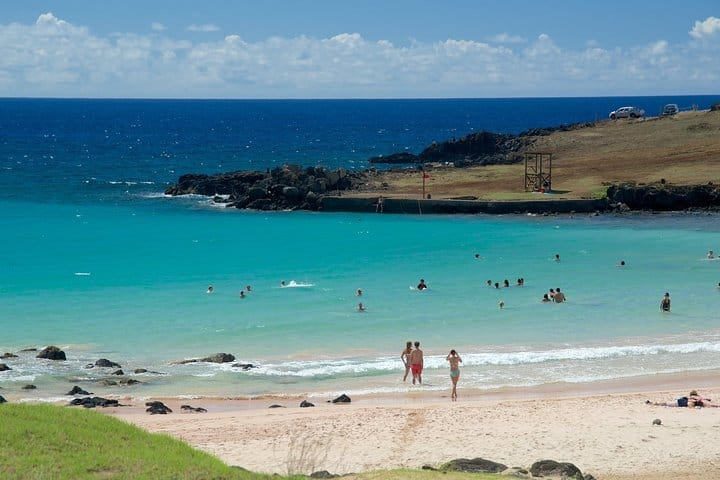
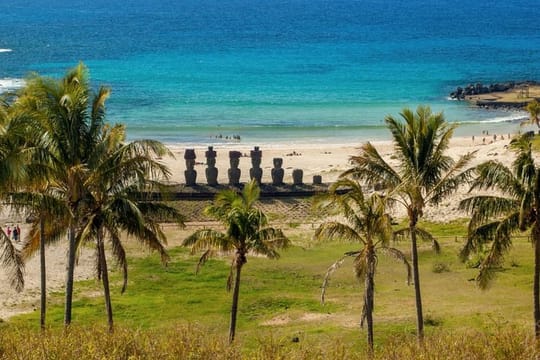
Later we will go towards Ahu Te Pito Kura where you will be able to appreciate an intact platform with its moai, in the position that was left when it was knocked down. Finally, Anakena which has become an idyllic beach in the South Pacific. In this place you will be able to have lunch and have the option to take a bath or explore the magnificent surrounding landscape. 

Duration: 6 hours 30 minutes.

Highlights

  • Rano Raraku volcanic crater with approximately 70 half-buried moai on its slopes
  • Ahu Tongariki, the largest ceremonial platform in all of Polynesia, recently restored
  • Akahanga archaeological site featuring moai abandoned mid-transport during ancient times
  • Ahu Te Pito Kura with an intact fallen moai in its original position
  • Anakena Beach, a white-sand South Pacific setting with swimming and exploration options
  • Vaihu temple ruins overlooking the scenic Hanga Te'é fishing bay

Insider tips

  • Wear sturdy walking shoes and sun protection — the volcanic terrain is uneven and there's minimal shade during the ~10-minute crater hike at Rano Raraku
  • Bring a refillable water bottle and snacks; lunch stops at Anakena Beach allow time to eat but options may be limited
  • Start early to beat crowds at popular sites and maximize photography light, particularly at sunrise-facing locations like Ahu Tongariki

Good to know

  • Hotel pickup from Hanga Roa accommodation is included; confirm your hotel location at booking
  • The tour involves moderate walking across uneven archaeological sites and volcanic slopes; not suitable for those with significant mobility restrictions
  • Bring swimwear and towel if you wish to swim at Anakena Beach; the beach has basic facilities
  • A national park entry fee (not included in tour price) is required to visit Easter Island's archaeological sites

Who it's for

Archaeology and history enthusiastsPhotography-focused travellersFirst-time Easter Island visitors seeking a comprehensive overviewNature and adventure travellers interested in volcanic landscapes

Best time to visit

Visit during the austral spring (September–November) or autumn (March–May) for mild temperatures and lower rainfall. Morning departures offer better lighting for moai photography and cooler conditions for walking.

Frequently asked questions

Available
From€95
per person