 1 / 5
1 / 5About this activity
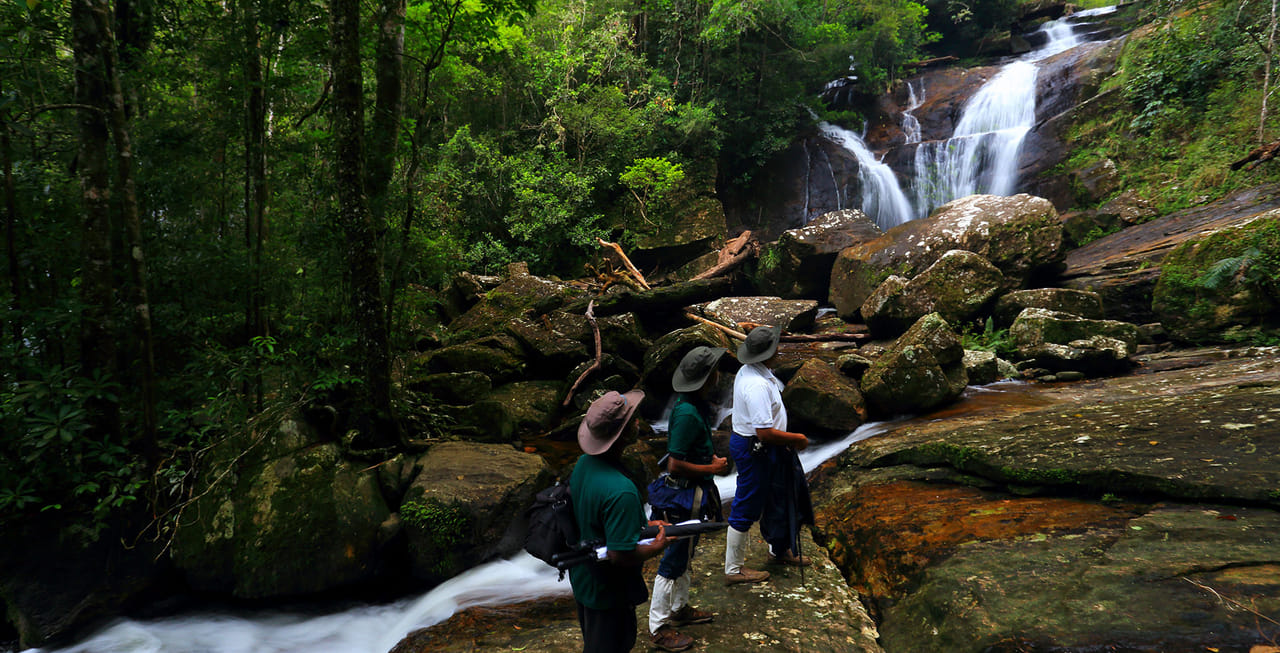
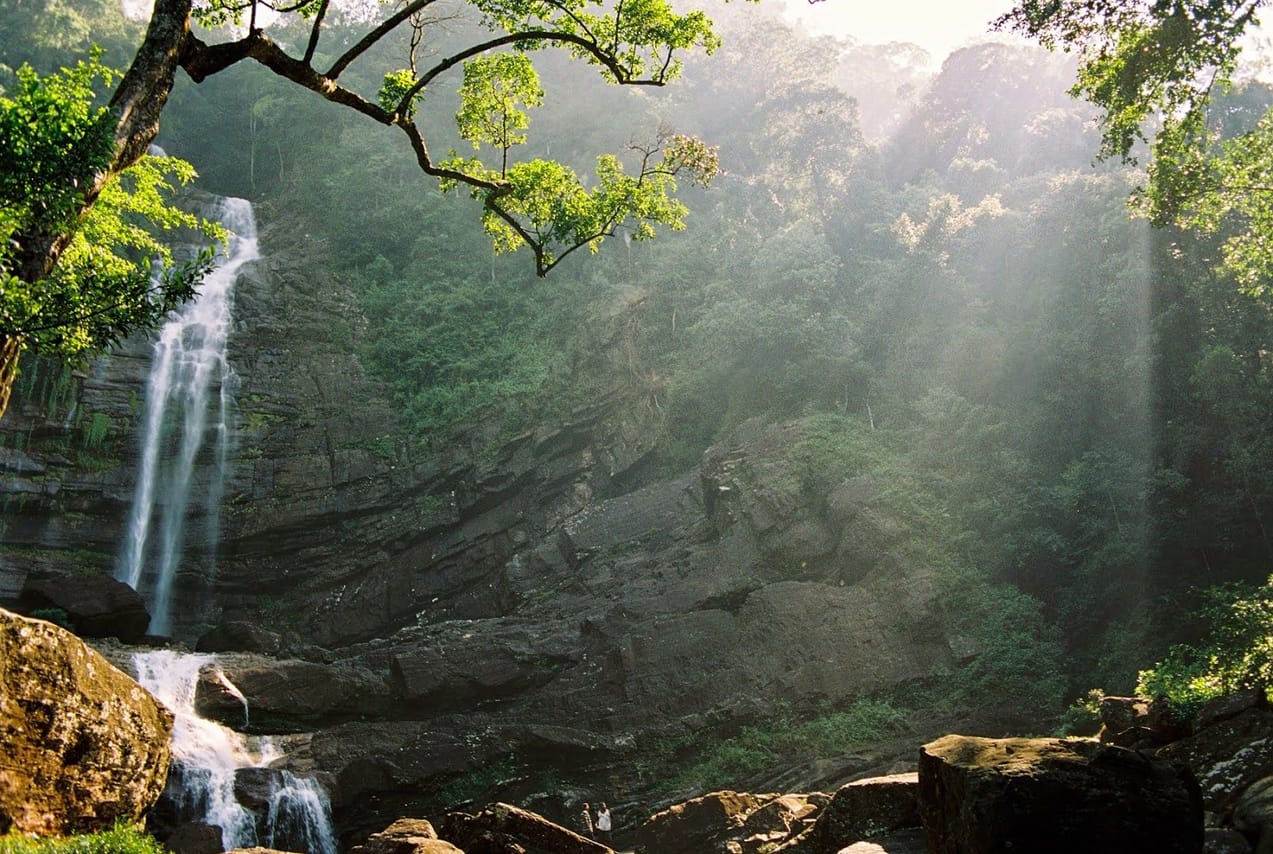
This adventure tours is one of the standout things to do in Colombo, Sri Lanka. Rated 4.0/5 by 3 travellers, it combines the highlights below into a single, easy-to-book experience from €260 per person. Sinharaja Rain Forest, UNESCO named a World Heritage Site in Sri Lanka. Is an ideal day trip for nature enthusiasts who visit Sri Lanka.
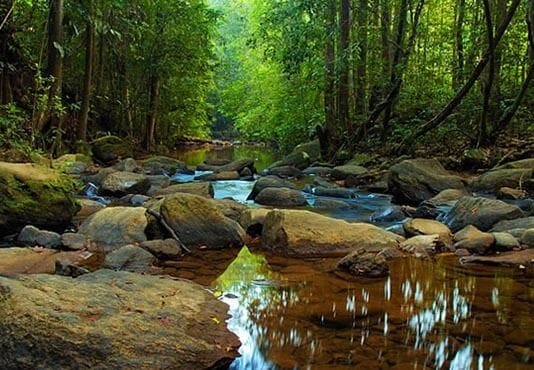
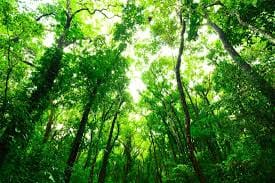
Visiting Sinharaja Rain forest during Sinharaja day tour - Sinharaja Forest Reserve is a national park and a biodiversity hotspot in Sri Lanka. It is of international significance and has been designated a Biosphere Reserve and World Heritage Site by UNESCO.
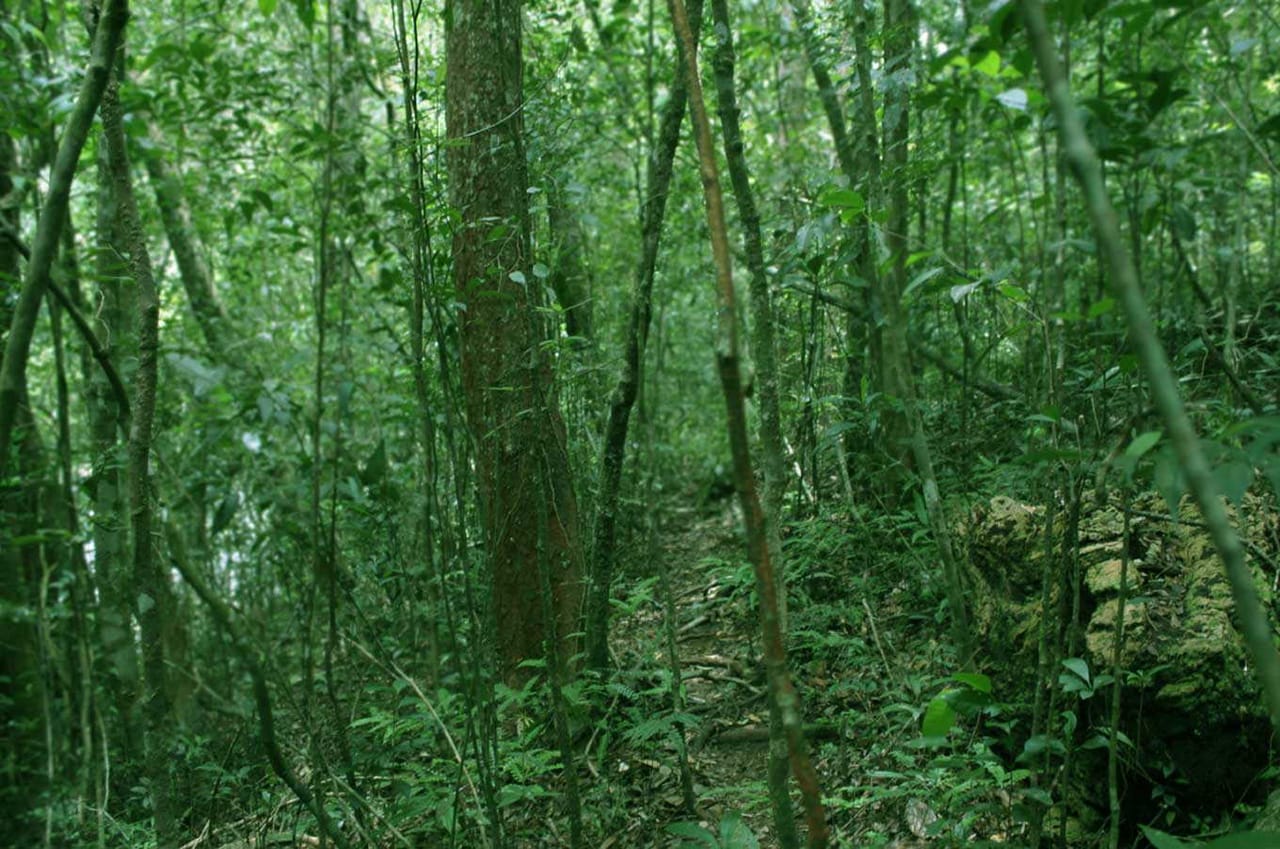
The hilly virgin rainforest, part of the Sri Lanka lowland rain forests ecoregion, was saved from the worst of commercial logging by its inaccessibility and was designated a World Biosphere Reserve in 1978 and a World Heritage Site in 1988. The reserve's name translates as Kingdom of the Lion.
The reserve is only 21 km (13 mi) from east to west, and a maximum of 7 km (4.3 mi) from north to south, but it is a treasure trove of endemic species, including trees, insects, amphibians, reptiles, birds, and mammals.
Because of the dense vegetation, wildlife is not as easily seen as at dry-zone national parks such as Yala. There are about 3 elephants and the 15 or so leopards are rarely seen. The most common larger mammal is the endemic Purple-faced Langur.
An interesting phenomenon is that birds tend to move in mixed feeding flocks, invariably led by the fearless Greater Racket-tailed Drongo and the noisy Orange-billed Babbler. Of Sri Lanka's 26 endemic birds, the 20 rainforest species all occur here, including the elusive Red-faced Malkoha, Green-billed Coucal, and Sri Lanka Blue Magpie.
Good to know
- •Duration: approximately 12 hours.
- •Confirmation is instant — your spot is secured the moment you book.
- •Offered in 2 languages.
- •Confirm weather-appropriate clothing and comfortable footwear before you go.
Who it's for
Best time to visit
Colombo is rewarding year-round, but spring and early autumn typically bring the most comfortable temperatures and thinner crowds than peak summer. Morning departures tend to be quieter and cooler; booking ahead is recommended in high season as popular adventure tours slots in Colombo sell out.
Frequently asked questions
More things to do in Colombo
- Back Packer Sri Lanka - 10N/11D
- Muthurajawela Sanctuary Bird Watching and Negombo Lagoon Boat Trip from Colombo
- Kandy Tour from Colombo
- Day Tour to Kalutara Temple, Lunuganga & Brief Garden
- From Colombo: Mirissa Whale Watching Tour
- 03 Day Exprience in Sri Lanka
- Colombo City Tour (German or English)
- Wilpattu Safari Experience
- Sinharaja Trekking Day Tour
- Airport Transfer - Katunayaka Airport to Kandy
- Colombo to Kandy Transfer
- Colombo International Airport (CMB) to Passikudah Transfer