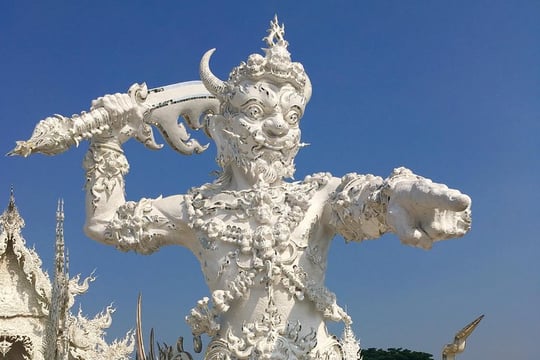
Doi Tung & Royal Villa 1
Doi Tung & Royal Villa 2
Doi Tung & Royal Villa 3
Doi Tung & Royal Villa 4
Doi Tung & Royal Villa 5
Doi Tung & Royal Villa 6
Doi Tung & Royal Villa 7
Doi Tung & Royal Villa 8
Doi Tung & Royal Villa 9
Doi Tung & Royal Villa 10
Top Deal1 / 10

Doi Tung & Royal Villa

(5)
Chiang Rai, Thailand
Nature ToursSightseeing ToursArts & CultureDay Trips & ExcursionsBus & Minivan Tours
Instant confirmationSecure checkoutNo hidden fees

About this activity

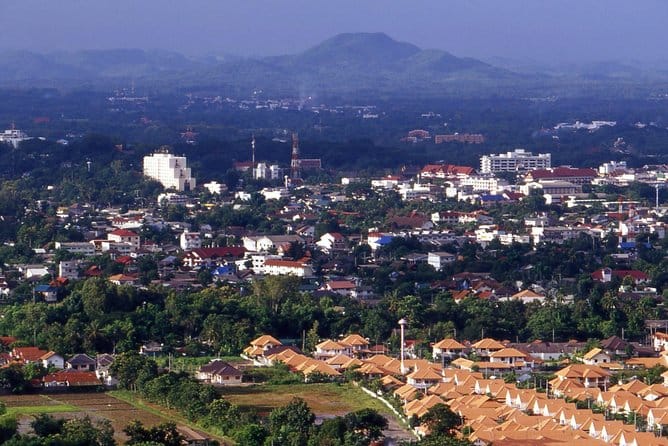
Explore Doi Tung ('Flag Peak'), a mountain sanctuary in northern Thailand transformed from opium-growing lands into a thriving royal development zone. This half-day tour combines horticultural beauty, royal heritage, and spiritual significance at one of Chiang Rai's most revered temples.

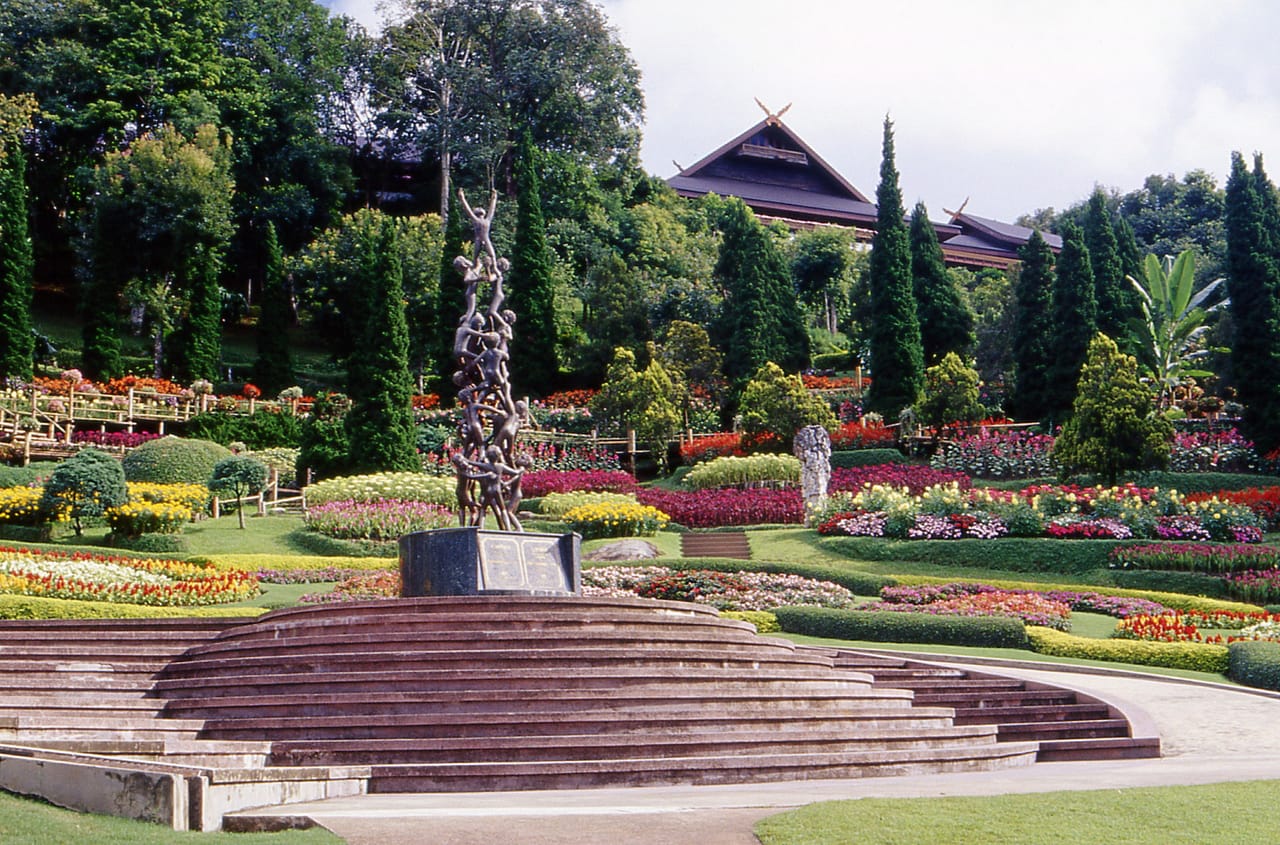
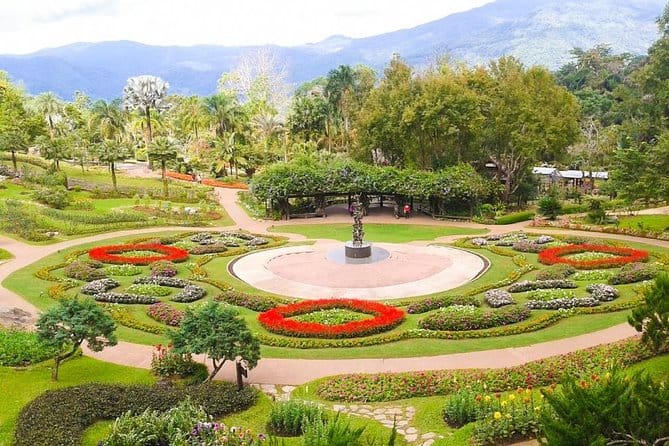
The name Doi Tung means ‘Flag Peak’, where Tung comes from the Northern Thai word for flag. In the past, the forest area around Doi Tung was destroyed by shifting slash-and-burn cultivation. Opium implantation was once common all over Doi Tung. Until 1987, Doi Tung Development Project was established according to the King’s Mother initiative, opium cultivation has been virtually eliminated following the royal crop substitution project. A visit is made at Mae Fah Luang Gardens and Royal villa.

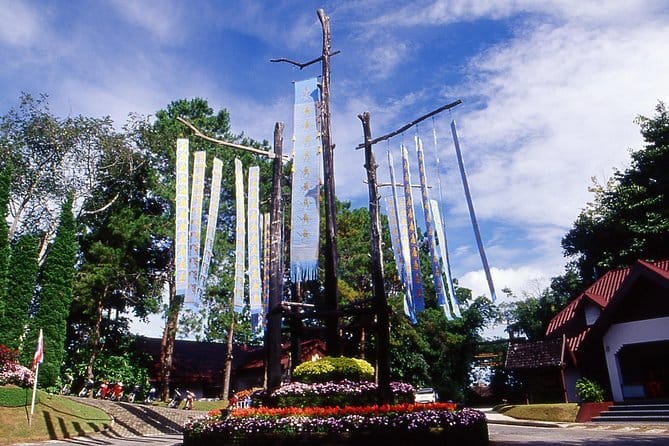
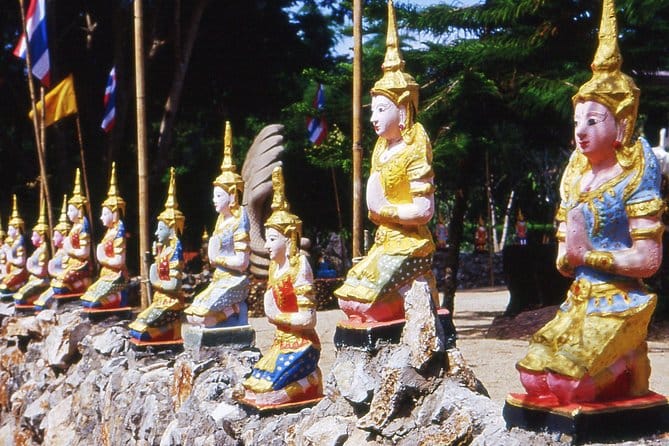
Drive further up to Wat Phra Thad Doi Tung on the mountain peak, regarded as the holiest sanctuary by the residents of Chiang Rai and nearby provinces. The Wat was built in A.D. 911 and it is believed that the left collarbone of Lord Buddha is enshrined in the twin pagodas. The legend says Phraya Achutarat (King of Chiang Saen) marked the spot where the twin pagoda was constructed by ordered the giant flag to be flown from the peak of the mountain, a piece of evidence (a big hole for flag pole) is still can be seen in the temple area.

Highlights

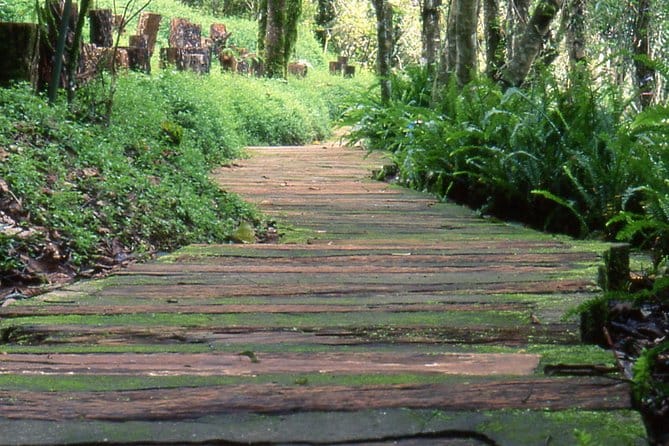
  • Mae Fah Luang Gardens – lush botanical spaces showcasing the royal crop substitution legacy
  • Royal Villa – residence reflecting the Thai monarchy's development initiatives
  • Wat Phra Thad Doi Tung – mountaintop temple built in A.D. 911 with twin pagodas housing Buddha relics
  • Sacred Buddhist site believed to contain the left collarbone of Lord Buddha
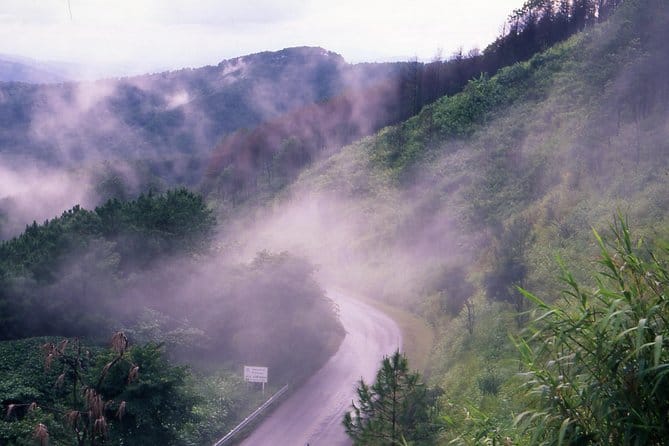
  • Panoramic mountain vistas and forest restoration success story
  • Historic flag-pole hole marking the temple's legendary founding

Insider tips

  • Visit early morning for cooler temperatures and fewer crowds at the temple peak
  • Wear respectful clothing (covered shoulders and knees) for temple entry; local dress is appreciated
  • The gardens are most photogenic after recent rainfall when foliage is vibrant
  • Ask your guide about the opium museum exhibits – a powerful part of the region's modern history

Good to know

  • 3.5-hour tour includes drive time; plan for moderate walking up temple steps and garden paths
  • Bring sturdy, comfortable walking shoes and sun protection (hat, sunscreen)
  • Minivan/bus transport provided; confirm pickup location and time with supplier
  • Temple grounds involve some steep sections; notify guide of mobility concerns in advance

Who it's for

Cultural and spiritual explorers interested in Buddhist heritageNature lovers seeking insight into land restoration and sustainable agricultureHistory enthusiasts drawn to royal initiatives and opium-trade recovery narrativesPhotography-focused travellers seeking mountain vistas and temple architecture

Best time to visit

Visit October–February for cool, dry mountain weather and clear visibility. Early morning (before 9 AM) offers the best light and quietest temple experience before tour groups arrive.

Frequently asked questions

Available
From€63
per person